
What Dermatologists Remove from Baby Bath Routines in 2026: Common Mistakes That Damage Skin
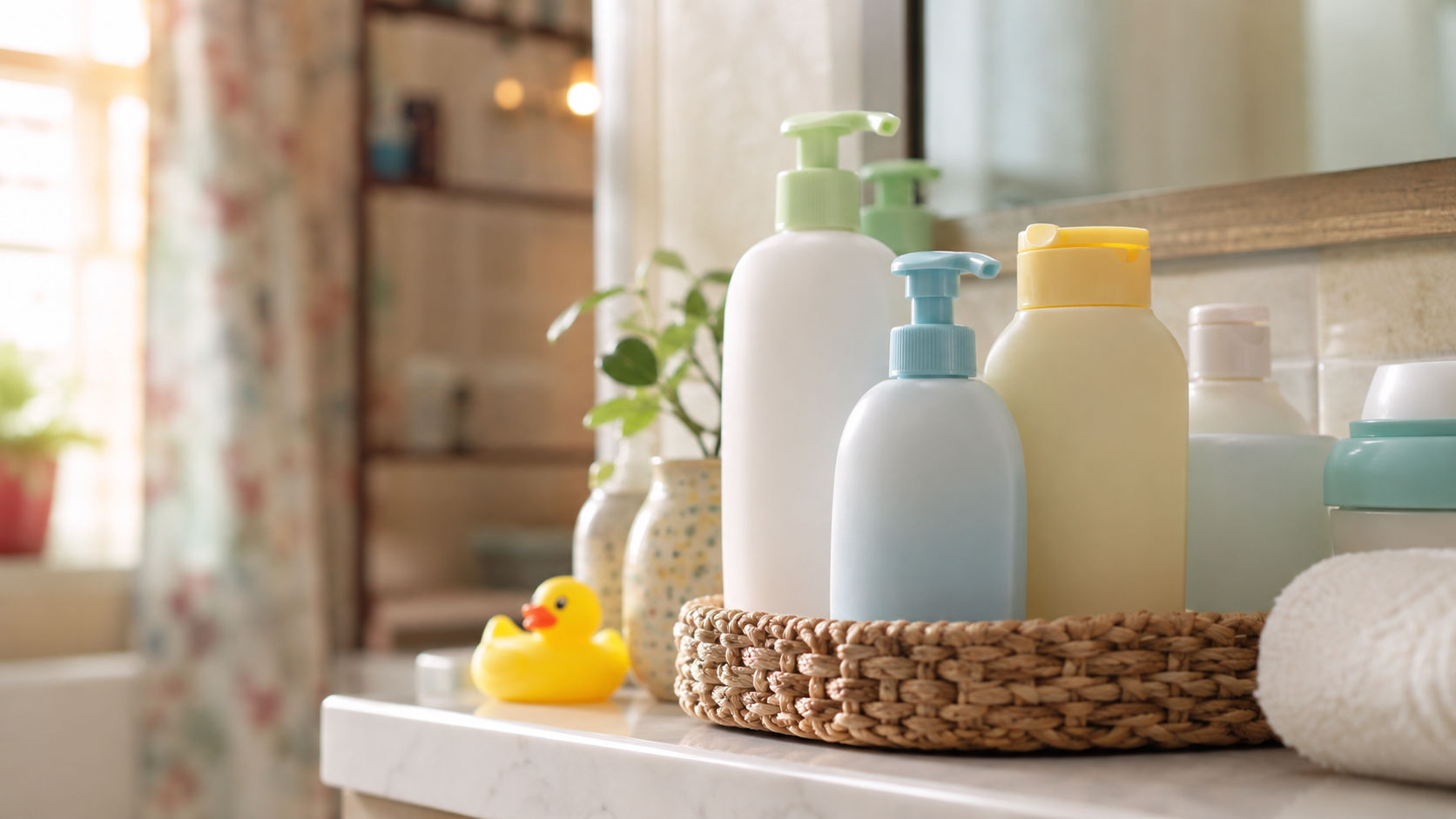
Stop daily bathing in hard water, using hot water, rubbing vigorously, applying talc powder, and skipping moisturiser. Use pH 5.5 baby washes and ceramide lotions instead. These mistakes strip the skin barrier, which is 30% thinner in babies than adults.
Your baby's skin feels soft, but it's also fragile—the outermost layer (stratum corneum) is only 30% as thick as an adult's. This is why what works for you in the shower can cause rashes, dryness, or irritation within days in your baby. Dermatologists in Mumbai, Delhi, and Bengaluru report the same five preventable mistakes showing up in clinic month after month. Not one of them is expensive to fix. But the sooner you catch them, the faster your baby's skin heals.
This guide walks through what dermatologists are actually telling parents to stop, why each mistake matters, and the specific products (with prices) that replace them safely.
What the Evidence Actually Shows
Dermatology data from India's tier-1 cities shows that three-quarters of baby skin complaints—cradle cap, eczema-like patches, persistent redness—trace back not to genetics or climate, but to five reversible daily habits. Let's start with the biggest one.
Mistake 1: Daily Bathing (Especially in Hard Water)
Hard water contains dissolved minerals—calcium, magnesium—that sit on the skin after every bath. They don't rinse off completely, they accumulate, and over weeks they strip the natural oil layer (sebum) that protects your baby's skin. Daily bathing in hard water is like washing your baby in mild detergent every single day.
What dermatologists recommend: Bathe your baby 3–4 times a week, not daily, unless visibly soiled. If you live in a hard-water area (most of India does), install a water softener or use a filtered water bucket for the baby bath. Even a simple carbon filter jug (₹400–800) makes a difference.
Mistake 2: Hot Water (Above 37°C)
Hot water opens pores and strips oils faster. Your baby's temperature-regulation system is still developing; hot water also stresses their ability to stay warm post-bath. Test the water with your inner wrist or a thermometer—it should feel lukewarm, not hot.
What dermatologists recommend: Use water at or below 37°C. Many parents test with their elbow (which is less sensitive) and unknowingly run it too warm. A floating bath thermometer costs ₹150–250 and removes the guesswork.
Mistake 3: Adult Soap Bars or Body Wash
Adult skin is naturally acidic (pH 4.5–5.5). Your baby's skin is even more acidic at birth (pH 4–5), but it reaches neutral (pH 7) within days. Most adult soaps are alkaline (pH 9–10) to strip oils from adult skin—the exact opposite of what a baby needs. This pH mismatch disrupts the skin's natural microbiome and dries out the top layer within hours of use.
What dermatologists recommend: Use a pH-balanced baby cleanser (pH 5.5 or lower). Brands like Sebamed Baby Wash (₹350), Cetaphil Baby Body Wash (₹280), and Mustela Gentle Cleansing Gel (₹420) are formulated for this. Always check the label for the pH value or look for the phrase "pH 5.5" or "skin-neutral."
Mistake 4: Rubbing Skin Vigorously or Using Rough Cloths
Scrubbing your baby's skin—even gently, as you might with an older child—causes micro-tears. Baby skin heals quickly, but repeated micro-tears weaken the barrier and invite infection and irritation. Many parents rub vigorously to remove cradle cap or dried milk; this actually makes both worse.
What dermatologists recommend: Pat dry with a soft cotton towel. If cradle cap is present, apply a light oil (coconut or mineral oil) and let it sit 10 minutes before gently wiping with a soft cloth—never rub. Use a soft natural sponge or cloth, not a loofah.
Mistake 5: Talc Powder Post-Bath
Talc powder is inhaled during diaper changes and can settle in the lungs. Major paediatric bodies including WHO have raised concerns about talc inhalation in infants. Even talc-free powders (made with cornstarch or rice starch) trap moisture and create a humid microclimate where bacteria and fungi thrive, especially in creases.
What dermatologists recommend: Skip powder entirely. If you feel moisture after bathing, use a cotton cloth to pat dry. In humid climates, air-dry in a cool room for 10 minutes before dressing. If diaper rash appears, use a zinc-oxide barrier cream (₹200–350) instead.
Mistake 6: Skipping Moisturiser (Especially in AC Rooms)
Air conditioning pulls moisture from skin rapidly. Baby skin loses moisture 2–3 times faster than adult skin. Many parents assume "soft baby skin = no need for lotion"—but soft skin can still be dehydrated underneath. Dehydration comes first; visible dryness and rashes follow.
What dermatologists recommend: Apply a ceramide-based moisturiser within 3 minutes of bath-time, while skin is still slightly damp. Ceramides are fats that mimic your baby's natural skin barrier. Look for lotions listing ceramides in the first five ingredients: Aveeno Baby Lotion (₹450), Physiogel Baby Lotion (₹380), or Sebamed Baby Lotion (₹320) are widely available on Amazon.in. In AC rooms, moisturise twice daily.
What IAP and WHO Guidance Says
- Indian Academy of Pediatrics (IAP) recommends bathing infants 2–4 times weekly in the first 3 months, and adjusting frequency based on climate and skin condition (not daily unless soiled).
- WHO advises against talc use in infants due to inhalation risk and recommends keeping baby skin clean and dry with soft cloths and barrier creams for moisture protection.
Safer Product Alternatives to Consider
If you're currently using adult products or unprescribed powders, here's a practical swap list:
| Current Mistake | Product Type | Safer Alternative (Amazon.in) | Approx. Price (Rs.) |
|---|---|---|---|
| Adult soap bar | pH-balanced baby wash | Sebamed Baby Wash (200 ml) | 350 |
| Adult body wash | pH-balanced baby wash | Cetaphil Baby Body Wash (230 ml) | 280 |
| No moisturiser | Ceramide lotion | Aveeno Baby Lotion (227 ml) | 450 |
| Talc powder | Zinc-oxide rash cream | Sebamed Baby Diaper Care (100 ml) | 320 |
| Hard water baths | Water filter | Aquaguard/Kent pitcher filter (5 L) | 400–800 |
When to See a Doctor
If your baby develops persistent redness, raised bumps, oozing, or signs of infection (pus, warmth to touch) within a few days of correcting bath habits, see your paediatrician or dermatologist. Sometimes cradle cap or mild eczema requires prescription creams, not just habit changes. Severe reactions to new products—hives, swelling of face or lips—need urgent care.
This is general information, not medical advice.
Bottom Line: Start with One Change
You don't need to overhaul everything at once. If hard water is your climate reality, add a filter first. If AC is drying your baby's skin fast, apply moisturiser twice daily for two weeks and watch the dryness fade. If you've been using adult soap, switch to Sebamed or Cetaphil this week. One change at a time, and you'll notice clearer, calmer skin within 7–10 days.
Our Top Picks
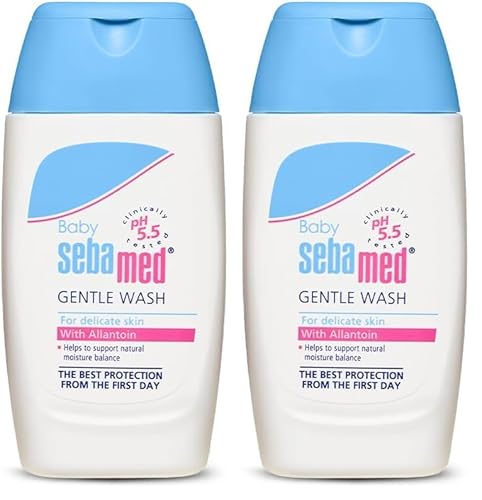
Sebamed Baby Wash
- ✓ pH 5.5 (skin-neutral)
- ✓ Free from soap, fragrance, and alcohol
- ✓ 200 ml bottle
* We earn a small commission — at no extra cost to you.

Cetaphil Baby Body Wash
- ✓ Hypoallergenic, pH-balanced formula
- ✓ Free from parabens and sulfates
- ✓ 230 ml bottle
* We earn a small commission — at no extra cost to you.

Aveeno Baby Lotion
- ✓ Contains colloidal oatmeal and ceramides
- ✓ Non-greasy, fast-absorbing formula
- ✓ 227 ml bottle
* We earn a small commission — at no extra cost to you.

Physiogel Baby Lotion
- ✓ Contains Natural Moisturizing Factors (NMF) and ceramides
- ✓ Fragrance and alcohol-free
- ✓ 200 ml bottle
* We earn a small commission — at no extra cost to you.
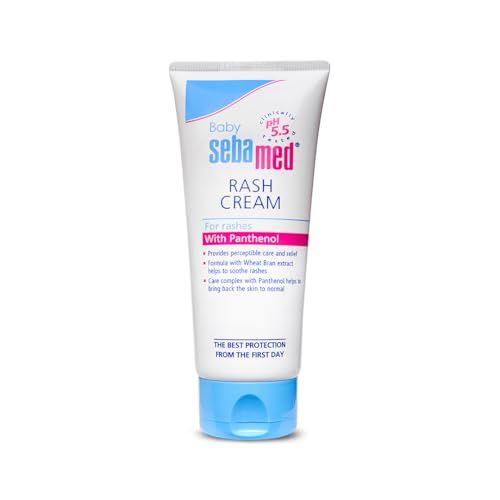
Sebamed Baby Diaper Care Cream
- ✓ Zinc oxide barrier (talc-free alternative)
- ✓ pH 5.5 formulation
- ✓ 100 ml tube
* We earn a small commission — at no extra cost to you.