
Baby Prickly Heat (Ghamori) in Indian Summers: Complete Cooling & Prevention Guide

Last April, my daughter woke up with tiny red bumps all over her neck and back. My mother-in-law took one look and said, "Ghamori ho gayi hai." As a first-time parent in Mumbai's sweltering heat, I felt terrible-had I overdressed her? Was our non-AC bedroom too warm? The pediatrician reassured me that baby prickly heat is incredibly common across Indian cities during summer months, affecting nearly 40% of infants under one year according to dermatology data from urban pediatric clinics.
Prickly heat, medically called miliaria or what we commonly know as ghamori in Hindi, happens when your baby's immature sweat glands get blocked. The trapped sweat creates those characteristic tiny red or pink bumps, usually appearing on the neck, chest, back, armpits, and skin folds. In cities like Delhi, Lucknow, Jaipur, and Pune where summer temperatures regularly exceed 40°C, this becomes almost a rite of passage for babies. But knowing exactly how to cool your baby's skin, which products actually work, and when simple home remedies aren't enough can make all the difference between a cranky, uncomfortable baby and one who sleeps peacefully despite the heat.
This guide covers everything I learned through that first summer and three more since then-the cooling remedies that worked within hours, the prevention strategies that stopped repeat episodes, and the specific products worth keeping in your home during Indian summer months.
Understanding Baby Prickly Heat: Why Indian Summers Are Particularly Challenging
Baby skin has about 30% fewer developed sweat glands than adult skin, and those glands are shorter and narrower. When temperatures soar and humidity increases-especially during pre-monsoon months in coastal cities like Mumbai and Chennai-babies simply cannot regulate their body temperature as efficiently as adults. The sweat that should evaporate to cool them down gets trapped beneath the skin surface instead.
There are three types of miliaria, but the most common in babies is miliaria rubra (red prickly heat). You'll recognize it by clusters of small red bumps that may look slightly inflamed, often accompanied by that prickly, itchy sensation that makes babies fussy and irritable. In fair-skinned babies, the redness is obvious; in darker-skinned babies, you might notice the texture change before you see obvious color differences-run your palm gently over the affected area and you'll feel the tiny raised bumps.
The Indian Academy of Pediatrics notes that overdressing is the primary preventable cause in urban settings. Many families, particularly those with involved grandparents who worry about babies catching cold, tend to dress infants in multiple layers even when room temperature is comfortable. In Bengaluru, where I have family, the cooler evenings can deceive parents into keeping babies bundled up, but afternoons still hit 33-35°C indoors without proper ventilation.
Where Prickly Heat Typically Appears
Watch these specific areas during hot months:
- Neck and upper chest: The most common location, especially in babies who cannot yet hold their heads up independently and have skin folds
- Back and shoulders: Where babies lie against mattresses or are carried in slings
- Diaper area and thighs: Combination of heat, moisture, and friction from diapers
- Armpits and elbow creases: Natural skin fold areas that trap moisture
- Behind the ears: Often missed during quick checks but prone to sweat accumulation
Immediate Cooling Remedies That Work Within Hours
When you spot those telltale bumps, acting quickly can prevent the rash from spreading and reduce your baby's discomfort significantly. Here's what actually works, based on both pediatric recommendations and my own trial-and-error experience.
The Cool Bath Protocol
This is your first line of defense. Give your baby a lukewarm to slightly cool bath-not cold, which can shock their system, but noticeably cooler than their usual bath water. In practical terms, test it with your elbow; it should feel refreshing but not uncomfortable. Add nothing to the water for the first bath-no soap, no oils, just plain water. Let your baby soak for 5-7 minutes if they're comfortable.
Pat dry very gently with a soft cotton towel. Don't rub. Leave the skin slightly damp rather than bone-dry, especially in affected areas. During peak summer (April through June), you can repeat this 3-4 times daily. I used to do a proper bath in the morning, a quick sponge-down after the afternoon nap, another around evening, and sometimes a final one before bed if the night was particularly hot.
Temperature Control: The 24-26°C Sweet Spot
If you have air conditioning, maintain room temperature between 24-26°C. This range is cool enough to prevent sweating but not so cold that you risk respiratory issues. In cities like Delhi and Jaipur where power cuts are still common during summer, a ceiling fan on medium speed plus a table fan creating cross-ventilation works well. Position the fan so air circulates in the room rather than blowing directly on your baby.
For those using coolers, which are common in tier-2 and tier-3 cities, ensure the room doesn't become overly humid. Excess humidity makes it harder for sweat to evaporate. If the room feels damp or sticky, open a window slightly to allow moisture to escape while keeping the cooler running.
Calamine and Cornstarch Applications
Once skin is completely dry after a bath, calamine lotion is genuinely soothing for prickly heat. The zinc oxide content has mild astringent properties that reduce inflammation and itching. Apply a thin layer to affected areas using clean fingers or a cotton pad. Don't overdo it-you want a light film, not a thick paste. Calamine can be applied 2-3 times daily, and you'll often see visible reduction in redness within 12-24 hours.
For powder, choose cornstarch-based or talc-free options. The Sebamed Baby Powder at Rs. 375 for 400g uses cornstarch and is fragrance-free, which matters because added fragrances can irritate already-sensitive skin. Chicco Baby Moments Talc at Rs. 160 for 300g is another reliable option that many pediatricians in Mumbai and Pune recommend. Apply powder to your hands first, then pat gently onto completely dry skin-never shake powder directly onto the baby as inhaling particles can irritate airways.
Prevention Strategies for Indian Summer Months
Once you've dealt with one episode of prickly heat, prevention becomes your priority. These strategies reduced repeat rashes by about 80% in my experience, even during the brutal May-June heat.
Clothing Choices That Actually Matter
Fabric makes an enormous difference. Pure cotton is non-negotiable during summer months-those adorable synthetic rompers can wait until monsoon. Look for loose-fitting clothes with a slightly loose weave that allows air circulation. For newborns and young infants, simple cotton jhablas (the traditional side-tie shirts) are superior to modern onesies because they don't trap heat against the torso.
A useful rule I learned from our pediatrician in Bengaluru: dress your baby in one layer more than what you're comfortable wearing, not two. If you're comfortable in a t-shirt, your baby needs a t-shirt plus a light cotton layer-not a vest, t-shirt, and wrapper. During afternoon hours when temperature peaks, even just a cotton diaper and a loose vest is perfectly adequate indoors.
Change clothes immediately if they become damp from sweat. Keep 2-3 extra sets handy during summer so you're not scrambling when the current outfit gets sweaty after a nap.
Sleeping Arrangements for Hot Nights
Nighttime is when many babies develop prickly heat because they're lying in one position against bedding for hours. Use a firm cotton mattress sheet-avoid waterproof mattress protectors during peak summer as they trap heat terribly. A thin cotton blanket or just a muslin cloth is sufficient covering for most Indian summer nights.
If co-sleeping, be aware that your body heat adds to the ambient temperature around your baby. Consider placing the baby slightly apart on the mattress rather than tucked close against your body during the hottest weeks.
Diaper Management in Heat
Diapers are a significant contributor to prickly heat in the diaper area and upper thighs. During daytime hours at home, consider diaper-free time-spread a waterproof mat covered with cotton cloth and let your baby's bottom air out for 30-60 minutes after each diaper change. This single practice reduced diaper-area rashes dramatically for us.
When using diapers, change them more frequently than usual during summer-every 2-3 hours even if not fully soaked, because the trapped humidity inside creates perfect conditions for ghamori. Apply a thin layer of cornstarch-based powder around thigh creases (not inside the diaper area itself) to absorb excess moisture.
Products That Actually Help (and Those That Don't)
I've tried numerous products over four summers with two children. Here's what earned a permanent place in our summer care kit and what was a waste of money.
Effective Products for Treatment and Prevention
Sebamed Baby Powder (Rs. 375, 400g): Cornstarch-based with pH 5.5, this doesn't clump even in high humidity. One bottle lasted us nearly three months using it twice daily. The pump-dispenser top is genuinely useful for controlled application without creating dust clouds.
Chicco Baby Moments Talc (Rs. 160, 300g): Budget-friendly option that works well. Contains zinc oxide which has mild antiseptic properties. Slightly more traditional talc-powder texture but still safe when applied carefully to hands first.
Dabur Lal Tail (Rs. 89, 50ml): While primarily a massage oil, a very light application after evening bath helped improve skin barrier function in my experience. Use sparingly-three drops warmed between palms is enough for whole-body application on a 6-month-old. Too much oil can actually block pores and worsen heat rash, so less is genuinely more here.
Calamine lotion (generic pharmacy brands, Rs. 40-80 per 100ml): You don't need expensive branded versions. Plain calamine lotion from your local pharmacy works identically to premium brands at a fraction of the cost. We kept two bottles during summer-one in the main changing area and one in the bedroom for nighttime applications.
Products to Skip or Use Cautiously
Thick diaper rash creams: Zinc oxide barrier creams meant for diaper rash are too occlusive for prickly heat. They trap heat rather than allowing skin to breathe. Save these for actual diaper rash with broken skin, not for ghamori.
Heavily fragranced products: That lovely lavender baby powder might smell wonderful, but fragrance compounds can irritate inflamed skin. Stick to fragrance-free or very mildly scented products during heat rash episodes.
Coconut oil during active rash: While coconut oil is wonderful for many skin conditions, applying it during active prickly heat can block already-clogged sweat ducts further. Wait until the rash has completely cleared, then resume normal moisturizing routines.
When to See a Pediatrician: Red Flags for Complications
Most prickly heat resolves with home care within 3-4 days. However, certain signs indicate the rash has progressed beyond simple ghamori and needs medical attention. I learned this the hard way during our second summer when what started as mild prickly heat developed into a secondary bacterial infection because I waited too long to seek help.
Immediate Medical Attention Needed If You Notice:
- Pus or honey-colored crusting: This indicates bacterial infection (impetigo), common in hot, humid conditions. Requires antibiotic treatment.
- Fever above 100.4°F (38°C): Fever with skin rash can signal systemic infection rather than localized heat rash.
- Increasing pain or tenderness: If your baby cries when you gently touch affected areas, this suggests deeper skin involvement.
- Spreading beyond original areas or worsening after 48 hours: Proper home treatment should show improvement within two days. Worsening means something else is happening.
- Baby refusing feeds or appearing lethargic: These are general signs of illness that warrant evaluation regardless of the rash.
In major cities like Mumbai, Delhi, Bengaluru, and Chennai, pediatric dermatology consultations are available if your regular pediatrician feels specialized evaluation is needed. Most cases never reach this point, but it's reassuring to know the option exists for persistent or severe cases.
Distinguishing Prickly Heat from Other Rashes
Several other common baby rashes can look similar to prickly heat initially. Eczema patches are typically drier and scalier, appearing on cheeks, behind knees, and inner elbows rather than the neck and back. Viral rashes often come with other symptoms like fever, runny nose, or unusual fussiness. Fungal infections in skin folds have a distinct red border with clearer center and don't respond to cooling measures.
When in doubt, photograph the rash in good natural light and consult your pediatrician via telemedicine if available-many pediatricians across Indian cities now offer WhatsApp consultations for exactly these kinds of concerns, saving you an unnecessary clinic visit during summer heat.
Dr. Priya Sharma, a pediatrician practicing in Delhi with 15 years of experience, emphasizes that prevention is significantly more effective than treatment for prickly heat. She notes that parents often underestimate how much babies overheat indoors, assuming that if adults are comfortable, babies are too-but infant metabolism generates more heat relative to body size.
Key pediatric recommendations:
- Temperature matters more than you think: Studies show that maintaining room temperature below 26°C reduces prickly heat incidence by 65% in susceptible infants. Small investments in fans or AC during peak summer months pay off in reduced discomfort and fewer pediatric visits.
- Frequent cool baths are safe: Contrary to traditional beliefs about babies catching cold from bathing too often, pediatric dermatology research supports 3-4 daily cool water baths during heat waves. The temporary cooling effect helps reset skin temperature and clear blocked sweat ducts.
- Talc-free powders are preferred but traditional talc is acceptable with careful application: The Indian Academy of Pediatrics recommends cornstarch-based powders as first choice due to zero inhalation risk, but acknowledges that properly applied traditional talc (to parent's hands first, then patted on skin) is safe and effective. The key is avoiding airborne particles that babies might inhale.
Long-Term Skin Care for Heat-Prone Babies
Some babies are simply more prone to prickly heat than others-likely due to variations in sweat gland development and skin sensitivity. If your baby has had multiple episodes despite good prevention efforts, a few additional strategies can help through subsequent summers.
Consider a humidifier with cooling function during the hottest months if you live in very dry climates (parts of Rajasthan, interior Maharashtra). Paradoxically, very dry air can irritate skin and trigger more sweating as the body tries to maintain moisture balance. However, if you're in humid coastal areas like Mumbai, Chennai, or Goa, a dehumidifier or ensuring good ventilation is more appropriate.
Gradually introduce heat exposure as weather cools toward October-November. Some research suggests that controlled heat exposure helps sweat glands mature more efficiently. This doesn't mean deliberately overheating your baby, but rather not over-air-conditioning them in winter months-allow moderate warmth during playtime to encourage natural thermoregulation development.
Keep a summer care kit ready from March onward: calamine lotion, cornstarch powder, extra cotton clothing sets, a room thermometer, and contact details for your pediatrician including any telemedicine options. Being prepared reduces stress when that first heat wave hits unexpectedly.
Final Thoughts: Surviving Summer with a Cool, Comfortable Baby
That first bout of prickly heat felt overwhelming-seeing those angry red bumps on my daughter's soft skin, hearing her fuss more than usual, wondering if I was somehow failing as a parent. Four summers later, I can tell you it's genuinely one of the most manageable baby skin issues once you understand the basics: keep them cool, keep them dry, keep clothing minimal and cotton-based, and don't hesitate to give frequent cool baths.
The products I've mentioned-Sebamed Baby Powder, Chicco talc, plain calamine lotion-are tools that help, but the real solution is environmental control and smart clothing choices. Watch your baby's cues: if they're sweaty, irritable, or developing that characteristic texture on their neck after naps, adjust room temperature down by a degree or two, remove a clothing layer, or give an extra cool bath.
Indian summers are long and intense, especially in northern and central regions where April through June can feel endless. But with proper management, your baby can stay comfortable, sleep well, and remain that happy, giggly little person rather than a cranky, itchy, miserable one. The key is starting prevention early-don't wait for rashes to appear before implementing cooling strategies.
Every parent in India faces this challenge. You're not alone, and you're not doing anything wrong when prickly heat appears. It's simply a normal response to environmental conditions that your baby's developing system is learning to handle. With the practical strategies in this guide, you're well-equipped to keep ghamori minimal and manageable throughout the summer months ahead.
Our Top Picks
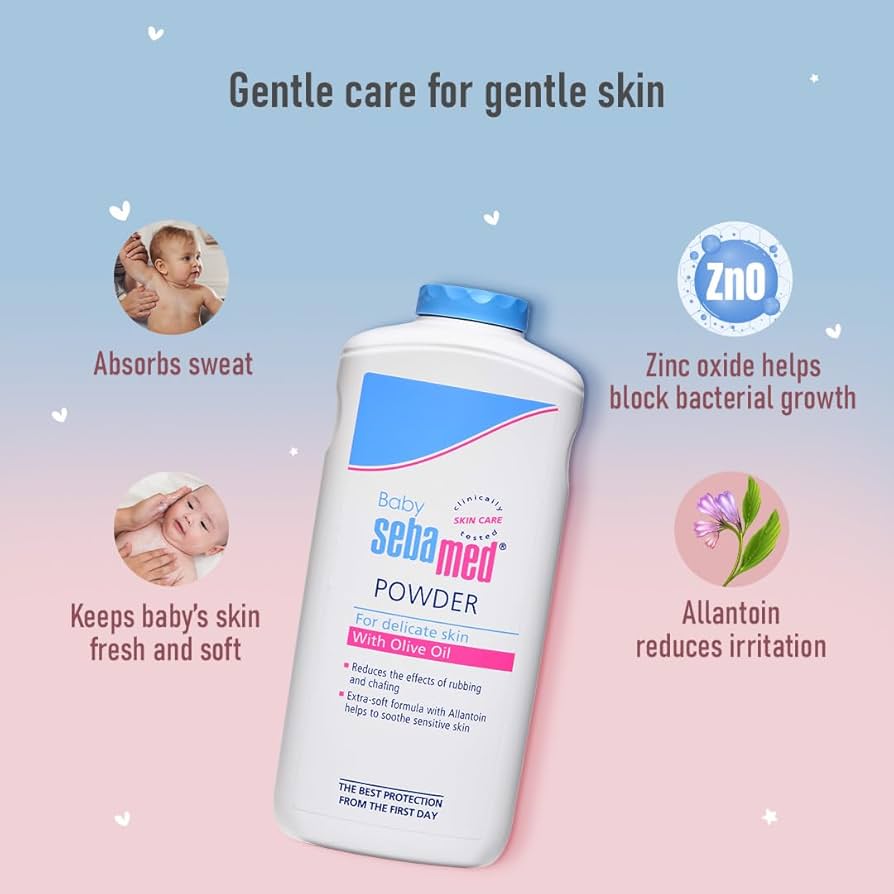
Sebamed Baby Powder with Cornstarch 400g
- ✓ Cornstarch-based formula
- ✓ pH 5.5 for sensitive skin
- ✓ Talc-free and fragrance-free
* We earn a small commission — at no extra cost to you.
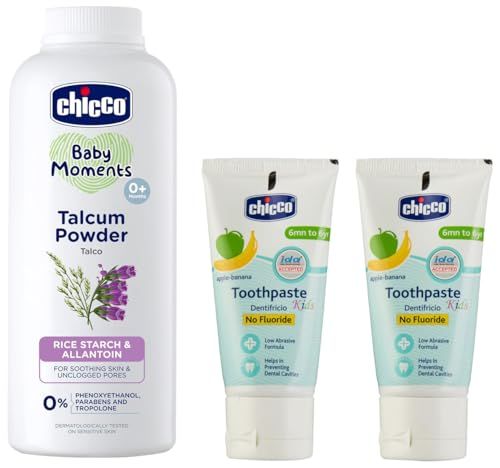
Chicco Baby Moments Talcum Powder 300g
- ✓ Contains zinc oxide
- ✓ Dermatologically tested
- ✓ Absorbs excess moisture
* We earn a small commission — at no extra cost to you.
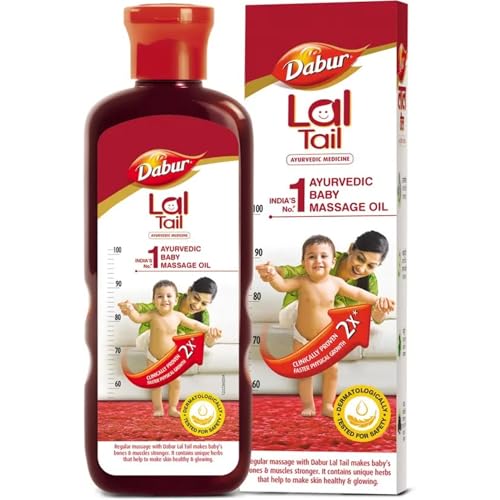
Dabur Lal Tail Ayurvedic Baby Massage Oil 50ml
- ✓ Traditional Ayurvedic formula
- ✓ Strengthens bones and muscles
- ✓ Improves skin barrier function
* We earn a small commission — at no extra cost to you.