baby talcum powder for my firstborn three years ago, what I discovered made me put that iconic bottle right back on the shelf.
The truth about baby talcum powder is something
every Indian parent needs to know, especially since we've been using it for generations without questioning its safety.
The reality is that baby talcum powder, particularly those containing talc, poses genuine health risks that far outweigh any perceived benefits. From respiratory issues caused by inhaling fine particles to the terrifying possibility of asbestos contamination, the concerns are real and backed by medical evidence. Yet walk into any baby store in Mumbai, Delhi, or Bengaluru, and you'll still see shelves lined with talcum powder marketed as essential for newborn care.
📧
Get price drop alerts for baby products!
Join 10,000+ Indian parents — free weekly deals in your inbox.
This article isn't about fear-mongering. It's about giving you the facts so you can make informed decisions for your little oneyour little oneyour little oneyour little oneyour little oneyour little oneyour little oneyour little oneyour little oneyour little oneyour little oneyour little oneyour little oneyour little oneyour little oneyour little oneyour little oneyour little one. We'll explore why talcum powder became so popular in India, what the actual risks are, the regulatory gaps that should concern us, and most importantly-what works better for managing prickly heat, diaper rash, and those sticky summer months without putting your baby at risk.
The Real Risks of Baby Talcum Powder
Talcum powder is made from talc, a mineral composed of magnesium, silicon, and oxygen. In its natural form, talc sometimes contains asbestos, a known carcinogen. While cosmetic-grade talc is supposed to be asbestos-free, the mining and processing create genuine contamination risks that even major brands have struggled to eliminate completely.
Respiratory Hazards from Inhalation
The most immediate danger is what happens when babies breathe in talcum powder. Those ultra-fine particles become airborne incredibly easily-every diaper change, every time you pat powder on baby's skin, every time your little one kicks their legs. These microscopic particles can be inhaled deep into tiny lungs.
When I spoke with Dr. Sharma at a pediatric clinic in Pune, she told me she sees cases of respiratory distress in infants every summer, many linked to powder use. The Indian Academy of Pediatrics has cautioned against using talcum powder on babies for exactly this reason. Inhaled talc particles can cause:
- Acute respiratory distress and difficulty breathing
- Aspiration pneumonitis if inhaled in significant quantities
- Long-term lung irritation and potential scarring
- Choking or coughing episodes during application
- Exacerbation of existing respiratory conditions like asthma
Think about how often powder puffs up in a cloud when you open the bottle or shake it onto your palm. Babies naturally squirm during diaper changes, and their faces are often just inches away from where you're applying powder. It's nearly impossible to use talcum powder without your baby inhaling some of it.
Contamination Concerns and the Johnson's Controversy
You've probably heard about the Johnson & Johnson lawsuits. In 2020, the company faced thousands of lawsuits in the United States alleging their talc-based baby powder contained asbestos and caused cancer. While J&J denied wrongdoing, they discontinued talc-based baby powder in the US and Canada in 2020, replacing it with cornstarch-based formulas.
Here's what concerns me as an Indian parent: that same talc-based powder continued to be sold in India and other markets for years afterward. Only in 2023 did Johnson & Johnson announce they would discontinue talc-based baby powder globally. This raises uncomfortable questions about double standards and whether regulatory oversight in India is as stringent as it should be.
Independent testing by organizations in the US found asbestos contamination in some talc-based products. The amounts were small, but there is no safe level of asbestos exposure, especially for babies whose cells are rapidly dividing and developing. Even trace contamination is unacceptable when we're talking about products used daily on infants.
Indian Regulatory Gaps
The Bureau of Indian Standards (BIS) does have specifications for talcum powder, but enforcement and testing frequency remain concerns. Unlike pharmaceuticals which undergo rigorous testing, cosmetic products including baby powder face less stringent oversight. Random market surveillance has occasionally found products that don't meet BIS standards, but there's no mandatory testing before products hit shelves in stores across Chennai, Jaipur, or Lucknow.
The lack of mandatory disclosure about talc sources, processing methods, and contamination testing means we're essentially trusting manufacturers at their word. For something used on our babies daily, that's not good enough.
Why We Ever Used Baby Powder in the First Place
Before we talk about alternatives, it's worth understanding why baby powder became so ubiquitous in Indian households. Our parents and grandparents weren't wrong to use it-they were working with the information and options available at the time.
Baby powder was marketed as essential for:
- Preventing diaper rash: By keeping the diaper area dry and reducing friction
- Managing prickly heat: Absorbing excess moisture during hot, humid Indian summers
- Preventing skin chafing: In neck folds, underarms, and thighs where baby skin rubs together
- Post-bath care: Keeping baby feeling fresh and smelling clean
The intention was always good. Indian summers are brutal, especially in cities like Delhi and Lucknow where temperatures soar above 45 degrees. Babies do develop heat rashes and their skin folds do need care. Powder seemed like a simple, affordable solution that had worked for generations.
But now we know better. We have safer alternatives and better understanding of infant skin care. What made sense in 1970 doesn't have to be what we do in 2024.
Safer Alternatives to Talcum Powder
The good news is you have several options that provide similar benefits without the risks. Let me walk you through what actually works, based on both pediatric recommendations and my own experience through two Indian summers with a baby.
Cornstarch-Based Dusting Powders
If you really want to use a powder, cornstarch-based options are significantly safer than talc. Cornstarch is a food-grade ingredient that's gentle on skin and, while you still shouldn't encourage your baby to inhale it, it doesn't carry the same serious respiratory risks as talc.
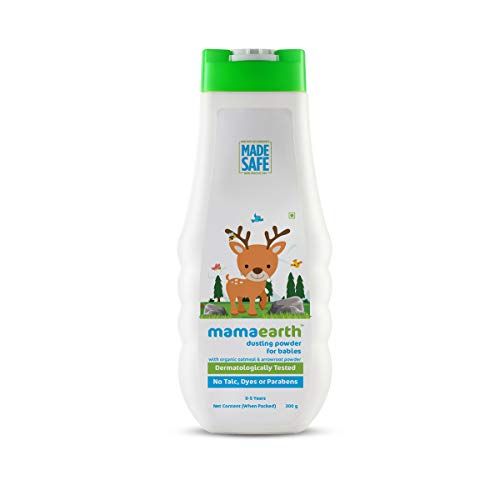
Mamaearth Dusting Powder (Rs. 299 for 150g) is made with cornstarch, arrowroot powder, and oatmeal. It's talc-free, and the natural ingredients actually soothe skin rather than just sitting on the surface. I've used this during the hot months, applying it sparingly with my hand rather than puffing it from the bottle. The arrowroot powder absorbs moisture effectively, and the oatmeal helps with any minor irritation.
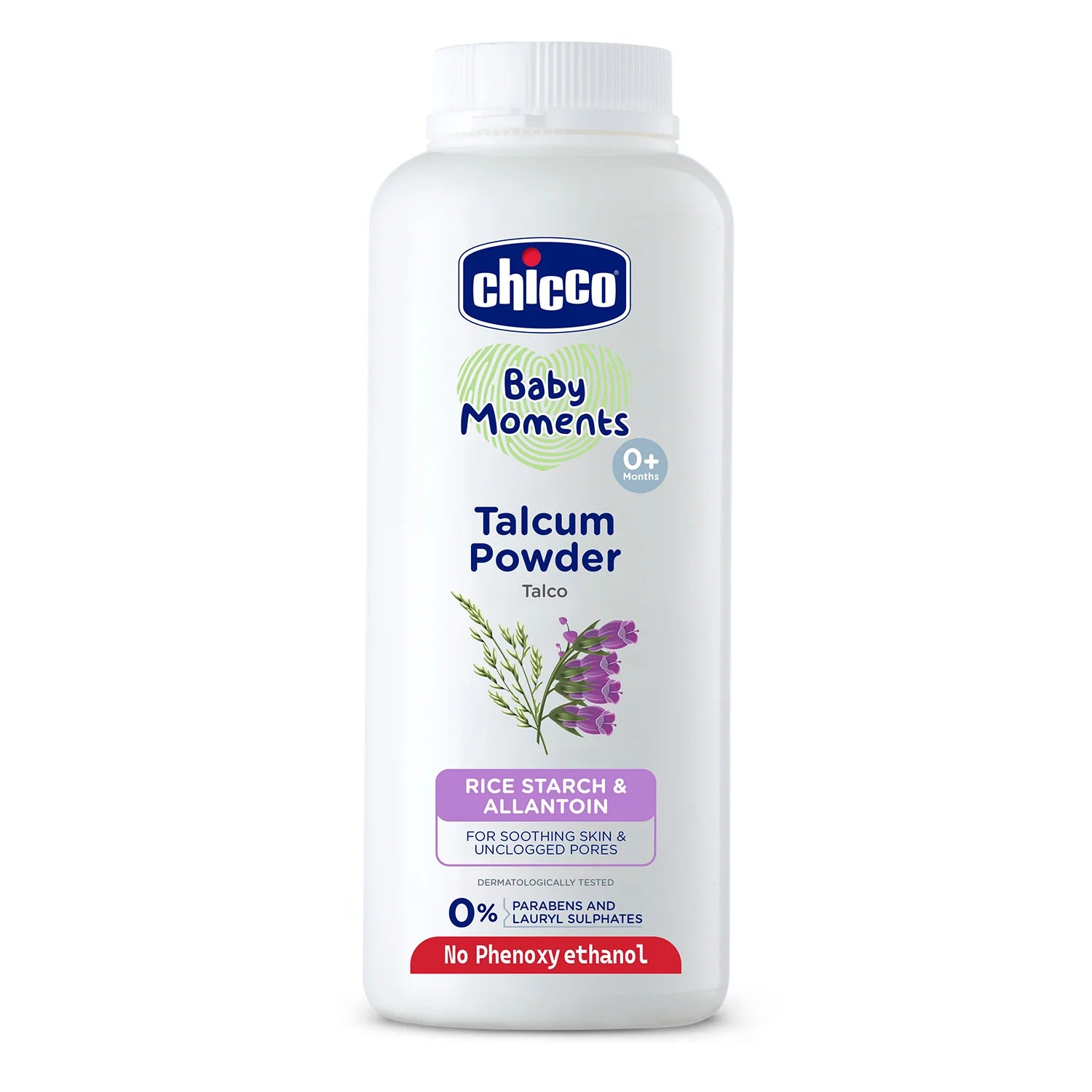
Chicco Baby Moments Powder (Rs. 275 for 150g) is another talc-free option that's been around for years. Chicco reformulated to remove talc, and their cornstarch-based powder has a light, pleasant fragrance without being overwhelming. It works well for neck folds and areas prone to chafing.
Even with these safer powders, use them correctly: Apply a small amount to your hands first, then gently pat onto dry skin. Never shake powder near baby's face. Keep the container closed and away from baby's reach. And honestly, use powder sparingly-you need way less than you think.
The Better Option: Skip Powder Entirely
Most pediatricians I've consulted, including experts following IAP guidelines, now recommend avoiding powder altogether. Modern baby skin care has moved toward barrier creams and proper hygiene rather than absorbent powders.
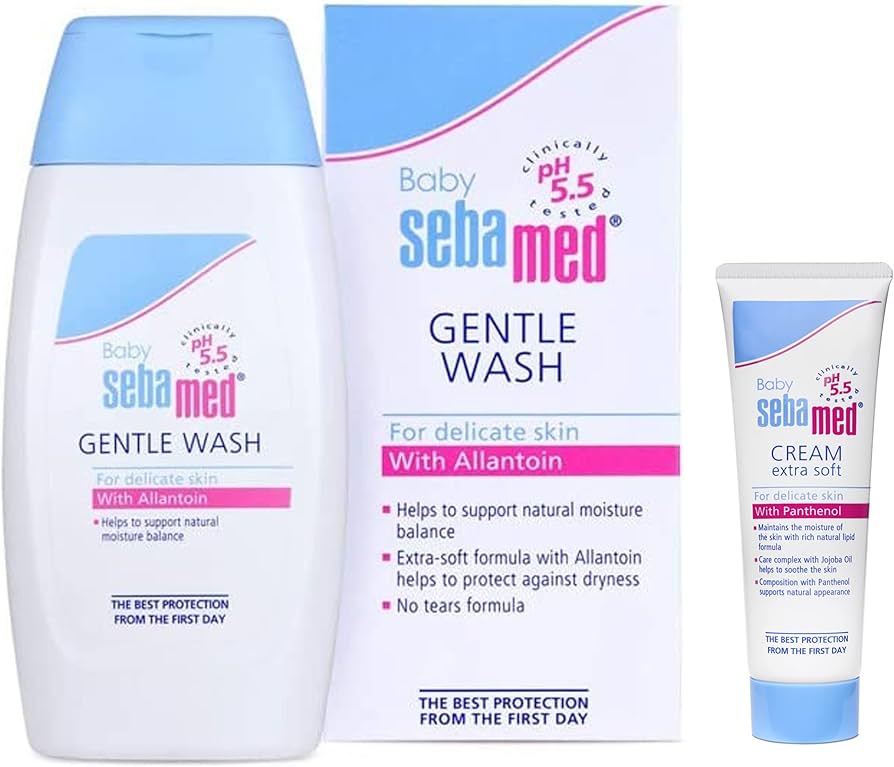
Sebamed Baby Cream (Rs. 549 for 200ml) has been a complete game-changer for us. This German brand is widely available on Amazon.in and in stores across Bengaluru and Mumbai. With a pH of 5.5 that matches baby skin, it creates a protective barrier without clogging pores. I apply a thin layer after bath and before bedtime, focusing on areas prone to rashes.
For the diaper area specifically, a good barrier cream applied at every change works far better than powder ever did. Powder can actually cake up with moisture and urine, creating lumps that irritate skin further. A cream designed for diaper rash prevention keeps skin protected and moisturized.
Managing Prickly Heat Without Powder
Prickly heat (miliaria) is the main reason Indian parents reach for powder, especially during April through July. But powder just masks the problem temporarily-it doesn't actually help the blocked sweat ducts that cause prickly heat.
What actually works:
- Keep baby cool: Dress them in loose, breathable cotton clothing. One layer is usually enough, even if your mother-in-law insists otherwise
- Frequent cool baths: Two to three quick baths daily during heat waves help keep skin clear. No soap needed for every bath
- Air conditioning or coolers: When possible, keep baby's room temperature comfortable. Overheating is the real culprit
- Pat dry thoroughly: Pay special attention to skin folds-neck, armpits, groin, behind knees. Trapped moisture causes problems
- Diaper-free time: Let baby's bottom breathe for 20-30 minutes multiple times daily. Use a waterproof mat underneath
I was skeptical about the no-powder approach before trying it, but honestly, my second child had far less heat rash than my first, and the only difference was eliminating powder and focusing on keeping her cool and dry through clothing and temperature control.
Better Summer Rash Prevention Strategies
Beyond just avoiding powder, let's talk about comprehensive strategies for keeping your baby's skin healthy through Indian summers, whether you're in humid Chennai or dry Delhi.
Fabric Choices Matter More Than Powder
The single most effective change we made was switching exclusively to cotton clothing during hot months. Those adorable synthetic rompers trap heat and moisture against baby's skin, creating the perfect environment for rashes. Cotton muslin, mulmul, or regular cotton allows air circulation and wicks moisture away naturally.
For diapers, consider cloth diapers during daytime hours at home if you have help with laundry. Modern cloth diapers with breathable covers are nothing like the langots our grandmothers used. They allow much better air circulation than disposables. If you're using disposables, change them more frequently during summer-every 2-3 hours even if they don't seem full.
Hydration and Environment
Well-hydrated skin is healthy skin. If you're breastfeeding, that's usually sufficient, but offer feeds more frequently during heat. For older babies, small amounts of water as recommended by your pediatrician keep internal hydration optimal, which reflects in skin health.
Room temperature matters enormously. We use an AC set to 24-25 degrees at night, which makes a huge difference in sleep quality and skin health. Even a fan creating air movement helps, though direct fan air on baby's body isn't recommended for newborns.
Bath Time Best Practices
During summer, a lukewarm bath twice daily helps, but skip soap for the second bath. Soap strips natural oils that protect skin. After bath, pat dry gently-rubbing creates friction that irritates delicate skin. Pay special attention to skin folds where moisture gets trapped.
Let baby air dry for a few minutes before putting on clothes or diaper. This is the perfect time for that diaper-free period I mentioned. The natural air circulation does more for preventing rashes than any powder could.
What Paediatricians Say
Indian pediatricians have increasingly moved away from recommending talcum powder for infant care. The Indian Academy of Pediatrics advises against using powder due to inhalation risks, especially in babies under six months whose respiratory systems are still developing. WHO guidelines on infant skin care emphasize that healthy baby skin needs minimal intervention-gentle cleaning, thorough drying, and protection from extreme temperatures are usually sufficient.
According to pediatric dermatologists, the baby care industry has historically oversold the need for multiple products. Baby skin is actually more resilient than we give it credit for when we provide the right environment. The focus should be on:
- Prevention through appropriate clothing and temperature control rather than treating problems with products after they occur
- Barrier protection in high-friction areas using creams rather than absorbent powders that can cake and irritate
- Minimal product use overall since babies' skin has a naturally balanced pH and microbiome that excessive products can disrupt
What to Do If You're Already Using Talcum Powder
If you've been using talcum powder on your baby, please don't panic. First, check whether it's talc-based or cornstarch-based-many Indian brands have quietly reformulated in recent years. If it's talc-based, simply stop using it and transition to one of the alternatives mentioned above.
Your baby has not been permanently harmed by past powder use. The risks I've discussed are about ongoing exposure and cumulative effects. Moving to safer practices now is what matters. If you notice any respiratory symptoms-persistent coughing, wheezing, difficulty breathing-do consult your pediatrician, but isolated powder exposure typically doesn't cause lasting damage.
The bigger challenge might be family members, particularly grandparents who swear by powder because they raised healthy children using it. I get it-my own mother was initially hurt when I explained why we weren't using it. Frame it as new information rather than criticism of past choices. Share articles, show them the WHO and IAP recommendations, and emphasize that you're making decisions based on current evidence, just as they did what doctors recommended in their time.
The Bottom Line on Baby Powder
Baby talcum powder is one of those products that seemed essential for generations but turns out to be unnecessary at best and risky at worst. The inhalation hazards, contamination concerns, and regulatory gaps in India make talc-based powder something I simply can't recommend to fellow parents.
If you absolutely want to use a powder, choose cornstarch-based options like Mamaearth or Chicco, and use them sparingly and carefully. But honestly, the better approach is to skip powder entirely and focus on what actually prevents skin problems: appropriate clothing, temperature management, thorough drying, diaper-free time, and good barrier creams when needed.
Your baby's skin doesn't need a cabinet full of products. It needs you to understand how it works and what environment helps it stay healthy. Sometimes the best product decision is deciding not to buy something at all. In the case of talcum powder, that's exactly what I recommend.
Indian summers are challenging, and I know you're looking for anything that makes your baby more comfortable. But comfort doesn't have to come with risk. The alternatives I've shared work just as well-actually better, in my experience-without the concerns that should make any parent think twice about that traditional powder bottle.