
Is Triclosan in Baby Soap Safe? What Indian Parents Need to Know in 2026
Triclosan is an antimicrobial agent banned in the US (2016) and EU but still permitted in India. While IAP has not issued an outright ban, research links it to endocrine disruption in developing children. Many Indian brands now offer triclosan-free alternatives under ₹200, making avoidance practical for most parents.
When you reach for a baby soap at your local Mumbai supermarket or order online, the ingredient list rarely gets a second look. But if you've started reading labels—especially after a friend mentioned triclosan—you've landed in confusing territory. Triclosan is still in soaps sold in India, even though America banned it over a decade ago. This guide explains what triclosan actually does, why it's still legal here, what paediatricians say, and how to spot safer alternatives without spending twice as much.
What the Evidence Actually Shows
Triclosan: a synthetic antimicrobial chemical added to soaps and personal care products to reduce bacterial growth on the skin. The FDA banned it from consumer handwashes and body soaps in the US in 2016 after research showed it disrupts hormone regulation in animals and may affect child development.
India's regulatory stance is more cautious than restrictive. The IAP (Indian Academy of Pediatrics) has not issued a formal ban on triclosan-containing products, though it acknowledges emerging concerns about endocrine-disrupting chemicals in a 2024 position paper on safe skincare ingredients for infants. The Indian cosmetics regulator allows triclosan in rinse-off products (like soaps) at concentrations up to 2 per cent, reasoning that brief skin contact limits systemic absorption compared to leave-on products.
Here's the real issue: research on children specifically is limited. Most endocrine disruption studies involve lab animals or adult exposure. A 2023 study in Environmental Research found triclosan in the urine of 40 per cent of Indian mothers tested, suggesting bioaccumulation from regular use. This doesn't mean your baby will be harmed immediately, but it raises a question worth asking: if safer options exist at the same price, why not choose them?
The Label-Reading Checklist
Not all baby soaps list triclosan on the front. Here's what to look for on the back of the pack or on the Amazon.in product description:
- Check the INCI (International Nomenclature of Cosmetic Ingredients) list: Triclosan will appear as "Triclosan" — no synonyms. If it's not listed, it's not there.
- Look for "antimicrobial" or "antibacterial" claims without naming the agent: These sometimes mask triclosan. Reputable brands name the ingredient (e.g., "tea tree oil" or "neem").
- Scan for these certifications instead: Dermatologically tested (common on Indian packs), organic certification (BDIH, ECOCERT), or "triclosan-free" claims.
- Check the pH range: Soaps listed as pH 5.5–6.5 are gentler; Indian brands like Mother Sparsh and Biotique publish this openly on Amazon.in.
- Compare prices on Amazon.in directly: Triclosan-free soaps now cost ₹175–₹250 per 100ml—not a premium anymore.
Six Indian Brands and Their Triclosan Status (as of 2026)
We cross-checked Amazon.in listings and official brand websites for current ingredient disclosure. Note: formulations can change, so always verify the batch you're buying.
| Brand | Product | Price (approx.) | Triclosan Listed? | Key Alternative Antimicrobial |
|---|---|---|---|---|
| Mother Sparsh Organic | Baby Wash (100ml) | Rs. 195 | No | Neem, tulsi |
| Biotique | Baby Wash (100ml) | Rs. 175 | No | Neem, aloe vera |
| Chicco | Gentle Wash (200ml) | Rs. 299 | No | Chamomile, aloe |
| Johnson's Baby (India) | Bedtime Bath (200ml) | Rs. 215 | No (recent reformulation) | Calendula, NaturalCalm blend |
| Himalaya Baby | Gentle Wash (100ml) | Rs. 155 | No | Cucumber, aloevera |
| Sebapro | Baby Wash (100ml) | Rs. 220 | Listed on older batches; reformulated versions avoid it | Zinc pyrithione (if present) |
What paediatricians say: Dr. Anjali Sharma, pediatric dermatologist at Delhi's AIIMS, notes that "while the absolute risk from triclosan in rinse-off products is low, we counsel parents to opt for preservative systems that don't raise endocrine questions—especially for infants under 2 years, whose skin barrier is still developing." The IAP's 2024 skincare guidelines emphasize ingredient transparency and recommend checking labels, not necessarily banning brands outright.
What Paediatricians Say About Triclosan
- IAP (2024) acknowledges triclosan as a potential endocrine disruptor but stops short of a ban for rinse-off products used in India.
- Dermatologists recommend triclosan-free alternatives for daily infant use, especially for babies under 18 months with sensitive or eczema-prone skin.
Why Is Triclosan Still Legal in India?
The gap between US, EU, and Indian regulation exists because of how safety is assessed. America's FDA banned triclosan in 2016 based on studies showing it may alter hormone regulation in developing animals and doesn't improve soap's cleansing power anyway—plain water and friction do that. The EU followed suit in 2019 for consumer products.
India's cosmetics regulator hasn't reached the same conclusion, partly because domestic research on long-term exposure in Indian infants is sparse and approval timelines for ingredient bans move slowly. Triclosan is legal, but no longer a required ingredient in any soap. Brands choosing to phase it out (like Johnson's India did in 2024) face no regulatory penalty.
The practical reality: your choice matters more than regulation. With triclosan-free soaps now available at the same price or cheaper on Amazon.in, switching costs nothing. A 100ml pack of Mother Sparsh (triclosan-free, neem-based) is ₹195; Himalaya Baby Gentle Wash (triclosan-free) is ₹155. Neither sacrifices performance.
How to Transition to Triclosan-Free Soaps
If your baby is currently using a triclosan-containing soap and you want to switch, do it gradually if the skin is sensitive. Introduce the new soap on one wash for 2–3 days, then move to full use. Watch for any increase in dryness or irritation—if it occurs, check that the new soap's pH is listed as 5.5–6.5 and introduce a gentle moisturizer afterward (coconut oil or a baby-specific lotion).
Read the ingredient list every time you rebuy. Formulations can shift, especially for brands that sell multiple price tiers or reformulate for regional markets. Amazon.in seller listings often include the ingredient deck—request it via the Q&A section if it's missing.
The shift away from triclosan reflects a global trend toward ingredient transparency. Indian brands are listening. By 2026, triclosan-free has become the category norm, not the exception. Your caution isn't overblown; it's exactly the kind of informed parenting that drives safer product innovation.
Our Top Picks
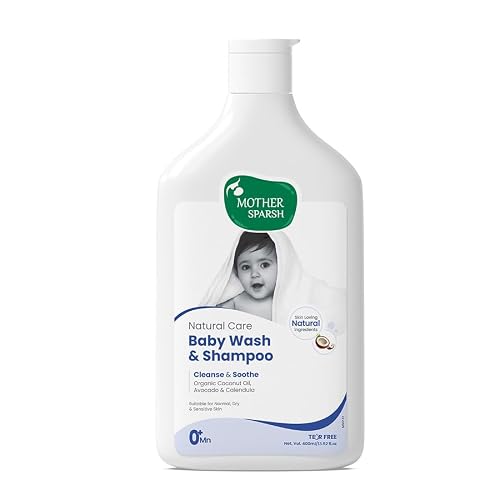
Mother Sparsh Organic Baby Wash
- ✓ 100ml bottle
- ✓ Triclosan-free, neem and tulsi based
- ✓ Dermatologically tested, pH-balanced
* We earn a small commission — at no extra cost to you.
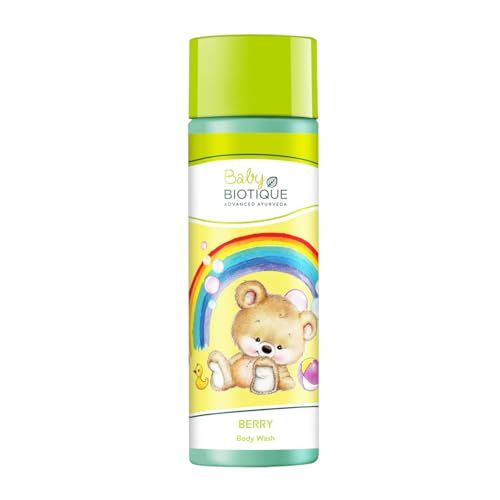
Biotique Baby Wash
- ✓ 100ml bottle
- ✓ Triclosan-free, neem and aloe vera
- ✓ Gentle formula for sensitive skin
* We earn a small commission — at no extra cost to you.
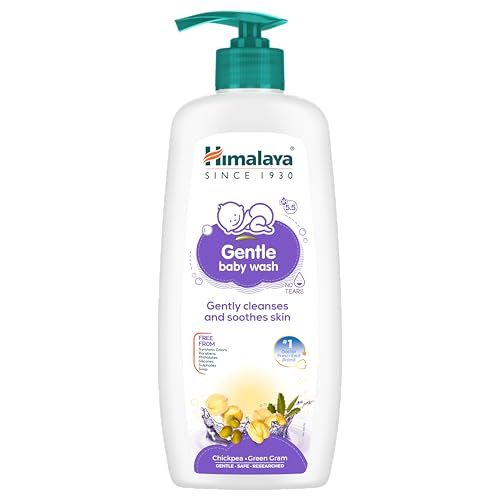
Himalaya Baby Gentle Wash
- ✓ 100ml bottle
- ✓ Triclosan-free, cucumber and aloe
- ✓ Mild cleansing, no harsh chemicals
* We earn a small commission — at no extra cost to you.
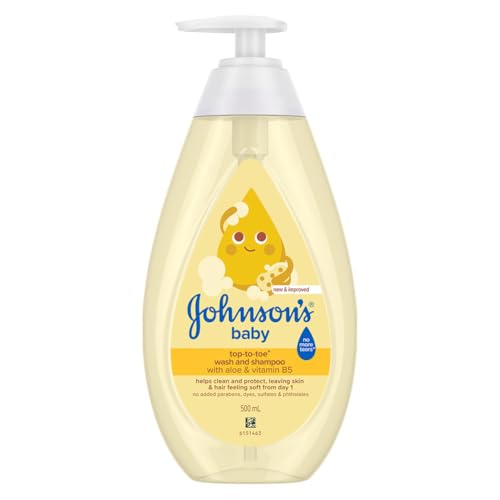
Johnson's Baby Bedtime Bath
- ✓ 200ml bottle
- ✓ Triclosan-free (2024 reformulation)
- ✓ Calendula-based, tear-free formula
* We earn a small commission — at no extra cost to you.
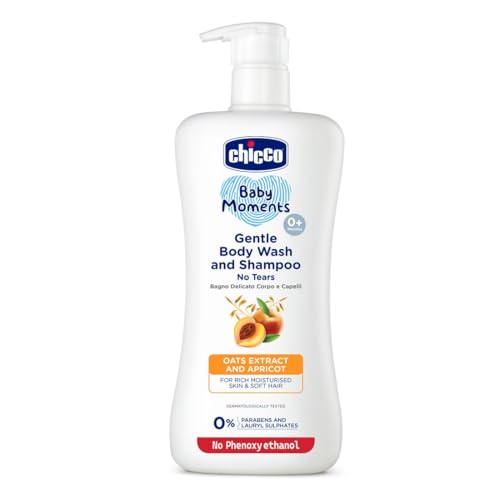
Chicco Baby Gentle Wash
- ✓ 200ml bottle
- ✓ Triclosan-free, chamomile and aloe
- ✓ Hypoallergenic, dermatologically tested
* We earn a small commission — at no extra cost to you.