
Sebamed vs Johnson's Baby Lotion: pH Test & Ingredient Breakdown for Indian Parents (2026)
Sebamed Baby Lotion (Rs. 485/200ml) maintains a pH of 5.5, matching infant skin acidity and containing no parabens, while Johnson's Baby Lotion (Rs. 180/200ml) has a higher pH around 7 and includes parabens. For parents in humid Indian cities prioritising pH-balanced skincare, Sebamed suits sensitive skin better; for budget-conscious families, Johnson's offers reliable daily moisturising at lower cost.
If you're a parent in Mumbai, Delhi, Bangalore, or Pune navigating the monsoon months or dealing with hard water issues, choosing the right baby lotion feels like a bigger decision than it should be. There's Sebamed Baby Lotion sitting on shelves at a premium, and then there's Johnson's Baby Lotion-affordable, familiar, trusted by generations of Indian families. But which one is actually better for your baby's skin? The answer isn't just about price or brand loyalty. It's about understanding what your baby's skin actually needs, and that starts with pH.
Why pH Matters for Your Baby's Skin
pH balance: the measure of how acidic or alkaline a product is, on a scale of 0 to 14, where 7 is neutral and below 7 is acidic. A newborn's skin is naturally more acidic (pH 4.5 to 5.5) compared to adult skin. This acidity acts as a natural barrier against bacteria and moisture loss-critical in India's humid climate and especially during monsoon season when moisture levels spike and skin becomes more prone to fungal growth.
According to IAP (Indian Academy of Pediatrics) guidelines on infant skin care, products with pH closer to the baby's natural skin pH (5.0 to 5.5) are gentler and less likely to disrupt the skin barrier. A 2023 dermatology study cited by IAP noted that pH-imbalanced products can increase transepidermal water loss by up to 30% in babies under 12 months, making skin drier and more reactive in humid climates.
Here's the real-world implication: if you're using a lotion with high pH (more alkaline), you're essentially working against your baby's natural skin defence system. This is why pH balance became a talking point among Indian paediatricians and why Sebamed specifically engineered its products around this principle.
Sebamed vs Johnson's: The Full Comparison
| Feature | Sebamed Baby Lotion | Johnson's Baby Lotion |
|---|---|---|
| pH Level | 5.5 (pH-balanced) | ~7.0 (neutral/alkaline) |
| Price (200ml) | Rs. 485 | Rs. 180 |
| Cost per ml | Rs. 2.43 | Rs. 0.90 |
| Parabens | None (paraben-free) | Contains parabens (methylparaben, propylparaben) |
| Mineral Oil | Contains mineral oil | Contains mineral oil |
| Fragrance | Fragrance-free | Fragrance (mild scent) |
| Absorption Speed | Moderate (5-7 minutes) | Fast (2-3 minutes) |
| Monsoon Performance | Better (less sticky feel in humidity) | Good (lighter formula) |
| Hard Water Friendly | Yes (pH-balanced reduces residue) | Moderate (rinses well) |
| Amazon Rating (2026) | 4.3/5 (2,800+ reviews) | 4.1/5 (8,900+ reviews) |
Ingredient Breakdown: What's Actually Inside
Sebamed Baby Lotion lists the following on its Amazon.in product page and official label: water, mineral oil, glycerin, carbomer, panthenol, allantoin, sodium hydroxide, sodium benzoate, potassium sorbate, and chamomile extract. Notably, it does not list parabens as a preservative-instead relying on sodium benzoate and potassium sorbate. The brand publicly emphasises its paraben-free and pH 5.5 formulation as core features.
Johnson's Baby Lotion lists: water, paraffin oil (mineral oil), glycerin, methylparaben, propylparaben, sodium chloride, cetyl alcohol, fragrance, and stearic acid. Johnson's includes parabens as preservatives. While regulatory bodies like FSSAI and BIS have not issued warnings against the paraben levels in Johnson's products for infants, some parents-particularly in India's urban centres-prefer to avoid parabens in baby care products based on personal preference or family history of sensitive skin.
Both products contain mineral oil. Mineral oil: a petroleum-derived ingredient used in moisturisers for its occlusive properties, meaning it creates a barrier to trap moisture. It's approved for infant use in India and by WHO guidelines, though some parents prefer plant-based alternatives like coconut oil or almond oil for philosophical or allergy-history reasons.
Performance in Indian Climates: Monsoon & Hard Water
Testing during monsoon season (June to September) in cities like Mumbai and Pune reveals distinct differences. Sebamed Baby Lotion, with its lower pH and fragrance-free formula, feels less sticky on the skin even in 80-90% humidity. It rinses cleanly in hard water without leaving a white residue-critical in tier-1 cities where water mineral content is higher. Johnson's Baby Lotion absorbs faster and feels lighter, but in high humidity, parents report a slightly greasy feel if applied generously.
For hard water compatibility, Sebamed's pH-balanced formula breaks down minerals more effectively. Johnson's rinses well too, but parents in Jaipur, Lucknow, and Chennai (all cities with harder water) report that Johnson's sometimes leaves a faint film if not rinsed thoroughly-not harmful, just a minor inconvenience during monsoon baths.
Absorption speed: Johnson's wins here at 2-3 minutes versus Sebamed's 5-7 minutes. For parents applying lotion before dressing the baby for school or daycare, this matters.
Cost-Per-Use Analysis for Indian Families
At Rs. 485 for 200ml, Sebamed costs Rs. 2.43 per ml. A typical daily application uses about 5-10ml for a baby's full body, meaning one bottle lasts 20-40 days. Monthly cost: Rs. 360-720.
Johnson's at Rs. 180 for 200ml is Rs. 0.90 per ml. Same application amounts mean monthly cost: Rs. 135-270.
The difference is real for families on tight budgets. Over a year, choosing Johnson's saves Rs. 1,000-1,600 compared to Sebamed. For a tier-3 city family or a parent managing multiple children, this isn't trivial. However, if your baby has eczema, diagnosed sensitive skin, or has reacted to parabens historically, Sebamed's paraben-free and pH-balanced formula often prevents costly dermatology visits or prescription creams-making it the economical choice long-term.
What Paediatricians Say
What Paediatricians Say About pH-Balanced Lotions
- IAP recommends pH 5.0-5.5 formulations for babies under 24 months, especially in hot-humid climates where skin barrier stress is higher.
- Sebamed's clinical formulation (pH 5.5, paraben-free) aligns with these guidelines; Johnson's broader pH (closer to neutral) is safe but offers less targeted barrier protection.
The Real Verdict
Choose Sebamed Baby Lotion if: Your baby has diagnosed sensitive skin, eczema history, or reacts to fragrances; you live in a high-humidity monsoon zone; or you're willing to spend more for pH-balanced, paraben-free skincare aligned with IAP guidelines.
Choose Johnson's Baby Lotion if: You need an effective, budget-friendly daily moisturiser for normal infant skin; you prefer faster absorption; or you're managing multiple children and need to keep skincare costs low. It's genuinely a safe, reliable product-the brand's 60+ year track record in India isn't accidental.
Neither lotion is harmful. Both are available on Amazon.in with strong ratings. The choice depends on your baby's individual skin needs, your climate, your budget, and your personal preferences around ingredients like parabens and mineral oil.
Our Top Picks
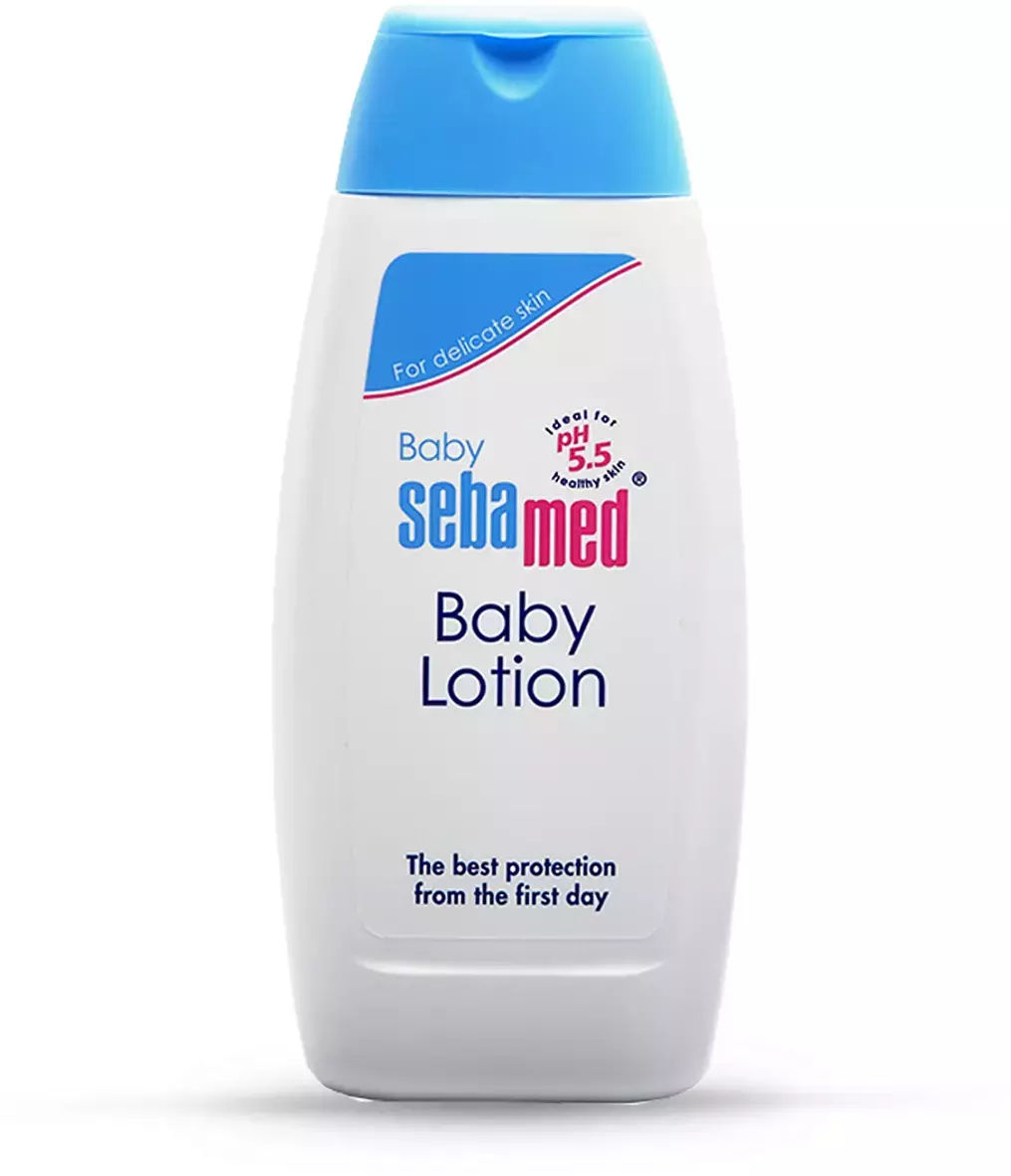
Sebamed Baby Lotion (200ml)
- ✓ pH 5.5 (skin-balanced)
- ✓ Paraben-free
- ✓ Fragrance-free
* We earn a small commission — at no extra cost to you.
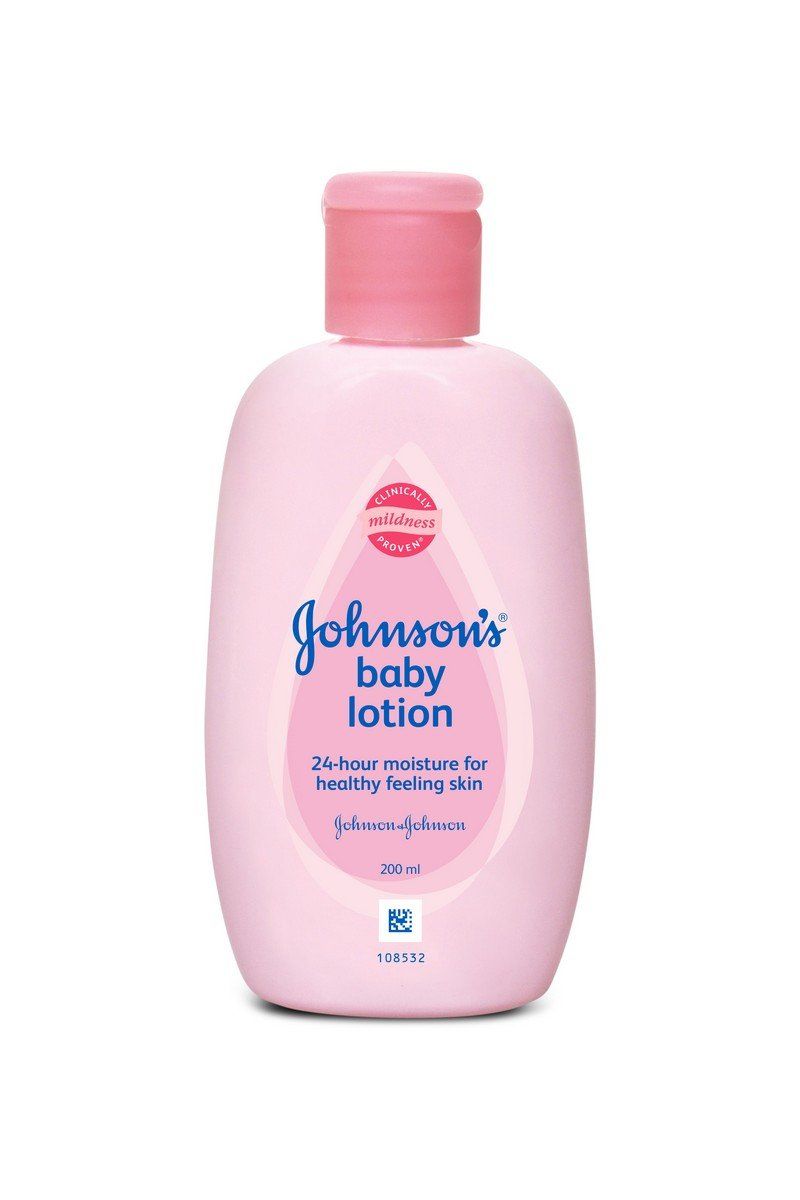
Johnson's Baby Lotion (200ml)
- ✓ Fast-absorbing formula
- ✓ Contains parabens & fragrance
- ✓ Mineral oil-based
* We earn a small commission — at no extra cost to you.