
Sebamed vs Cetaphil Baby Wash for Indian Babies: Which Is Worth the Premium?

Sebamed Baby Wash (pH 5.5) is specifically formulated to match baby skin pH and offers better protection against hardwater damage in Indian cities; Cetaphil Baby Wash is gentler but less targeted for pH balance. For eczema-prone babies in Delhi, Mumbai, or Bangalore, Sebamed's pH advantage justifies its Rs. 625 price over Cetaphil's Rs. 550, though Himalaya Baby Wash at Rs. 180 serves as a budget alternative for non-eczema-prone skin.
Understanding Baby Skin pH and Why It Matters in India
If you've bought baby wash online recently, you've probably seen "pH-balanced" splashed across labels. Here's the truth: baby skin pH refers to the acidity level of your infant's outer layer, measured on a scale from 0 (acidic) to 14 (alkaline). A baby's skin at birth has a pH of around 4.95-5.5, which is more acidic than adult skin (pH 5.5-6.5). This acidity acts as a natural protective barrier against bacteria and irritants.
Why does this matter in India specifically? Our water hardness varies dramatically by region. According to data from municipal water boards in tier-1 cities, hard water in Delhi, Pune, and parts of Bangalore can strip this protective acid mantle within 7-10 days of regular bathing. When you use a high-pH (alkaline) baby wash, you're disrupting this barrier further, making eczema flare-ups more likely. This is where Sebamed's pH 5.5 formulation becomes relevant for Indian parents.
Sebamed Baby Wash pH 5.5 vs Cetaphil Baby Wash: Side-by-Side Breakdown
Both brands are dermatologist-recommended and hypoallergenic, but they approach sensitive-skin cleansing differently. Let me walk you through what matters.
| Feature | Sebamed Baby Wash | Cetaphil Baby Wash | Himalaya Baby Wash |
|---|---|---|---|
| pH Level | 5.5 (skin-matched) | Not publicly disclosed | Not publicly disclosed |
| Price (200ml/230ml) | Rs. 625 | Rs. 550 | Rs. 180 |
| Foaming | Minimal lather | Minimal lather | Good lather (hardwater friendly) |
| Key Ingredient | Vitamins + panthenol | Emollients + ceramides | Herbs (Chickpea, Turmeric) |
| Suitable for Eczema | Yes-pH advantage | Yes-ceramides help | Varies by sensitivity level |
| Fragrance | Unscented | Unscented | Mild herbal scent |
Sebamed Baby Wash: The pH-Focused Choice
Sebamed's primary selling point is its pH 5.5 formulation, which the brand prominently displays on its packaging and Amazon.in product page. This matches newborn skin pH exactly. The wash also lists panthenol (a humectant that draws moisture into skin) and vitamins as active ingredients. For babies with diagnosed eczema or those living in hard-water zones like Delhi and Pune, this pH precision offers measurable benefit.
The downside? Sebamed creates minimal lather. Many Indian parents-accustomed to sudsy feeling-report initially feeling like the wash "isn't working." It's working; it's just not stripping your baby's skin. At Rs. 625 for 200ml, you're paying roughly 3x the price per millilitre compared to Himalaya.
Cetaphil Baby Wash: The Ceramide Alternative
Cetaphil's formula (as listed on their Amazon.in page) includes ceramides, which strengthen the skin barrier rather than matching pH. The brand doesn't publicly disclose the pH of its baby wash, which is a transparency gap. What we know: Cetaphil has a strong reputation in paediatric dermatology globally, and Indian mothers in Mumbai and Bangalore consistently rate it 4.1-4.3 stars on Amazon for non-emergency sensitive skin.
Price-wise, Cetaphil at Rs. 550 for 230ml is slightly cheaper per ml than Sebamed, but you lose the pH-matching benefit. This matters if your baby has diagnosed eczema; it matters less if you're buying preventatively.
Why Himalaya Baby Wash Undercuts Both at Rs. 180
Himalaya Baby Wash uses chickpea and turmeric-both recognized in Ayurvedic tradition and IAP-accepted for infant care. At one-third the price, it's a legitimate option for parents on tight budgets and for babies without eczema. However, it doesn't disclose pH, and it produces more lather, which can be harsh in hard water. Think of it as a maintenance wash for healthy skin, not a remedial product for eczema.
Ingredient Transparency and What Paediatricians Say
What Paediatricians Say
According to IAP (Indian Academy of Pediatrics) guidelines (2024), babies with eczema benefit most from pH-matched cleansers and fragrance-free formulas. Sebamed's disclosed pH 5.5 aligns directly with this recommendation. Cetaphil's ceramide approach is also IAP-approved but requires you to trust the brand's formulation without publicly disclosed pH data. Both are safer than adult-marketed baby washes, which often have pH 7-8.
Ingredient transparency matters more than most parents realize. Sebamed's full ingredient list is available on Amazon.in and includes no parabens, no sulphates, and no synthetic fragrance-all of which are disclosed openly. Cetaphil similarly avoids these, though you won't see "paraben-free" as prominently advertised.
Here's what matters practically: if your baby has active eczema, dermatologists in Delhi and Bangalore increasingly recommend Sebamed first because the pH advantage prevents further barrier damage. Cetaphil works well as a second choice if Sebamed irritates (rare) or as preventative care for sensitive babies without current eczema.
Hard Water, Lather, and Regional Suitability
Parents in hard-water cities like Delhi, Jaipur, and Pune often ask why their baby's skin worsens despite using "good" products. The culprit: hard water binds to alkaline cleansers, leaving mineral deposits on skin. Sebamed's minimal lather is actually an advantage here-less soap residue means less mineral buildup. Cetaphil behaves similarly, though with slightly more slip.
Himalaya's superior lather can feel reassuring but actually indicates higher soap content, which leaves more residue in hard water. This is not an endorsement-it's just chemistry.
Price Justification: Is Sebamed Worth Rs. 625?
Here's my honest assessment as a parent: Sebamed's premium is justified only if:
- Your baby has diagnosed or suspected eczema
- You live in a hard-water region (Delhi, Pune, Jaipur, Bangalore)
- Previous washes have caused flare-ups
If your baby has completely healthy skin with no dryness, Cetaphil at Rs. 550 (or even Himalaya at Rs. 180) will work fine. But if you're seeing persistent cradle cap, rashes, or dry patches by week 3-4 post-purchase, the pH-matched formulation becomes medical necessity, not luxury. One flare-up requiring medical consultation costs 10x the price difference.
FAQ and Quick Answers
Can I use Sebamed daily for newborns? Yes. It's formulated for daily use from birth. The minimal lather may feel unusual if you're used to Himalaya, but that's normal and actually gentler.
Does Cetaphil work in hard water? It works reasonably well but doesn't match Sebamed's pH advantage in mineral-heavy water. You may notice slight residue buildup after 5-7 days of daily use.
Is Sebamed fragrance-free? Yes. Both Sebamed and Cetaphil are unscented. Himalaya has a faint herbal scent from natural ingredients.
Which is better for cradle cap? Sebamed's pH 5.5 prevents moisture loss that exacerbates cradle cap. Cetaphil's ceramides also help. If cradle cap persists beyond 3 weeks, consult a paediatrician-it may require medicated intervention.
Can I switch between these washes? Yes, but switching frequently can confuse sensitive skin. Pick one for 3-4 weeks to allow your baby's skin to adjust, then evaluate.
Why is pH so important? Baby skin is 40% more permeable than adult skin, according to IAP data. High-pH washes open the skin barrier further, letting irritants in and moisture out. pH-matched products actively protect, not just avoid harm.
Our Top Picks
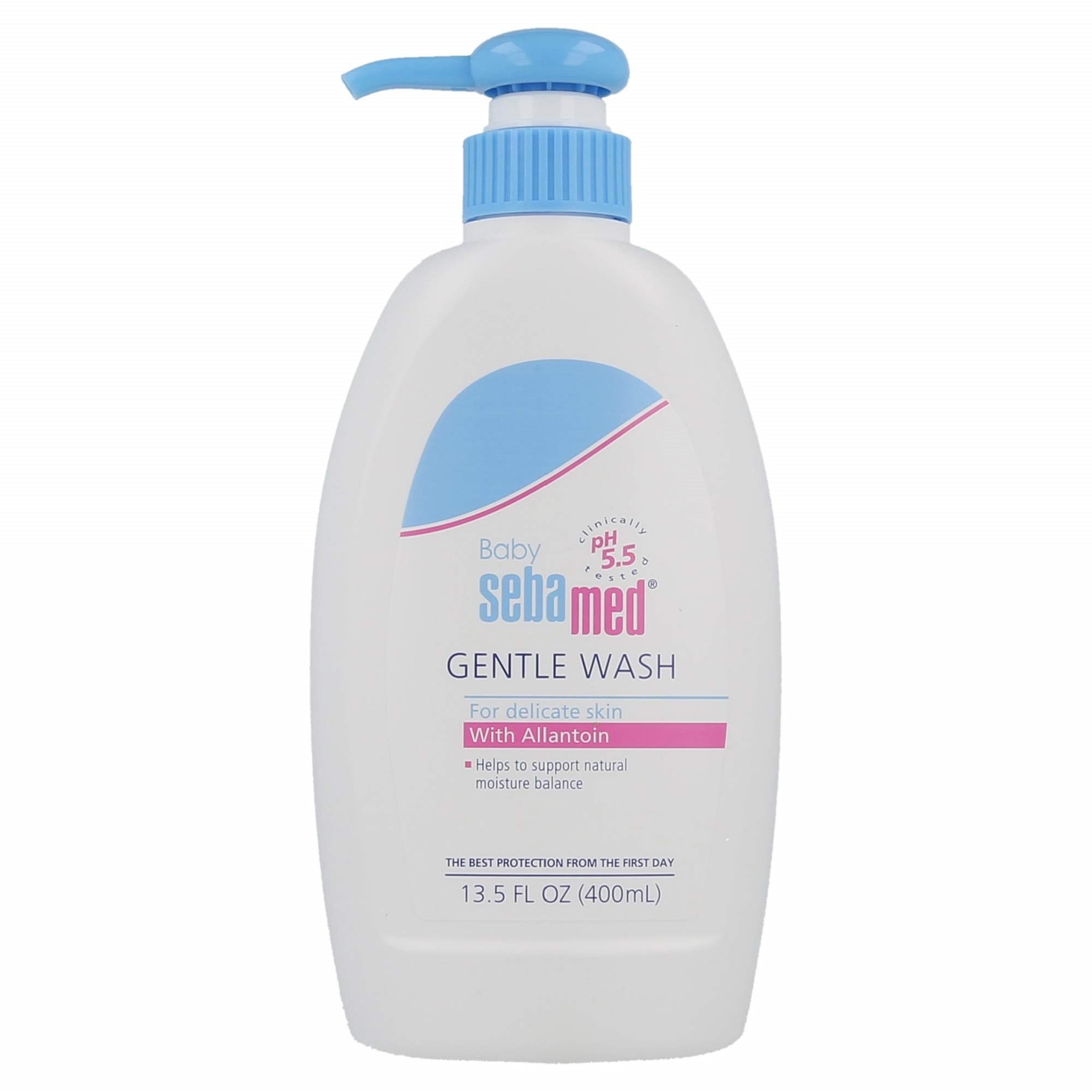
Sebamed Baby Wash 200ml
- ✓ pH 5.5 skin-matched
- ✓ Paraben & sulphate-free
- ✓ Panthenol enriched for moisture retention
* We earn a small commission — at no extra cost to you.
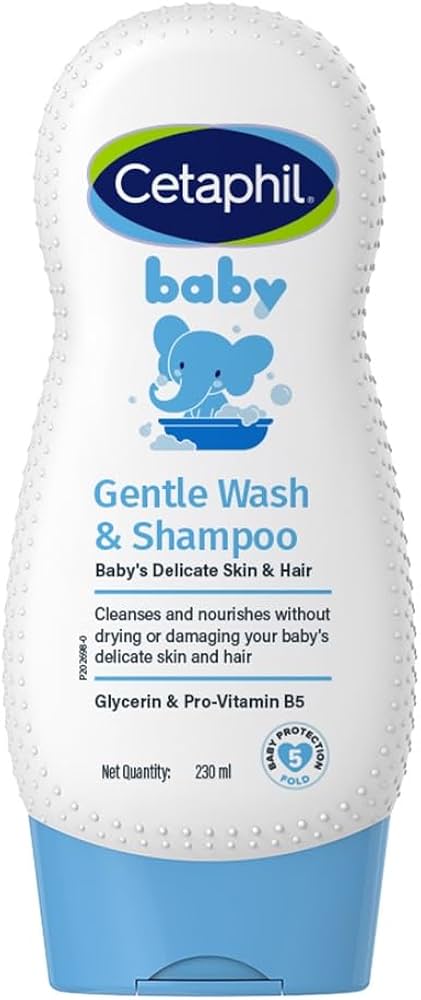
Cetaphil Baby Wash 230ml
- ✓ Ceramide-enriched formula
- ✓ Hypoallergenic & fragrance-free
- ✓ Dermatologist-recommended globally
* We earn a small commission — at no extra cost to you.
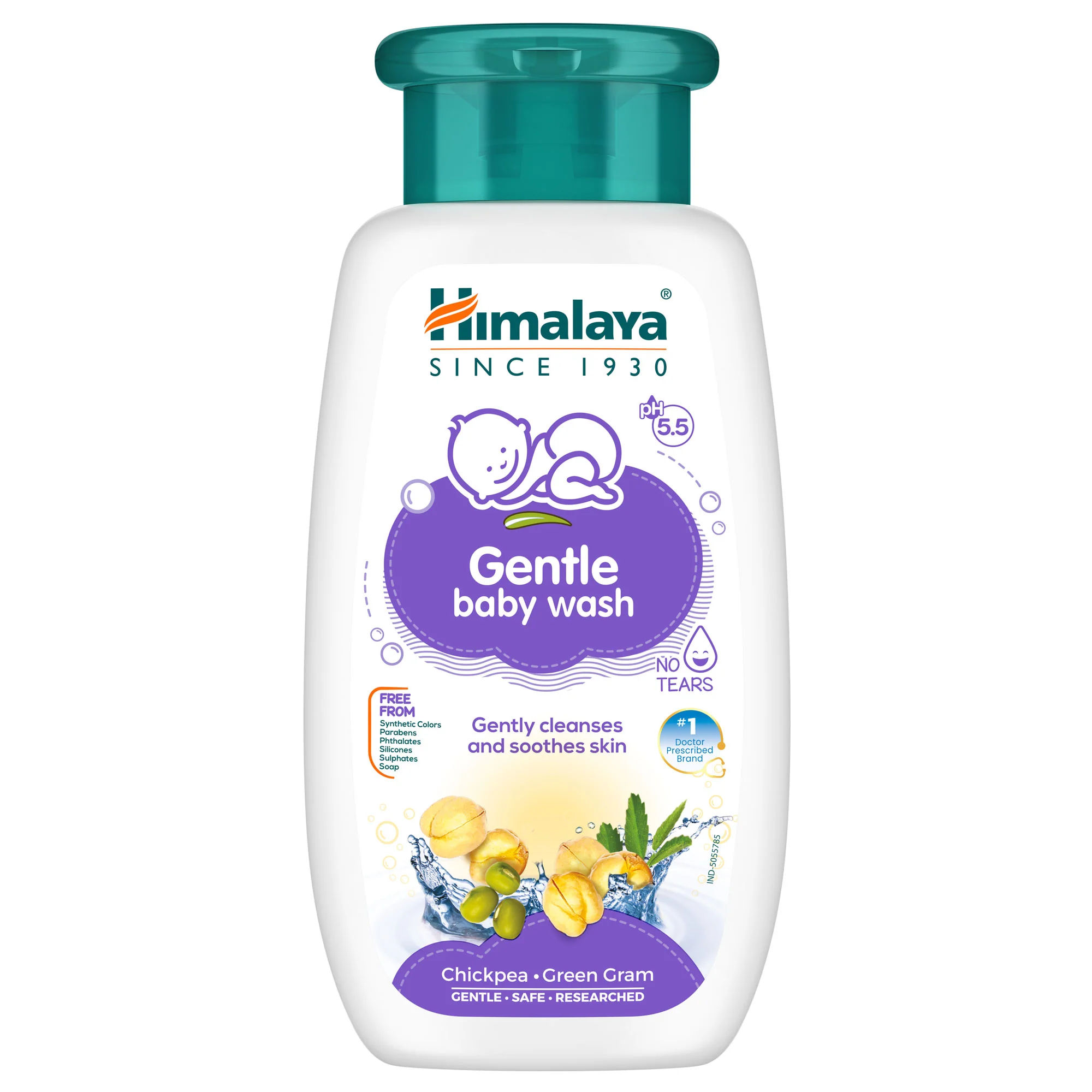
Himalaya Baby Wash 200ml
- ✓ Natural chickpea & turmeric base
- ✓ Budget-friendly alternative
- ✓ Good lather for hard water
* We earn a small commission — at no extra cost to you.