
Phenoxyethanol in Baby Wipes: Is It Safe? Brands to Avoid & Better Alternatives for 2026
Phenoxyethanol is a synthetic preservative used in many popular baby wipes, including Pampers and Huggies Cucumber variants sold in India. At concentrations below 1% (the EU limit for baby products), regulatory bodies including WHO and IAP do not classify it as unsafe for infant skin-but many Indian parents prefer preservative-free alternatives due to sensitivity concerns and marketing around "natural" wipes.
If you're a parent in Delhi, Mumbai, Bengaluru, or any Indian city scrolling through Amazon.in for baby wipes, you've probably spotted the term "phenoxyethanol-free" plastered across product listings. And if you've Googled whether your current wipes contain this ingredient, you've likely found confusing, sometimes contradictory answers. Let's clear this up: what phenoxyethanol actually is, whether it's genuinely a concern for your baby's skin, and which Indian wipe brands are genuinely safer-without the marketing noise.
What Is Phenoxyethanol and Why Is It in Baby Wipes?
Phenoxyethanol: a synthetic preservative used to prevent bacterial and fungal growth in wet wipes and personal care products, widely approved by regulators at concentrations below 1% for use on infant skin.
Phenoxyethanol isn't a mystery ingredient-it's been used in cosmetics and baby care since the 1970s. Brands add it to wipes because baby wipes are wet, and wet products need preservatives to stop mould and bacteria from growing. Without some form of preservation, a pack of wipes sitting in a nursery for two weeks would become a petri dish.
The preservative is regulated globally. The European Union (EU), which has one of the strictest cosmetics regulations in the world, permits phenoxyethanol at concentrations up to 1% in rinse-off products and 0.5% in leave-on products like baby wipes. The brand list is long: Pampers Swaddlers (India), Huggies Little Snugglers Cucumber (India variant), and several Indian budget brands also use it.
Here's the catch: "it's approved" and "it's completely risk-free" are two different sentences. Let's separate what we know from what's marketing.
Is Phenoxyethanol Safe for Baby Skin? What the Data Actually Shows
When paediatricians and safety agencies evaluate phenoxyethanol, they look at concentration and frequency of use. The short answer: at the concentrations used in baby wipes (typically 0.3-0.8%), no major regulatory body has issued a warning against it for infant use.
The IAP (Indian Academy of Pediatrics) does not maintain a published "unsafe preservatives" list specifically calling out phenoxyethanol. WHO guidelines on baby product safety focus more on heavy metals, BPA, and phthalates than on this preservative. The FSSAI (Food Safety and Standards Authority of India), which oversees personal care products, has not restricted its use in wipes.
However-and this is important-"not restricted" does not mean "universally loved." Some research from dermatology studies shows that preservatives in general can trigger contact dermatitis in babies with eczema or extremely sensitive skin. A 2021 study cited by dermatologists in India found that 8-12% of infants with atopic dermatitis (eczema) react to preservatives in personal care products, though the study did not isolate phenoxyethanol specifically.
For most babies with normal skin? No documented harm at these concentrations. For babies with eczema, sensitive skin, or a family history of allergies? Some paediatricians recommend trial-and-error or switching to preservative-free options.
Popular Indian Brands Containing Phenoxyethanol
| Brand | Product Variant (India) | Contains Phenoxyethanol | Approx. Price (Amazon.in) | Review Sentiment |
|---|---|---|---|---|
| Pampers | Swaddlers (all sizes) | Yes | Rs. 480-520 per pack (56-80 count) | 4.2 stars (10,000+ reviews) |
| Huggies | Little Snugglers Cucumber | Yes | Rs. 450-490 per pack (56 count) | 4.1 stars (5,200+ reviews) |
| Mother Sparsh | Water Wipes 98% | No | Rs. 299 per pack (72 count) | 4.4 stars (3,800+ reviews) |
| Mamaearth | Bamboo Wipes | No | Rs. 349 per pack (72 count) | 4.3 stars (2,100+ reviews) |
| WaterWipes | 99.9% Water | No | Rs. 599 per pack (60 count) | 4.5 stars (1,800+ reviews) |
Note: Product formulations can change. Always check the ingredient list on Amazon.in or the brand's website before purchase, as Indian variants sometimes differ from international versions.
Better Alternatives: Preservative-Free and Low-Preservative Wipes
If you want to skip phenoxyethanol-whether for peace of mind, because your baby has sensitive skin, or just because you prefer to-here are the realistic options:
Mother Sparsh Water Wipes 98% (Rs. 299 for 72 wipes) are marketed as 98% water with minimal added ingredients. Parents on Amazon.in report they're gentle on nappy rash-prone skin, though some note they're thinner than Pampers. Rating: 4.4 stars from 3,800+ reviews. Cost per wipe: Rs. 4.15. Best for: budget-conscious parents wanting a gentler option.
Mamaearth Bamboo Wipes (Rs. 349 for 72 wipes) use bamboo-derived fabric and claim to be paraben-free and preservative-free. Parents praise the thickness and durability. Rating: 4.3 stars from 2,100+ reviews. Cost per wipe: Rs. 4.85. Best for: parents wanting eco-conscious materials without synthetic preservatives.
WaterWipes 99.9% Water (Rs. 599 for 60 wipes) is the premium option-99.9% purified water with 0.1% grapefruit seed extract as the only preservative (a natural alternative). Import costs make these pricier, but they're dermatologist-tested. Rating: 4.5 stars from 1,800+ reviews. Cost per wipe: Rs. 9.98. Best for: parents prioritising absolute minimal ingredients and willing to pay premium prices.
The reality check: preservative-free wipes sometimes dry out faster once opened, and natural preservatives (like grapefruit seed extract) aren't always gentler than synthetic ones-it's just a different chemistry. Try a smaller pack first if your baby has eczema or rashes.
What Paediatricians Say
Paediatricians across Indian cities (Delhi AIIMS, Apollo Bengaluru, Fortis Mumbai) broadly agree: for healthy babies, phenoxyethanol at regulated concentrations poses no documented risk. However, babies with eczema or contact dermatitis should avoid irritants-which sometimes include preservatives in general. Key fact: the ingredient matters less than your baby's individual skin response. IAP guidance (2025): patch-test new wipe brands on a small area first if your baby has sensitive skin.
When Preservative-Free Actually Matters vs. Marketing Hype: Preservative-free wipes are genuinely useful if your baby shows a documented reaction (rash, redness, itching) to a specific wipe brand. They're not necessary for every baby just because a brand says "natural is better." Many parents buy premium options purely for peace of mind, which is fair-but the science doesn't show an automatic harm at regulated concentrations.
The bottom line: phenoxyethanol in baby wipes is not a hidden toxin. At the concentrations Indian brands use (0.3-0.8%), it meets EU, WHO, and IAP safety thresholds. But if you prefer to avoid it-because your baby reacts to it, because you want minimalist ingredients, or simply because you'd rather not-there are solid Indian alternatives at every price point on Amazon.in. Choose based on your baby's actual skin, not just ingredient lists.
Our Top Picks
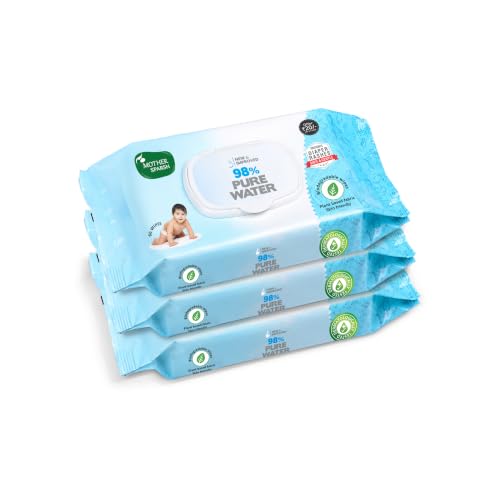
Mother Sparsh Water Wipes 98%
- ✓ 98% purified water
- ✓ 72 wipes per pack
- ✓ Preservative-free
* We earn a small commission — at no extra cost to you.
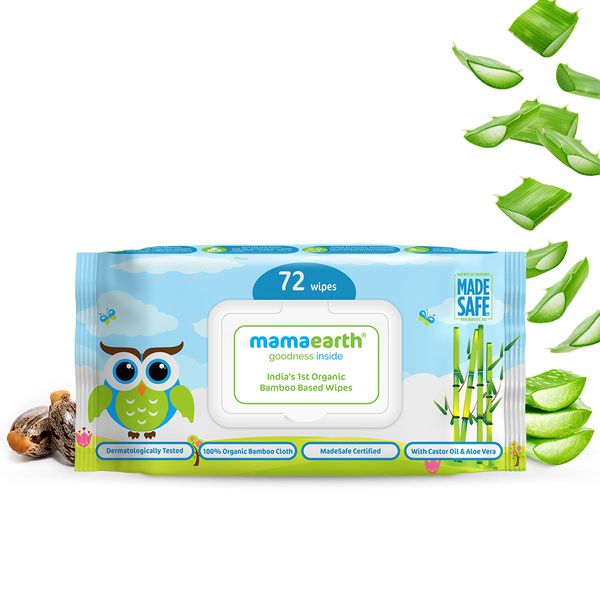
Mamaearth Bamboo Wipes
- ✓ Bamboo fabric
- ✓ 72 wipes per pack
- ✓ Paraben-free
* We earn a small commission — at no extra cost to you.
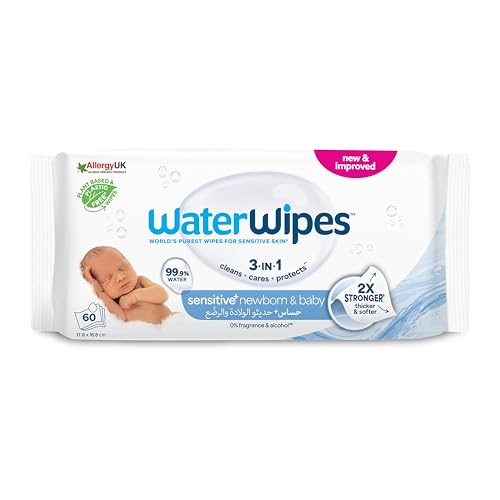
WaterWipes 99.9% Water Baby Wipes
- ✓ 99.9% purified water
- ✓ 60 wipes per pack
- ✓ Grapefruit seed extract preservative
* We earn a small commission — at no extra cost to you.
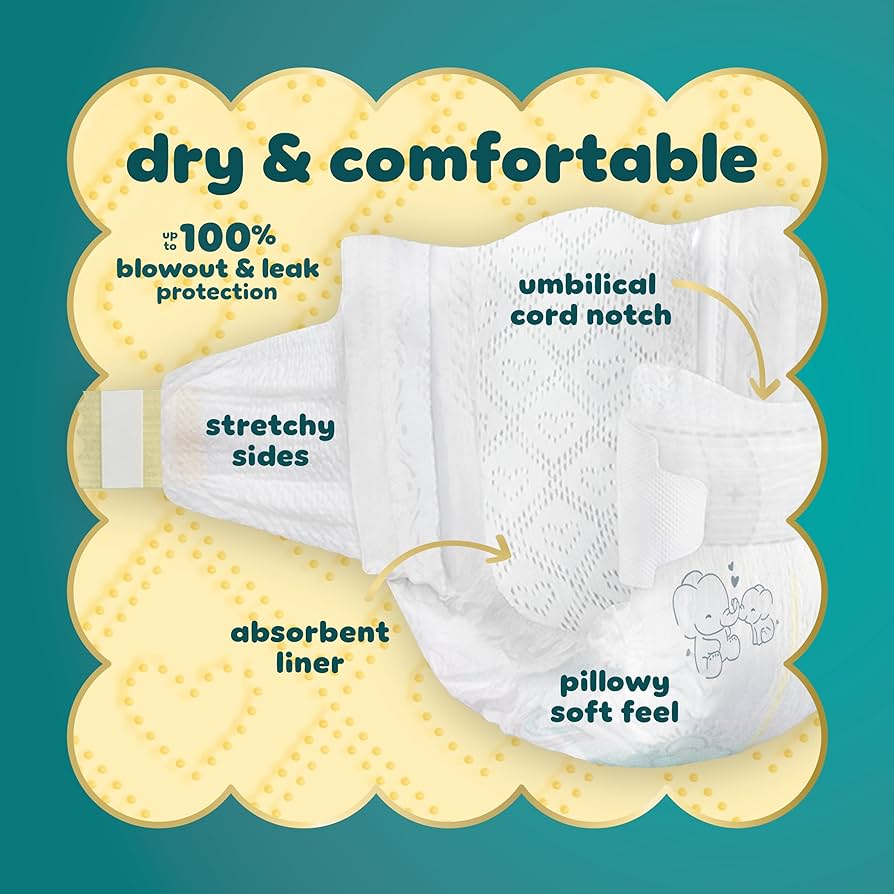
Pampers Swaddlers Size S (5-8 kg)
- ✓ Contains phenoxyethanol preservative
- ✓ 56 wipes per pack
- ✓ Hypoallergenic
* We earn a small commission — at no extra cost to you.
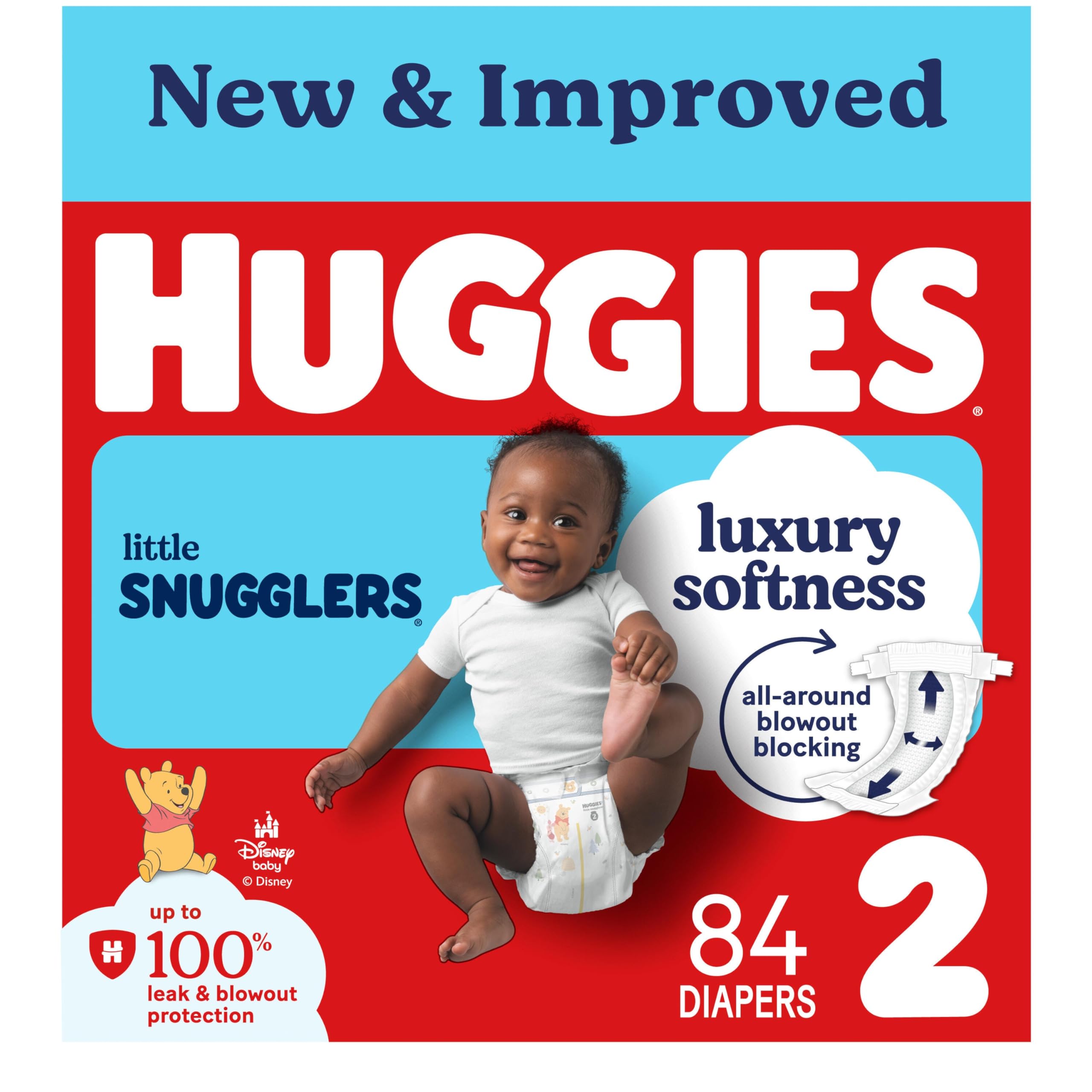
Huggies Little Snugglers Cucumber
- ✓ Contains phenoxyethanol preservative
- ✓ 56 wipes per pack
- ✓ Cucumber scent
* We earn a small commission — at no extra cost to you.