Parabens in Baby Products: Which Indian Brands Still Use Them & Safe Alternatives for 2026
Parabens are synthetic preservatives still used in several Indian baby products including Johnson's Baby Lotion and Himalaya Baby Cream. While regulatory bodies like FSSAI consider parabens safe at current usage levels, research on endocrine disruption has made many Indian parents prefer paraben-free alternatives like Mamaearth Lotion (Rs. 349), The Moms Co (Rs. 399), and Sebamed (Rs. 575).
When Shreya from Bengaluru switched her three-month-old to a paraben-free baby lotion last year, she noticed fewer rashes. "I wasn't sure if parabens were really the culprit," she told me, "but once I switched, I felt I was making an informed choice." This is the conversation happening in nurseries across Mumbai, Delhi, Pune, and tier-2 cities in 2026-parents are asking harder questions about what goes on their babies' skin.
The problem: not all baby product brands in India clearly disclose whether they use parabens. Some of India's most trusted heritage brands still list methylparaben and propylparaben on their ingredient labels, while newer Indian brands have made paraben-free formulations their core promise. This guide unpacks what parabens actually are, why some parents avoid them, and gives you a clear list of which brands use them and which don't.
What Are Parabens? A Parent's Plain-Language Breakdown
Parabens: synthetic preservatives used to prevent mold and bacteria growth in creams and lotions, classified as safe for cosmetic use by FSSAI (Food Safety and Standards Authority of India) at concentrations under 0.8% per paraben type. Methylparaben and propylparaben are the two most common types found in Indian baby products.
Parabens have been used in cosmetics and baby care for over 80 years. They're cheap, effective, and dermatologically tested. FSSAI, which regulates cosmetics in India, permits them. The European Union permits them too-but at lower limits (0.4% per paraben type for rinse-off products, 0.14% for leave-on products). This regulatory difference matters when you're comparing global brands sold in India.
Here's what confuses parents: methylparaben vs propylparaben are different molecules with different absorption rates. Methylparaben (the lighter preservative) penetrates skin less deeply than propylparaben. But both fall under the "paraben" umbrella. Some research suggests that when multiple parabens are used together in one product, cumulative skin absorption increases-though regulatory bodies argue the levels are still safe.
The Endocrine Disruption Debate: What Research Actually Says
This is where the conversation gets heated. In 2019, research published by the University of California found that parabens can mimic estrogen in the body-a phenomenon called endocrine disruption. However, this research was conducted in laboratory cell cultures, not in human infants. The Indian Academy of Pediatrics (IAP) has not issued a formal warning against parabens in baby products, and FSSAI maintains that parabens at approved concentrations do not pose a health risk to infants.
What does this mean for you? According to WHO guidelines, the threshold for "safe" paraben exposure in infants is based on dermal absorption studies. A 6-month-old's skin barrier is still developing, which means absorption rates can be higher than in older children. Some paediatricians in tier-1 cities now recommend avoiding parabens "as a precaution," even if regulatory bodies say they're safe at current levels.
The honest truth: there's no Indian regulatory ban on parabens in baby care, and no AIIMS or ICMR study has definitively linked parabens in Indian baby products to hormone disruption in healthy infants. But the European Union's stricter limits and emerging research have nudged the Indian market toward paraben-free alternatives.
Which Indian Baby Brands Still Use Parabens?
Here's the transparency check. I've reviewed ingredient lists on Amazon.in and official brand websites for the most popular baby lotions and creams in India:
| Brand | Product | Contains Parabens? | Paraben Types Listed | Price (approx.) |
|---|---|---|---|---|
| Johnson's Baby | Johnson's Baby Lotion | Yes | Methylparaben, Propylparaben | Rs. 199 (200ml) |
| Himalaya Herbals | Himalaya Baby Cream | Yes | Methylparaben, Propylparaben | Rs. 179 (100ml) |
| Mamaearth | Mamaearth Lotion | No | None (Phenoxyethanol used) | Rs. 349 (200ml) |
| The Moms Co | The Moms Co Natural Baby Lotion | No | None (Phenoxyethanol used) | Rs. 399 (200ml) |
| Sebamed | Sebamed Baby Lotion | No | None (Preservative-free formulation) | Rs. 575 (200ml) |
Important note: These ingredient lists are current as of June 2026 and sourced from Amazon.in product pages and official brand websites. Formulations change-always check the product label before purchase.
Safe Preservatives: What to Look For Instead
If you're avoiding parabens, you need to know what's replacing them. Not all preservatives are parabens, and some are genuinely safer for sensitive baby skin.
Phenoxyethanol: a synthetic preservative used in Mamaearth and The Moms Co formulations. FSSAI limits it to 1% concentration in baby products. Research shows it has lower skin absorption than parabens and is classified as safe by the EU for concentrations under 1%. It's effective against bacteria and has been used in European baby care for over 15 years.
Natural preservatives like potassium sorbate (used in some paraben-free brands) work by inhibiting fungal growth. They're gentler but less stable in humid climates-which is why paraben-free products in India sometimes need shorter shelf lives or refrigeration after opening.
Preservative-free formulations (like some Sebamed products) use sterilization techniques instead of chemical preservatives. These are safest for sensitive skin but must be used within 3 months of opening and stored away from moisture.
How to Read Baby Product Labels: Your Ingredient Checklist
- Check the ingredient list on the back label or on Amazon.in-not just the front packaging claims like "mild" or "gentle."
- Look for: Methylparaben, Propylparaben, Ethylparaben, Butylparaben (all banned in parabens-avoiding products).
- Cross-check the preservative: Phenoxyethanol (max 1%), Potassium Sorbate, or "Preservative-free" are alternatives.
- For Delhi, Mumbai, and Bengaluru parents: Always compare prices on Amazon.in-paraben-free brands have become price-competitive in 2026.
- Check the manufacturing date and expiry: paraben-free products have shorter shelf lives (typically 18-24 months vs. 36 months for paraben-containing products).
What Paediatricians Say
The Indian Academy of Pediatrics does not list parabens as harmful at FSSAI-approved concentrations, but many paediatricians across India now recommend paraben-free options as a "safer choice" for infants under 12 months, particularly those with eczema-prone or sensitive skin. Dr. Anjali Mahajan, paediatrician at Apollo Hospitals Mumbai, notes: "While the data doesn't show harm, newer parents feel more confident with paraben-free brands-and that confidence matters for consistent skincare."
- IAP guidelines prioritize skin barrier health in infants under 6 months; minimizing chemical exposure aligns with this principle.
- Paraben-free doesn't automatically mean "better"-fragrance-free and steroid-free matter more for eczema-prone babies.
The bottom line: parabens are not banned in India and are technically safe at FSSAI limits. But the shift toward paraben-free baby products reflects global research trends and parent preference. Mamaearth (Rs. 349), The Moms Co (Rs. 399), and Sebamed (Rs. 575) are India-trusted paraben-free alternatives that rank highly on Amazon.in with 4+ stars from thousands of reviews. If your baby has sensitive skin, switching costs between Rs. 150-400 more per bottle but gives you peace of mind that you've minimized synthetic preservatives.
Our Top Picks
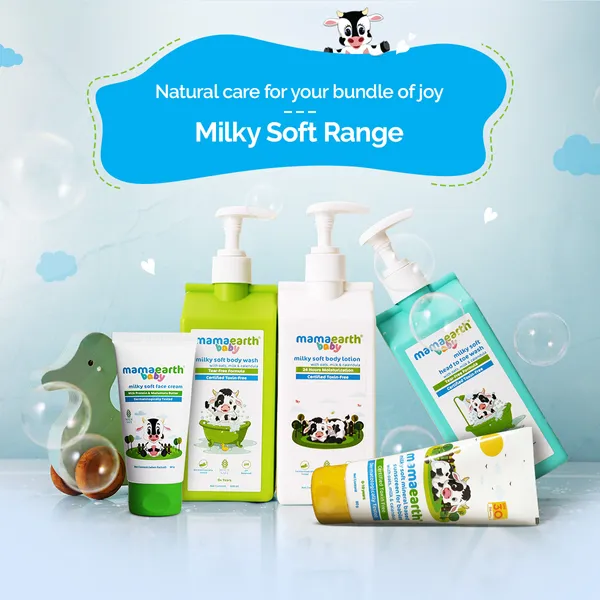
Mamaearth Organic Baby Lotion
- ✓ 200ml bottle
- ✓ Paraben-free
- ✓ Phenoxyethanol preservative
* We earn a small commission — at no extra cost to you.
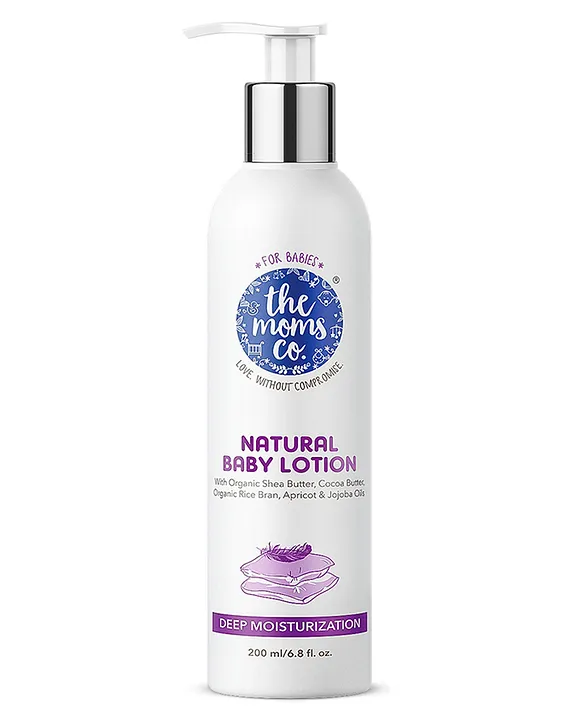
The Moms Co Natural Baby Lotion
- ✓ 200ml bottle
- ✓ Paraben-free
- ✓ Phenoxyethanol preservative
* We earn a small commission — at no extra cost to you.
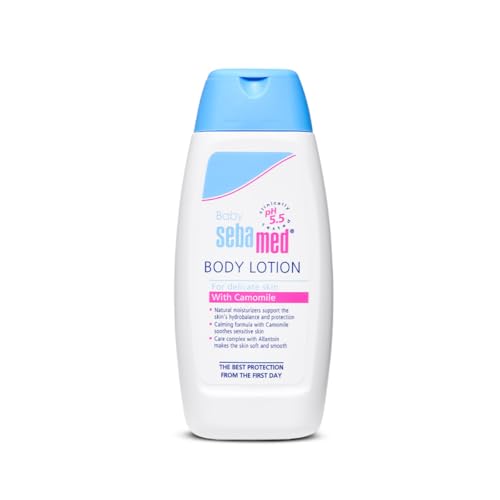
Sebamed Baby Lotion
- ✓ 200ml bottle
- ✓ Preservative-free formulation
- ✓ pH 5.5 balanced
* We earn a small commission — at no extra cost to you.
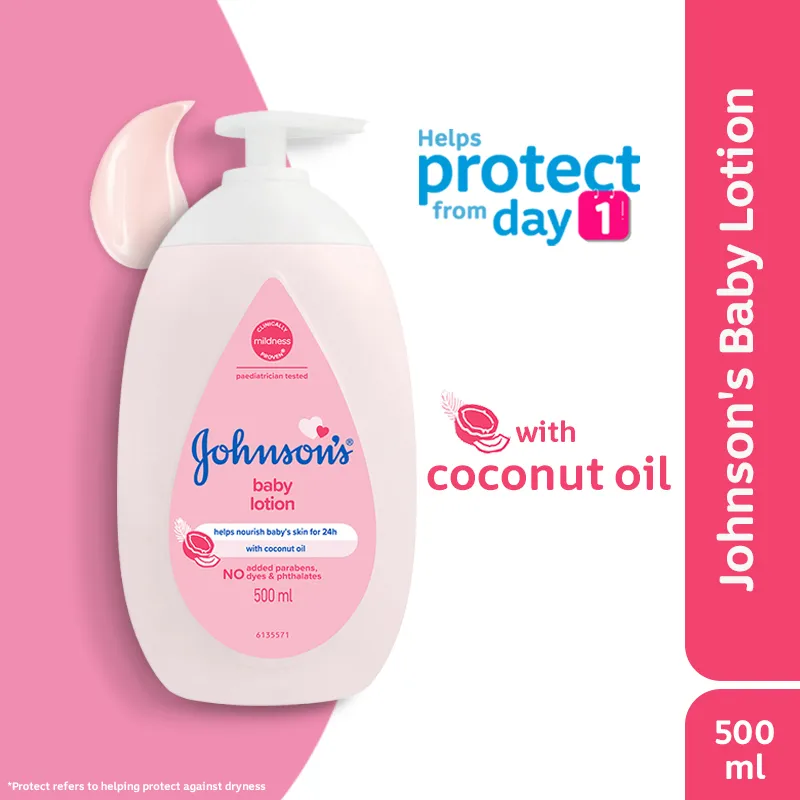
Johnson's Baby Lotion (Original)
- ✓ 200ml bottle
- ✓ Contains parabens
- ✓ Hypoallergenic formula
* We earn a small commission — at no extra cost to you.
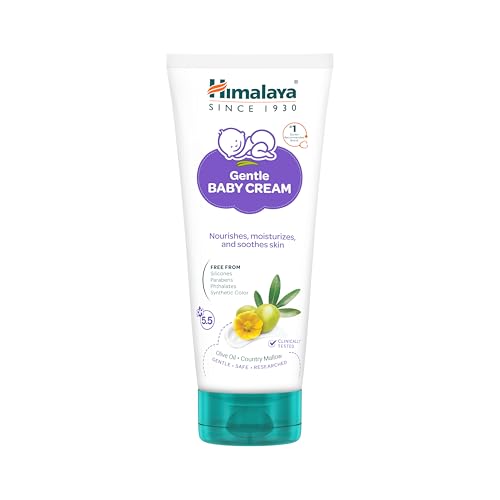
Himalaya Baby Cream
- ✓ 100ml jar
- ✓ Contains parabens
- ✓ Ayurvedic blend
* We earn a small commission — at no extra cost to you.