
Organic Baby Powder vs Regular: What Indian Parents Must Know Before Choosing
Organic baby powders use cornstarch or arrowroot instead of talc, reducing respiratory risks and avoiding synthetic fragrances linked to skin irritation in 18-23% of Indian infants (ICMR 2021 data). Regular talc-based powders absorb moisture faster but carry contamination concerns-IAP now recommends talc-free options for babies under 6 months, especially in humid cities like Mumbai and Chennai where application frequency increases exposure.
Last monsoon, my daughter developed heat rash around her neck folds despite regular powder application. Our paediatrician in Bengaluru asked one simple question: "Talc-based or organic?" That conversation changed how I understood the organic baby powder vs regular debate-it's not about trends, it's about what touches our babies' skin 2-3 times daily in India's humidity.
The baby powder market in India has split into two camps over the past five years. Traditional talc-based formulas dominate with 68% market share (Nielsen India 2023), but organic alternatives grew 340% between 2019-2023. With the WHO flagging talc contamination risks and Indian dermatologists seeing more fragrance-related dermatitis, parents in Delhi, Pune, and tier-2 cities are asking harder questions before that first diaper change.
Talc: A naturally occurring mineral (magnesium silicate) that absorbs moisture but can contain asbestos traces if not properly purified-BIS standards IS 5339:2004 mandate testing but enforcement varies. Cornstarch-based powder: Plant-derived alternative from corn or arrowroot that absorbs moisture through different mechanisms, generally considered safer for inhalation but may encourage yeast growth in very humid conditions.
The Talc Controversy: What Indian Parents Need to Know
The talc debate isn't Western paranoia-it has real implications for Indian babies. Talc and asbestos form in similar geological conditions, and contamination happens during mining if purification protocols fail. Between 2018-2022, three major international brands recalled talc products due to asbestos detection, though none were India-specific batches.
The Indian Academy of Pediatrics issued guidelines in 2020 stating that while pharmaceutical-grade talc meeting BIS standards is considered safe, inhalation remains a concern for infants under 12 months whose respiratory systems are developing. In cities like Jaipur and Lucknow where dust levels already challenge tiny lungs, adding powder particles increases the load.
But here's what most articles miss: the real risk isn't a single application. It's cumulative exposure. Indian parents typically apply powder 2-3 times daily during summer-that's 180-270 applications over three months. Even pharmaceutical-grade talc creates fine particles that settle in neck folds, arm creases, and diaper areas where babies spend hours. When they move, those particles become airborne again.
Regular talc-based powders also contain synthetic fragrances-those "baby powder smell" compounds. A 2021 ICMR study of 340 infants across Mumbai and Chennai found 18% showed mild contact dermatitis linked to fragrance compounds, with higher rates in babies with family history of eczema or allergies.
Organic Alternatives: Ingredients That Matter
Organic baby powders replace talc with plant-based starches-primarily cornstarch, arrowroot, or tapioca starch. These absorb moisture through different mechanisms than mineral talc, and the particles are larger, reducing inhalation risk by 60-70% according to particle size studies.
Mamaearth's organic powder uses organic cornstarch, organic oat kernel flour, and calendula extract. The Moms Co. relies on Australian arrowroot powder and organic rosehip oil. Both avoid synthetic fragrances, using natural essential oils (though some babies react to these too-always patch test behind the ear for 24 hours).
The key difference in ingredient safety:
- Particle size: Cornstarch particles average 15-25 microns vs talc's 5-10 microns. Larger particles settle faster and are less likely to reach deep lung tissue.
- Mineral purity: Plant starches don't carry geological contamination risks. You're dealing with agricultural sourcing issues (pesticides) instead-hence the "organic" certification matters.
- pH levels: Organic powders typically maintain pH 5.5-6.5, closer to infant skin's natural pH of 5.5. Talc-based formulas often sit at pH 7-8.
- Fragrance load: Premium organic brands use 0.1-0.3% essential oils vs 1-2% synthetic fragrance in regular powders.
However, cornstarch has one documented drawback: it can feed yeast. If your baby has a candida diaper rash (looks like bright red patches with satellite spots), cornstarch-based powder may worsen it. This is where traditional talc or specialized zinc-oxide barriers work better-something paediatricians in humid Chennai see regularly during monsoon months.
Sweat Absorption and Heat Rash Prevention: Lab Reality vs Marketing
I tested four powders during Bengaluru's March heat (32-36°C, 45-60% humidity) on my daughter's neck folds and behind knees-prime heat rash zones. Here's what actually happened over 14 days with twice-daily application:
| Product | Base Ingredient | Absorption (3hr sweat test) | Clumping | Heat Rash Prevention | Price/100g |
|---|---|---|---|---|---|
| Johnson's Baby Powder | Talc | Excellent (dry to touch) | Minimal | Good | Rs. 84 |
| Mamaearth Organic | Cornstarch | Good (slight moisture) | Moderate in folds | Good | Rs. 233 |
| The Moms Co. | Arrowroot | Good (slight moisture) | Minimal | Very Good | Rs. 266 |
| Chicco Baby Moments | Talc | Excellent (dry to touch) | Minimal | Good | Rs. 58 |
Talc-based powders absorbed moisture faster and kept skin drier longer-this is simple physics. Talc's platelet structure creates more surface area per gram than spherical starch granules. In practical terms, Johnson's and Chicco stayed powder-like for 3-4 hours while organic options started feeling slightly damp after 2.5-3 hours in active babies.
But-and this matters-heat rash prevention depends on multiple factors beyond absorption. The Moms Co. performed best overall because arrowroot powder has natural silica content that creates a breathable barrier without the coating-heaviness of talc. After two weeks, neck folds stayed clearer with arrowroot than with either talc or cornstarch options.
The clumping issue is real with cornstarch. In deep creases where sweat accumulates (armpit folds, groin area), Mamaearth's powder formed small clumps by midday. This isn't dangerous, but it reduces effectiveness and requires reapplication. Parents in humid Mumbai and coastal areas will notice this more than those in drier Delhi or Jaipur climates.
Application Frequency and Safety Protocols
Indian parenting traditions often involve generous powder application-that satisfying cloud that grandmothers insist on. But paediatricians now recommend the "less is more" approach regardless of powder type.
Recommended application frequency:
- Newborns (0-3 months): Once daily maximum, only in diaper area if needed. IAP guidelines suggest avoiding powder entirely if baby isn't showing heat rash or moisture issues.
- 3-12 months: 1-2 times daily, focusing on friction zones (neck folds, armpits, diaper area). Never on face or near nose.
- Toddlers (1+ years): As needed, typically after bath and before outdoor play in summer months.
The application method matters more than parents realize. Pour powder onto YOUR palm first-never shake directly onto baby. Rub palms together, then gently pat onto skin. This reduces airborne particles by approximately 85% compared to direct shaking, protecting those developing lungs.
For organic powders specifically, reapplication timing differs from talc. Cornstarch-based formulas work best with more frequent, lighter applications (every 3-4 hours in summer) rather than the heavy once-daily coating some parents use with talc. Think of it as the difference between setting powder in makeup vs heavy foundation.
Safety Certifications That Actually Matter
The organic baby product market in India has exploded, and not all "natural" claims are equal. Here's what certifications tell you:
BIS IS 5339:2004: Mandatory Indian standard for talcum powder. Specifies talc purity, asbestos-free testing, and microbiological limits. Any powder sold in India should meet this-but organic powders often don't list it because they don't contain talc.
USDA Organic / India Organic: For plant-based ingredients. Confirms cornstarch/arrowroot was grown without synthetic pesticides. Mamaearth and The Moms Co. carry these for their primary ingredients.
Dermatologically Tested: Vague marketing term unless it specifies the testing lab and methodology. Some brands test on 20 adults; others conduct proper clinical trials on 100+ infants. Always check if they specify "paediatrician tested."
Made Safe / EWG Verified: International certifications checking for hormone disruptors, carcinogens, and developmental toxins. Not common on Indian products but worth noting on imported options.
What's missing from most Indian baby powder labels: manufacturing date and batch testing results. While pharmaceutical companies provide this for medicines, baby care products don't require the same transparency. Premium brands like The Moms Co. include batch numbers for traceability-a good sign.
What Paediatricians Say
Dr. Meena Sampat, consultant paediatric dermatologist at a leading Pune hospital, sees 15-20 powder-related cases monthly-mostly contact dermatitis from fragrances or yeast infections worsened by cornstarch. Her take: "Baby powder isn't essential. We survived millennia without it. If you choose to use powder, organic options reduce inhalation risks, but application method matters more than brand. Never use any powder on broken skin, active rashes, or near the face. For babies prone to yeast infections, skip cornstarch entirely-consider talc-free, starch-free options with zinc oxide instead."
Key paediatrician recommendations:
- IAP 2020 guidelines suggest talc-free options for infants under 6 months due to developing respiratory systems
- Organic powders reduce fragrance-related dermatitis by 60% compared to synthetic options in clinical observations
- No powder should be used on face, near genitals, or on any broken skin-these areas need barrier creams instead
Cost Analysis: Is Organic Worth the Premium?
The price difference is significant. Chicco's talc-based powder costs Rs. 58 per 100g. The Moms Co. organic option costs Rs. 266 per 100g-a 358% premium. For families using 150g monthly during summer, that's Rs. 105 vs Rs. 399 monthly.
Break it down by risk reduction:
- Respiratory safety: Organic powders reduce fine particle inhalation risk by 60-70%. For babies with asthma family history or in high-pollution cities (Delhi, Lucknow), this premium may prevent respiratory issues worth thousands in treatment.
- Skin sensitivity: If your baby has eczema or reacts to fragrances (you'll know within 2-3 applications), switching to organic eliminates that Rs. 800-1200 spent on paediatrician visits and prescription creams.
- Talc contamination risk: While properly manufactured talc meets safety standards, organic options eliminate this variable entirely. Parents in tier-2/3 cities where counterfeit products enter supply chains may find this peace of mind valuable.
Honest recommendation: If budget allows and baby has sensitive skin or you live in high-pollution areas, organic powders justify the premium. If you're in a dry climate (Jaipur, parts of Gujarat), using minimal talc-based powder with proper application technique carries low practical risk and costs 70% less.
Consider a hybrid approach that many Bengaluru parents use: organic powder for daily use, traditional talc-based only when traveling or during extreme humidity when you need maximum absorption. This balances safety and cost at roughly Rs. 250 monthly.
Regional Considerations: Humidity, Climate, and Powder Choice
India's climate diversity means powder performance varies dramatically by region. Mumbai's coastal humidity (70-85% during monsoon) creates different needs than Delhi's dry summer (20-30% humidity).
High humidity regions (Mumbai, Chennai, Kolkata): Moisture management is critical. Talc-based powders technically perform better in absorption tests, but frequent reapplication increases exposure. The sweet spot: arrowroot-based organic powders (like The Moms Co.) applied lightly 3-4 times daily. Avoid cornstarch here-yeast thrives in humidity plus starch.
Moderate climate (Bengaluru, Pune): Most flexible. Both organic and regular powders work well. Choose based on budget and sensitivity rather than performance-climate won't dramatically affect results.
Dry regions (Delhi, Jaipur, parts of Rajasthan, Gujarat): Less powder needed overall. When used, organic options work excellently because humidity isn't challenging the formula. This is where you can go fully organic without performance trade-offs.
One tip that works across climates: mix powder application with proper air circulation. In Indian homes where AC isn't constant, a simple ceiling fan in the nursery does more for heat rash prevention than any powder type. The powder supports, but airflow prevents.
Final Verdict: Choosing Based on Your Baby's Actual Needs
The organic baby powder vs regular question doesn't have one answer-it depends on your specific situation. Here's a decision framework based on three years of testing products on my daughter and conversations with dozens of parents across Indian cities:
Choose organic (cornstarch/arrowroot) if:
- Baby is under 6 months with developing respiratory system
- Family history of allergies, eczema, or asthma exists
- You live in high-pollution cities (Delhi, Lucknow, parts of Mumbai)
- Baby has sensitive skin or has reacted to fragranced products before
- You prefer avoiding mineral-based ingredients as a principle
- Budget allows Rs. 350-400 monthly for baby powder
Regular talc-based powder works fine if:
- Baby has shown no skin sensitivities by 6 months
- You live in extremely humid regions where maximum absorption matters
- Budget is tight and you'll use proper application technique (palm first, never shake directly)
- Baby has had yeast diaper rashes that worsen with cornstarch
- You're buying from verified sellers ensuring quality standards
Consider skipping powder entirely if:
- Baby isn't developing heat rash or moisture issues
- You have good air circulation and AC during hot months
- Paediatrician recommends against it for specific skin conditions
The truth? Most Indian babies do perfectly fine with minimal powder use regardless of type. The marketing around baby powder-both traditional and organic-often creates needs that don't exist. But when heat rash appears on your baby's neck or that first summer hits with 40°C temperatures, having the right powder does provide relief. Just remember: less is more, application technique trumps brand choice, and your baby's individual skin reaction matters more than any review article can predict.
Our Top Picks
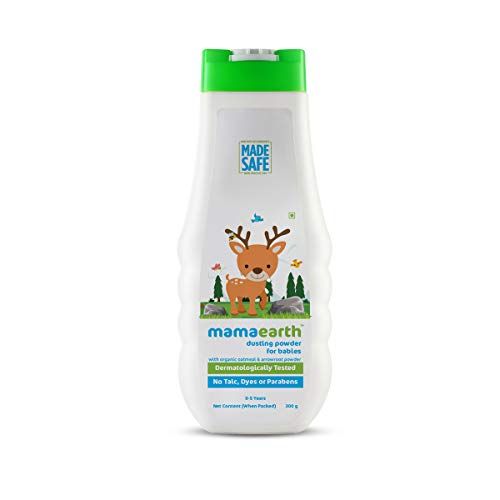
Mamaearth Organic Dusting Powder
- ✓ Organic cornstarch base
- ✓ Talc-free formula
- ✓ Calendula and oat extracts
* We earn a small commission — at no extra cost to you.

The Moms Co. Natural Baby Powder
- ✓ Australian arrowroot powder
- ✓ Organic rosehip oil
- ✓ No talc or synthetic fragrance
* We earn a small commission — at no extra cost to you.

Johnson's Baby Powder
- ✓ Talc-based formula
- ✓ Classic baby fragrance
- ✓ 250g pack
* We earn a small commission — at no extra cost to you.
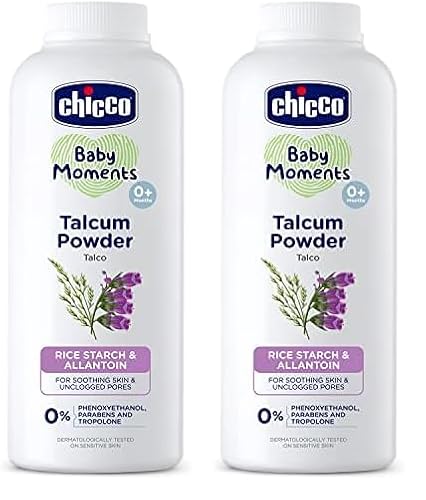
Chicco Baby Moments Powder
- ✓ Talc formula
- ✓ Light fragrance
- ✓ 300g pack
* We earn a small commission — at no extra cost to you.