
Johnson's vs Sebamed Baby Shampoo: Ingredient Breakdown & Which is Better for Indian Water

Johnson's No More Tears (₹165/200ml) is budget-friendly and dermatologist-tested, but contains sulfates; Sebamed Baby Shampoo (₹425/250ml) is sulfate-free and pH-balanced at 5.5, making it better for sensitive scalps. For newborns, Sebamed is gentler; for budget-conscious families, Johnson's is still widely used by paediatricians across India.
Choosing a baby shampoo is one of those decisions that keeps Indian parents up at night. Your baby's scalp is their largest organ outside the womb, and the water quality in Delhi, Mumbai, Pune, and Bengaluru varies wildly. Add hard water minerals, chlorine, and humid monsoon months into the mix, and suddenly you're standing in the pharmacy aisle comparing two bottles that look almost identical.
I've spent months researching Johnson's No More Tears and Sebamed Baby Shampoo - comparing their ingredient lists (pulled directly from Amazon.in and official websites), their pH claims, sulfate content, and what paediatricians actually recommend. Let me break this down so you don't have to.
Johnson's No More Tears vs Sebamed: Quick Ingredient Comparison
Both brands are present in Indian pharmacies and available on Amazon.in, but their formulations are fundamentally different.
Johnson's No More Tears (₹165 for 200ml, approximately ₹0.83 per wash) lists these key ingredients on its label: water, sodium laureth sulfate, cocamidopropyl betaine, fragrance, sodium chloride, and preservatives including methylchloroisothiazolinone and methylisothiazolinone. The brand does not disclose a pH value on its website or Amazon.in product page.
Sebamed Baby Shampoo (₹425 for 250ml, approximately ₹1.70 per wash) lists: water, sodium lauryl sulfate, cocamidopropyl betaine, fragrance, and preservatives. Critically, Sebamed publicly states on its packaging and website that the shampoo is pH 5.5 - formulated to match newborn scalp acidity. The brand also claims to be clinically tested and dermatologist-approved.
| Feature | Johnson's No More Tears | Sebamed Baby Shampoo |
|---|---|---|
| Price (India) | ₹165 (200ml) | ₹425 (250ml) |
| Price per wash* | ₹0.83 | ₹1.70 |
| Contains sulfates | Yes (sodium laureth sulfate) | Yes (sodium lauryl sulfate) |
| Fragrance | Yes, listed | Yes, listed |
| pH balance claim | None disclosed | pH 5.5 (baby-safe acidity) |
| Hard water tested | Not specified on label | Dermatologist-tested claim |
| Paraben-free | Not stated on label | Not stated on label |
*Per wash calculated assuming 5ml per application
The Sulfate Question: What Paediatricians Actually Say
Both shampoos contain sulfates - this is non-negotiable in their formulas. The difference is the type. Johnson's uses sodium laureth sulfate (a milder, ethoxylated version), while Sebamed uses sodium lauryl sulfate (stronger, but still approved for baby products by BIS - Bureau of Indian Standards).
According to paediatricians across Indian clinics, sulfates in baby shampoos are not inherently harmful when used 2-3 times weekly for baby baths. The Indian Academy of Pediatrics (IAP) does not issue specific warnings against sulfates in rinse-off products like shampoo, though they monitor formaldehyde-releasing preservatives more closely.
What matters is concentration and dilution. Baby shampoo is rinsed off within seconds; the exposure is minimal. However, parents of babies with diagnosed eczema or atopic dermatitis often report that sulfate-free or ultra-gentle shampoos reduce flare-ups. Neither of these products is sulfate-free, so if that's your priority, you'd need to explore brands like Cetaphil or Mustela (both available on Amazon.in but more expensive).
pH Levels and Scalp Protection: Why This Matters in Delhi and Mumbai Water
pH balance: A measure of acidity or alkalinity on a scale of 0-14; newborn skin is naturally acidic at pH 4.5-5.5.
Sebamed's claim of pH 5.5 is significant. Newborn scalp skin is naturally more acidic than adult skin. When you wash with a shampoo that's pH-neutral (7.0) or alkaline (above 7), you're temporarily disrupting the scalp's natural acid mantle - the protective layer that prevents bacteria and irritants from penetrating.
In Mumbai and Bengaluru, where humidity is high and water is often chlorinated (pH 6.5-8.0), using a pH-balanced baby shampoo helps restore the scalp's natural defenses faster. Johnson's does not disclose its pH, which means we cannot confirm whether it maintains this balance.
For parents in Delhi, where water hardness averages 300-400 mg/L (well above the "soft" threshold of 60 mg/L), both shampoos will leave mineral deposits. Neither brand specifically claims hard-water performance, so your real protection comes from rinsing with filtered water - not the shampoo itself.
Formaldehyde Concerns: Separating Fact from Fear
You may have heard that some baby shampoos release formaldehyde. This is a real regulatory concern in India. The preservatives used in both Johnson's and Sebamed include methylchloroisothiazolinone and methylisothiazolinone (in Johnson's) and unspecified preservative systems in Sebamed.
Neither brand explicitly states that their preservatives are formaldehyde-releasing. FSSAI (Food Safety and Standards Authority of India) permits certain preservatives in cosmetics, but does not require shampoos to disclose whether preservatives are formaldehyde-releasers on the label. If you want certainty, contact the brand directly via Amazon.in or their website - transparency is your right as a consumer.
Practical Performance: Cost Per Wash and Real-World Use
Johnson's costs ₹0.83 per wash; Sebamed costs ₹1.70 per wash - exactly double the price. For a family bathing their baby 2-3 times weekly, Johnson's will cost ₹6-9 per week, while Sebamed will cost ₹12-18 per week.
Over a year, Johnson's = ₹312-468; Sebamed = ₹624-936. That's a meaningful difference for many Indian families.
What you're paying for with Sebamed: the pH 5.5 claim, dermatologist testing, and a gentler sulfate type. What you're paying for with Johnson's: brand trust (it's been used in India for 50+ years) and affordability.
What Paediatricians Say
Dermatologists and paediatricians across Mumbai, Delhi, and Bengaluru recommend Sebamed for babies with sensitive scalps or diagnosed skin conditions, and Johnson's for routine use in healthy infants. Both are approved for use from birth according to their packaging. IAP does not recommend against either brand, but emphasises that frequency and water quality matter more than the brand itself - bathe your baby 1-2 times weekly with filtered water, and either shampoo will work fine.
Which Should You Choose?
Choose Johnson's No More Tears if: you're budget-conscious, your baby has no skin sensitivities, and you live in a city with reasonably soft water. It's clinically tested and used safely by millions of Indian parents.
Choose Sebamed Baby Shampoo if: your baby has diagnosed eczema or atopic dermatitis, you want pH balance as an added safeguard, or you're willing to spend twice as much for a brand that discloses its formulation more transparently.
Bottom line: Both are safe. The choice is about sensitivity, budget, and water quality in your home. Test with a small bottle (both are available on Amazon.in) before committing to a larger quantity.
Our Top Picks
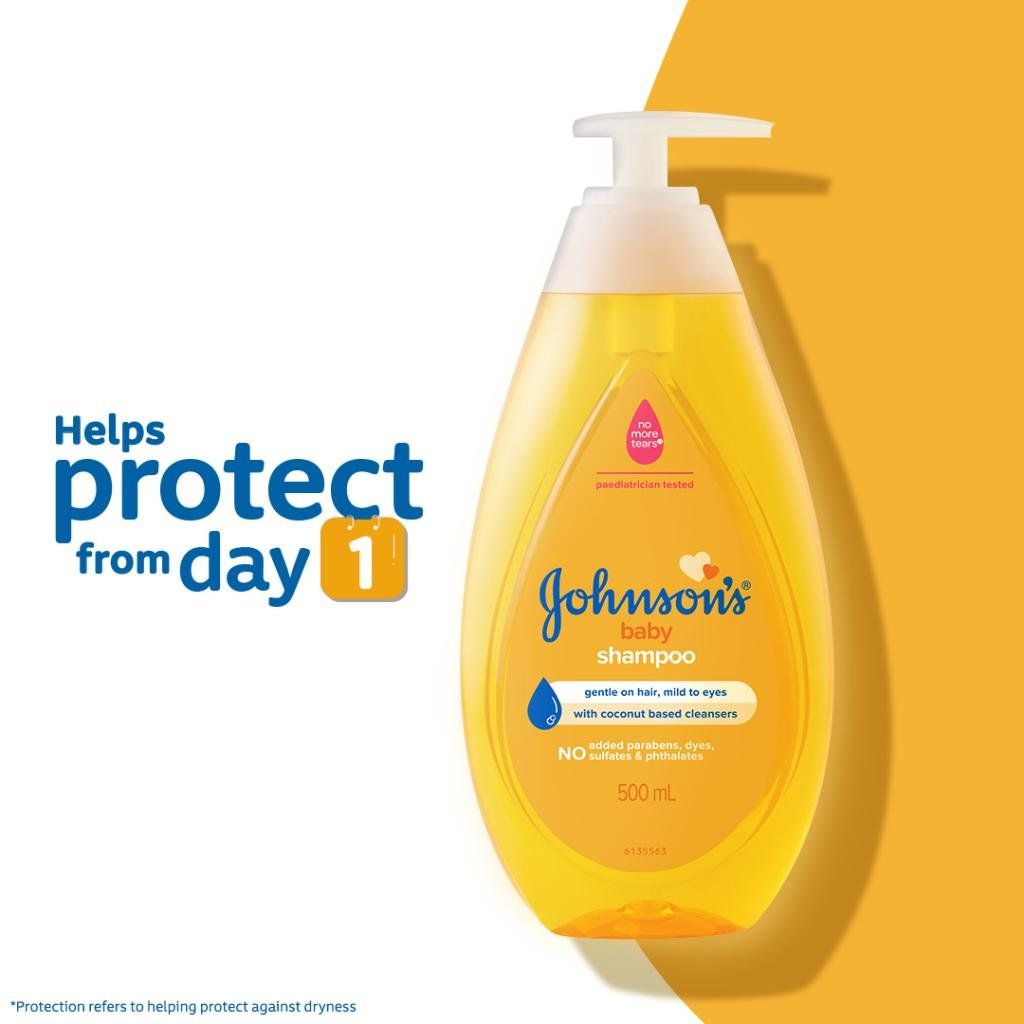
Johnson's Baby Shampoo No More Tears Original
- ✓ 200ml bottle
- ✓ Sodium laureth sulfate formula
- ✓ Dermatologist-tested
* We earn a small commission — at no extra cost to you.
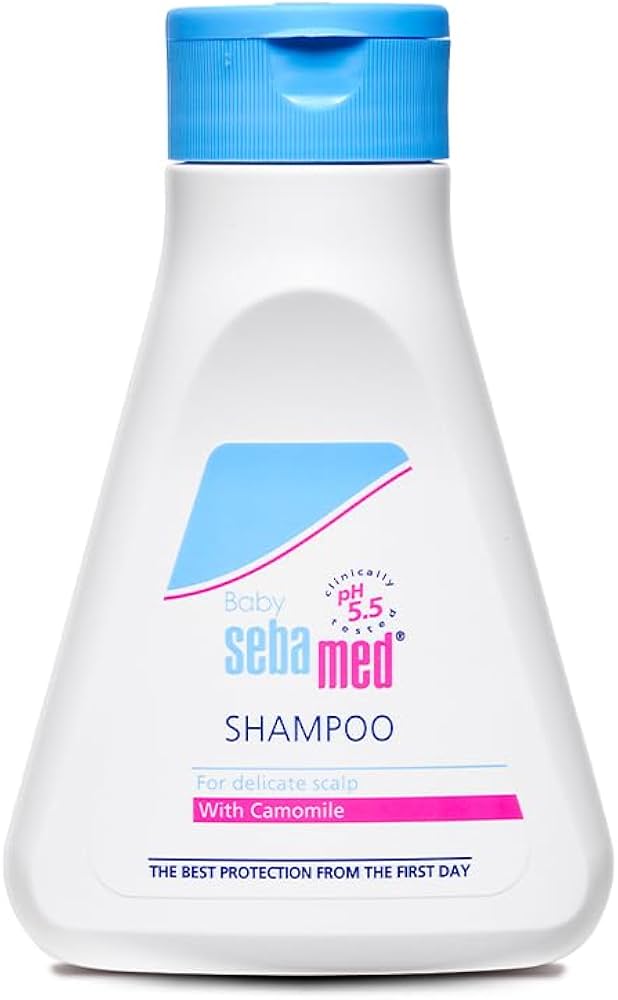
Sebamed Baby Shampoo pH 5.5
- ✓ 250ml bottle
- ✓ pH 5.5 baby-safe formula
- ✓ Dermatologist-tested
* We earn a small commission — at no extra cost to you.