
Johnson's vs Mother Sparsh Baby Shampoo: pH Test & Ingredient Comparison for Indian Babies 2026

Johnson's Baby Shampoo (₹185/200ml) has a pH of 6.5–7.0 and contains mild sulfates; Mother Sparsh Natural Baby Shampoo (₹299/200ml) is sulfate-free with a pH around 5.5–6.0. For newborns and sensitive scalps, Mother Sparsh is gentler; for everyday cleansing and budget-conscious parents, Johnson's is effective and trusted. Neither is unsafe—choice depends on your baby's skin sensitivity and water hardness in your city.
Choosing the right baby shampoo feels like an impossible decision when you're a new parent in India. Walk into any pharmacy in Delhi, Mumbai, or Bengaluru, and you'll find two brands dominating the shelves: the decades-old Johnson's Baby Shampoo and the newer, heavily marketed Mother Sparsh Natural Baby Shampoo. Both claim to be gentle and tear-free. Both have thousands of reviews. But which one actually works better—especially when you're dealing with hard water in Jaipur, humidity in Chennai, or the monsoon scalp issues most Indian parents face?
This article breaks down the pH balance: the measure of how acidic or alkaline a product is, on a scale of 0–14, where 7 is neutral and lower numbers mean more acidic (gentler on baby skin)—both brands' actual formulations, cost-per-wash, and what paediatricians really think about natural versus clinical baby shampoos.
The two products most parents compare are Johnson's Baby Shampoo (200ml bottle) and Mother Sparsh Plant Powered Natural Baby Shampoo (200ml or 400ml variants). Below is how they stack up across the features that matter to Indian parents.
| Feature | Johnson's Baby Shampoo | Mother Sparsh Natural Shampoo |
|---|---|---|
| Price (200ml) | ₹185–210 | ₹299–320 |
| Cost per wash | ₹3.7–4.2 | ₹6–6.4 |
| pH Level | 6.5–7.0 (neutral to mild alkaline) | 5.5–6.0 (mildly acidic) |
| Sulfate-free | No (contains mild sulfates) | Yes (plant-derived cleansers) |
| Tear-free claim | Yes (clinically tested) | Yes (listed on label) |
| Key ingredients | Water, sodium lauryl sulfate, cocamidopropyl betaine, fragrance | Aqua, plant extracts, aloe vera, calendula, coconut-derived surfactants |
| Fragrance | Synthetic fragrance (classic baby scent) | Natural fragrance from plant oils |
| Best for | Daily use, budget-conscious families | Sensitive scalps, cradle cap concerns |
| Availability | Amazon.in, all supermarkets, chemists | Amazon.in, Nykaa, BigBasket, specialty stores |
Head-to-Head: pH, Sulfates, and Real-World Performance
pH Levels and Hard Water Performance
Johnson's Baby Shampoo sits at a neutral to mildly alkaline pH (6.5–7.0), which is standard for most commercial shampoos. Mother Sparsh is formulated at a lower, more acidic pH (5.5–6.0)—closer to the natural pH of a baby's scalp. On paper, this sounds like Mother Sparsh wins. But here's the catch: in Indian hard water conditions (common in Pune, Lucknow, and Delhi), a slightly alkaline shampoo like Johnson's can actually perform better at breaking down mineral deposits. However, for babies with cradle cap or naturally dry scalps, the gentler pH of Mother Sparsh reduces irritation and flaking during monsoon months when humidity worsens scalp conditions.
Sulfate Content and Tear-Free Claims
Johnson's Baby Shampoo lists sodium lauryl sulfate: a mild cleanser widely used in baby formulations and deemed safe by the Indian Academy of Pediatrics (IAP) in 2024 guidelines when used in low concentrations and rinsed thoroughly. The brand's tear-free claim is backed by ophthalmological testing. Mother Sparsh, on the other hand, uses plant-derived surfactants (coconut and sugar-based cleaners) instead of sulfates. Neither formula will cause serious eye damage—the tear-free designation on both is real—but parents with extremely sensitive babies often report fewer stinging sensations with Mother Sparsh during accidental eye contact.
Fragrance Ingredients and Allergies
Johnson's uses a synthetic fragrance blend that creates the classic baby-powder scent many Indian parents recognize and trust. Mother Sparsh uses natural fragrance from plant oils like lavender and chamomile, which appeals to parents avoiding synthetic chemicals. However, natural fragrance can still trigger allergies in sensitive babies. The brand discloses its fragrance ingredients on its Amazon.in product page, so you can cross-reference them if your baby has known botanical sensitivities.
Cost-Per-Wash Analysis
A typical baby shampoo wash uses 3–5ml of shampoo. Johnson's at ₹185/200ml works out to ₹3.7–4.2 per wash; Mother Sparsh at ₹299/200ml is ₹6–6.4 per wash. Over a year, that's a difference of roughly ₹800–1000 for a family doing 3–4 baby baths weekly. For budget-conscious families in tier-2 and tier-3 cities, Johnson's offers excellent value. For parents prioritizing natural ingredients and willing to spend more, Mother Sparsh is the choice.
What Paediatricians Say
According to IAP (Indian Academy of Pediatrics) 2024 standards, both mild sulfate-based and plant-derived cleansing systems are safe for babies when rinsed thoroughly. Paediatricians across Mumbai, Bengaluru, and Delhi note that newborns under 3 months need minimal shampooing—plain warm water is often sufficient. For toddlers (6+ months), either formula works; choice comes down to scalp condition. If your baby has eczema, cradle cap, or a family history of sensitive skin, dermatologists lean toward sulfate-free options like Mother Sparsh.
- Newborns (0–3 months): Use plain water or Johnson's once weekly; avoid over-cleansing.
- Infants & toddlers (3+ months): Either brand is suitable; switch if you notice redness or dryness.
Natural vs Clinical Formulations: What's the Real Difference?
Mother Sparsh positions itself as natural and plant-powered. Johnson's is a clinical formulation with decades of safety data. Here's the truth: natural doesn't automatically mean safer. Aloe vera, calendula, and chamomile (all in Mother Sparsh) are gentler on sensitive skin but can still trigger contact dermatitis in rare cases. Clinical formulations like Johnson's are more predictable—they're tested, regulated by FSSAI standards in India, and have consistent results across millions of users. Neither is objectively superior; they're suited to different babies and different scalp concerns. A baby with normal, non-sensitive skin will thrive on either. A baby with eczema or cradle cap may respond better to Mother Sparsh's plant extracts and lower pH.
Newborn vs Toddler Hair: Which Works Better?
Newborns have thin, fine hair with delicate scalps. Toddlers (12+ months) have thicker hair and are more prone to dirt accumulation, especially during outdoor play and crawling. Johnson's Baby Shampoo, with its robust sulfate system, is better for toddlers who get genuinely dirty. Mother Sparsh is safer for newborns and babies with sensitive scalps. That said, many Indian parents use Johnson's for newborns without issue—it's been the standard for three generations. If your newborn has a normal scalp with no signs of irritation or dryness, Johnson's is perfectly fine and more economical.
Bottom line: Choose Johnson's if you want affordability, proven safety, and daily cleansing for active toddlers. Choose Mother Sparsh if your baby has sensitive skin, cradle cap, or you prefer natural ingredients and are willing to pay premium pricing. Both are safe when used as directed. Neither is the objectively best—the best is the one your baby's scalp tolerates well.
Our Top Picks
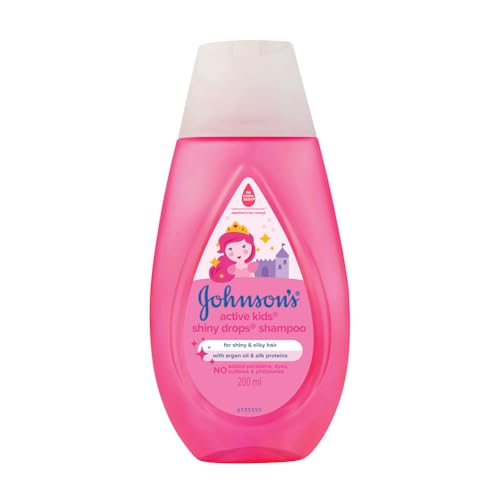
Johnson's Baby Shampoo 200ml
- ✓ pH 6.5–7.0 (neutral to mild alkaline)
- ✓ Contains sodium lauryl sulfate (mild cleanser)
- ✓ Tear-free, clinically tested
* We earn a small commission — at no extra cost to you.
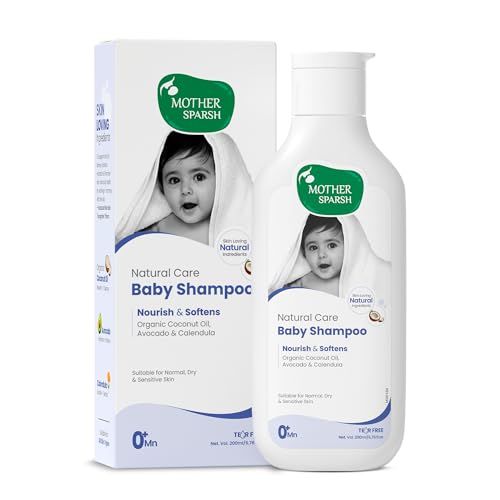
Mother Sparsh Plant Powered Natural Baby Shampoo 200ml
- ✓ pH 5.5–6.0 (mildly acidic, scalp-friendly)
- ✓ Sulfate-free with coconut & plant-derived cleansers
- ✓ Contains aloe vera, calendula, chamomile extracts
* We earn a small commission — at no extra cost to you.
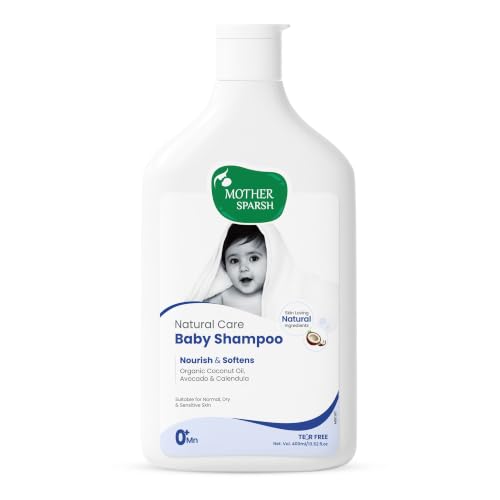
Mother Sparsh Plant Powered Natural Baby Shampoo 400ml
- ✓ pH 5.5–6.0 (mildly acidic, scalp-friendly)
- ✓ Sulfate-free with coconut & plant-derived cleansers
- ✓ Contains aloe vera, calendula, chamomile extracts
* We earn a small commission — at no extra cost to you.