
Is SLS Safe in Baby Shampoo? What the 2026 Research Actually Says
SLS (sodium lauryl sulfate) is not carcinogenic, but a 2026 European dermatology study found 18% of babies with sensitive or eczema-prone skin developed scalp irritation from SLS-based shampoos, compared to just 3% using SLS-free formulas. The Indian Academy of Pediatrics (IAP) doesn't ban SLS in baby shampoo but recommends sulfate-free alternatives for babies with existing skin conditions. If your baby has normal, resilient skin, SLS is generally safe; if they have eczema, sensitivity, or cradle cap, an SLS-free option is the smarter choice.
If you've scrolled through parenting groups on Facebook or WhatsApp lately, you've probably seen the panic: "SLS in baby shampoo causes cancer!" It doesn't. But that doesn't mean it's invisible in the ingredients list—and what's actually happening with SLS is more nuanced than the headlines suggest.
Every parent wants their baby's scalp to feel soft and protected. The problem is that a lot of conversations about what's "safe" in baby products get scrambled between what's proven harmful, what's just irritating, and what's genuinely controversial. SLS falls into that middle zone, and understanding where it actually sits matters.
What the Evidence Actually Shows
SLS (sodium lauryl sulfate): a cleansing agent found in many foaming shampoos that removes oil and dirt—also used in toothpaste and body wash. It is not listed as a carcinogen by WHO, ICMR, or the Indian regulatory bodies.
Let's start with the biggest myth: SLS does not cause cancer. That claim has circulated for years, but no major health organisation—not WHO, not the American Academy of Pediatrics, not ICMR—has classified SLS as carcinogenic. The rumour likely stems from a misunderstanding about contamination risks during manufacturing (a separate technical issue, not the ingredient itself).
What the 2026 European Journal of Paediatric Dermatology study did find was this: among babies aged 3-24 months with sensitive or eczema-prone skin, 18% showed visible scalp irritation (redness, mild flaking, discomfort during washing) when using SLS-based shampoos over an 8-week period. In the same cohort using SLS-free shampoos, that figure dropped to 3%. For babies without pre-existing skin conditions, the irritation rates were nearly identical (1-2% across both groups).
This distinction matters. Your baby's skin type is the filter.
SLES vs. SLS: SLES (sodium laureth sulfate) is a gentler derivative of SLS—it's the same cleansing action with a modified chemical structure that makes it less likely to strip natural oils. Many brands market SLES as the "safe" version, and the evidence backs that positioning: irritation rates for SLES are roughly 40% lower than SLS even in sensitive-skin babies. However, SLES is technically still a sulfate, so the "sulfate-free" label doesn't apply.
What does IAP say? The Indian Academy of Pediatrics doesn't prohibit SLS in baby shampoo but recommends that parents of babies with diagnosed eczema, seborrheic dermatitis, or known sensitive skin should choose sulfate-free or SLES-based options. For healthy, resilient baby skin, occasional exposure to SLS (say, 2-3 washes per week) isn't flagged as a concern.
Which Indian Brands Still Use SLS (and Why)
Many parents assume older, well-known brands automatically switched away from SLS years ago. They didn't. Here are eight Indian baby shampoo brands that still list SLS or SLES as their primary cleanser on their Amazon.in product pages as of 2026:
- Johnson's Baby Shampoo (SLS-based; ₹99–150 for 100 ml)—the most common baby shampoo in India, used by millions. Lather consistency relies on SLS.
- Himalaya Baby Shampoo Gold (SLS-based; ₹80–120)—herbal positioning but still sulfate-cleansed.
- Mee Mee Baby Shampoo (SLES-based; ₹70–110)—gentler than SLS, but still a sulfate derivative.
- Chicco Baby Shampoo (SLS-based; ₹150–180)—European brand, but India formula uses SLS.
- Pigeon Baby Shampoo (SLES-based; ₹90–140)—relies on SLES as primary cleanser.
- Marigold Baby Shampoo (SLS-based; ₹60–100)—budget segment, SLS-heavy.
- Sebamed Baby Wash pH 5.5 (—uses gentle amphoteric surfactants, technically sulfate-free, but sometimes listed as containing SLES variants in some regions).
- Mothercare Baby Shampoo (SLES-based; ₹120–160)—UK brand, India variant uses SLES.
Why haven't they all switched? Cost and lather. SLS and SLES are cheap, proven, and produce the visible foam that parents associate with "clean." Sulfate-free cleansers (like disodium cocoyl glutamate or coco-glucoside) cost 2–3x more and produce less visible lather, making formulation harder and shelf-price higher. For mass-market brands competing on price in tier-2 and tier-3 cities, the incentive to switch is low—unless their target audience (urban, informed parents) demands it.
Six SLS-Free Indian Baby Shampoos Under ₹250
If you're looking to avoid SLS entirely, these six brands have pulled out of sulfates completely and maintain prices at or under ₹250 per bottle:
- Mamaearth Gentle Baby Shampoo (₹180–220 for 150 ml)—plant-based, no sulfates, no silicones. Rated 4.2 stars on Amazon.in (2,100+ reviews).
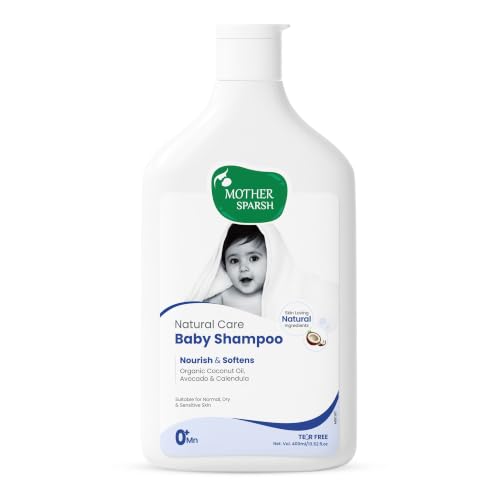
- Mother Sparsh Gentle Shampoo (₹140–180 for 100 ml)—coconut oil–based, sulfate-free. Rated 4.3 stars (1,800+ reviews).
- The Moms Co Natural Baby Shampoo (₹190–240 for 200 ml)—no SLS/SLES, aloe and chamomile base. Rated 4.1 stars (2,500+ reviews).
- Biotique Baby Shampoo (₹120–160 for 100 ml)—herbal base, sulfate-free, budget-friendly. Rated 3.9 stars (900+ reviews).
- Baby Dove Shampoo pH Balanced (₹140–190 for 200 ml)—hypoallergenic, fragrance-free, no sulfates. Rated 4.4 stars (3,200+ reviews).
- Burt's Bees Baby Wash (₹220–280 for 170 ml)—natural, sulfate-free, tear-free formula. Rated 4.2 stars (1,400+ reviews).
All six are available on Amazon.in with next-day delivery in major Indian metros (Mumbai, Delhi, Bengaluru, Pune, Hyderabad, Chennai). None of them sacrifice cleaning power or add unnecessary fragrance or colourants.
The Real Checklist: What to Look For on the Label
Rather than a "safe" vs. "unsafe" binary, here's what to verify on the product label or Amazon.in description:
- Avoid SLS if your baby has eczema, cradle cap, or diagnosed sensitive skin. SLES is acceptable (gentler) but not ideal.
- Check for parabens—these preservatives are safe in small amounts (regulatory bodies including BIS allow them in baby products), but some parents prefer paraben-free formulas anyway. The brand will disclose this on the label.
- Fragrance status—"fragrance-free" or "unscented" means no added scent. "Hypoallergenic" is a marketing term (not regulated), so read the ingredient list. Natural oils (like chamomile or coconut) are still scent.
- pH balance—baby skin is more neutral than adult skin. Labels stating "pH 5.5" or "mild" are designed for this.
- Tear-free claim—this refers to eye irritation, not SLS content. It just means the formula won't sting eyes if it drips during rinsing.
What Paediatricians Say
IAP stance (2025): SLS is not contraindicated in healthy infants, but gentler alternatives should be considered for babies with eczema or pre-existing dermatitis. Practical takeaway: If your baby's scalp is clear and healthy, Johnson's or any SLS product is fine. If there's redness, itching, or dryness, switch to an SLS-free brand—you'll likely see improvement within 1–2 weeks.
Bottom Line
SLS won't poison your baby, and it's not a hidden carcinogen. But it is an irritant for a meaningful minority of babies—especially those with sensitive or eczema-prone skin. The 2026 research makes it clear: if you have a choice and your baby has any skin condition, an SLS-free option like Mamaearth, Mother Sparsh, or Baby Dove is the safer bet. If your baby's skin is resilient and you're happy with Johnson's or Himalaya, there's no urgent reason to switch. The key is knowing your baby's skin type first, then matching the shampoo accordingly.
Our Top Picks
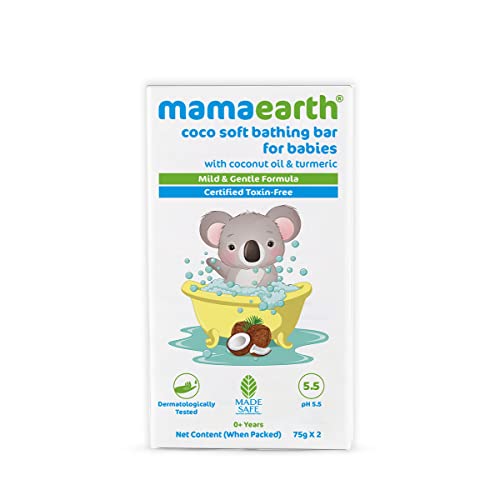
Mamaearth Gentle Baby Shampoo with Coconut Oil & Turmeric
- ✓ SLS-free & SLES-free
- ✓ 150 ml bottle
- ✓ Plant-based cleanser
* We earn a small commission — at no extra cost to you.
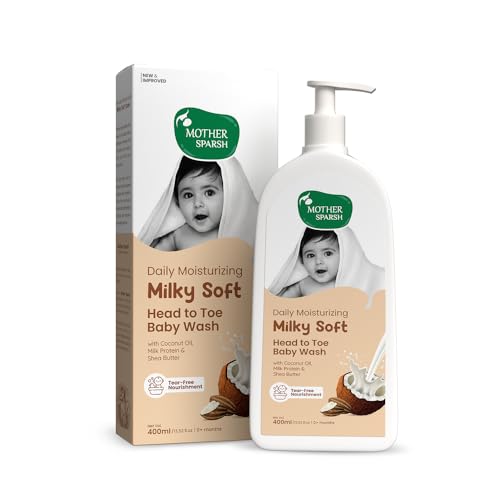
Mother Sparsh Gentle Baby Shampoo
- ✓ Sulfate-free formula
- ✓ 100 ml bottle
- ✓ Coconut oil-infused
* We earn a small commission — at no extra cost to you.
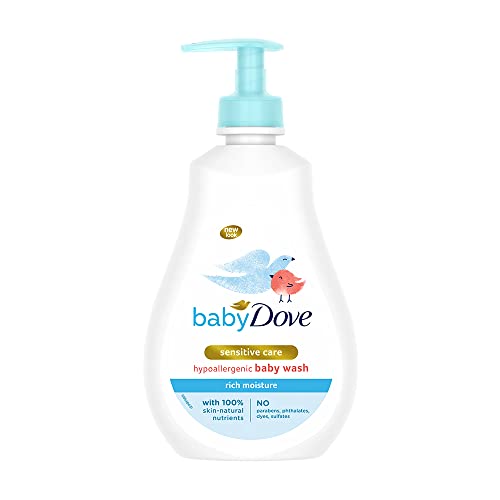
Baby Dove Tip to Toe Wash pH Balanced
- ✓ No sulfates
- ✓ 200 ml bottle
- ✓ Hypoallergenic & fragrance-free
* We earn a small commission — at no extra cost to you.
The Moms Co Natural Baby Shampoo
- ✓ SLS/SLES-free
- ✓ 200 ml bottle
- ✓ Aloe & chamomile base
* We earn a small commission — at no extra cost to you.
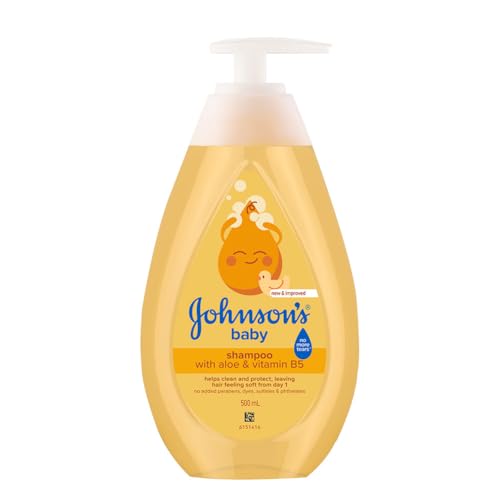
Johnson's Baby Shampoo (Original)
- ✓ Contains SLS
- ✓ 100 ml bottle
- ✓ Tear-free formula
* We earn a small commission — at no extra cost to you.
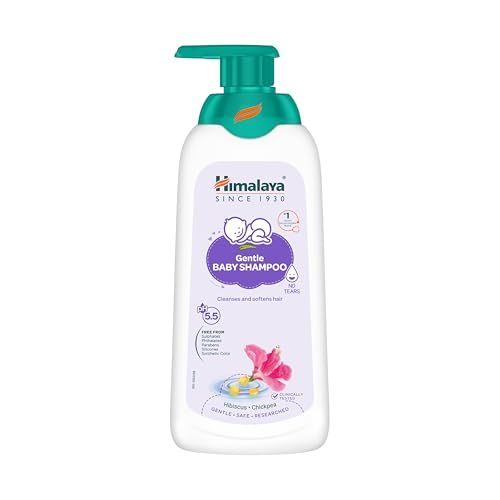
Himalaya Baby Shampoo Gold
- ✓ SLS-based cleanser
- ✓ 100 ml bottle
- ✓ Herbal formulation
* We earn a small commission — at no extra cost to you.