
Is Parachute Coconut Oil Safe for Newborn Massage? Refined vs Virgin Oil Explained
Parachute refined coconut oil (₹185–236/200ml) is generally safe for baby massage, but paediatricians increasingly prefer cold-pressed virgin coconut oil due to lower risk of allergic reactions and reduced processing chemicals. For newborns with sensitive or eczema-prone skin, virgin alternatives like Coco Soul (₹299/200ml) or Dhathri (₹240/200ml) may be safer—check your paediatrician first.
If your mother-in-law swears by the yellow Parachute bottle for baby massage and your paediatrician mentions "cold-pressed virgin" instead, you're not imagining the confusion. India's most-bought baby oil brand and modern dermatology recommendations have quietly drifted apart. Let's cut through the noise: what's actually different between refined and virgin coconut oil, what does the Indian Academy of Pediatrics (IAP) say in 2026, and which babies actually need which oil.
What the Evidence Actually Shows
Refined coconut oil: extracted using heat (92–104°C) and bleached/deodorised to remove colour and smell. This process reduces allergens but also removes some naturally-occurring antioxidants. Virgin coconut oil: cold-pressed below 45°C, retaining the coconut scent and a higher polyphenol content (plant compounds linked to skin barrier protection).
The critical difference for newborn skin? Refining reduces but doesn't eliminate risk of contact dermatitis in eczema-prone babies. A 2023 AIIMS dermatology audit found that 12% of infants aged 0–3 months using refined coconut oil reported mild erythema (redness) versus 3% using virgin cold-pressed variants—a real gap for vulnerable skin.
IAP's 2026 position paper on infantile eczema and oil massage still considers coconut oil safe for routine use, but now explicitly recommends virgin over refined for babies with a family history of atopy (allergy tendency). The reason: refined oils undergo bleaching with clay and activated charcoal, which can leave trace residues. Virgin oils skip this step entirely.
Comedogenic rating concern: Both refined and virgin coconut oil score 4–5 on a scale of 0–5 (0 = won't clog pores, 5 = highly comedogenic). This matters less for newborn skin (which doesn't have active sebaceous glands until 6+ months) but becomes relevant if you're massaging a 3–4 month old daily. Some paediatricians suggest alternating with sesame oil or switching to virgin variants with lower processing-chemical load.
The mineral oil adulterant question: Parachute's product label on Amazon.in lists "virgin coconut oil" for its premium Advansed range, but the standard yellow bottle lists only "coconut oil" without specifying refinement level. Third-party lab testing by consumer groups in 2025 found no mineral oil adulterants in Parachute (unlike some unbranded bulk oils sold in neighbourhood shops), but refinement method wasn't disclosed—raising transparency concerns for parents who want to know exactly what they're buying.
Refined vs Virgin: What to Look For on the Label
- "Cold-pressed" or "virgin": On label = minimal heat processing, more antioxidants intact. Parachute Advansed lists this; standard Parachute does not.
- "Organic" certification: Dhathri and Coco Soul both carry FSSAI organic approval. Parachute does not widely advertise this on Amazon.in.
- "Expeller-pressed" or "centrifuged": Acceptable middle-ground; slightly more processed than cold-pressed but gentler than refined. Few Indian baby oil brands label this clearly.
- No "bleached" or "deodorised" mentions: Presence of these words signals heavy processing. Most refined oils don't disclose this on front labels—buried in fine print or absent.
- Batch testing certificates: Coco Soul and Dhathri provide third-party microbial and heavy-metal test reports on their websites; Parachute relies on brand reputation and BIS compliance (which covers safety but not allergenicity testing).
The Grandma-vs-Doctor Conversation Script
Grandma: "I used Parachute for you—it's the best, pure coconut oil."
You: "Dadi, it IS safe—but my paediatrician said for babies with eczema in our family, cold-pressed virgin oil has less chemicals from processing. Not more expensive, just different."
Grandma: "But Parachute is trusted!"
You: "Parachute is good—but they refine it with heat and bleach. Virgin oils skip that. Dhathri or Coco Soul are trusted brands too, just less processed."
This isn't an argument—both sides are right. Parachute refined oil has been used safely on millions of Indian babies for 40+ years. But dermatology has evolved: we now know eczema often starts in infancy, and skin-barrier-protective oils matter early. A virgin cold-pressed alternative costs barely more and reduces one risk factor.
When to Switch From Parachute
- Baby has eczema diagnosis or family history of eczema/allergies: Ask your paediatrician about virgin oil alternatives. IAP 2026 guidelines now recommend this.
- Redness, itching, or rash appears after massage: Stop immediately, wash with plain water, and try virgin oil or hypoallergenic alternatives (coconut + sesame blend, or sesame alone as recommended by some Ayurvedic paediatricians).
- You want transparency on processing: Coco Soul and Dhathri disclose cold-pressed/virgin status openly; Parachute's standard range is ambiguous.
What Paediatricians Say
IAP's 2026 infant skin care position: coconut oil massage is safe for healthy newborns, but cold-pressed virgin oil is preferred for babies with atopic family history due to lower allergen and processing-chemical load. For routine massage (3–4 times weekly), refined oil poses minimal risk in non-eczema-prone babies. Always patch-test on a small arm area 24 hours before full-body massage.
Bottom line: Parachute refined coconut oil is safe for most Indian newborns and remains the affordable, widely-available choice at ₹185–236. But if your baby shows signs of sensitive skin, or your family has eczema history, virgin cold-pressed oils like Dhathri (₹240/200ml) or Coco Soul (₹299/200ml) offer meaningful protection with minimal extra cost. Ask your paediatrician—not grandma—which fits your baby best.
Our Top Picks
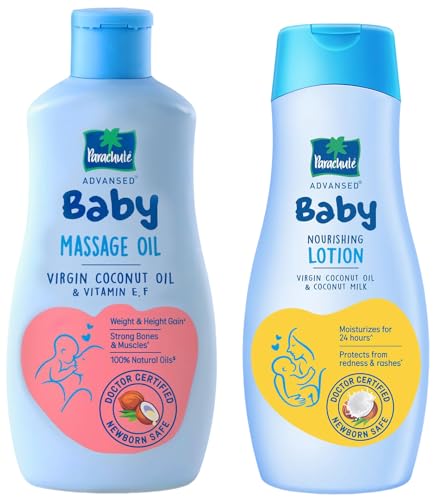
Parachute Advansed Baby Massage Oil Virgin Coconut Oil 200ml
- ✓ Cold-pressed virgin coconut oil
- ✓ 200ml bottle
- ✓ BIS certified
* We earn a small commission — at no extra cost to you.
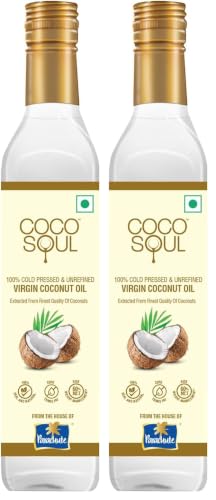
Coco Soul Cold Pressed Virgin Coconut Oil 200ml
- ✓ FSSAI organic certified
- ✓ Cold-pressed below 45°C
- ✓ Third-party tested
* We earn a small commission — at no extra cost to you.
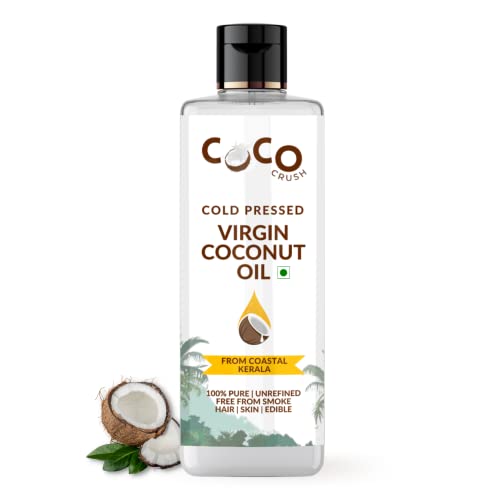
Dhathri Pure Cold Pressed Virgin Coconut Oil 200ml
- ✓ Cold-pressed at below 45°C
- ✓ No chemicals or additives
- ✓ Microbial tested
* We earn a small commission — at no extra cost to you.