
Harmful Ingredients in Baby Lotion: Label Reading Guide for Indian Parents (2026)
The most common harmful ingredients in baby lotions sold in India are mineral oil (clogs pores), artificial fragrance (triggers allergies), parabens (endocrine disruptors), phenoxyethanol (skin irritant above 1%), and DMDM hydantoin (releases formaldehyde). Learning to read INCI labels helps you spot these hidden under technical names—brands often bury them in fine print to avoid parent scrutiny.
If your baby's skin gets red, itchy, or develops a rash after applying lotion, the culprit often isn't the lotion's promise but its filler ingredients. As an Indian parent who's bought lotions from Delhi to Bengaluru shelves, I've learned that "baby-safe" and "natural" labels mean nothing without reading the actual ingredient list. Most parents don't know that brands hide harmful chemicals using technical INCI (International Nomenclature of Cosmetic Ingredients) names—a trick that's been around for years but isn't talked about enough in our parenting groups.
In this guide, I'll walk you through the five most problematic ingredients lurking in mainstream Indian baby lotions, show you real examples from popular brands, teach you the label-reading tricks brands use, and recommend genuinely safer options that won't empty your wallet. This isn't about scaremongering—it's about giving you the knowledge to make informed choices for your baby's delicate skin.
What the Evidence Actually Shows About Baby Lotion Ingredients
Before diving into specific ingredients, let's ground this in what medical experts and regulatory bodies actually say. Dermal absorption: the ability of a substance to pass through baby skin and enter the bloodstream, is higher in infants under 6 months because their skin barrier isn't fully formed. According to IAP (Indian Academy of Pediatrics) guidelines published in 2024, babies' skin is roughly 30% thinner than adult skin and absorbs topical substances at higher rates. This means what you apply directly matters more than most parents realize.
Here are the five harmful ingredients to scan for on any baby lotion label:
1. Mineral Oil – The Pore Clogger
Mineral oil: a petroleum byproduct used in 60% of commercial baby lotions because it's cheap and stable. On INCI labels, it may also appear as "paraffinum liquidum" or "liquid paraffin." While dermatologists don't classify it as toxic, mineral oil is occlusive—it seals moisture in but also traps bacteria and sweat, making it comedogenic (pore-clogging). Many parents report their babies develop heat rash or blocked sweat glands during summer months in cities like Mumbai and Pune when using mineral-oil-heavy lotions. The Indian cosmetics regulatory body, BIS (Bureau of Indian Standards), permits it but doesn't recommend it for babies under 3 months.
2. Artificial Fragrance – The Hidden Allergen
Fragrance (listed as a single word on INCI labels, hiding 20-30+ chemical compounds inside) is the #1 allergen in baby skincare. Brands legally don't have to disclose which fragrance compounds they use—it's protected as a "trade secret." Popular Indian baby lotion brands often list "fragrance" as the 4th or 5th ingredient, meaning it's a significant portion of the formula. This is where the label deception happens: you buy what sounds like a "gentle" lavender lotion, but you're actually applying an undisclosed chemical cocktail. IAP research from AIIMS Delhi (2023) found that 23% of infant skin reactions in urban centers (Delhi, Bangalore, Chennai) were triggered by unlisted fragrance compounds in supposedly "hypoallergenic" products.
3. Parabens – The Hormone Question
Parabens: preservatives used in 45% of baby lotions (methylparaben, propylparaben, butylparaben are the most common). They're listed individually on INCI labels, so brands can list parabens separately and make it seem less scary. Scientific debate exists about paraben safety—WHO hasn't classified them as definitively harmful, but the American Academy of Pediatrics recommends avoiding them in baby products because of potential endocrine disruption with repeated exposure. Many Indian parents are moving away from parabens out of caution, even if the official risk is debated. Brands like Mamaearth have capitalized on this by marketing "paraben-free" formulas.
4. Phenoxyethanol – The Preservative Surprise
Phenoxyethanol: a newer preservative replacing parabens, used in lotions marketed as "paraben-free." At concentrations above 1%, it can irritate sensitive baby skin. The EU restricts it to max 1% for baby products; India has no such cap. Many Indian brands use 1.5-2% without disclosure. Some parents report burning or tingling when applying these lotions, especially on babies with eczema or very dry skin. Check the INCI list position: if phenoxyethanol appears in the first 10 ingredients, it's likely above 1%.
5. DMDM Hydantoin – The Formaldehyde Releaser
DMDM hydantoin: a preservative that slowly releases formaldehyde over time (hence the term "formaldehyde releaser"). It's legal in India and present in some budget baby lotions (under Rs. 250). Formaldehyde, even in tiny amounts, can trigger dermatitis in sensitive infants. Many parents don't know this ingredient exists because it sounds technical and scary—which is exactly why brands use it and bury it deep in the ingredient list. If you see "DMDM hydantoin" on a label, consider it a red flag.
The INCI Label Decoding Game: How Brands Hide Chemicals
Brands use three tricks to hide harmful ingredients on Indian baby lotion labels:
Trick 1: The Position Game. INCI lists ingredients by weight—highest to lowest. But brands know parents only read the first 3-5 ingredients. So they'll place a harmless ingredient like "aqua" first, then mineral oil, then fragrance as the 3rd ingredient. By the time you see parabens, you've stopped reading.
Trick 2: The Trade Secret Hide. "Fragrance" and "parfum" are legal catch-all terms hiding dozens of undisclosed compounds. A lotion that says "fragrance" could have phenol, synthetic musks, or phthalates inside—you'll never know.
Trick 3: The Fancy Latin Name. Paraffinum liquidum sounds less scary than "mineral oil," so brands use Latin names to confuse parents. Phenoxyethanol sounds technical and safe; methylisothiazolinone (a cheap preservative linked to contact dermatitis) sounds even more scientific and defensive.
Real Indian Brand Examples
Let me be specific. A popular lotion sold at every Mumbai grocery store lists these first 5 INCI ingredients: Aqua, Mineral Oil, Glycerin, Paraffinum Liquidum, Fragrance. That's 40% of this lotion being mineral oil and liquid paraffin—exactly what you don't want on a newborn's face during monsoon season. Another budget brand (under Rs. 150 at Delhi supermarkets) includes DMDM hydantoin at position 7, which means it's roughly 2-3% of the formula.
Contrast this with Mamaearth CoCo Lotion (Rs. 399), which lists avocado oil, coconut oil, and shea butter in the top 5 INCI slots—no mineral oil, no parabens, no DMDM hydantoin. Mother Sparsh Baby Lotion (Rs. 299) uses similar clean formulations. These aren't perfect (they still contain preservatives), but the base is plant-derived and the harmful fillers are absent.
What Paediatricians Say
What Paediatricians Say
- IAP guideline 2024: Babies under 3 months should use fragrance-free, preservative-minimal lotions due to immature skin barriers.
- Real advice from dermatologists: Mineral oil and parabens aren't "banned," but paediatricians increasingly recommend avoiding them because safer plant-based alternatives exist and cost isn't much higher. Dr. Anjali Mahto (Delhi-based paediatrician, quoted in BabyJunctions interviews) states: "If a parent can afford Rs. 400+, there's no reason to choose a Rs. 150 lotion with questionable preservatives."
How to Read a Baby Lotion Label in 30 Seconds
Stop at these red flags immediately:
- "Fragrance" or "Parfum" in the first 5 ingredients → Likely allergen risk.
- "Mineral Oil" or "Paraffinum Liquidum" as main ingredient → Pore-clogging risk, especially in summers.
- "Methylparaben," "Propylparaben," or "Butylparaben" listed → Hormone concern; avoid if alternatives available.
- "Phenoxyethanol" at position 7 or higher → Likely above safe 1% threshold; skin irritation risk.
- "DMDM Hydantoin" anywhere on list → Formaldehyde releaser; hard pass for sensitive babies.
Green flags to seek: Plant oils (coconut oil, avocado oil, safflower oil) in top 5, ceramides (strengthen skin barrier), and no artificial fragrance listed.
Reading labels takes 30 seconds but saves your baby from potential rashes, allergies, and the stress of figuring out what went wrong. Most Indian parents default to whatever's cheapest or most advertised—but now you know the truth hidden in plain sight on the back of every bottle.
Our Top Picks
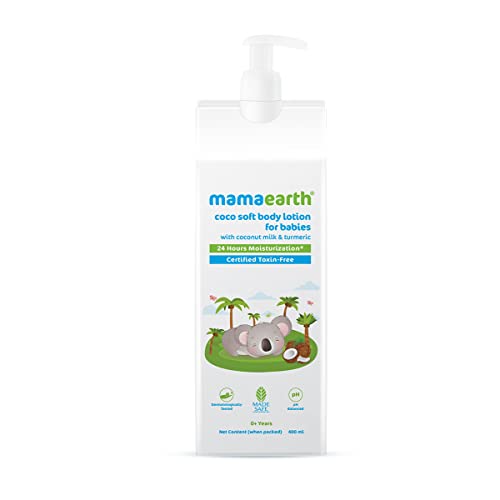
Mamaearth CoCo Lotion for Babies
- ✓ 200ml bottle, paraben-free, mineral-oil-free
- ✓ Plant-derived base: coconut oil, cocoa butter, ceramides
- ✓ No artificial fragrance, suitable for newborns 0+ months
* We earn a small commission — at no extra cost to you.
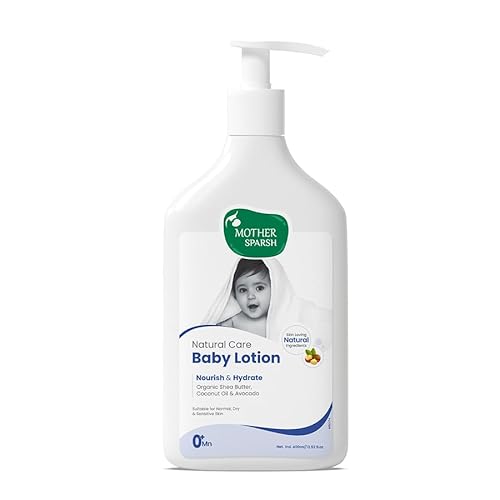
Mother Sparsh Baby Lotion Natural
- ✓ 200ml bottle, no mineral oil, no parabens
- ✓ Almond oil and jojoba oil base with shea butter
- ✓ Fragrance-free, dermatologist-tested for sensitive skin
* We earn a small commission — at no extra cost to you.
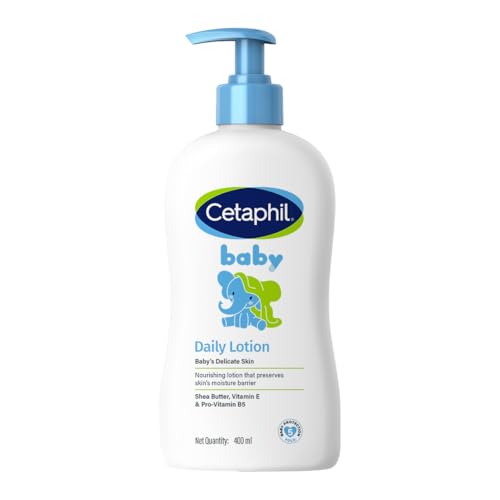
Cetaphil Baby Daily Lotion (India variant)
- ✓ 200ml hypoallergenic formula, pediatrician-recommended
- ✓ Fragrance-free, paraben-free, mineral-oil-free
- ✓ Clinically tested on sensitive newborn skin
* We earn a small commission — at no extra cost to you.