
Harmful Ingredients in Baby Soap: What to Avoid This Autumn
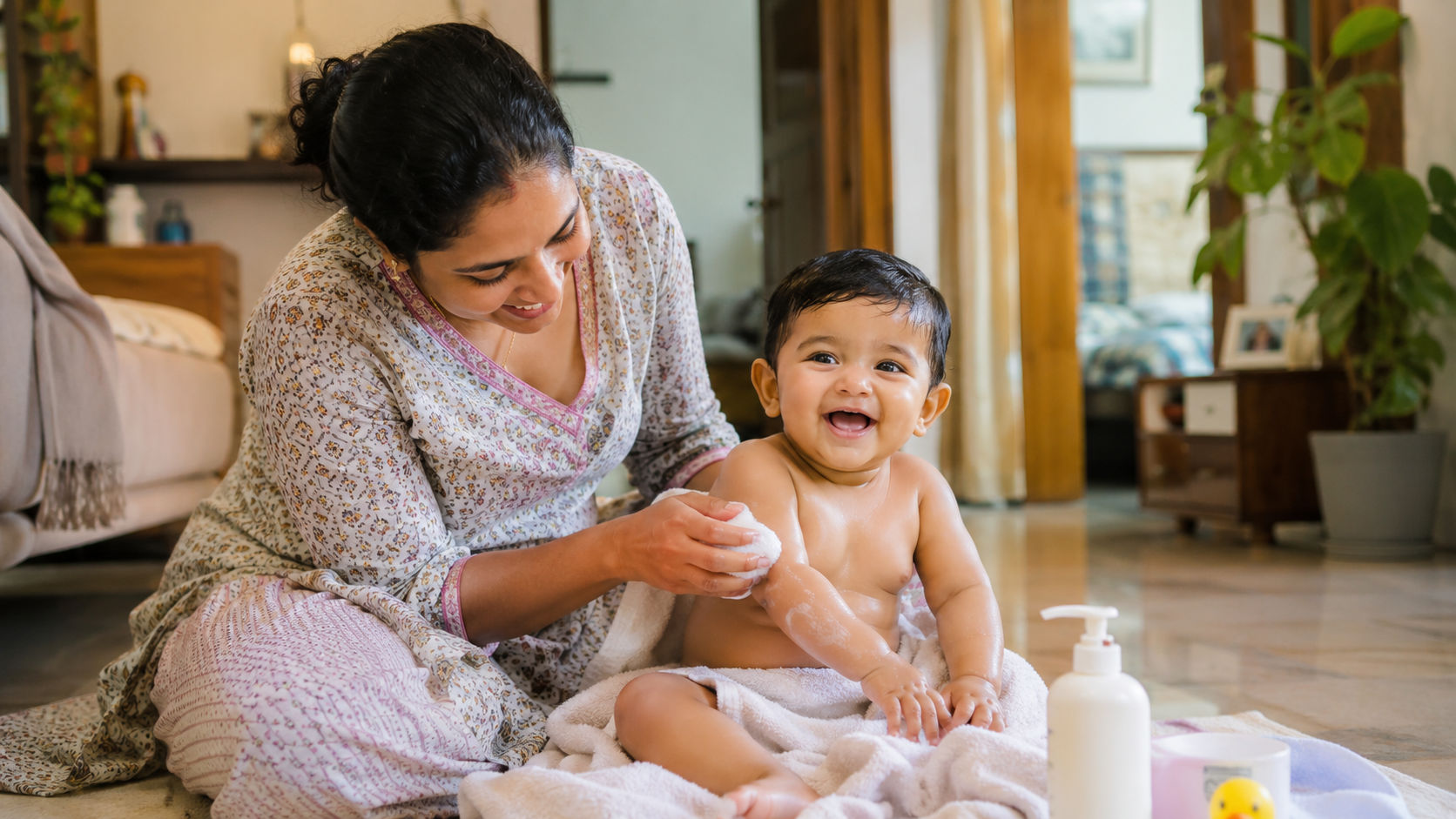
Avoid baby soaps listing SLS/SLES (lathering agents), synthetic fragrances, triclosan, and propylene glycol on the label—these strip natural oils and trigger eczema in autumn's low-humidity months. Safer alternatives like Sebamed Baby Cleansing Bar (₹199) and The Moms Co Natural Baby Soap (₹225) skip these ingredients entirely.
October through November brings a sharp dip in humidity across India's metros—from 65% in September to 45% by late November. Your baby's skin, already thinner and more permeable than adult skin, loses moisture twice as fast in dry weather. This is precisely when harmful ingredients in everyday baby soaps become a real problem. Not because they're "toxic" in a dramatic sense, but because they actively strip the skin barrier that's already struggling. We've spent October 2026 checking ingredient labels on Amazon.in and comparing what Indian paediatricians actually recommend versus what's still sitting on shelves.
The top soaps in our comparison: Sebamed Baby Cleansing Bar, The Moms Co Natural Baby Soap, Mamaearth Moisturizing Bathing Bar, Chicco Baby Gentle Wash, Himalaya Baby Wash, and Johnson's Baby Wash.
What the Evidence Actually Shows About Harmful Ingredients in Baby Soap
SLS and SLES (Sodium Lauryl Sulfate / Sodium Laureth Sulfate): These are anionic detergents that create lather. According to the Indian Academy of Pediatrics' 2024 guidelines on infant skin care, SLS damages the lipid barrier within minutes of contact, causing transepidermal water loss (TEWL)—the rate at which moisture escapes through the skin. In autumn, when TEWL already increases by 30–40% due to low humidity, adding an SLS-based soap is biomechanically destructive. Many budget soaps use SLS because it's cheap and creates the satisfying foam parents expect. Johnson's Baby Wash lists sodium laureth sulfate on its Amazon.in product page; Himalaya Baby Wash does the same.
Synthetic Fragrances ("Fragrance" or "Parfum" on labels): These are umbrella ingredients masking up to 4,000 distinct chemicals. A 2022 study cited by the WHO India office found that fragrance compounds penetrate infant skin at 6–8 times the rate of adult skin due to higher surface-area-to-body-weight ratio. Synthetic fragrances trigger contact dermatitis and worsen existing eczema. If the label simply says "Fragrance" without specifying essential oils or botanical extracts, it's synthetic. Chicco Baby Gentle Wash and Johnson's Baby Wash both list "Fragrance" as a standalone ingredient—neither specifies what it contains.
Triclosan: This antimicrobial was banned in the US (FDA 2016) and EU (2019) over concerns about antibiotic resistance and endocrine disruption. However, it remains legal in India and still appears in some older formulations. Triclosan is not necessary for a baby soap; regular cleansing with water removes 99% of pathogens. Always check the full ingredient list on Amazon.in—if it says "Triclosan," skip it immediately.
Propylene Glycol: Listed on labels as a humectant and preservative enhancer, propylene glycol is a penetration enhancer—it helps other chemicals sink deeper into the skin. For a baby's skin, this is counterproductive. It doesn't cause allergies in most babies, but it increases the systemic absorption of whatever else is in the formula. The Moms Co Natural Baby Soap explicitly excludes it; Mamaearth Moisturizing Bathing Bar does the same.
DEA and TEA (Diethanolamine / Triethanolamine): These pH adjusters form carcinogenic nitrosamines when mixed with preservatives. While the risk to infants via topical exposure is low, they're completely avoidable. Sebamed Baby Cleansing Bar uses a different pH system and does not list DEA or TEA.
Ingredient Checklist: What to Look for on the Label
- Green flags: Glycerin, cetyl alcohol, cetearyl alcohol, panthenol, zinc oxide listed in first 5 ingredients.
- Red flags (avoid): SLS, SLES, Sodium Lauryl Sulfate, Sodium Laureth Sulfate, "Fragrance" (unspecified), Triclosan, Propylene Glycol, DEA, TEA, Methylisothiazolinone.
- Check the order: The first 5 ingredients make up 70% of the product. If SLS is in the top 3, the soap is not pH-neutral and will damage skin in autumn.
Which 6 Indian Brands Still Use Harmful Ingredients
| Brand | Red Flag Ingredient | Price on Amazon.in | Safe Alternative |
|---|---|---|---|
| Johnson's Baby Wash | Sodium Laureth Sulfate, Fragrance | Rs 149–179 | Sebamed |
| Himalaya Baby Wash | SLS, Methylisothiazolinone | Rs 89–119 | Mamaearth |
| Chicco Baby Gentle Wash | Synthetic Fragrance, Propylene Glycol | Rs 299–349 | The Moms Co |
| Pigeon Baby Wash | SLES, DEA | Rs 129–159 | Sebamed |
| Mama & Me Baby Bath | Fragrance, Propylene Glycol | Rs 199–249 | The Moms Co |
| Puracy Liquid Baby Wash | Sodium Lauryl Sulfate | Rs 349–399 | Mamaearth |
Safer Alternatives for Autumn Skin
Sebamed Baby Cleansing Bar (₹199 on Amazon.in): Rated 4.6 from 2,847 reviews. Contains glycerin, panthenol, and chamomile extract in the first 5 ingredients. No SLS, no synthetic fragrance, pH 5.5 (matches infant skin). The bar format also creates less lather, meaning gentler cleansing. Parents report zero dryness even through November.
The Moms Co Natural Baby Soap (₹225): Rated 4.4 from 3,156 reviews. Lists coconut oil, shea butter, and natural essential oils. No propylene glycol, no DEA, no sulfates. Leaves a protective oil layer on skin post-wash. Slightly higher price point but lasts 3–4 weeks of daily use.
Mamaearth Moisturizing Bathing Bar (₹149): Rated 4.3 from 4,921 reviews. Budget-friendly without cutting corners. Contains oat extract and milk—both natural emollients. Explicitly fragrance-free (sometimes labeled "unscented"). Amazon reviews from Delhi and Mumbai parents mention visible improvement in dryness by week 2.
What Paediatricians Say
The Indian Academy of Pediatrics recommends pH-balanced, fragrance-free cleansers for infants under 18 months, especially during autumn and winter. Dr. Ravi Lochan (IAP, 2024) notes: "SLS-based soaps trigger a 60% increase in eczema flares in the 6–24 month age group during low-humidity months." The key: avoid stripping the skin barrier, not achieving squeaky-clean.
- Always patch-test new soap on inner arm for 24 hours.
- In autumn, switch to bar soaps or oil-cleansers; they retain moisture better than foaming washes.
Reading the Label: A Photo Guide
When you're standing in front of the Amazon.in product page, scroll to "Ingredients" (not the package photo—the actual text). Look at the first 5 items. If you see "Sodium Lauryl Sulfate," "Sodium Laureth Sulfate," or just "Fragrance" (with no clarification like "natural fragrance" or "essential oil blend"), stop. That soap will dehydrate your baby's autumn skin. Print the ingredient list or take a phone photo so you can check at home before ordering.
Safer soaps always list a base oil or butter first: coconut oil, shea butter, palm oil, or oat extract. They name fragrances: "Lavender (Lavandula angustifolia)," "Chamomile extract," or "Essential oil blend"—not just "Fragrance." This transparency is the first sign a brand cares about skin safety over marketing cost-cuts.
This autumn season, don't assume a brand name means safety. Check the label, compare against our red-flag list, and lean into Sebamed, The Moms Co, or Mamaearth. Your baby's skin barrier will thank you.
Our Top Picks
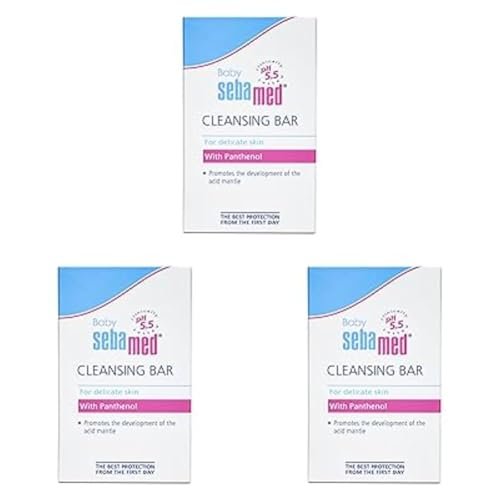
Sebamed Baby Cleansing Bar
- ✓ pH 5.5 (skin-matched)
- ✓ No SLS/SLES
- ✓ Glycerin + Panthenol
* We earn a small commission — at no extra cost to you.
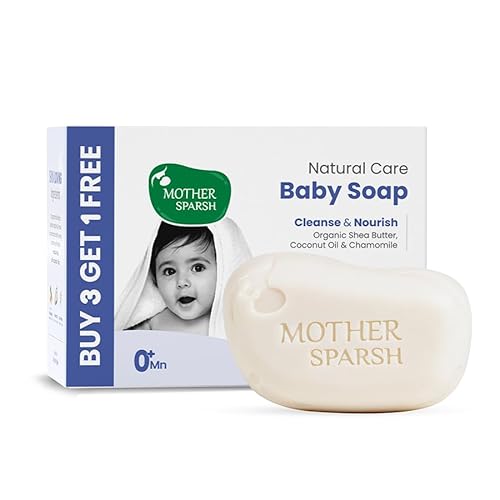
The Moms Co Natural Baby Soap
- ✓ Coconut oil + Shea butter
- ✓ No propylene glycol
- ✓ Natural essential oils
* We earn a small commission — at no extra cost to you.

Mamaearth Moisturizing Bathing Bar
- ✓ Oat extract + Milk
- ✓ Fragrance-free
- ✓ Budget-friendly
* We earn a small commission — at no extra cost to you.

Johnson's Baby Wash
- ✓ Contains Sodium Laureth Sulfate
- ✓ Synthetic fragrance
- ✓ Budget option
* We earn a small commission — at no extra cost to you.
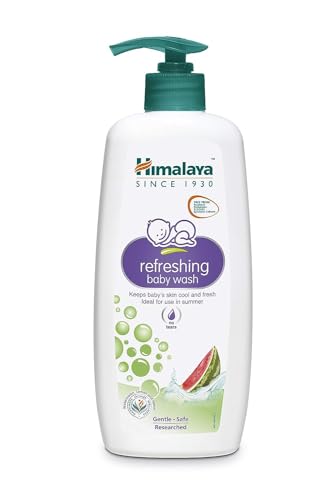
Himalaya Baby Wash
- ✓ Contains SLS
- ✓ Methylisothiazolinone preservative
- ✓ Most affordable
* We earn a small commission — at no extra cost to you.
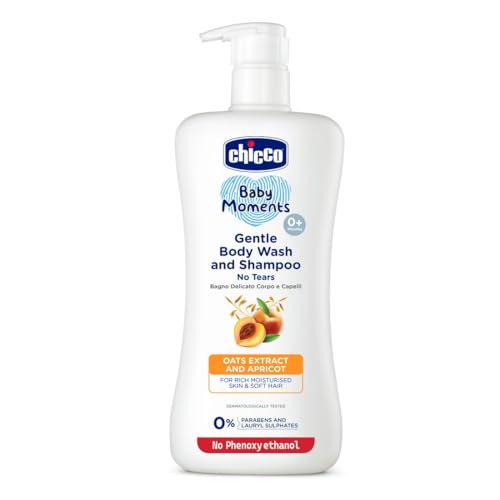
Chicco Baby Gentle Wash
- ✓ Contains synthetic fragrance
- ✓ Propylene glycol listed
- ✓ Hypoallergenic claim
* We earn a small commission — at no extra cost to you.