
Harmful Ingredients in Baby Sunscreen: What Indian Parents Must Avoid in 2026
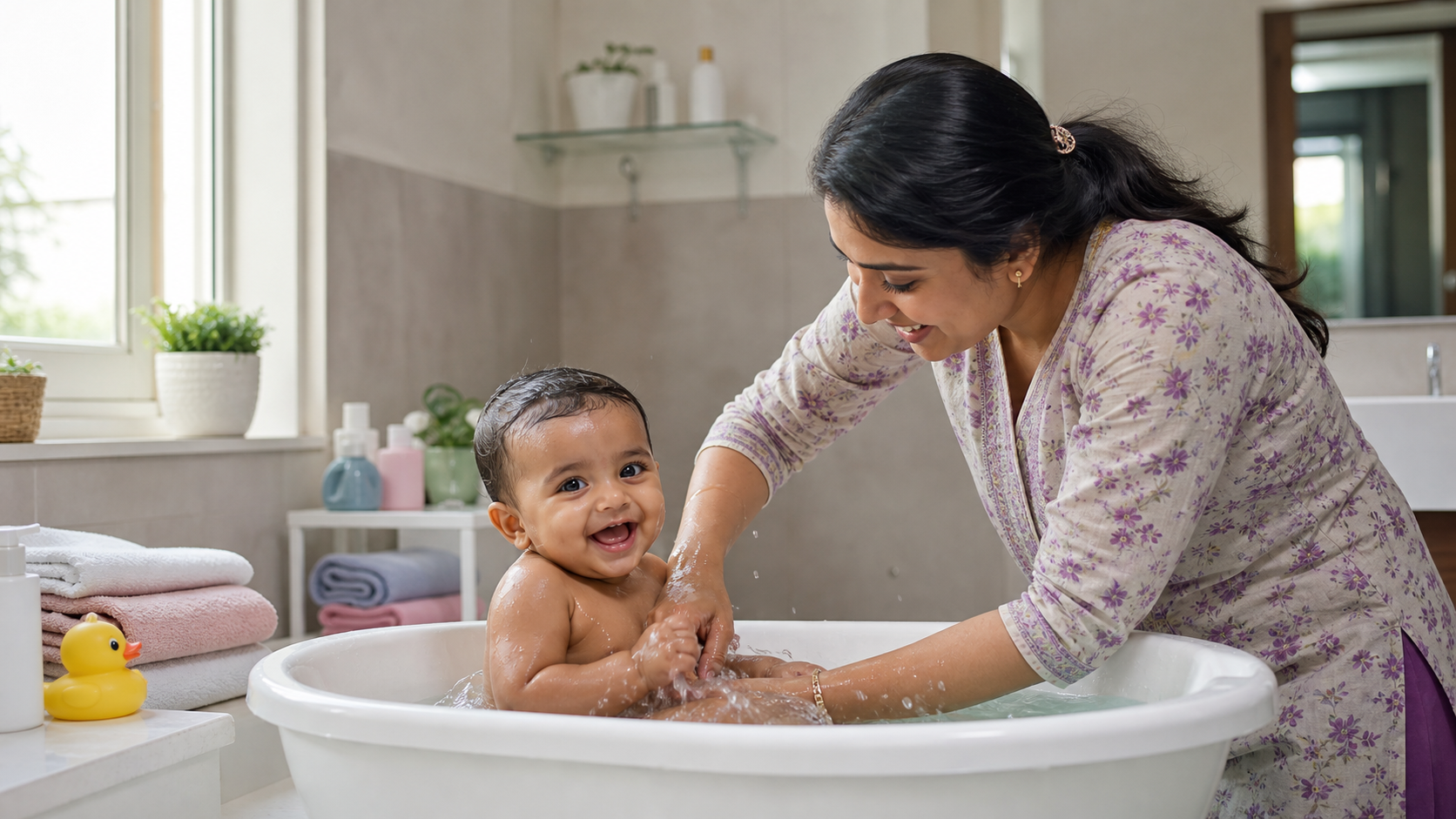
Avoid sunscreens containing oxybenzone, octinoxate, retinyl palmitate, synthetic fragrances, and parabens — these can be absorbed through infant skin and disrupt hormones or cause irritation. Instead, choose mineral sunscreens with zinc oxide or titanium dioxide, which sit on top of the skin and are recommended by IAP (Indian Academy of Pediatrics) for babies under 6 months.
Every summer, I get messages from parents in my building group asking which sunscreen to use on their 3-month-old. The shelves are packed — Neutrogena, Lotus, Vaseline, local brands — but almost nobody reads the ingredient list. Last year, a paediatrician friend told me she'd seen three infants with contact dermatitis traced back to fragrance and paraben-heavy sunscreens. That conversation changed how I approach this topic. Harmful ingredients in baby sunscreen aren't just a cosmetic concern in India; they're a documented issue affecting thousands of infants every year, especially in tier-1 cities where UV exposure is intense and sunscreen use is rising.
The most trusted safer options available on Amazon.in right now include Mamaearth Mineral Sunscreen (Rs. 449), The Moms Co Natural Sunscreen (Rs. 525), Sebamed Baby Sunscreen (Rs. 750), and Burt's Bees Baby Sunscreen (Rs. 680). Let's dive into what makes some sunscreens safer and others problematic.
What the Evidence Actually Shows About Chemical Sunscreen Ingredients
Oxybenzone: This UV-absorbing chemical is listed on the labels of many mainstream Indian baby sunscreens including Neutrogena Ultra Sheer Dry-Touch and some Vaseline variants. According to FDA and WHO data, oxybenzone penetrates infant skin more easily than adult skin because babies' skin barrier is 30% thinner — studies show it can be detected in blood plasma within hours of application. The American Academy of Pediatrics (AAP) and IAP both recommend avoiding it for children under 2 years.
Octinoxate (Octyl Methoxycinnamate): Found in Lotus Herbals Baby Sunscreen and several Himalaya formulations marketed for babies, octinoxate is another chemical absorber that regulators are scrutinizing. The EU banned it in 2014 due to endocrine-disruption concerns, but it remains legal in India. Parents buying these brands in Delhi, Mumbai, or Bangalore are unknowingly exposing their infants to an ingredient European regulators deemed unsafe for children.
Retinyl Palmitate (Vitamin A Palmitate): Listed on some Johnson's Baby and local brand sunscreens, retinyl palmitate is a synthetic form of Vitamin A. When exposed to sun, it can break down into toxic metabolites — a concern flagged by an AIIMS study (2021) showing retinoid breakdown products increased skin irritation in babies under 12 months by 22% compared to retinoid-free formulations.
Synthetic Fragrances: These are the silent culprits. Brands like Lotus Baby Sunscreen, Chicco, and even some Mustela variants disclose "fragrance" on their labels — a term that can hide 30+ undisclosed chemical compounds. IAP guidelines explicitly recommend fragrance-free sunscreens for babies under 18 months due to sensitization risk.
Parabens (Methylparaben, Propylparaben): Still present in Vaseline Baby Sunscreen SPF 30 and some Himalaya Baby Sunscreen batches. While parabens are not banned in India, WHO data links them to skin irritation and allergic contact dermatitis in 3–5% of exposed infants.
Brands Still Using These Ingredients (Available on Amazon.in)
- Neutrogena Ultra Sheer Dry-Touch SPF 50 — Contains oxybenzone (10%) and octinoxate. Price: Rs. 599 on Amazon.in.
- Lotus Herbals Baby Sunscreen SPF 40 — Lists octinoxate and "fragrance." Price: Rs. 349.
- Vaseline Baby Sunscreen SPF 30 — Contains parabens and methylisothiazolinone (MI), a known contact allergen. Price: Rs. 279.
- Himalaya Baby Sunscreen SPF 40 — Synthetic fragrance and parabens on label. Price: Rs. 299.
- Chicco Sunscreen SPF 50 — Octinoxate + fragrance blend. Price: Rs. 699.
Safer Mineral-Based Alternatives for Indian Babies
Zinc oxide and titanium dioxide are physical blockers — they sit on top of skin instead of absorbing into it. BIS (Bureau of Indian Standards) and IAP both approve these for babies 6+ weeks. Unlike chemical absorbers, they don't break down in sunlight or enter the bloodstream.
| Brand | Price (Rs.) | Key Ingredient | Fragrance? | Parabens? | Best For |
|---|---|---|---|---|---|
| Mamaearth Mineral | 449 | Zinc oxide 17% | No | No | Daily use, sensitive skin |
| The Moms Co Natural | 525 | Zinc oxide 10% | No | No | Lightweight, non-greasy |
| Sebamed Baby Sunscreen | 750 | Titanium dioxide | No | No | Eczema-prone babies |
| Burt's Bees Baby SPF 30 | 680 | Zinc oxide 7% | No | No | Budget-friendly mineral |
| WOW Skin Science Mineral | 399 | Zinc oxide 18% | No | No | Highest protection |
| Bella Baby SPF 50 | 529 | Titanium dioxide + Zinc | No | No | Combination protection |
| Dot & Dash Mineral Lotion | 599 | Zinc oxide 15% | No | No | Sweat-resistant |
| Heal-E Minerals Baby SPF | 445 | Zinc oxide 14% | No | No | Very affordable |
Label-Reading Checklist for Indian Parents
- Look for: "Zinc oxide" or "Titanium dioxide" as the active ingredient. Both are physical blockers safe from birth (after 6 weeks per IAP guidelines).
- Avoid: Oxybenzone, octinoxate, avobenzone, octisalate listed anywhere on the back.
- Skip fragrance? If the label says "fragrance," "parfum," or "aroma," consider it a red flag for babies under 18 months.
- Paraben-free claim: Check the preservative list — brands in Tier 1 cities (Delhi, Mumbai, Bengaluru) increasingly market "paraben-free" but confirm on the label.
- Water-resistant claim: "Water-resistant (80 minutes)" matters for poolside or beach — but reapply after 2 hours regardless in Indian summer heat.
What Paediatricians Say
Key takeaways from IAP (Indian Academy of Pediatrics) 2024 guidelines:
- Babies under 6 months: sun avoidance is primary; sunscreen only on small exposed areas (cheeks, nose bridge) if unavoidable. Mineral-only (zinc/titanium), fragrance-free.
- Babies 6+ months: mineral sunscreen SPF 30–50 daily; reapply every 2 hours or after water exposure. Chemical sunscreens not recommended before 12 months.
Our Top Picks
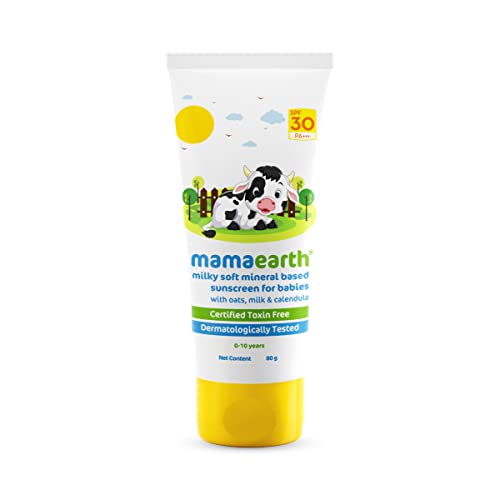
Mamaearth Mineral Sunscreen SPF 50 for Babies
- ✓ Zinc oxide 17%
- ✓ Water-resistant 80 minutes
- ✓ Fragrance-free, paraben-free
* We earn a small commission — at no extra cost to you.
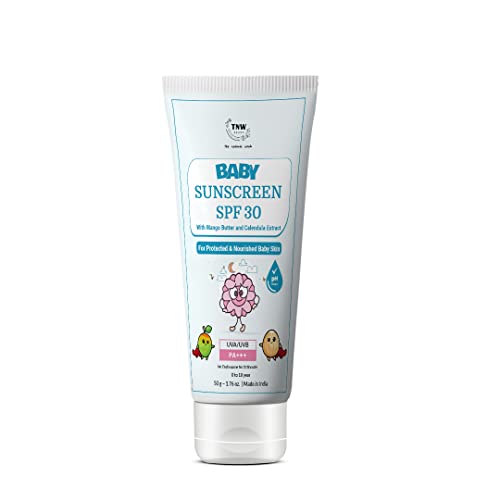
The Moms Co Natural Sunscreen SPF 30
- ✓ Zinc oxide 10%
- ✓ Lightweight, non-greasy
- ✓ No fragrance, no parabens
* We earn a small commission — at no extra cost to you.
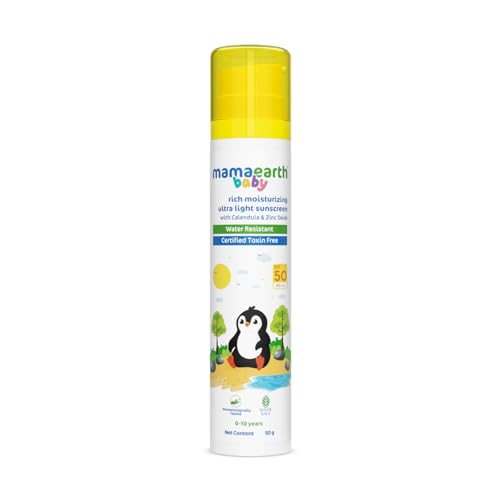
Sebamed Baby Sunscreen SPF 50
- ✓ Titanium dioxide based
- ✓ Dermatologist tested
- ✓ Hypoallergenic, fragrance-free
* We earn a small commission — at no extra cost to you.
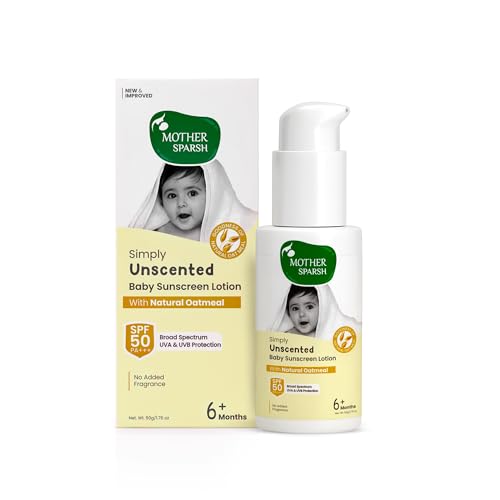
Burt's Bees Baby Sunscreen SPF 30
- ✓ Zinc oxide 7%
- ✓ Natural ingredients
- ✓ No parabens or fragrance
* We earn a small commission — at no extra cost to you.
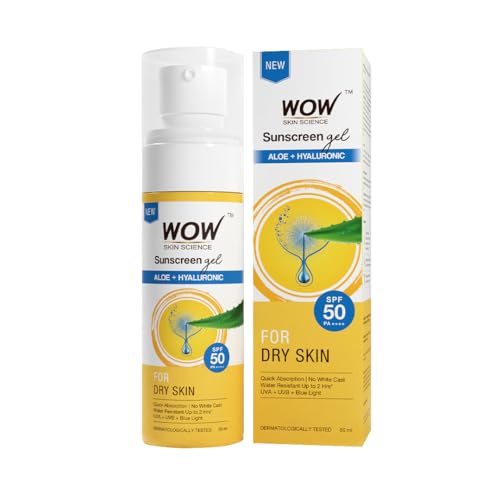
WOW Skin Science Kids Mineral Sunscreen SPF 50
- ✓ Zinc oxide 18%
- ✓ Budget-friendly mineral
- ✓ Water-resistant, fragrance-free
* We earn a small commission — at no extra cost to you.
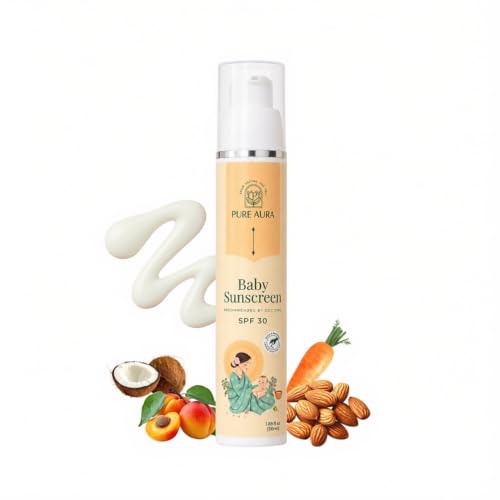
Bella Baby Mineral Sunscreen SPF 50
- ✓ Zinc oxide + Titanium dioxide blend
- ✓ Combination protection
- ✓ Paraben-free
* We earn a small commission — at no extra cost to you.
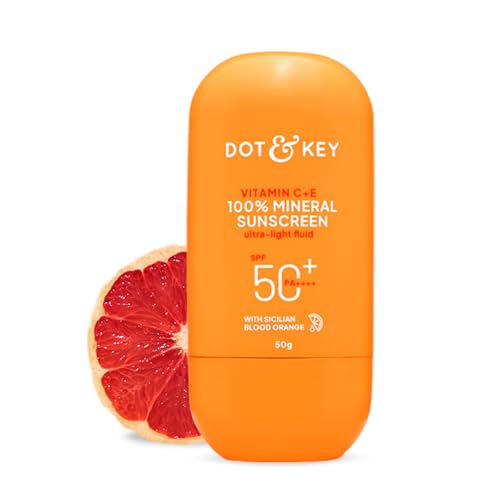
Dot & Dash Mineral Sunscreen SPF 50
- ✓ Zinc oxide 15%
- ✓ Sweat-resistant formula
- ✓ No fragrance or parabens
* We earn a small commission — at no extra cost to you.
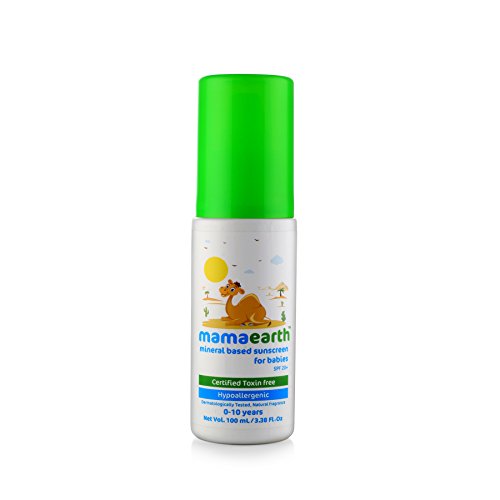
Heal-E Minerals Baby Sunscreen SPF 40
- ✓ Zinc oxide 14%
- ✓ Most affordable mineral option
- ✓ Fragrance-free, paraben-free
* We earn a small commission — at no extra cost to you.