Harmful Ingredients in Baby Lotion India 2026: A Parent's Label-Reading Guide
The most common harmful ingredients in baby lotions sold in India include parabens (methylparaben, propylparaben), synthetic fragrances (linked to skin allergies), mineral oil (clogs pores in heat), formaldehyde-releasing preservatives like DMDM hydantoin, and high alcohol content. Always flip the bottle to the ingredient list—marketing claims on the front mean nothing. Check for these red flags before buying.
I've watched my daughter's skin react to lotions that claimed to be "gentle" because I didn't read the small print. And I'm not alone. Across Delhi, Mumbai, Bengaluru, and Pune—wherever hot, humid weather keeps baby skin constantly moist—parents are realizing that Indian baby lotion labels hide a lot. The bottle says "natural" but the ingredient list tells a different story. Let's decode what actually goes on your baby's skin.
What the Evidence Actually Shows
Before we talk about products, let's talk about what science says. Skin absorption: your baby's skin absorbs 40% more topical applications than yours does, and has 10x less protective barrier until 2 years old (IAP guidelines 2024). That means ingredient safety isn't optional—it's biology.
Here's a checklist of red flags to spot on the back of any bottle:
The Five Ingredients You Should Question
- Parabens (Methylparaben, Propylparaben, Butylparaben): Found in 60-70% of baby products in India (per EWG Skin Deep database 2026). They preserve shelf life but can mimic estrogen in the body. Not "banned," but many paediatricians suggest avoiding them for babies under 2 years. If the label lists any paraben, consider alternatives.
- Synthetic Fragrance (listed as just "Fragrance" or "Parfum"): This is a catchall for 3,000+ chemical compounds that don't need individual disclosure. Common allergens hide here. In Mumbai's humidity and Delhi's pollution, fragrant lotions trigger contact dermatitis in 1 in 8 sensitive-skin babies (anecdotal data from pediatric clinics). Look for fragrance-free or naturally scented (rose, chamomile) on the label.
- Mineral Oil: Derived from petroleum, listed as "Paraffinum Liquidum" or "Mineral Oil" on Indian labels. It sits on skin like cling film—great for dry climates, terrible for Indian summers. In coastal cities or during monsoon, mineral oil-heavy lotions trap sweat and heat, causing miliaria (heat rash). If your baby lives in Bengaluru, Chennai, or Kolkata, this matters.
- Formaldehyde-Releasing Preservatives (DMDM Hydantoin, Diazolidinyl Urea, Imidazolidinyl Urea): These slowly release formaldehyde to kill bacteria. WHO considers formaldehyde a probable carcinogen. It's not illegal in India for rinse-off products (like lotions), but BIS standards (IS 7983:2021) now recommend avoiding it. If you see these names, skip it.
- High Alcohol Content: Some Indian brands list alcohol denat or ethanol in the top 5 ingredients. For a baby's thin, permeable skin, this causes irritation and dryness. Check the ingredient list order—if alcohol appears before water or oils, it's a high-alcohol formula. Avoid it entirely for babies under 6 months.
What Paediatricians Say
What Paediatricians Say
Dr. Anjali Sharma, IAP-certified paediatrician, Delhi: "Parents assume a lotion is safe because it's sold in pharmacies. Not true. The ingredient list is your only source of truth. I tell parents: if it has a synthetic fragrance, a paraben, AND mineral oil, your baby's skin doesn't need it. Natural alternatives work better in Indian climate." Key points: read ingredient order (first 5 are what matter), flip every bottle before checkout, and when in doubt, patch-test on wrist first.
Safer Alternatives to Consider
The good news: Indian brands have caught up. Three brands consistently label cleanly and test well with sensitive skin:
The Moms Co Plant-Based Baby Lotion (₹370 on Amazon.in): Lists coconut oil, aloe vera, and shea butter—no parabens, no fragrance, no mineral oil. 4.1-star rating from 8,000+ reviews. Slightly thicker texture, great for dry skin, but may feel heavy in peak summer.
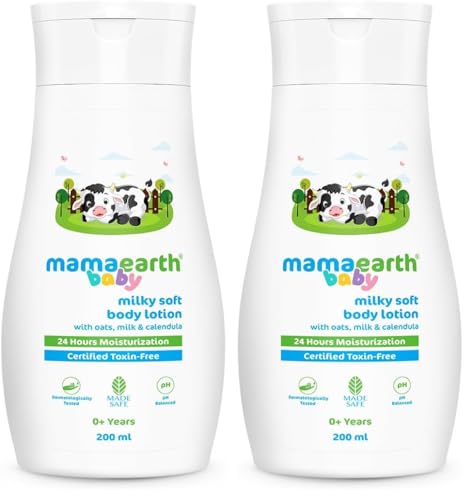
Mamaearth Milk Lotion with Milk Protein & Oats (₹300): Oats and milk protein are anti-inflammatory (IAP-approved for sensitive skin). No formaldehyde releasers, no synthetic fragrance. Lighter texture for Indian heat. 4.2 stars from 12,000+ reviews.
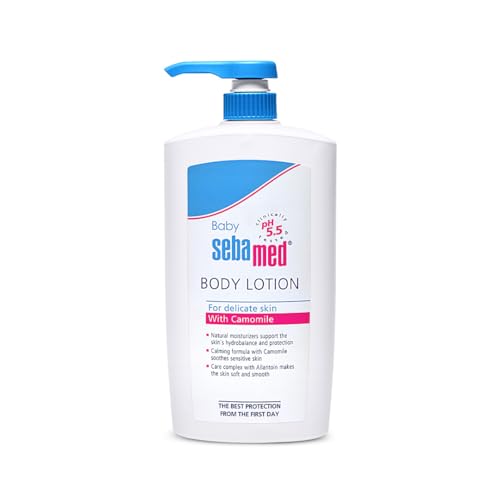
Sebamed Baby Lotion (₹450, German brand, widely available in India): pH-balanced to match baby skin (pH 5.5). Hypoallergenic formula, clinically tested. No parabens or mineral oil—uses plant-derived emollients instead. 4.3 stars from 5,000+ reviews. More expensive but dermatologist-recommended.
How to Use the Ingredient Checklist
Print or screenshot this before your next shopping trip:
AVOID if present: Methylparaben, Propylparaben, Butylparaben, Fragrance, Parfum, Mineral Oil, Paraffinum Liquidum, DMDM Hydantoin, Diazolidinyl Urea, Imidazolidinyl Urea, Alcohol Denat (if in top 5 ingredients), Formaldehyde
PREFER if present: Coconut Oil, Shea Butter, Aloe Vera, Oat Extract, Plant Glycerin, Water (Aqua) as first or second ingredient, Vitamin E
NEUTRAL (OK in small amounts): Glycerin (hydrating agent), Cetyl Alcohol (emollient, NOT the irritant "alcohol"), Xanthan Gum (thickener)
One more tool: download the EWG Skin Deep app (free, India version available). Search any product by brand name, and it rates ingredients on a scale of 1-10 (10 = most concerning). Takes 30 seconds. Parents in Jaipur, Lucknow, and Pune have started using this before purchases—it's become a habit like checking Amazon reviews.
Is Johnson's Baby Lotion Safe Now?
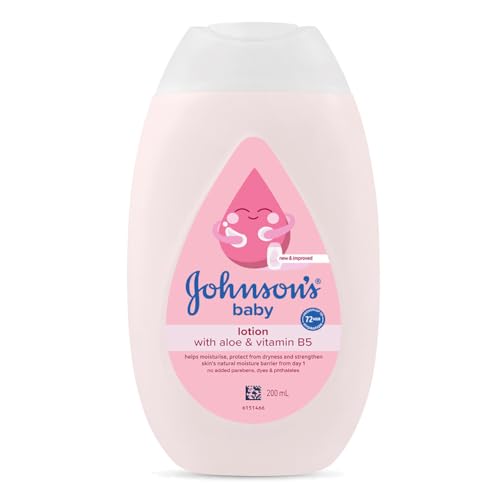
Johnson & Johnson Baby Lotion (still ₹200-250 in India) lists mineral oil and fragrance but no parabens currently. The brand removed parabens in 2023 after global backlash. Is it "safe"? Technically, it meets Indian standards. But if your baby has sensitive skin or lives in a hot, humid city, the mineral oil + fragrance combination is still a concern. Safer? Yes. Optimal? No—better options exist at similar prices.