
Harmful Chemicals in Baby Lotion: A Label-Reading Guide for Indian Parents in 2026
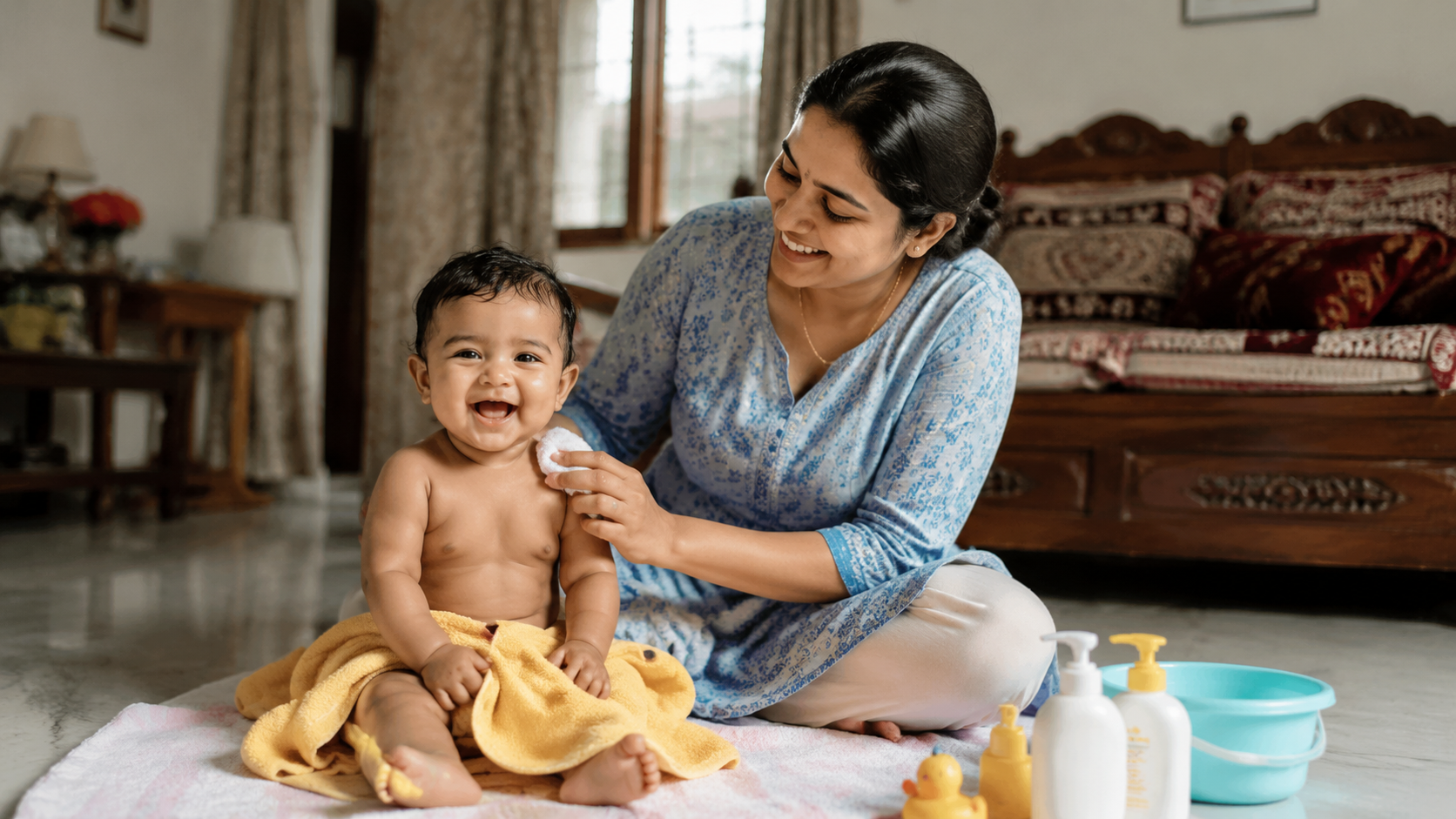
Five harmful chemicals in baby lotion to avoid are parabens, phthalates, mineral oil, synthetic fragrance, and DMDM hydantoin (a formaldehyde releaser). Always read the ingredient list (INCI) on the back of the bottle—marketing labels like 'natural' and 'dermatologist-tested' are not regulated in India, so the ingredient list is your only reliable guide.
I've been buying baby lotions for my daughter for three years now, and honestly, the marketing on these bottles drove me up the wall until I learned to read the INCI declaration. You see parents in Delhi mommy groups, Mumbai parenting forums, and Bengaluru Facebook groups all asking the same question: Is this lotion really safe for my baby? The answer isn't in the cute packaging or the influencer testimonials—it's in the tiny ingredient list on the back.
Here's the truth: harmful chemicals in baby lotion aren't always obvious, and manufacturers are counting on parents NOT reading the fine print. Some Indian brands still use ingredients that paediatricians recommend avoiding, particularly for babies under 2 years with sensitive skin. This guide will teach you exactly what to look for, what to skip, and which safer alternatives are actually available on Amazon.in at reasonable prices.
What the Evidence Actually Shows
Before you panic, let me be clear: not every chemical is dangerous, and not every 'natural' product is safe. The IAP (Indian Academy of Pediatrics) doesn't maintain a public blacklist of lotion ingredients, but they do align with WHO and international dermatology standards on a few key substances to approach cautiously.
Parabens (methylparaben, propylparaben, butylparaben, ethylparaben): These are preservatives used in roughly 80% of baby lotions to prevent bacterial and fungal growth. The concern comes from in-vitro studies suggesting parabens can mimic oestrogen in the body, though direct evidence of harm in infants from topical lotion use is limited. Many parents and paediatricians prefer paraben-free alternatives because safer preservative systems exist. If a brand's label lists any paraben, you'll see it in the INCI name—look for the word 'paraben' at the end.
Phthalates: These chemicals are used to soften plastics and—crucially—to make fragrance last longer on the skin. Indian regulators and the BIS (Bureau of Indian Standards) do not currently ban phthalates in cosmetics, but many imported brands avoid them. Phthalates are rarely listed by name on labels (they hide under the umbrella term 'fragrance' in the INCI). This is one reason dermatologists recommend fragrance-free formulas for babies with any sign of eczema or sensitivity.
Mineral oil (paraffinum liquidum on INCI): This is a byproduct of petroleum refining. It's not toxic, but it sits on the skin rather than absorbing, potentially trapping heat and moisture and irritating babies prone to heat rash in India's humid climate. Some paediatricians suggest plant-based oils (coconut, almond) are better for infant skin, though mineral oil is still used in many mainstream brands.
Synthetic fragrance: Listed as 'fragrance' or 'parfum' on INCI, synthetic fragrance is a blend of 50-200 undisclosed chemicals—a loophole in Indian cosmetics law. Fragrance is the #1 cause of contact dermatitis in babies and is often unnecessary in a lotion meant for sensitive skin.
DMDM hydantoin: This preservative slowly releases formaldehyde to prevent spoilage. It's approved by India's FSSAI for use in cosmetics at low levels, but dermatologists generally recommend avoiding it in products for babies under 12 months because formaldehyde can irritate delicate skin.
How to Read the Label (Your Lotion Decoder)
The INCI (International Nomenclature of Cosmetic Ingredients) declaration on the back of your lotion bottle lists every ingredient in descending order of concentration. Ingredients listed first = present in the highest amount. Use this checklist:
- Check the first 5 ingredients: These make up roughly 70% of the formula. If parabens, mineral oil, or synthetic fragrance appear in the top 5, the lotion is not primarily designed for sensitive skin.
- Search for 'fragrance' or 'parfum': If you see either word, the lotion contains undisclosed fragrance chemicals. Skip it if your baby has any rash or redness history.
- Look for paraben variants: methylparaben, propylparaben, butylparaben, ethylparaben. If any appear, the lotion uses this preservative system.
- Check for DMDM hydantoin or imidazolidinyl urea: Both are formaldehyde releasers. Avoid for babies under 2.
- Spot 'mineral oil' or 'paraffinum liquidum': Not harmful, but heavier than plant oils—not ideal for hot, humid climates.
An honest observation from my own baby care routine: Indian brands like Himalaya Baby Lotion and Chicco Baby Moments are often positioned as 'natural,' but when I checked the INCI on Amazon.in, both listed fragrance and mineral oil in their top 5 ingredients. Packaging doesn't tell the truth—the label does.
Why 'Natural,' 'Dermatologist-Tested,' and 'Hypoallergenic' Can Mislead
These terms are NOT regulated by Indian law. 'Natural' can mean 1% natural ingredient and 99% mineral oil. 'Dermatologist-tested' just means a dermatologist tried it once, not that it's hypoallergenic. 'Hypoallergenic' has no legal definition—it's marketing.
The only reliable source of truth is the INCI declaration, which is legally mandated.
Safer Alternatives: What's Actually on Amazon.in
Instead of listing every lotion under the sun, I'm naming three that deliver on their ingredient promise when you check the label:
Cetaphil Baby Daily Lotion (around Rs. 349 for 400ml on Amazon.in) lists paraffinum liquidum as its base, but has no fragrance, no parabens, and no DMDM hydantoin. It's a straightforward, unfragranced formula trusted by Indian paediatricians in metro cities like Pune and Jaipur.
The Moms Co Natural Baby Lotion (Rs. 399 for 200ml) avoids parabens, phthalates, and synthetic fragrance. The ingredient list is transparent on Amazon.in and emphasizes plant-based oils. It costs more per ml but appeals to parents who want a genuinely paraben-free option.
Aveeno Baby Daily Moisture (Rs. 545 for 227ml) uses colloidal oatmeal as its base instead of mineral oil, avoids synthetic fragrance, and skips parabens. It's heavier than some alternatives but excellent for winter months or dry climates.
What Paediatricians Say
According to IAP guidelines, babies under 6 months need minimal skincare—plain water, breast milk, or a fragrance-free moisturizer during diaper changes is usually enough. Beyond 6 months, if you choose a lotion, paediatricians recommend avoiding fragrances and preservatives known to trigger contact dermatitis. Always patch-test any new lotion on your baby's inner wrist for 24 hours before full-body application.
Bottom line: Harmful chemicals in baby lotion aren't always avoidable, but they are often avoidable—if you read the label. Don't trust packaging. Spend 30 seconds with the INCI, and you'll make a smarter choice for your baby's skin.
Our Top Picks
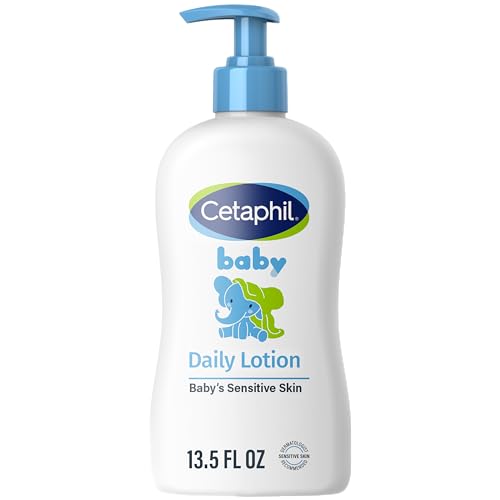
Cetaphil Baby Daily Lotion 400ml
- ✓ Fragrance-free formula
- ✓ No parabens or DMDM hydantoin
- ✓ 400ml bottle (best value)
* We earn a small commission — at no extra cost to you.
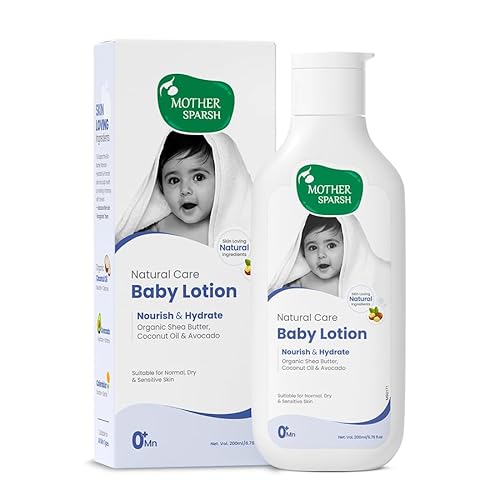
The Moms Co Natural Baby Lotion 200ml
- ✓ Paraben and phthalate-free
- ✓ Plant-based oils (coconut, almond)
- ✓ No synthetic fragrance
* We earn a small commission — at no extra cost to you.
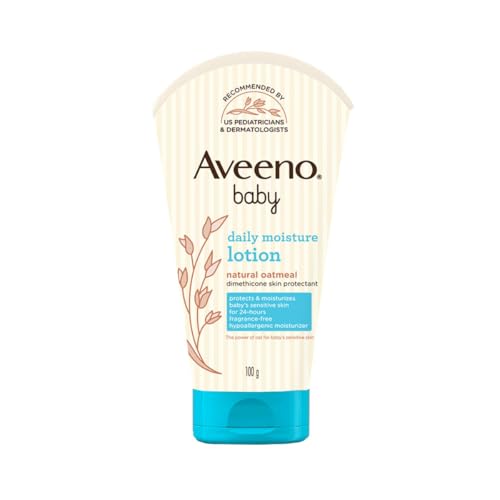
Aveeno Baby Daily Moisture 227ml
- ✓ Colloidal oatmeal base (not mineral oil)
- ✓ No parabens or fragrance
- ✓ Dermatologist-recommended formula
* We earn a small commission — at no extra cost to you.