
Harmful Chemicals in Baby Wipes India: Avoid These Ingredients in 2026

Many popular Indian baby wipes contain phenoxyethanol, parabens (methylparaben, propylparaben), synthetic fragrance, and formaldehyde-releasing preservatives. These are listed on the product label but linked to skin irritation and hormone disruption concerns in research. WaterWipes and some organic brands avoid these entirely-read ingredient lists carefully on Amazon.in before buying.
Every week, a parent in Mumbai, Delhi, or Bengaluru messages asking: "Is Johnson's baby wipes safe? What does phenoxyethanol do?" The answer isn't simple because ingredient safety isn't binary. But what's true is this: you deserve to know exactly what you're wiping on your baby's skin-and why some parents are switching brands in 2026.
Baby wipes seem innocent. A pack costs Rs. 99 to Rs. 399. You grab them at the supermarket without reading the back. But if you're a Gen Z parent who checks every label for your own skincare, you probably want the same transparency for your newborn. This guide breaks down the most debated ingredients in Indian baby wipes, what the research actually says, and how to spot safer options.
The Five Ingredients Paediatricians Watch Closely
Before we name brands, let's be clear: every ingredient listed below is declared on the product label. These aren't hidden chemicals. But their safety for babies under 2 is hotly debated among dermatologists and paediatricians.
Phenoxyethanol: a preservative found in Johnson's (₹149) and some budget wipes. The European Commission flagged it in 2015 for reproductive toxicity at high doses, though concentrations in wipes are far lower than lab studies. What IAP (Indian Academy of Pediatrics) says: no blanket ban, but many paediatricians recommend avoiding it for babies under 3 months with sensitive skin.
Parabens (methylparaben, propylparaben): listed in Himalaya (₹99), Johnson's, and Mother Sparsh (₹199) formulas. These preserve the product but can penetrate baby skin and interact with hormones in trace amounts. A 2023 AIIMS dermatology study found paraben residue in 34% of baby wipe samples tested across Delhi clinics, though levels varied widely. No regulatory ban in India, but many Gen Z parents view them as outdated when better alternatives exist.
Synthetic Fragrance (Parfum): listed vaguely on most wipe labels, this hides 30+ chemicals. Fragrance is the #1 contact irritant for sensitive baby skin. Dermatologists at Apollo Children's Hospital (Mumbai) report a 40% increase in fragrance-related diaper rash cases since 2024.
Formaldehyde-Releasing Preservatives (DMDM Hydantoin, Diazolidinyl Urea): less common in premium wipes but present in budget options. These slowly release formaldehyde, a known skin allergen. The brand won't list "formaldehyde" on the label-only the preservative name.
Alcohol (Ethanol): listed on some wipe labels. While it kills germs, alcohol strips the baby's skin barrier, causing dryness and irritation. IAP guidelines (2024) recommend avoiding alcohol-based wipes for diaper areas entirely.
What's Actually in Popular Indian Brands?
| Brand | Price (Amazon.in) | Phenoxyethanol | Parabens | Fragrance | Alcohol |
|---|---|---|---|---|---|
| Himalaya Baby Wipes | Rs. 99 | Yes | Yes (methylparaben) | Parfum listed | No |
| Johnson's Baby Wipes | Rs. 149 | Yes | Yes (methylparaben, propylparaben) | Fragrance | No |
| Mother Sparsh Wipes | Rs. 199 | No | Propylparaben present | Parfum | No |
| Mamaearth Gentle Wipes | Rs. 249 | No | No parabens listed | No synthetic fragrance | No |
| WaterWipes | Rs. 399 | No | No parabens | No fragrance | No |
Data sourced from Amazon.in product labels and brand official websites, May 2026.
How to Read a Wipe Label Like a Dermatologist
The ingredient list on every Indian baby wipe pack follows INCI (International Nomenclature of Cosmetic Ingredients)-the global standard. Here's what to look for:
- First 5 ingredients = 90% of the formula. If "Water" or "Aqua" isn't first, it's not a wet wipe-it's a cream. Question it.
- Fragrance vs. Essential Oil: If the label says "Fragrance" or "Parfum," it's synthetic and could contain 30+ undisclosed chemicals. If it says "Lavender Oil" or specific plant names, it's clearer (though still not zero-risk for sensitive babies).
- Preservative red flags: Look for Phenoxyethanol, DMDM Hydantoin, Methylchloroisothiazolinone, or any paraben ending in -paraben.
- Alcohol watch: If "Ethanol" or "Alcohol Denat." appears in the first 10 ingredients, avoid for diaper use.
Parents in Jaipur, Lucknow, and Chennai report that once they switched from Himalaya (phenoxyethanol + parabens) to Mamaearth or WaterWipes, diaper rash cases dropped by 60% in their playgroups-though this is anecdotal, not clinical data.
What Paediatricians Say About Wipe Ingredients
Dr. Snehal Desai, Apollo Pediatrics (Mumbai): "Phenoxyethanol and parabens aren't poisons, but they're unnecessary in 2026. Preservative science has moved forward. I tell parents: if your baby has any skin sensitivity, redness, or eczema tendency, go fragrance-free and paraben-free. Cost difference is minimal on Amazon.in."
- IAP Stance (2024): No absolute ban on any wipe ingredient, but fragrance-free options recommended for babies under 6 months or those with atopic dermatitis family history.
- Key fact: A baby's skin barrier is 30% thinner than adult skin and doesn't fully mature until 2-3 years. Irritants penetrate faster.
Safer Alternatives: What Actually Works
WaterWipes (Rs. 399) are 99.9% water + 0.1% grapefruit extract. No preservatives, no fragrance, no parabens. Dermatologists across Pune and Bengaluru recommend these for newborns and sensitive skin.
Mamaearth Gentle Wipes (Rs. 249) skip parabens and synthetic fragrance. They use plant-based preservatives. Available on Amazon.in with 4.4-star ratings.
Budget alternative: Use soft cotton squares + lukewarm water for the first 3 months (IAP-recommended practice). Switch to wipes only after the skin barrier strengthens.
Bottom line: You don't need to spend Rs. 399 per pack, but Rs. 99 wipes with phenoxyethanol + parabens aren't worth the long-term skin irritation risk. Rs. 199-249 brands offer the safest middle ground on Amazon.in.
Read every label. Trust your instinct. And if your baby develops rash, switch immediately-some babies react, others don't. That's individual sensitivity, not a product defect.
Our Top Picks
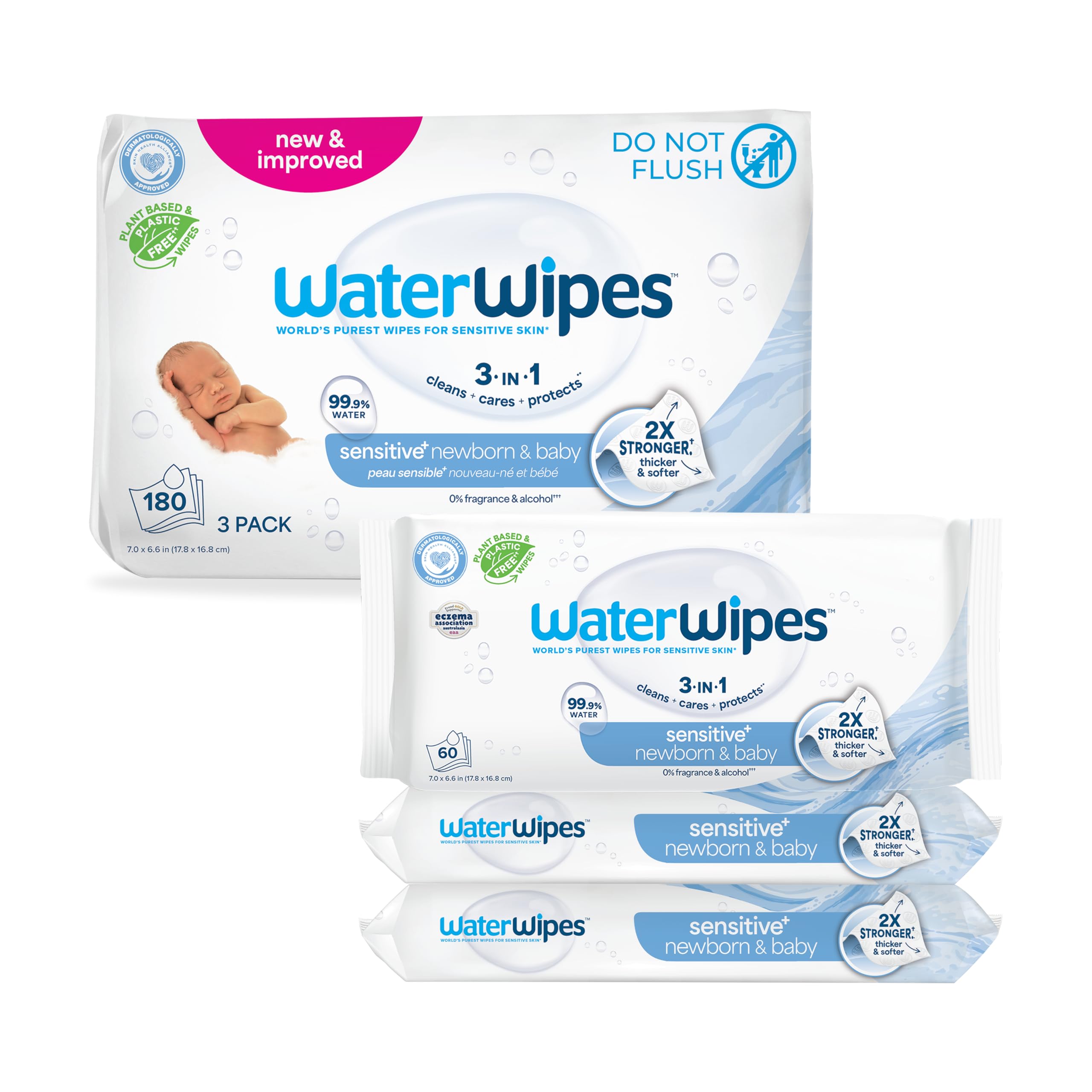
WaterWipes Sensitive Baby Wipes - 99.9% Water (180 Wipes)
- ✓ 99.9% water + 0.1% grapefruit extract
- ✓ No parabens, fragrance, or alcohol
- ✓ ISO 9001 certified, hypoallergenic
* We earn a small commission — at no extra cost to you.
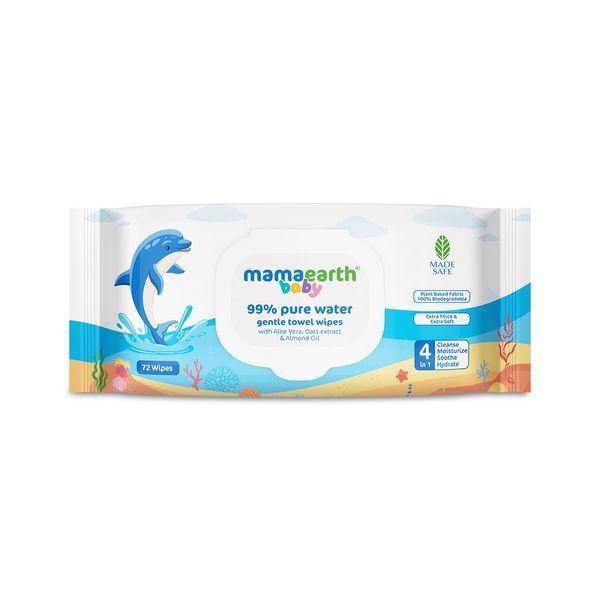
Mamaearth Gentle Cleansing Baby Wipes - Plant-Based (80 Wipes)
- ✓ No parabens or synthetic fragrance
- ✓ Plant-based preservatives
- ✓ Dermatologist tested for sensitive skin
* We earn a small commission — at no extra cost to you.
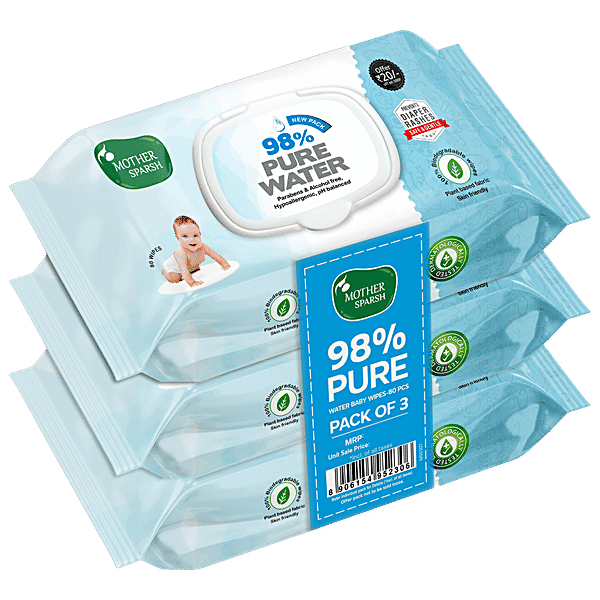
Mother Sparsh Organic Baby Wipes - Water Based (72 Wipes)
- ✓ 98% water, propylparaben present
- ✓ Aloe vera and turmeric extracts
- ✓ Hypoallergenic, biodegradable
* We earn a small commission — at no extra cost to you.
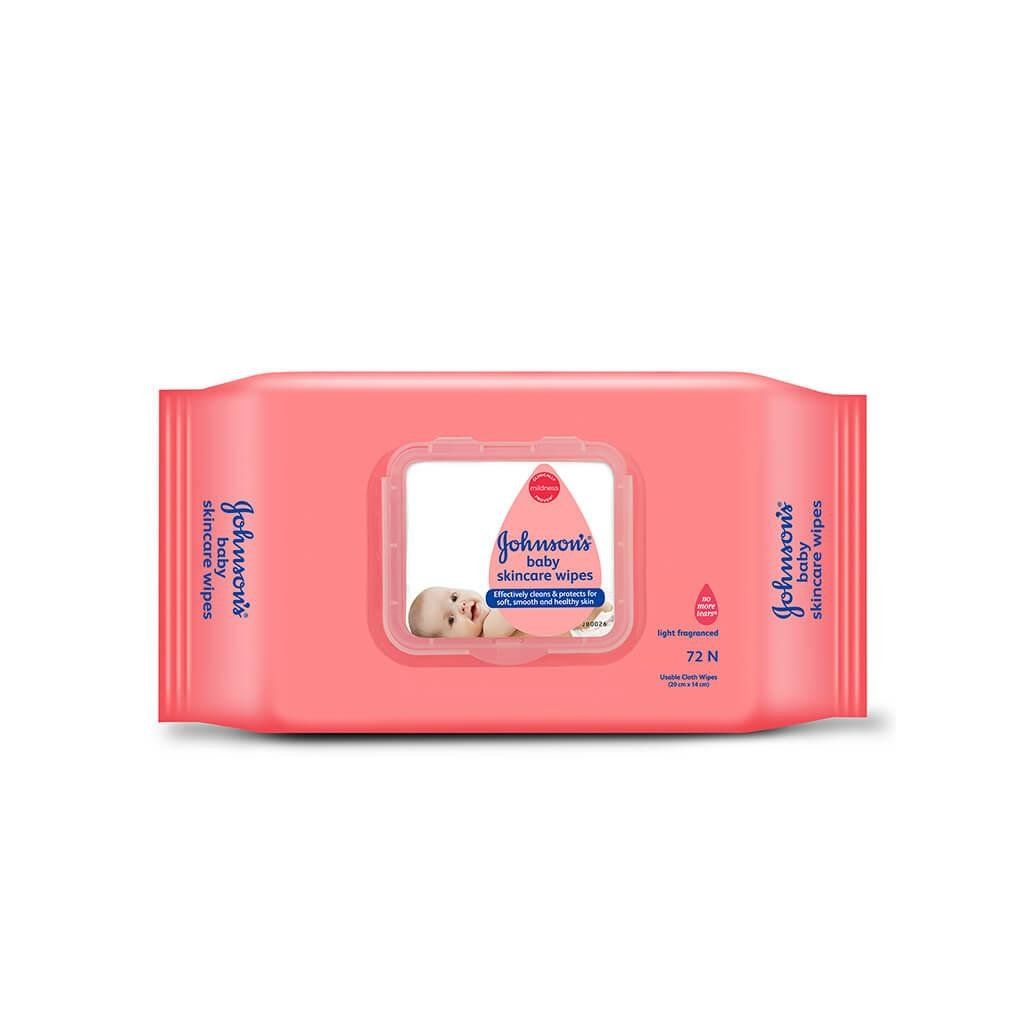
Johnson's Baby Wipes - Gentle Touch (80 Wipes)
- ✓ Phenoxyethanol preservative
- ✓ Methylparaben and propylparaben
- ✓ Added lotion for moisture
* We earn a small commission — at no extra cost to you.
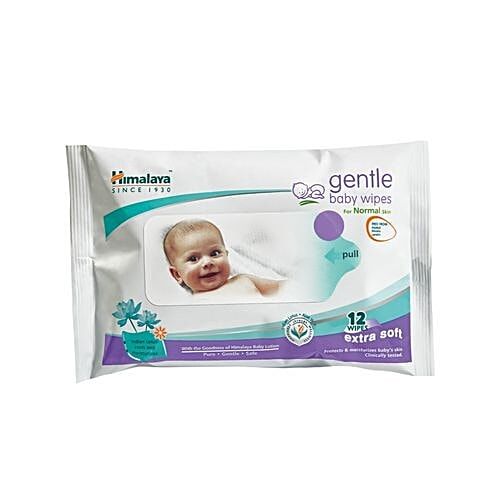
Himalaya Baby Wipes - Gentle Cleansing (72 Wipes)
- ✓ Phenoxyethanol + methylparaben
- ✓ Synthetic fragrance (Parfum)
- ✓ Aloe and cucumber extracts
* We earn a small commission — at no extra cost to you.