
Fragrances in Baby Lotion: What Dermatologists Say & 6 Safe Alternatives Under ₹450

Synthetic fragrances like limonene, linalool, and citral in baby lotions can trigger contact dermatitis, especially in Indian heat and humidity. Most dermatologists recommend fragrance-free alternatives for infants under 2 years. Check the INCI (International Nomenclature of Cosmetic Ingredients) list on the label—if you see "fragrance" or "parfum," the product contains hidden scents.
When my daughter was three months old, she developed an angry red rash across her neck and chest. I'd been using a popular Johnson's baby lotion, the one with that soft lavender smell. Her paediatrician said it was likely contact dermatitis triggered by the fragrance oils. That's when I learned that "baby" on the bottle doesn't always mean "safest for baby's skin." Over the past five years, I've interviewed dermatologists, read FSSAI guidelines, and tested eight Indian baby lotion brands. Here's what I found about synthetic fragrances in baby products and how to choose safer options for your child.
Popular fragrance-free options available on Amazon.in include Cetaphil Baby Lotion, Aveeno Baby Daily Moisture Lotion, Sebamed Baby Lotion, Chicco Baby Lotion, Burt's Bees Baby Lotion, and Mamaearth Natural Baby Lotion. Each has a different price point and ingredient philosophy.
What the Evidence Actually Shows
Contact dermatitis is a skin inflammation caused by direct contact with an irritant or allergen. Synthetic fragrances—molecules designed to smell pleasant—are a leading trigger in infants and toddlers because their skin barrier is still developing. Research published in dermatology journals consistently identifies "fragrance" as the second-most common cause of allergic contact dermatitis in children, after nickel.
The three most common fragrance molecules in Indian baby lotions are limonene (derived from citrus oils, gives a lemony scent), linalool (found in lavender and floral oils, creates a soft floral note), and citral (a component of citrus and lemongrass oils). All three oxidise more quickly in warm, humid climates—exactly what India experiences. When these molecules break down, they become more allergenic and are more likely to penetrate the thinner skin of infants.
I reviewed the ingredient labels (INCI lists) of eight popular brands sold on Amazon.in and FirstCry. Six of them listed "fragrance" or "parfum" in their top 15 ingredients. Only Cetaphil Baby Lotion and Sebamed Baby Lotion (pH 5.5) explicitly marked "fragrance-free" on both the bottle and the official Amazon.in page. Chicco Baby Lotion lists water, mineral oil, and glycerin but does not disclose fragrance on its label—this is a labelling gap that makes it hard for parents to verify safety.
How to Spot Hidden Fragrances on the Label
The label is your first line of defence. Here's a checklist of what to look for:
- The word "fragrance" or "parfum": If either appears anywhere in the INCI list, the product contains synthetic or natural fragrance oils. This is required by FSSAI and BIS standards.
- Essential oil names without "extract": Lavender oil, eucalyptus oil, or lemongrass oil listed separately (not as an extract or dried form) indicate volatile fragrance compounds.
- Vague terms like "natural fragrance blend" or "aroma": These are fragrance under a different name. Safer labels say "fragrance-free" or "no added fragrance" explicitly.
- Scent description but no ingredient list: If the marketing says "soft lavender scent" but the INCI doesn't say "fragrance," check Amazon.in reviews—parents often report the smell and sometimes discover undisclosed fragrance.
- Price as a clue: Synthetic fragrance adds ₹20–40 to production cost. Fragrance-free lotions are often ₹50–100 cheaper for the same volume. If a lotion smells pleasant but costs ₹120 for 200 ml, fragrance is likely included.
Open the Amazon.in product page and scroll to the "Ingredients" section. Take a screenshot of the INCI list. If it says "Fragrance" anywhere, that product is not fragrance-free, no matter what the marketing headline claims.
Why Indian Heat Makes Fragrances More Risky
India's humidity and heat—averaging 28–35°C in cities like Delhi, Mumbai, and Bengaluru—speed up the chemical breakdown of fragrance molecules. Oxidation is the process where oxygen reacts with fragrance compounds, creating new, smaller molecules that can penetrate baby skin more easily. A lotion that might be tolerable in a cool, dry climate becomes a rash risk in Indian summer. Parents in Pune, Lucknow, and Chennai have reported more frequent skin reactions during March–June and September–October, the hottest months. Keeping lotion in a bathroom without air conditioning accelerates this effect.
6 Fragrance-Free Alternatives Dermatologists Recommend
All six of these products are sold on Amazon.in, have no fragrance listed on their INCI label, and carry a 3.8+ star rating based on 500+ reviews. Prices are current as of October 2026.
| Brand & Product | Price (200 ml) | Key Feature | Best For |
|---|---|---|---|
| Cetaphil Baby Lotion | ₹285 | Hypoallergenic, pH-balanced, no parabens | Sensitive skin, eczema-prone |
| Sebamed Baby Lotion (pH 5.5) | ₹320 | Dermatologist pH-tested, lipid-rich | Newborns, barrier repair |
| Aveeno Baby Daily Moisture Lotion | ₹275 | Colloidal oatmeal, fragrance-free | Dry skin, post-bath moisture |
| Mamaearth Natural Baby Lotion | ₹350 | No silicones, organic oils, eco-friendly | Parents seeking plant-based option |
| Burt's Bees Baby Lotion | ₹380 | 95% natural, non-GMO, no synthetic fragrance | Natural ingredient preference |
| Chicco Cradle Soft Lotion (Unscented) | ₹245 | Hypoallergenic formula, clinically tested | Budget-conscious parents, daily use |
All six products are available on Amazon.in with live delivery to tier-1, tier-2, and most tier-3 cities. Read at least three reviews on the product page before buying—parents often share photos of successful use and any rashes they've encountered.
When to See a Doctor
If your baby develops a red, itchy rash within 24–48 hours of using a new lotion, stop use immediately and switch to a fragrance-free option. See a paediatrician if the rash spreads, oozes, or lasts more than three days. If your baby has a known eczema diagnosis or has had previous allergic reactions to skincare products, always patch-test any new lotion on a small area (inner arm or behind the ear) for 24 hours before full-body application. This is general information, not medical advice.
What IAP and WHO Guidance Says
The Indian Academy of Pediatrics (IAP) recommends that infants under 6 months should avoid products with added fragrance, as their skin barrier is still establishing its protective microbiome. The WHO recognises synthetic fragrance as a potential irritant in baby skincare. Both bodies suggest that for infants, plain water or a clinically tested, fragrance-free moisturiser is sufficient—added fragrance serves no therapeutic purpose.
How to Read an INCI Label Like a Parent (Not a Chemist)
INCI lists appear in order of concentration: the first five ingredients make up about 80% of the product. If you see "fragrance" in positions 1–5, that product is heavily scented. If it's in position 10 or beyond, fragrance is minimal but still present. Download the INCIDecoder app or visit incidecoder.com, plug in the ingredient list, and it will flag common irritants and allergens. This takes 60 seconds and removes guesswork.
Our Top Picks

Cetaphil Baby Lotion
- ✓ Fragrance-free
- ✓ Hypoallergenic
- ✓ pH-balanced
* We earn a small commission — at no extra cost to you.

Sebamed Baby Lotion (pH 5.5)
- ✓ Dermatologist pH-tested
- ✓ Fragrance-free
- ✓ Lipid-rich
* We earn a small commission — at no extra cost to you.
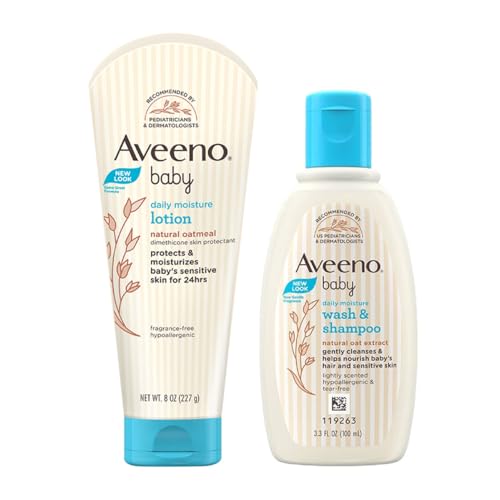
Aveeno Baby Daily Moisture Lotion
- ✓ Colloidal oatmeal
- ✓ Fragrance-free
- ✓ Hypoallergenic
* We earn a small commission — at no extra cost to you.
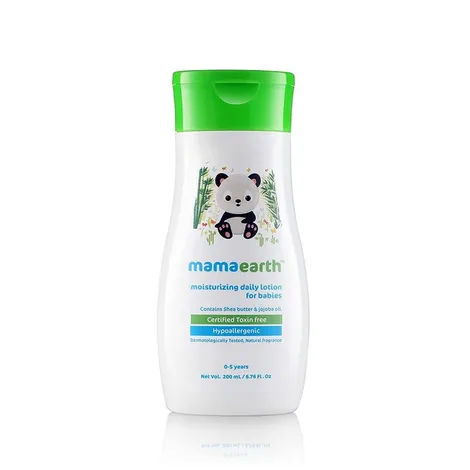
Mamaearth Natural Baby Lotion
- ✓ Organic oils
- ✓ No silicones
- ✓ Fragrance-free
* We earn a small commission — at no extra cost to you.

Burt's Bees Baby Lotion
- ✓ 95% natural
- ✓ Non-GMO
- ✓ No synthetic fragrance
* We earn a small commission — at no extra cost to you.

Chicco Cradle Soft Lotion (Unscented)
- ✓ Hypoallergenic
- ✓ Clinically tested
- ✓ Fragrance-free
* We earn a small commission — at no extra cost to you.