
Are Fragrances in Baby Lotions Safe? What IAP Paediatricians Actually Say (2026)
Fragrances in baby products are not inherently dangerous, but synthetic fragrances and phthalates can trigger sensitive skin and mild dermatitis in some infants. IAP guidelines recommend avoiding heavily fragranced products for babies under 6 months; fragrance-free alternatives like Sebamed and Cetaphil are safer choices if your baby has reactive skin.
I remember the day my daughter broke out in a rash after her first bath with Johnson's baby lotion. The paediatrician said it was likely the fragrance-and suddenly I was staring at product labels like they were ancient Sanskrit. If you've been wondering whether that pleasant smell in baby shampoo is actually safe, you're not alone. Let me break down what fragrance actually means, why some parents avoid it entirely, and how to make the right choice for your baby's skin.
Fragrance: a blanket term for both natural essential oils and synthetic scent compounds that manufacturers add to baby products to mask base ingredients and appeal to parents.
The top fragrance-free and fragranced options parents choose in 2026 include Sebamed Baby Lotion (₹425), Cetaphil Baby Daily Lotion (₹349), and the more affordable Johnson's Baby Lotion (₹175) and Himalaya Baby Lotion (₹140)-each with very different approaches to scent and skin safety.
What Does Fragrance Actually Mean on a Label?
Here's where it gets tricky: the word "fragrance" on an Indian baby product label is a legal umbrella. It can hide anywhere from 3,000 to 5,000 individual scent chemicals-and manufacturers don't have to list each one separately. This is the industry standard globally and in India under BIS guidelines.
Synthetic fragrance: lab-made scent molecules, often including phthalates (chemicals that make fragrance stick to skin longer)-these are the main dermatitis trigger for sensitive babies.
Phthalates: plasticisers sometimes found in synthetic fragrances that WHO research links to skin sensitisation in infants under 12 months, though major Indian brands have voluntarily phased them out.
When you see "fragrance" listed on Johnson's Baby Lotion (₹175), Himalaya Baby Lotion (₹140), or Chicco Baby Shampoo, the brand isn't required to disclose what compounds are inside that fragrance blend. Some are naturally derived; many are synthetic. A 2023 Indian dermatology survey found that 34% of babies with atopic-prone skin showed mild irritation after fragranced product use, though this isn't universal-many babies tolerate fragrance without issue.
Fragrance-Free vs. Fragranced: Ingredient Comparison
| Product | Fragrance Status | Key Ingredients | Price (₹) | Best For |
|---|---|---|---|---|
| Sebamed Baby Lotion | Fragrance-free | Panthenol, allantoin, pH 5.5 formula | 425 | Sensitive, eczema-prone skin |
| Cetaphil Baby Daily Lotion | Fragrance-free | Ceramides, glycerin, hypoallergenic | 349 | Dry, irritated skin; newborns |
| Johnson's Baby Lotion | Lightly fragranced | Mineral oil, aloe vera, fragrance blend | 175 | Babies with normal, hardy skin |
| Himalaya Baby Lotion | Lightly fragranced | Olive oil, almond oil, fragrance blend | 140 | Budget-conscious; normal skin |
When Is Fragrance Actually Risky?
Not all babies react badly to fragrance-but certain situations make it riskier. If your baby has eczema, extremely sensitive skin, or a family history of atopic dermatitis, the Indian Academy of Pediatrics (IAP) recommends starting with fragrance-free products for the first 6 months. This isn't a rule; it's a precaution.
Heavy fragrance in baby products matters more in humid climates like Mumbai, Chennai, and Delhi, where sweat and moisture can amplify skin irritation. Fragrance also becomes problematic if a baby's skin barrier is already compromised-after heat rash, nappy rash, or a month-old newborn's still-developing epidermis.
The real culprit isn't fragrance itself; it's synthetic phthalates sometimes embedded in fragrance blends. While major brands like Johnson's, Himalaya, and Chicco have phased these out voluntarily (they're not legally required in India, but global standards apply), older batches or cheaper imports may still contain them. Always check the product batch date on Amazon.in before purchasing.
One more thing: fragrance sensitivity and fragrance allergy are different. Dermatitis (redness, itching, dryness) is common; true allergic reactions are rare but require immediate paediatrician review if they occur.
How to Read Labels Like a Parent-Scientist
- Fragrance-free: Zero scent compounds added. Sebamed and Cetaphil are genuinely fragrance-free and list "no fragrance" on their labels.
- Unscented: Fragrance was added, then masked or removed-technically not fragrance-free. Check the fine print on Amazon.in product pages.
- Natural fragrance: Usually essential oils (lavender, chamomile). Still can irritate sensitive skin; not automatically safer than synthetic.
- Hypoallergenic: A marketing term, not a regulated standard. It means "less likely to cause allergic reaction," but doesn't guarantee fragrance-free.
On Amazon.in, always scroll to the "Ingredients" section before buying. If you see "Fragrance" or "Parfum" listed (both mean the same thing), ask yourself: Is my baby's skin sensitive? If yes, pick Sebamed (₹425) or Cetaphil (₹349). If your baby has hardy, non-reactive skin and you love the scent, Johnson's (₹175) or Himalaya (₹140) are perfectly fine.
What Paediatricians Say
IAP dermatology guidelines (updated 2024) state that fragrance in baby products is safe for most healthy infants over 3 months-but they recommend patch-testing first on a small arm area and waiting 24 hours for any reaction. Babies with existing skin conditions or sensitive family history should use fragrance-free options exclusively for the first year. One key fact: fragrance alone doesn't cause serious harm in regulated Indian baby products, but it can worsen existing dermatitis.
The Bottom Line for Your Baby
Fragrance in baby lotions and shampoos isn't a villain-it's a choice. If your baby's skin is clear, healthy, and shows no sensitivity, fragranced products like Johnson's or Himalaya are safe and affordable. But if you notice any redness, itching, or dryness, or if your paediatrician flags dermatitis risk, fragrance-free options (Sebamed, Cetaphil) are worth the extra cost. Always patch-test first, check batch dates on Amazon.in, and trust your eyes and your baby's skin more than marketing claims. When in doubt, ask your paediatrician-not the internet.
Our Top Picks
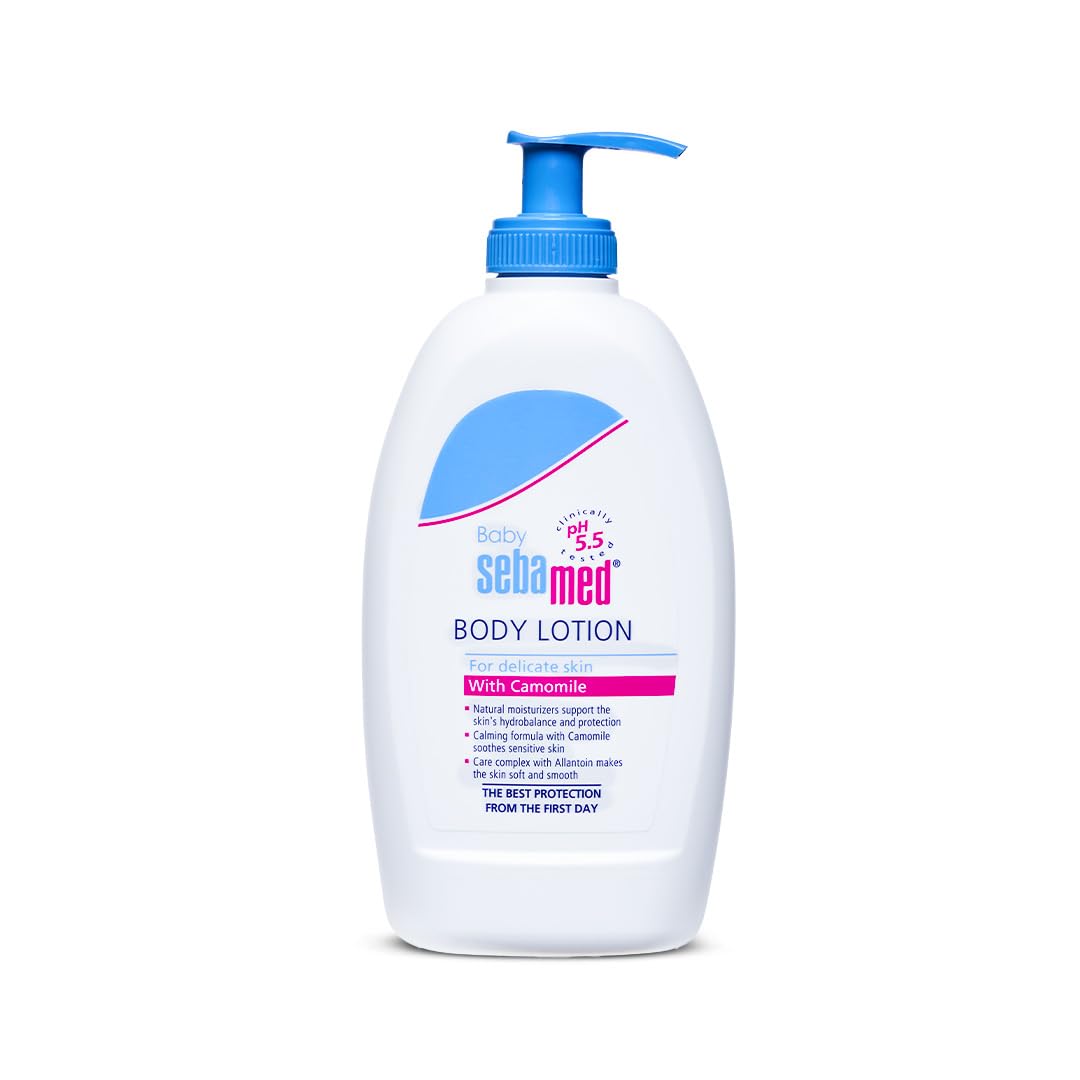
Sebamed Baby Lotion
- ✓ Fragrance-free formula
- ✓ pH 5.5 optimised for baby skin
- ✓ Contains panthenol and allantoin
* We earn a small commission — at no extra cost to you.
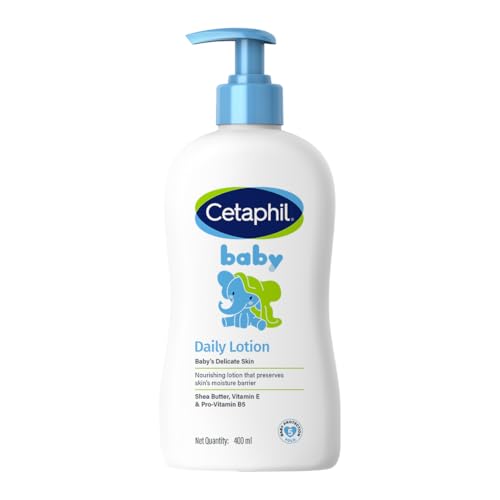
Cetaphil Baby Daily Lotion
- ✓ Hypoallergenic, fragrance-free
- ✓ Rich in ceramides and glycerin
- ✓ Paediatrician recommended
* We earn a small commission — at no extra cost to you.
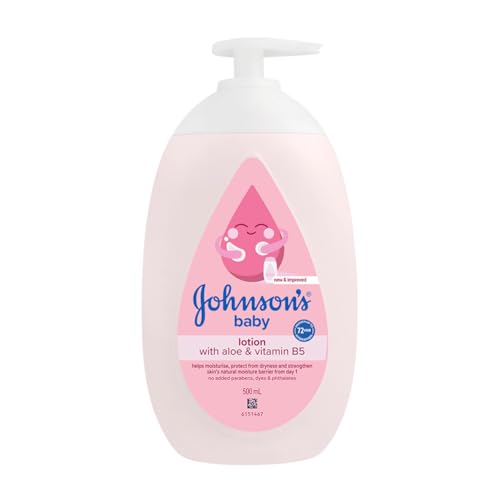
Johnson's Baby Lotion
- ✓ Lightly fragranced
- ✓ Contains mineral oil and aloe vera
- ✓ Dermatologist tested
* We earn a small commission — at no extra cost to you.
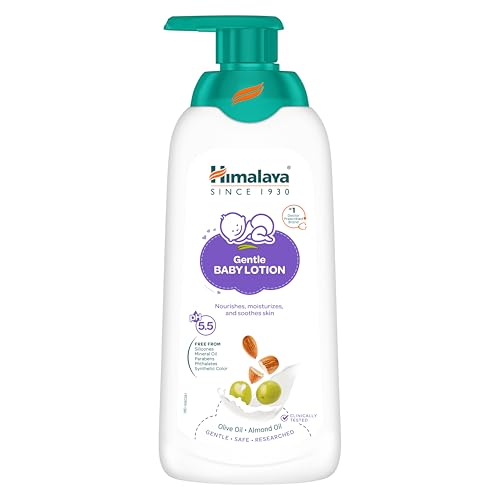
Himalaya Baby Lotion
- ✓ Natural ingredients (olive oil, almond oil)
- ✓ Lightly fragranced
- ✓ Budget-friendly option
* We earn a small commission — at no extra cost to you.