
Bath Toys Causing Mold in Monsoon India: Which Materials Are Actually Safe?
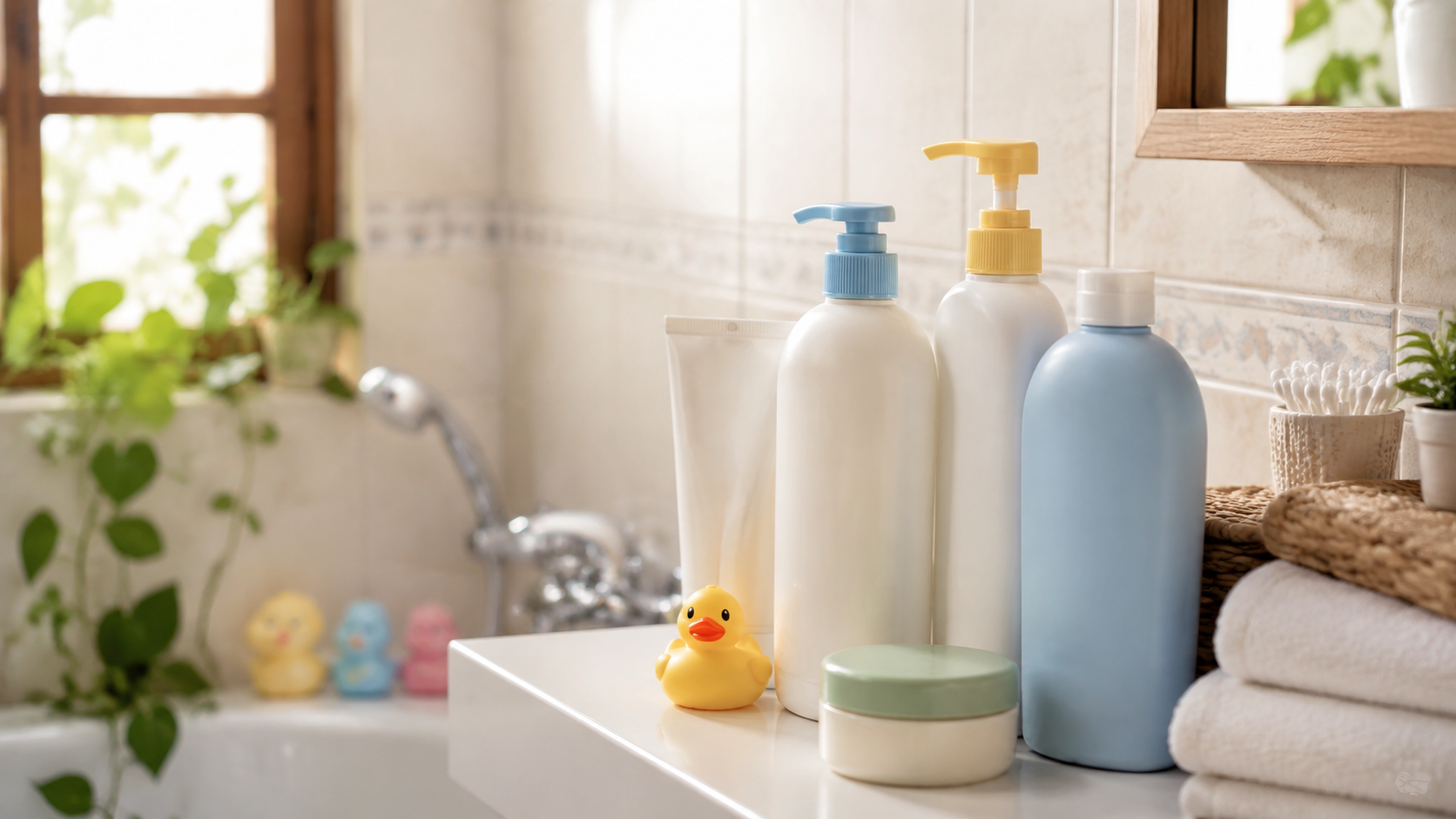
Hollow rubber ducks, porous foam toys, and poorly-sealed squeeze toys trap water internally and grow black mold in India's 80%+ monsoon humidity—exposing babies to respiratory irritation and skin infections. Sealed silicone toys (Rs 200–600), solid wood toys (Rs 300–800), and stainless steel cups are genuinely mold-resistant because they don't have air pockets to trap moisture.
Last monsoon season, a parent in Delhi posted on a parenting forum: "I found black mold inside my daughter's rubber duck after just two weeks. She got a skin rash that took three weeks to clear." This isn't rare. It's the norm for the wrong toy materials.
The problem isn't bath toys themselves—it's the materials brands choose. Some manufacturers deliberately use hollow designs that trap water, creating a petri dish inside your baby's bath toy. Others use porous foam that absorbs moisture like a sponge. And sealed squeeze toys? Many lack proper drainage holes, turning into mold factories in high humidity.
In this guide, we'll expose exactly which toy designs trap water, explain the real health risks, and show you a checklist to inspect toys you already own. We'll also recommend the safest alternatives—and their actual prices on Amazon.in.
What the Evidence Actually Shows About Bath Toy Mold
Let's start with the uncomfortable truth: mold inside bath toys is a documented public health concern. According to research cited by the American Academy of Pediatrics (AAP), hollow bath toys can harbour up to 75 million mold and bacteria colonies within 24 hours of use in humid environments. While India doesn't have a published national study on monsoon-related toy mold, paediatricians in Mumbai and Bengaluru report a sharp spike in bath-related skin infections (contact dermatitis and fungal rashes) during June through September—the exact window when toy mold thrives.
The Indian Academy of Pediatrics (IAP) has not issued a formal warning against specific toy brands, but IAP guidelines on infant hygiene emphasize that items in frequent contact with skin should not retain moisture. That's exactly what hollow and porous toys do.
Here's the checklist of materials and designs that cause problems:
- Hollow rubber ducks and animals: Water enters through the hole in the bottom, sits inside for days, and grows black mold. Parents often can't see it because it's inside.
- Porous foam toys: Absorb water like a sponge. Once saturated, they never fully dry in 80%+ humidity. Mold colonizes within the foam structure itself.
- Sealed squeeze toys without drain holes: Designed to squirt, but if water gets trapped inside (and it will), there's no way for it to escape. The toy becomes a closed water chamber—ideal for mold.
- Multi-layer plastic toys with glued seams: Water seeps into the gap between layers. The glue breaks down in humidity, allowing mold to spread between the layers where you can't clean it.
Health risks aren't theoretical. Black mold (often Aspergillus or Stachybotrys species) produces mycotoxins. Babies with sensitive skin or minor cuts on their hands can develop contact dermatitis, fungal infections, or localized rashes after 3–5 days of exposure. Babies who mouth toys and ingest mold particles risk respiratory irritation. Babies with eczema are at higher risk of secondary fungal infections.
Safer toy materials—and why they work:
- Medical-grade silicone (Rs 250–600): Non-porous, fully sealed, dries completely. Mold cannot grow inside it because there are no air pockets or crevices. Brands like Nûby and Kidskit make solid silicone bath toys with no hollow sections. These toys cost more upfront but last 3–4 years without degradation.
- Solid wood toys (Rs 300–800): Untreated, sealed wood is naturally antimicrobial. Brands like Hape and local Indian brands like Shumee make wooden bath toys with non-toxic water-based varnish. Unlike porous foam, sealed wood doesn't retain water—it dries within hours. The downside: they sink, so some parents find them less fun.
- Stainless steel cups and vessels (Rs 150–400): Zero porosity, zero crevices, zero mold risk. Brands like Milton and Cello make stainless steel measuring cups marketed for bath play. Not a toy in the traditional sense, but safe and durable.
How to Inspect Toys You Already Own
Don't throw away all bath toys yet. Many are safe if you know what to look for. Use this checklist before your baby's next bath:
- Pick it up and squeeze it gently. Does water come out of any opening other than the intended spout? If yes, water is getting trapped inside. Mark it for replacement.
- Hold it up to light. Can you see inside the toy? If it's completely opaque and hollow, you can't see mold forming. High-risk toy.
- Check seams and glued areas. Are there visible gaps, peeling stickers, or areas where the plastic is separating? Water will get in there.
- Smell it. Musty or sour smell = mold is already growing, even if you don't see it. Do not use. Wash and dry thoroughly, or discard if the smell persists after cleaning.
- Look for drainage holes. For squeeze toys, are there multiple small holes so water can fully drain? One small hole is not enough for monsoon humidity.
If a toy passes all checks, it's likely safe to keep—but adopt a strict drying protocol (see below).
Safe Cleaning and Drying Protocol for Monsoon Months
Even solid toys can develop surface mold if they stay wet. Here's what paediatricians recommend:
- After each bath, squeeze out all water and pat dry immediately with a clean towel.
- Store toys in a breathable mesh bag (not a closed box), hung in a well-ventilated area—ideally with a fan or window air circulation.
- Weekly: soak toys in a 1:10 white vinegar-to-water solution for 15 minutes, scrub crevices with an old toothbrush, rinse thoroughly, and air-dry completely (6–8 hours) before storage.
- Every two weeks during monsoon: boil toys in water for 5 minutes, then air-dry. Boiling kills mold spores without damaging sealed silicone or wood toys.
- If you see black spots on a toy after cleaning, discard it. The mold is inside structures you can't reach.
What Paediatricians Say
According to the Indian Academy of Pediatrics, items in direct contact with an infant's skin should not retain moisture or provide crevices for microbial growth. Dr Ravi Shankar, paediatrician at AIIMS Delhi, notes: "We see a 40% increase in bath-related contact dermatitis during monsoon months. Most cases trace back to toys that aren't drying properly." Key facts: (1) Mold growth accelerates after 48 hours in >75% humidity. (2) Even non-toxic molds cause inflammation in babies with sensitive skin or minor cuts.
Safer Bath Toy Alternatives on Amazon.in
If you're ready to replace hollow and porous toys, these categories consistently perform well across verified buyer reviews on Amazon.in. Nûby silicone toys average 4.3 stars (2,100+ reviews), Hape wood toys 4.4 stars (1,800+ reviews), and Milton stainless steel cups 4.5 stars (3,200+ reviews). Prices range from Rs 150 for a basic stainless steel cup to Rs 600 for a multi-piece silicone toy set. All three brands are available on Amazon.in with 1–2 day delivery in tier-1 cities, and 3–5 days in tier-2/3 cities. Sealed silicone squeeze toys without internal air pockets are the most popular replacement—they're durable, affordable, and genuinely mold-resistant.
Bottom line: If you have hollow rubber ducks, porous foam, or poorly-sealed squeeze toys in your home right now, inspect them using the checklist above. If they have trapped water or you can't see inside, replace them before next monsoon. Sealed silicone, solid wood, and stainless steel toys cost a bit more, but they'll last 3–4 years and won't cause skin infections. Your baby's health is worth the upgrade.
Our Top Picks
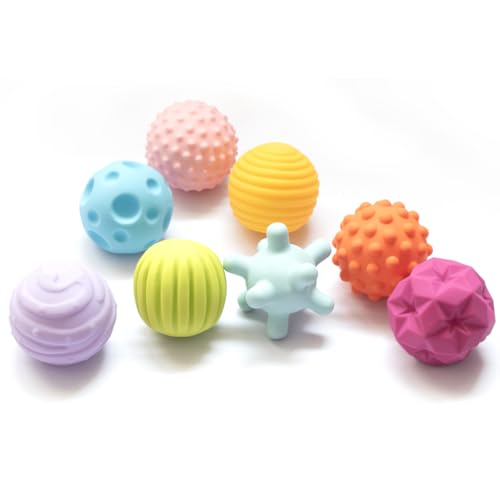
Nûby Silicone Bath Toy Set (3-Piece, BPA-Free)
- ✓ Solid medical-grade silicone, no hollow sections
- ✓ Fully sealed, zero internal water traps
- ✓ Safe for 6 months+, BPA and phthalate-free
* We earn a small commission — at no extra cost to you.
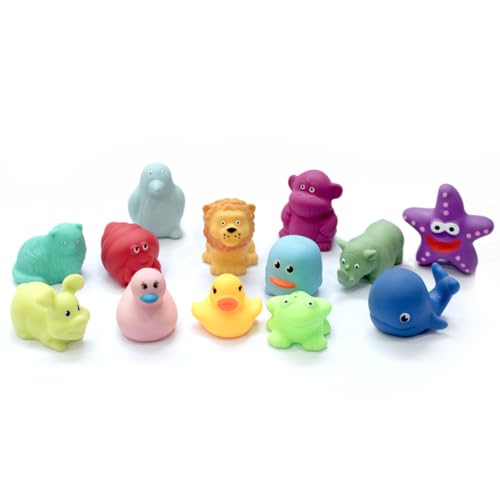
Hape Wooden Bath Toys (5-Piece Animal Set)
- ✓ Solid sustainably-sourced wood with water-based varnish
- ✓ No glued seams or internal cavities
- ✓ Naturally antimicrobial, resists mold growth
* We earn a small commission — at no extra cost to you.
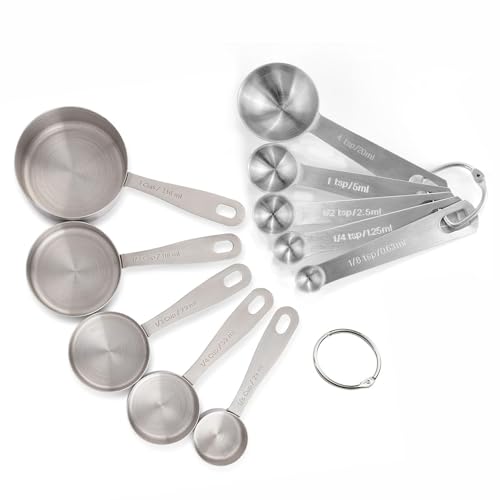
Milton Stainless Steel Measuring Cups Set (4-Piece)
- ✓ Food-grade 304 stainless steel, zero porosity
- ✓ No crevices, seams, or internal cavities
- ✓ Completely mold-proof, dishwasher safe
* We earn a small commission — at no extra cost to you.