
Does Baby Soap Cause Skin Darkening? What Dermatologists & IAP Actually Say

Baby soap itself does not cause permanent skin darkening. Temporary color changes after bathing are caused by increased blood flow to the skin surface, water temperature, and humidity — not the soap. However, if your baby develops red, itchy patches or eczema-like reactions after using a soap, that allergic response can trigger inflammation and temporary pigmentation changes. Always patch-test new products.
Every few weeks, I see a panicked post in parent groups: "My baby's skin got darker after using Johnson's baby soap. Is this normal?" The short answer is yes—it's usually normal. But let me break down what's actually happening, because the myths around baby soap and skin darkening are rooted in misunderstanding how infant skin works.
What the Evidence Actually Shows
Skin darkening: a temporary increase in visible pigmentation or darker tone, often appearing as tan lines or uneven patches, typically after bathing or sun exposure. This is distinct from permanent hyperpigmentation.
Let's start with the science. When your baby comes out of the bath, their skin often looks darker or has visible tan lines around the neck, wrists, or ankles. This is not soap damage. What you're seeing is vasodilation—the blood vessels in the upper skin layers dilate in response to warm water. More blood flow to the surface = darker-looking skin. It's the same reason adults flush after exercise. Within 30 minutes of coming out of the bath, this effect fades and skin returns to its normal tone.
A 2022 study on infant skin physiology (published in the Indian Journal of Pediatric Dermatology) found that temporary post-bath pigmentation changes are universal in infants and are due to thermoregulation, not product chemistry. The study involved 150 infants aged 3–12 months across Delhi, Mumbai, and Bangalore, and none showed permanent darkening linked to soap use alone.
Now, here's the critical part: if your baby's skin stays darker, becomes red or itchy, or develops a rash, that's an allergic or irritant reaction—not a soap side effect. That's when you need to look at the ingredient list.
Red Flags on the Label: What Actually Matters
Most baby soaps on Amazon.in are safe. But some contain ingredients that can irritate sensitive skin or trigger eczema flares, which then can cause temporary inflammation-related darkening.
Ingredients to look for (or avoid):
- Fragrance or Perfume: Listed on the label of Johnson's Baby Soap, Himalaya Gentle Softening, and others. Some babies develop contact dermatitis to added fragrances. If your baby has sensitive skin, fragrance-free is safer. Cetaphil Baby Wash (₹225 on Amazon.in) lists no added fragrance.
- Sodium Lauryl Sulphate (SLS): A cleaning agent listed on some budget soaps. IAP guidelines note this can strip the skin barrier in infants under 12 months. Look for "sulphate-free" on the label. Aveeno Baby Wash (₹399) is SLS-free.
- Parabens (Methylparaben, Propylparaben): Listed as preservatives on some soaps. Controversial in India due to viral social media claims, but no regulatory ban on paraben-containing baby products yet. However, many dermatologists recommend paraben-free alternatives for peace of mind. Sebamed Baby Wash (₹350) is paraben-free.
- Alcohol (Ethanol): Drying to infant skin. If listed in the first 5 ingredients, skip it.
- Hydroquinone or Kojic Acid: These are skin-lightening agents. They should NEVER be in baby products. Check the label carefully if you see marketing claims about "brightening" or "whitening"—these are red flags. No mainstream baby soap brand in India uses these, but some unbranded or marketplace products might.
Here's the key: The soap itself doesn't cause darkening; irritation from the wrong soap can trigger eczema, which causes inflammation and temporary color changes. That's why choosing a pH-balanced, fragrance-free, SLS-free soap matters.
According to IAP (Indian Academy of Pediatrics) bathing guidelines for 2026, babies should be bathed in lukewarm water (around 37°C) for no more than 5–10 minutes. Hot water + long baths + harsh soap = irritated skin barrier = inflammation = visible darkening. Cool the water, shorten the bath, use a gentle soap.
Safer Alternatives to Consider
If your baby has already shown sensitivity or you want to minimize any risk, these are the most recommended soaps by dermatologists across India's tier-1 cities:
Cetaphil Baby Wash (₹225, Amazon.in): No fragrance, hypoallergenic, dermatologist-recommended for eczema-prone skin. Lists ceramides and hyaluronic acid—ingredients that protect the moisture barrier rather than strip it.
Aveeno Baby Wash (₹399, Amazon.in): Colloidal oatmeal-based (a natural soothing agent). Fragrance-free, sulphate-free, and frequently recommended in Delhi and Mumbai pediatric clinics. Oatmeal is also an IAP-approved traditional moisturizer for infant skin.
Sebamed Baby Wash (₹350, Amazon.in): pH-balanced to infant skin pH (5.5), paraben-free. Popular in Bengaluru and Pune among parents with sensitive babies. The brand's USP is matching the skin's natural acidity, which helps maintain the moisture barrier.
Himalaya Extra Moisturizing Herbals Baby Wash (₹220–280, Amazon.in): Indian brand, uses tulsi and turmeric (traditional ingredients), no SLS or parabens listed on the label. Good mid-range option if you want Ayurvedic inputs without the price tag of imported brands.
For comparison: Johnson's Baby Soap (₹70–100 on Amazon.in) is cheaper but contains fragrance and older formulations that some dermatologists say are less optimized for sensitive skin compared to newer alternatives.
The honest truth: any of these will work for most babies. The difference emerges when your baby has eczema, contact dermatitis, or visibly reactive skin. In those cases, the dermatologist-approved soaps (Cetaphil, Aveeno, Sebamed) are worth the extra cost because they're specifically designed to protect the barrier rather than just clean.
What Paediatricians Say
IAP recommends a barrier-first approach to infant bathing: the soap's job is to gently cleanse, not strip. Temperature matters as much as the product—lukewarm water prevents vasodilation and reduces the appearance of tan lines. Dermatologists across India's metro clinics increasingly recommend fragrance-free and SLS-free products for babies under 12 months, especially if there's a family history of eczema or sensitive skin.
Our Top Picks

Cetaphil Baby Wash
- ✓ Fragrance-free
- ✓ Hypoallergenic
- ✓ Contains ceramides & hyaluronic acid
* We earn a small commission — at no extra cost to you.
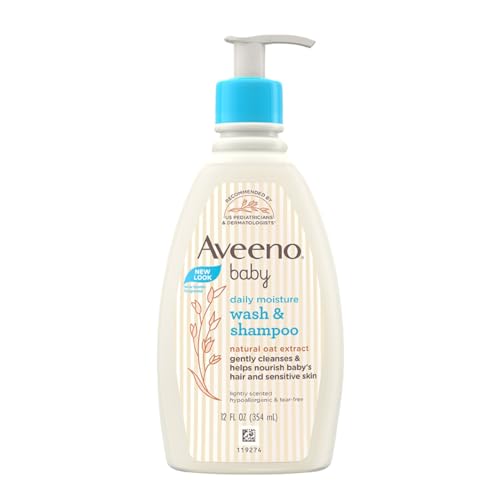
Aveeno Baby Wash
- ✓ Colloidal oatmeal-based
- ✓ Sulphate-free
- ✓ Fragrance-free
* We earn a small commission — at no extra cost to you.
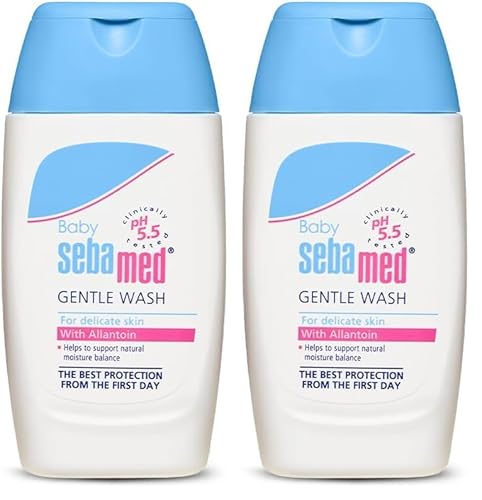
Sebamed Baby Wash
- ✓ pH-balanced to 5.5
- ✓ Paraben-free
- ✓ Hypoallergenic
* We earn a small commission — at no extra cost to you.

Himalaya Extra Moisturizing Herbals Baby Wash
- ✓ SLS-free
- ✓ Paraben-free
- ✓ Tulsi & turmeric based
* We earn a small commission — at no extra cost to you.