
7 Baby Skincare Mistakes Summer Every Indian Parent Makes (And What Works Instead)

The most common baby skincare mistakes summer in India include over-bathing (stripping natural oils), using talcum powder (respiratory risks), applying heavy oils in heat (blocking sweat glands), using adult sunscreen or wrong SPF, and ignoring hydration. Instead, stick to 1-2 lukewarm baths daily, fragrance-free pH-balanced lotions, breathable cotton clothing, mineral-based SPF 30-50 sunscreen, and frequent water/milk feeds.
Last April, my neighbour in Bengaluru rushed her 8-month-old to the paediatrician with angry red bumps covering his back and neck. The culprit? She'd been applying coconut oil twice daily and dusting talcum powder after every bath, thinking she was protecting him from the heat. The doctor's response: "You're doing exactly what worsens prickly heat."
That conversation made me realize how many well-meaning parents follow advice passed down from our mothers and aunts-advice that made sense 30 years ago but contradicts what we now know about infant skin physiology. Indian summers, especially in cities like Pune, Jaipur, and Lucknow where temperatures soar above 42°C, demand different care than what worked in our childhood. Infant skin barrier function: the protective outer layer of baby skin that's 30% thinner than adult skin and loses moisture 2x faster, making it vulnerable to heat, irritants, and infection according to ICMR dermatology studies.
The problem isn't that we don't care enough-it's that we're doing too much, or doing the wrong things entirely. Let me walk you through the seven biggest baby skincare mistakes summer that I see constantly, what the science actually says, and what products genuinely help instead of just sitting in your Amazon cart.
Before we dive into the mistakes, I've found three products that consistently work for Indian summer conditions: Cetaphil Baby Sunscreen SPF 50 for actual sun protection without the white cast, Sebamed Baby Lotion pH 5.5 that doesn't feel greasy in 38°C heat, and Mamaearth Talc-Free Body Powder as a safer alternative if you absolutely must use powder.
Mistake #1: Over-Bathing Your Baby in Summer Heat
I get it. Your baby is sweaty, sticky, and smells like sour milk by 11 AM. The instinct is to give them three, four, even five baths a day to "cool them down." But here's what actually happens: every bath with soap strips away the sebum: natural oils produced by skin glands that form a protective barrier against bacteria, allergens, and moisture loss.
The Indian Academy of Pediatrics recommends maximum 2 baths daily for infants during summer, and only one should use a gentle cleanser. Dr. Meera Luthra from Delhi's Apollo Cradle told me that she sees a spike in eczema cases every May, directly correlating with increased bathing frequency.
Here's what works instead:
- One proper bath with a mild, soap-free cleanser (pH 5.5 to match baby's skin)
- One plain lukewarm water rinse in the evening to remove sweat and dust
- Spot-cleaning with a damp cloth for diaper area and neck folds between baths
- Bath water at 37-38°C-test with your elbow, not your hand which tolerates higher temps
In Chennai's humidity, some parents swear by adding 2 tablespoons of oatmeal powder to bath water for its soothing properties, though evidence is mostly anecdotal. What's not debatable: avoid antibacterial soaps entirely unless prescribed for an infection, as they disrupt the skin's natural microbiome.
Mistake #2: Using Talcum Powder (Yes, Even the Baby Kind)
This is the mistake that gets the most pushback when I mention it, because Johnson's Baby Powder has been in Indian homes for generations. But the evidence is clear enough that the American Academy of Pediatrics explicitly warns against talcum powder use for infants.
The two main concerns: Talc inhalation: when fine powder particles are inhaled, they can irritate airways and, in rare cases, cause respiratory distress or aspiration pneumonitis, particularly dangerous for babies under 6 months with developing lungs. Second, even talc-free powders create a layer that, when mixed with sweat, can clog pores and worsen heat rash rather than prevent it.
A 2019 study from Mumbai's KEM Hospital found that 34% of prickly heat cases in infants under one year involved regular talcum powder application. The powder absorbs moisture initially but then forms a paste in skin folds-exactly where heat rash develops.
What actually prevents prickly heat:
- Loose, 100% cotton clothing that allows air circulation
- Frequent diaper changes to prevent moisture buildup
- Air-drying skin folds (under arms, neck, groin) after baths before dressing
- If you must use powder: cornstarch-based, applied to your hands first, then patted gently on baby's skin-never shake directly onto baby, never near face
Mamaearth makes a talc-free powder with arrowroot and oat starch (Rs. 349 for 150g) that some parents find helpful, but honestly, most dermatologists say skip powder altogether and just ensure skin is completely dry before dressing.
Mistake #3: Applying Heavy Oils in Hot Weather
Coconut oil, almond oil, til ka tel-oil massage is deeply embedded in Indian baby care traditions, and there's genuine benefit to gentle massage for bonding and muscle development. The problem is applying thick oils in 40°C heat when your baby is already struggling with thermoregulation.
Sebaceous glands: oil-producing glands in skin that are less active in infants, meaning babies produce less natural oil but also have more difficulty managing additional oils applied externally. When you layer coconut oil on baby's skin in Mumbai's May heat, it creates an occlusive barrier that traps heat and blocks sweat evaporation-the body's primary cooling mechanism.
This doesn't mean stop oil massage entirely. It means adapt the practice:
- Massage in the coolest part of the day (early morning, ideally before 8 AM)
- Use minimal oil-less than 1 teaspoon for a full body massage
- Choose lighter oils: grapeseed, sunflower, or jojoba instead of coconut or mustard oil
- Keep massage to 10 minutes maximum, then wipe off excess with a soft cloth
- Never apply oil before going outdoors or in a non-air-conditioned room
If your baby shows signs of heat rash (tiny red bumps, usually on chest, back, neck), stop oil massage completely until it clears. The Himalaya Baby Oil that's so popular (Rs. 185 for 200ml) contains mineral oil and fragrance-both unnecessary and potentially irritating in summer. Plain cold-pressed sunflower oil from your kitchen works better and costs a fraction.
Mistake #4: Wrong Sunscreen or No Sunscreen at All
Two camps exist: parents who think babies don't need sunscreen ("we grew up without it and we're fine"), and those using whatever sunscreen is handy-often their own Neutrogena or Lotus, which aren't formulated for infant skin.
Here's the IAP guideline that surprises many: sunscreen is recommended for babies 6 months and older when sun exposure can't be avoided, but physical barriers (clothing, hats, stroller covers) are always the first line of defense. For babies under 6 months, sunscreen should only be used on small exposed areas like hands and face when shade isn't possible, as their skin absorption rates are higher.
The mistakes I see repeatedly:
- Using adult sunscreen with chemical filters (oxybenzone, avobenzone) that can be absorbed systemically in babies
- Choosing SPF 15-20 thinking it's "enough for a baby"-it's not; you need minimum SPF 30
- Applying sunscreen once in the morning and assuming it lasts all day
- Not applying enough-you need roughly 1/2 teaspoon for baby's face and exposed skin
What works: mineral/physical sunscreens with zinc oxide or titanium dioxide as active ingredients, broad-spectrum SPF 30-50, fragrance-free, water-resistant. Cetaphil Baby Sunscreen SPF 50 (Rs. 699 for 150ml) checks all boxes and doesn't leave the white cast that many mineral sunscreens do. Apply 15 minutes before going outside, reapply every 2 hours or after sweating.
For Jaipur's intense UV index (often 11+ in summer), even a 15-minute stroller walk at 5 PM requires sunscreen on exposed skin. UVA rays-the ones that penetrate deeper and cause long-term damage-don't decrease as much in evening as UVB rays do.
Mistake #5: Using Fragranced Products Because They Smell "Baby Fresh"
That classic baby powder smell we associate with clean infants? It's synthetic fragrance, and it's one of the top allergens in baby products. Contact dermatitis: an inflammatory skin reaction triggered by direct contact with an irritant or allergen, appearing as red, itchy patches that in babies often start on cheeks, chest, or diaper area.
A 2020 study published in the Indian Journal of Dermatology found that fragrance was the second most common allergen in children under 3 years (after nickel), present in 67% of baby products tested in Indian markets. The Sebamed Baby Lotion pH 5.5 (Rs. 545 for 200ml) specifically markets its fragrance-free formulation, and while it seems boring compared to lavender-vanilla baby lotions, that's exactly why dermatologists recommend it.
Summer makes this worse because:
- Heat and sweat increase skin permeability, allowing irritants to penetrate deeper
- Fragrance compounds can photo-sensitize skin, making it more reactive to sun exposure
- Babies touch their skin and then put hands in mouth, potentially ingesting fragrance chemicals
Check ingredient lists for these red flags: parfum, fragrance, linalool, limonene, geraniol. Instead, look for products labeled "fragrance-free" (not "unscented," which can still contain masking fragrances). Yes, your baby might not smell like a walking Bath & Body Works, but their skin will actually be healthier.
Mistake #6: Ignoring Hydration and Focusing Only on Topical Products
This is the mistake that seems obvious once pointed out but gets overlooked constantly: your baby's skin health in summer is 70% about internal hydration, 30% about what you put on their skin.
Infant skin contains more water than adult skin but loses it faster due to higher surface-area-to-volume ratio. In Delhi's dry summer heat or Lucknow's pre-monsoon temperatures, babies can dehydrate significantly faster than parents realize. The IAP states that exclusively breastfed babies under 6 months typically don't need additional water, but they do need more frequent nursing-potentially every 1-2 hours in extreme heat.
For babies over 6 months:
- Offer small amounts of water (30-60ml) between feeds, especially after outdoor time
- Include water-rich foods: cucumber, watermelon, muskmelon, diluted buttermilk
- Watch for dehydration signs: fewer wet diapers (less than 6/day), dry lips, lethargy, sunken fontanelle
- Run a humidifier if using AC frequently, as air conditioning depletes moisture from skin and airways
No amount of expensive lotion compensates for inadequate hydration. I learned this the hard way when my daughter's skin felt rough despite religious application of moisturizer-turned out I wasn't offering water frequently enough in Bengaluru's summer heat.
Mistake #7: Overdressing Baby or Using Synthetic Fabrics
Our instinct as Indian parents is often to keep babies covered to "protect" them, even in May heat. But babies have immature thermoregulation systems-they can't cool themselves as efficiently as adults, and they rely heavily on convective heat loss through skin.
Miliaria rubra: commonly called prickly heat or ghamori, it occurs when sweat ducts get blocked and sweat leaks into surrounding tissue, causing inflammation and the characteristic red bumps with intense itching. Synthetic fabrics (polyester, nylon) don't allow adequate moisture wicking and significantly increase miliaria risk.
| Fabric Type | Breathability | Moisture Wicking | Summer Suitability |
|---|---|---|---|
| 100% Cotton | Excellent | Good | Best choice |
| Muslin/Cotton voile | Excellent | Very good | Ideal for extreme heat |
| Cotton-Polyester blend | Moderate | Poor | Avoid |
| Synthetic (Polyester) | Poor | Very poor | Never for summer |
| Bamboo cotton | Very good | Excellent | Good but pricey |
Appropriate summer dressing:
- One layer less than what you're wearing (if you're comfortable in a t-shirt, baby needs just a onesie)
- Loose-fitting to allow air circulation-avoid elastic that's tight around thighs or waist
- Light colors that reflect rather than absorb heat
- Keep head uncovered indoors; use breathable cotton caps outdoors only when in direct sun
In Chennai's April-June heat, I've seen babies dressed in full-sleeve rompers with socks and caps indoors. Their body temperature was 99.8°F-not fever, but heat stress. Once we switched to a single cotton onesie, temperature normalized within 30 minutes.
What Indian Paediatricians Actually Recommend for Summer Skincare
What Paediatricians Say
Dr. Anjali Sharma, consultant pediatrician at Pune's Ruby Hall Clinic, emphasizes that most summer skin problems in babies result from excessive intervention rather than inadequate care. "Parents come in worried about heat rash, but when we review their routine, they're bathing baby four times daily with soap, applying oil, then powder, then lotion-it's sensory overload for infant skin," she explains.
Her summer protocol is deliberately minimal:
- Cleanse gently: One soap-free wash daily with pH-balanced cleanser (5.5), one plain water rinse
- Moisturize strategically: Light, fragrance-free lotion only on dry patches-not full-body unless needed; apply to damp skin within 3 minutes of bathing for better absorption
- Protect from sun: Physical barriers first (clothing, shade), mineral sunscreen SPF 30-50 on exposed skin for babies 6+ months, reapply every 2 hours
According to IAP guidelines updated in 2022, the most critical factor in preventing summer skin issues is maintaining baby's core body temperature through appropriate clothing, adequate hydration, and avoiding peak heat hours (11 AM - 4 PM) for outdoor activities. Products are secondary to these environmental controls.
Building a Summer Skincare Routine That Actually Works
Now that we've covered what not to do, here's a practical morning-to-night routine for a 6-month-old in Mumbai's summer heat. Adjust based on your baby's age and your city's specific conditions:
Morning (7-8 AM):
- Wipe face and neck folds with plain water on a soft cloth
- Check diaper area; apply barrier cream only if redness present
- Dress in light cotton-single layer, loose fit
- If going outdoors: apply mineral sunscreen to exposed skin 15 minutes before leaving
Mid-morning (10-11 AM):
- Offer water or nurse if baby seems warm
- Wipe sweat from neck folds and under arms with damp cloth
- Change diaper; ensure skin is completely dry before new diaper
Afternoon bath (2-3 PM):
- Lukewarm water (37-38°C), 5-10 minutes maximum
- Use soap-free cleanser on diaper area, under arms, neck folds only
- Pat dry thoroughly-don't rub; pay special attention to skin folds
- Apply thin layer of fragrance-free lotion while skin still slightly damp
- Air-dry 5 minutes before dressing
Evening (6-7 PM):
- Plain water rinse if baby was outdoors or sweaty
- No soap, just water to remove dust and sweat
- Pat dry; dress in clean cotton clothes
Night:
- Light cotton sleepwear-sleep sacks are too warm for Indian summers unless room is AC-controlled at 24-26°C
- No lotion needed unless skin appears dry
- Run humidifier if using AC
This routine takes maybe 30 minutes total across the day. Compare that to the elaborate oil-powder-lotion routines I see some parents following that take an hour and often make things worse.
Product Comparison: What's Worth Your Money vs. What's Marketing
| Product Category | Worth Buying | Price (Rs.) | Skip This | Why Skip |
|---|---|---|---|---|
| Baby Lotion | Sebamed Baby Lotion pH 5.5 | 545/200ml | Johnson's Baby Lotion (regular) | Contains fragrance, higher pH |
| Sunscreen | Cetaphil Baby Sunscreen SPF 50 | 699/150ml | Adult sunscreen | Chemical filters, not formulated for infant skin |
| Cleanser | Cetaphil Baby Wash & Shampoo | 425/230ml | Regular soap bars | High pH (9-10) disrupts skin barrier |
| Powder | Mamaearth Talc-Free Powder (if must use) | 349/150g | Johnson's Baby Powder | Contains talc, inhalation risk |
| Diaper Cream | Himalaya Diaper Rash Cream | 140/50g | Thick petroleum-based creams | Too occlusive in summer heat |
Total cost for all essentials: approximately Rs. 2,100-these will last 3-4 months. You genuinely don't need more than this. The baby skincare industry wants you to believe you need separate lotions for day/night, special massage oils, cooling gels, after-sun balms, but infant skin needs simplicity, not a 10-step routine.
One parent in my building swears by pure aloe vera gel (she grows it herself) for heat rash-costs nothing and seems to work based on her baby's clear skin, though I haven't tried it myself. It's worth remembering that the most expensive product isn't always the most effective; sometimes the simplest solution is what your baby's skin actually needs.
Our Top Picks
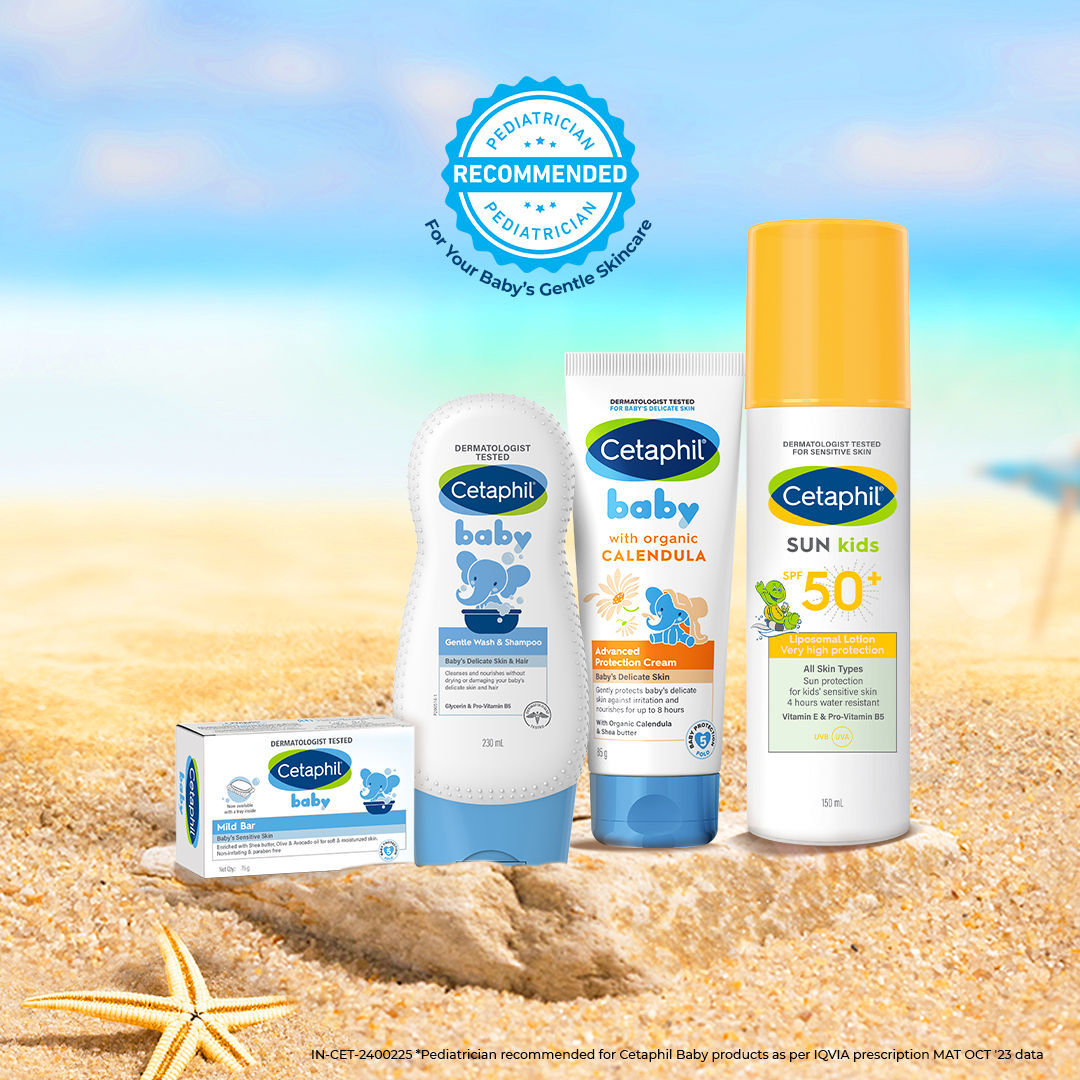
Cetaphil Baby Sunscreen with Organic Aloe & Calendula SPF 50+
- ✓ Mineral SPF 50+ with zinc oxide
- ✓ Fragrance-free, hypoallergenic
- ✓ Water-resistant for 80 minutes
* We earn a small commission — at no extra cost to you.
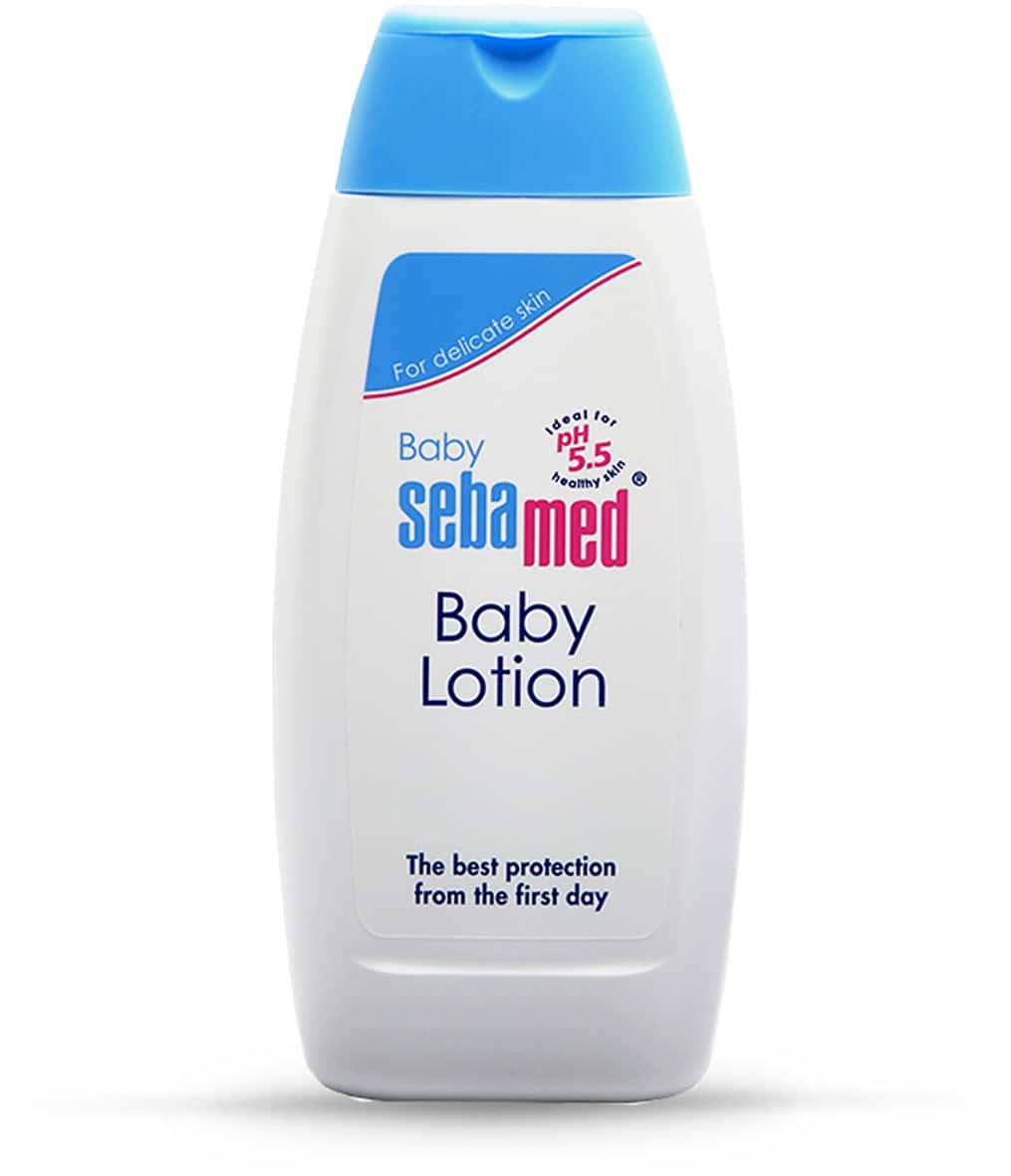
Sebamed Baby Lotion pH 5.5 for Delicate Skin
- ✓ pH 5.5 matches baby skin
- ✓ Fragrance-free, no paraben
- ✓ Chamomile extract for soothing
* We earn a small commission — at no extra cost to you.
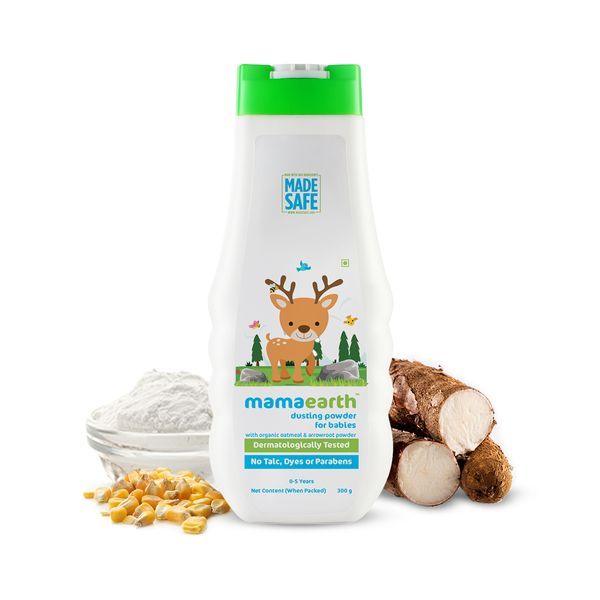
Mamaearth Dusting Powder for Babies with Arrowroot & Oat Starch
- ✓ 100% talc-free with arrowroot
- ✓ No synthetic fragrances or mineral oil
- ✓ Absorbs moisture without caking
* We earn a small commission — at no extra cost to you.
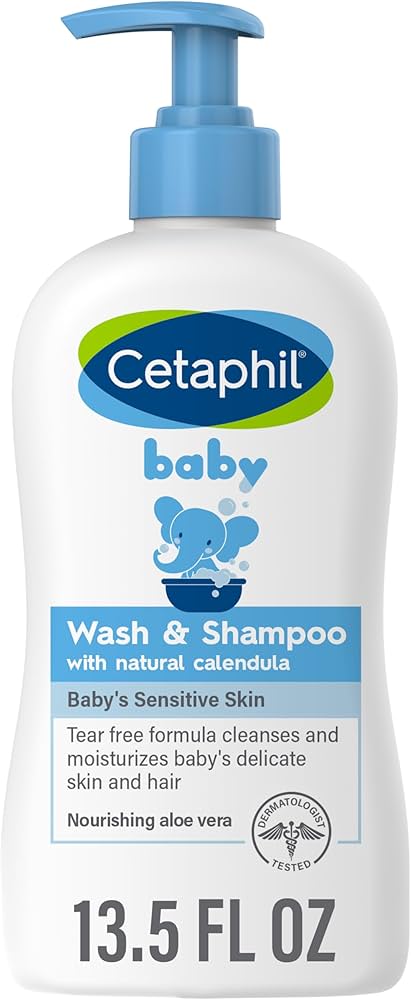
Cetaphil Baby Wash and Shampoo with Organic Calendula
- ✓ Soap-free, tear-free formula
- ✓ pH balanced for sensitive skin
- ✓ 2-in-1 cleanser and shampoo
* We earn a small commission — at no extra cost to you.
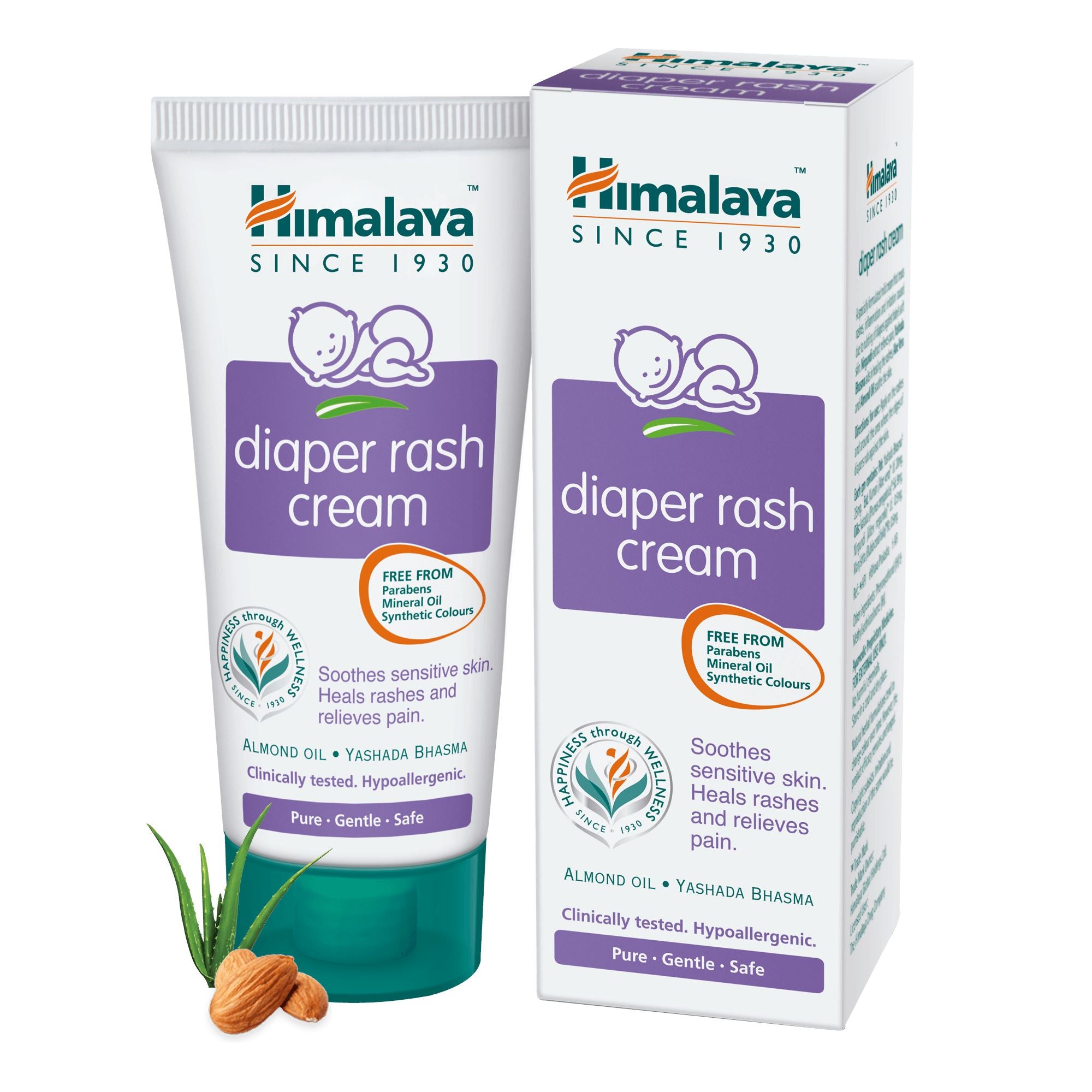
Himalaya Herbals Diaper Rash Cream
- ✓ Zinc oxide barrier protection
- ✓ With aloe vera and yashada bhasma
- ✓ Clinically tested, hypoallergenic
* We earn a small commission — at no extra cost to you.