
Baby Rash After New Lotion: Causes, Immediate Fixes & Patch Test Method
Stop using the lotion immediately and wash the area gently with water. Most rashes from lotion are contact dermatitis—your baby's skin reacted to an ingredient like fragrance, propylene glycol, or a pH mismatch. Apply coconut oil instead for 2–3 days. If the rash spreads, worsens, or doesn't fade in 5 days, see a doctor.
Your baby broke out in a rash a few hours after you applied a new lotion. Your first instinct—panic—is understandable. But most lotion reactions in babies are not dangerous; they're your baby's skin saying "I don't like this ingredient." In this article, we'll walk through what causes a baby rash after lotion, how to treat it right now, and how to avoid the same mistake with your next product.
What Causes Baby Rash After Lotion?
A rash that appears within 24 hours of using a new lotion is almost always contact dermatitis: your baby's skin has had an allergic or irritant reaction to one or more ingredients in that product. Unlike a food allergy, which affects the whole body, contact dermatitis stays localized to the skin that touched the lotion. The four most common culprits are:
1. Fragrance
Even "baby-safe" or "mild" fragrances irritate newborn skin. Your baby's skin barrier is still developing (it reaches adult thickness around 2–3 years old, according to dermatology research on infant skin maturation). Fragrance molecules are small and penetrate easily. If the product says "fragranced" or lists "parfum" on the label, it contains fragrance.
2. Propylene Glycol
This humectant keeps lotion from drying out, but it's a known irritant for sensitive baby skin. Many Indian and international brands use it. Check the ingredients list on Amazon.in or the brand's website—if propylene glycol is in the top 5 ingredients, it may be why your baby reacted.
3. pH Mismatch
Baby skin is more acidic than adult skin (pH around 4.5–5.5). Lotions formulated for the whole family often have a pH of 6–7, which disrupts your baby's natural acid mantle. The barrier weakens, and irritation follows. This is why "pH-balanced" is a genuine selling point on baby products, not marketing fluff.
4. Emulsifiers and Preservatives
Ingredients like sodium lauryl sulfate (SLS), methylisothiazolinone (MIT), or certain parabens can trigger redness and itching in babies under 6 months. Many parents specifically avoid these, and brands like The Moms Co market their products without them.
Immediate Steps: Stop, Cleanse, Calm
If your baby has a rash right now, do this:
Step 1: Stop using the lotion immediately. Don't wait to see if it gets better—remove the trigger.
Step 2: Gently wash the affected area. Use lukewarm water and a soft cloth, or just run water over it. Don't use soap. Pat dry—don't rub.
Step 3: Apply coconut oil. Virgin coconut oil (around Rs. 120 for a 200ml jar on Amazon.in) is one of the safest, most effective remedies. It's anti-inflammatory, has a low risk of irritation, and matches baby skin's pH. Use only a thin layer—too much can trap moisture and worsen the rash. Apply 2–3 times daily.
Step 4: Avoid heat and friction. Keep the area dry, avoid tight clothing, and don't bathe the baby in hot water for the next 2–3 days. Warm water is fine; hot water can worsen irritation.
Step 5: Monitor closely. A mild rash should start fading within 24–48 hours. If it spreads, becomes oozy, or develops pustules, see a doctor.
How to Patch-Test Before Using Any Lotion Again
Before you introduce any new lotion—even one marked "hypoallergenic"—patch-test it. This takes 48 hours but saves weeks of angry skin.
The patch-test method:
- Apply a small amount (the size of a lentil) of the new lotion to a small area of your baby's inner wrist or behind the ear—places your baby won't scratch or rub vigorously.
- Leave it on for 48 hours without washing it off. (Yes, it'll look odd. This is normal.)
- Check every 12 hours for redness, swelling, itching, or rash. Take a photo on your phone so you can compare.
- If all is clear after 48 hours, it's likely safe to use on larger areas.
- Even then, start with small amounts (a coin-sized dab on the arms or legs, not the whole body) for the first week.
This method catches reactions before they spread and has saved many parents on Amazon.in reviews from repeating a painful mistake.
Is Baby Rash After Lotion Serious?
Contact dermatitis from lotion is almost never serious. It's your skin's immune system overreacting, not a sign of infection or allergy to everything. However, see a doctor if: the rash covers more than 10% of your baby's body; it blisters or oozes; your baby develops a fever; the rash doesn't improve in 5–7 days; or your baby scratches constantly and you're worried about infection. This is general information, not medical advice.
4 Safer Lotion Alternatives for Sensitive Baby Skin in 2026
Now that you know what went wrong, here are four alternatives trusted by Indian parents. All four are fragrance-free or use only essential oils, pH-balanced, and have strong reviews on Amazon.in:
The Moms Co Natural Baby Lotion (Rs. 299): Fragrance-free, contains coconut oil and aloe vera, no parabens or SLS. Rated 4.4 stars from over 8,000 reviews on Amazon.in. Parents report it's one of the gentlest options available and rarely triggers reactions.
Aveeno Baby Lotion (Rs. 450): Contains colloidal oatmeal, which has been used for centuries to soothe irritated skin. Hypoallergenic, fragrance-free, and recommended by pediatricians. Slightly pricier but trusted internationally and widely available in India.
Mamaearth Organic Baby Lotion (Rs. 249): Free of parabens, SLS, and mineral oil. Contains shea butter and almond oil. 4.3 stars from 5,000+ reviews. Parents with extremely sensitive babies note it's one of the few Indian brands they can rely on.
Biotique Bio Baby Lotion (Rs. 165): Ayurvedic formulation without synthetic fragrances. Contains sesame oil and herbs. Budget-friendly and a favorite among parents in tier-2 and tier-3 cities. Some babies tolerate it better than Western brands.
What IAP and WHO Guidance Says
The Indian Academy of Pediatrics (IAP) recommends that babies under 6 months use minimal products—water and plain oil are safest. If you must use a lotion, choose one specifically formulated for infants, free of fragrance, and pH-balanced. WHO guidance emphasizes keeping baby skin dry and avoiding products with added chemicals when possible. Both bodies note that contact dermatitis is common and usually resolves within days of removing the trigger.
When to See a Doctor
Seek medical advice if: the rash covers more than 10% of your baby's body; it blisters, oozes, or develops yellow crusting (sign of infection); your baby has a fever above 100.4°F (38°C); the rash doesn't improve after 5–7 days of stopping the lotion; your baby is scratching constantly and you fear infection; or you notice signs of a severe allergic reaction like facial swelling or difficulty breathing (call emergency services immediately). This is general information, not medical advice.
Our Top Picks
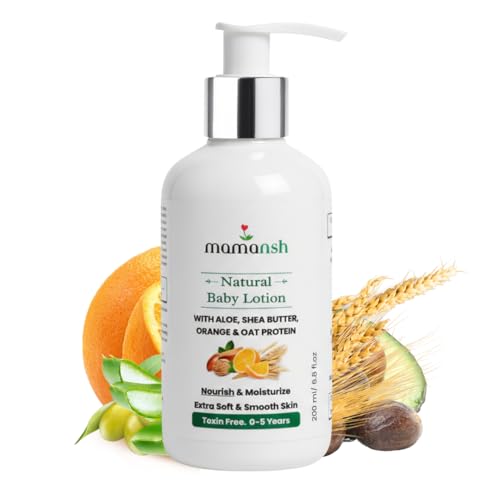
The Moms Co Natural Baby Lotion
- ✓ Fragrance-free
- ✓ No parabens or SLS
- ✓ Contains coconut oil and aloe vera
* We earn a small commission — at no extra cost to you.

Aveeno Baby Lotion
- ✓ Contains colloidal oatmeal
- ✓ Hypoallergenic and fragrance-free
- ✓ Recommended by pediatricians
* We earn a small commission — at no extra cost to you.
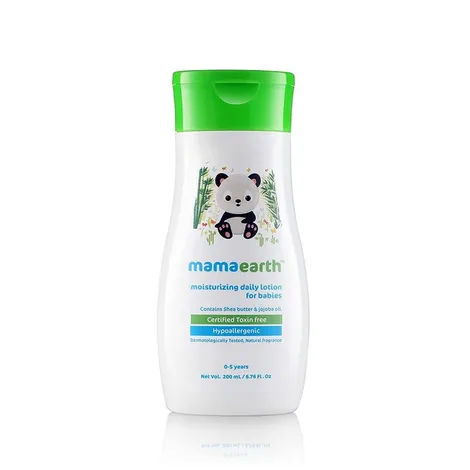
Mamaearth Organic Baby Lotion
- ✓ Free of parabens and SLS
- ✓ No mineral oil
- ✓ Contains shea butter and almond oil
* We earn a small commission — at no extra cost to you.
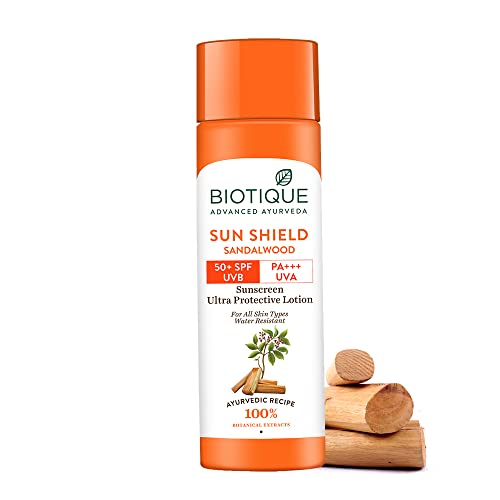
Biotique Bio Baby Lotion
- ✓ Ayurvedic formulation
- ✓ No synthetic fragrance
- ✓ Contains sesame oil and herbs
* We earn a small commission — at no extra cost to you.

Virgin Coconut Oil (for immediate relief)
- ✓ 100% pure virgin coconut oil
- ✓ Anti-inflammatory
- ✓ pH-matched to baby skin
* We earn a small commission — at no extra cost to you.