
Baby Skin Peeling After New Soap: Why It Happens & 4 Quick Fixes
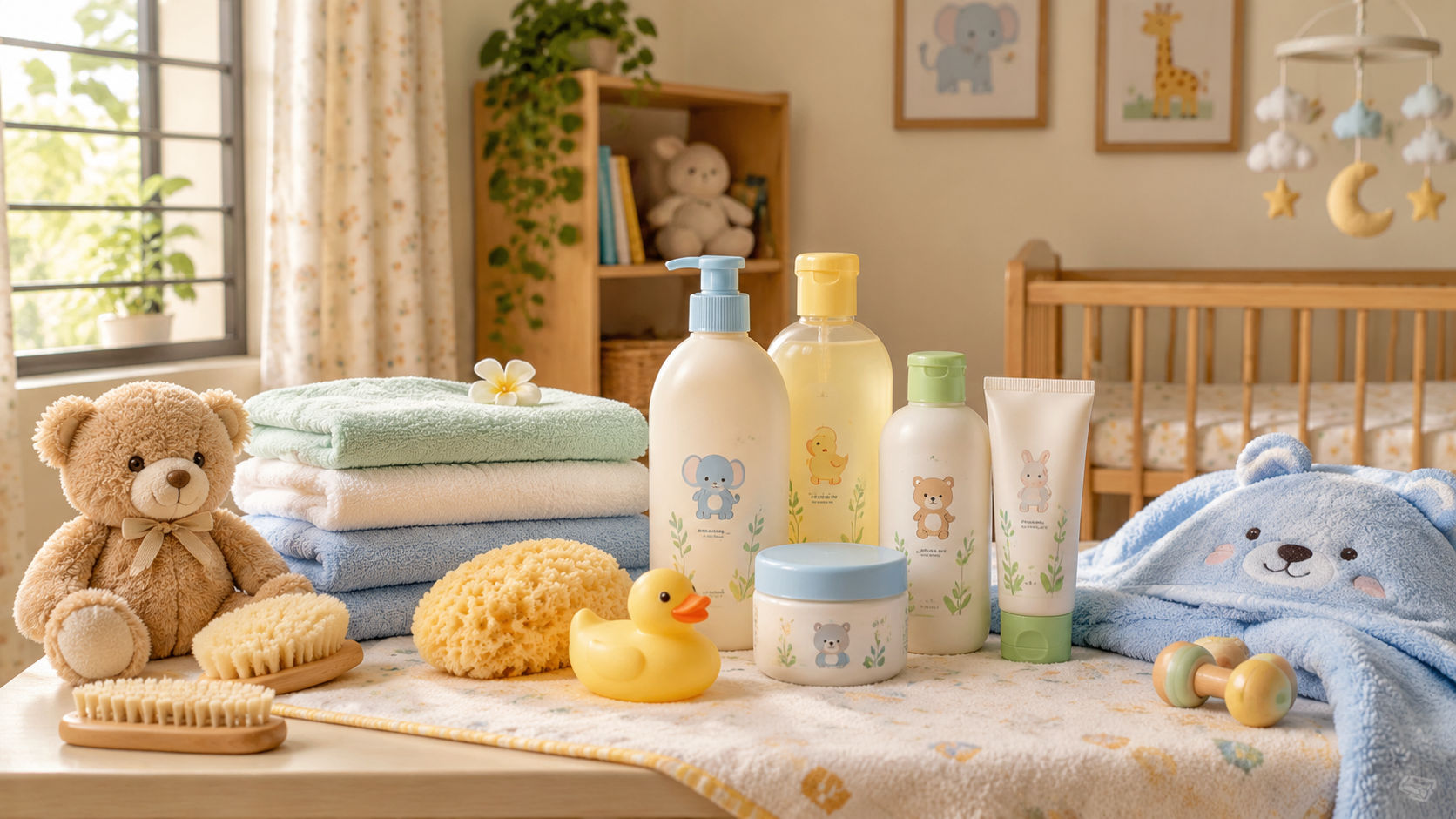
Baby skin peeling after a new soap is usually caused by pH shock (adult soaps are too alkaline for baby skin, which has a pH of 4.5-5) or barrier damage from harsh surfactants. Fix it by diluting the new soap with water, introducing gap days between washes, applying an oil barrier before bathing, or switching to a pH-balanced baby cleanser. If peeling lasts over a week or spreads, see a dermatologist.
You switched to a new soap last week, and now your baby's arms, legs, or face are flaky and dry. The soap seemed gentle enough—your friend recommended it—but within 48 hours, the peeling started. This is not normal newborn skin shedding (which happens at 1-2 weeks old). This is a reaction, and it has a name: pH shock.
I've watched this happen to at least four parents in my building. One switched from Chicco Baby Moments Soap to a pharmacy brand her mum recommended. Another tried a "natural" bar from a local shop. Both had peeling within 72 hours. The fix wasn't complicated, but it required understanding why the baby's skin was reacting in the first place.
Why Baby Skin Peels After a New Soap
Baby skin pH: Your baby's skin operates at a pH of 4.5 to 5, which is acidic. This acidic mantle is the reason babies don't get diaper rash easily and why their skin is naturally protected. Most adult soaps—and many "baby" soaps that aren't properly formulated—have a pH of 7 to 9 (neutral to alkaline). When you apply an alkaline product to acidic baby skin, the skin reacts by trying to restore balance. During this process, the outer layer of skin sheds rapidly, causing visible peeling and flaking.
The second culprit is surfactant strength. Soaps contain surfactants (cleaning agents). Baby skin has an immature lipid barrier—it can't hold moisture as well as adult skin. Harsh surfactants strip this barrier, allowing water to escape and bacteria to enter. The result: dry, peeling patches that can last 5–10 days if the product continues to be used.
A third, often-overlooked factor is hard water. In Delhi, Mumbai, and Pune, water hardness ranges from 100 to 300 ppm (parts per million). When alkaline soap reacts with hard water minerals, it leaves a residue on the skin. This residue blocks moisture, worsening dryness and peeling. If your city has hard water and you've switched to a soap that isn't formulated to work in hard water, peeling often appears within 3 days.
Four Immediate Fixes That Work
Fix 1: The Dilution Method
Don't throw away the new soap yet. Dilute it. Wet the bar, lather it in your hands with plain water until it's foamy, and then add one more handful of water before applying to your baby. This reduces the soap's concentration on the skin and lowers its pH slightly. You'll use more water and less soap per wash. Within two washes, many babies show improvement. This works best for bar soaps.
Fix 2: Gap Days
Introduce a wash gap. Instead of bathing every day, bathe every other day for one week. On the "off" days, do a warm water rinse only (no soap). This gives the skin's acidic mantle time to recover. According to IAP (Indian Academy of Pediatrics) guidelines, babies aged 3–12 months don't need daily full baths—every other day is fine. Peeling usually reduces by day 5 of this schedule.
Fix 3: Oil Barrier Pre-Bath
Before bathing, apply a thin layer of coconut oil or cold-pressed almond oil to the peeling areas. Leave it on for 5 minutes. Then bathe with the diluted soap. The oil creates a barrier that prevents the soap from stripping the skin's natural oils. Pat the skin dry (don't rub) and apply a heavy cream or oil immediately after the bath while the skin is still slightly damp. This locks in moisture and breaks the peeling cycle.
Fix 4: Switch to a pH-Balanced Alternative
If after one week of the above fixes the peeling hasn't improved, switch products. Sebamed Baby Cleansing Bar (₹225 on Amazon.in) is formulated to pH 5.5 specifically for baby skin and works well in hard water. It has a 4.1-star rating from over 2,500 reviews on Amazon.in, and parents consistently mention reduced dryness. Mamaearth Moisturizing Bathing Bar (₹199) is another option—it includes plant-derived moisturisers and has fewer reported peeling incidents according to reviews. Chicco Baby Moments Soap (₹140) remains a reliable choice if you were using it before and saw no reaction.
When to See a Dermatologist
If peeling persists beyond 10 days, spreads to larger areas, develops into red patches, or is accompanied by itching or oozing, book a dermatologist appointment. This may indicate contact dermatitis, a true allergic reaction, or a secondary infection. Do not continue using the soap in question. A dermatologist will identify the trigger and recommend a replacement.
What Paediatricians Say
The Indian Academy of Pediatrics recommends using pH-balanced cleansers (pH 4.5–6) for babies under 12 months to maintain skin barrier integrity. Mild peeling after a product change is common and usually resolves in 5–7 days with the methods above. However, persistent peeling, especially if accompanied by redness or discharge, warrants medical evaluation.
Bottom line: Baby skin peeling after a new soap is usually pH shock or barrier damage, not an infection. Dilute the soap, introduce gap days, use an oil barrier, and consider switching to a pH-tested product if the first three steps don't help within a week. Most babies recover fully within 10 days once the trigger is removed.
Our Top Picks
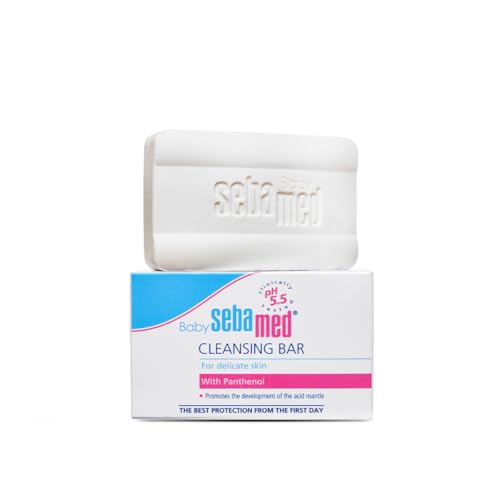
Sebamed Baby Cleansing Bar
- ✓ pH 5.5 formulated for baby skin
- ✓ Dermatologically tested
- ✓ Works in hard water
* We earn a small commission — at no extra cost to you.

Mamaearth Moisturizing Bathing Bar
- ✓ Plant-derived moisturisers
- ✓ Free from parabens and sulphates
- ✓ Gentle on sensitive skin
* We earn a small commission — at no extra cost to you.

Chicco Baby Moments Soap
- ✓ Hypoallergenic formula
- ✓ Dermatologist tested
- ✓ Tear-free and mild
* We earn a small commission — at no extra cost to you.