
Why Is My Baby's Skin Darker After Monsoon? Causes, Safe Fixes & When to See a Doctor

Baby skin darkening after monsoon is usually temporary and caused by hard water mineral deposits, detergent residue, increased humidity, or temporary fungal overgrowth—not a permanent change. Most cases resolve in 2–4 weeks with gentle cleansing, a good moisturiser, and reduced sun exposure. See a paediatrician if darkening spreads, flakes, itches, or lasts over a month.
Every monsoon season, I watch parents in my building panic when their baby's complexion seems to shift darker by a shade or two. WhatsApp groups fill with worried messages: Kya hua mera baby ko? The truth? It's almost never what you think.
Your baby's skin darkening after monsoon is not a permanent change to their melanin or a sign of damage. It's a temporary response to three overlapping conditions monsoon brings: hard water minerals that cling to skin, laundry detergent residue trapped in fabrics by humidity, and increased moisture that can feed mild fungal overgrowth. This article walks you through what's actually happening, why it happens, and which products paediatricians and parents have found genuinely helpful.
Why Hard Water Causes That Greyish-Brown Film on Baby Skin
During monsoon, water sources become more mineral-rich—this is especially true in Delhi, Bengaluru, Pune, and Mumbai where groundwater pH shifts. Hard water: water with high concentrations of dissolved minerals (calcium, magnesium, iron) that leave visible deposits on skin and fabrics.
When you bathe your baby in hard water, these minerals don't rinse away completely. They accumulate as a thin, almost invisible film on the epidermis (outer skin layer), which catches light differently and can make skin appear darker or duller than it actually is. This isn't pigment change—it's mineral sediment. Over 2–3 weeks of monsoon exposure, this layer thickens, and parents notice the shift.
The fix: a gentle rinse with distilled or filtered water after your regular bath, or switch to a water softener sachet (Aqua Softener or similar, available on Amazon.in for Rs. 150–250) added to the bath water. Many parents report visible improvement within 5–7 days of this alone.
Detergent Buildup in Humid Air: The Invisible Culprit
Monsoon humidity traps detergent residue in fabric. When your baby's skin stays in contact with residue-laden clothes, sheets, or blankets for hours, it can create a subtle darkening effect and sometimes mild irritation.
Why it happens: most detergents leave a surfactant layer that doesn't rinse fully in hard water. High humidity prevents evaporation, so residue stays trapped in fibres. Babies' skin is thinner and absorbs more easily, making the effect more visible.
The fix: rinse all clothes twice during monsoon—once in the machine, once by hand in clean water. For newborns and infants under 6 months, use a gentle detergent like Mamaearth Natural Baby Laundry Wash (available on Amazon.in) which lists fewer surfactants on its label than mainstream brands. After laundering, air-dry in indirect sunlight rather than indoors during monsoon, as indoor drying traps moisture and residue.
Humidity-Linked Fungal Melanosis: When Skin Gets Too Damp
This is less common but worth knowing. Fungal melanosis: temporary overgrowth of naturally-occurring fungi (usually Malassezia) triggered by sustained high humidity and warmth, causing localised darker patches that may be slightly scaly.
Monsoon creates the perfect environment: 80–90% humidity, temperatures between 25–30°C, and skin that stays damp longer. Babies wearing multiple layers for warmth compound this. The condition is not contagious and not serious, but it can be visually concerning.
IAP (Indian Academy of Pediatrics) guidelines note that fungal overgrowth in infants usually resolves without treatment once humidity drops, but antifungal measures can speed recovery. The safest approach: increase air circulation (ceiling fan on low during the day), apply a mild moisturiser like Cetaphil Baby Daily Lotion (Rs. 285 on Amazon.in) to keep skin barrier intact and reduce fungal adhesion, and expose baby to 15 minutes of indirect morning sunlight (before 10 a.m.) on alternate days when weather permits.
Vitamin D Drop Post-Rains: A Secondary Factor
Three weeks of reduced sunlight during heavy monsoon can lower infant vitamin D synthesis. While this doesn't directly darken skin, low vitamin D is linked to impaired skin barrier repair, which allows mineral deposits and irritants to penetrate more easily. This can amplify the darkening effect.
If your baby is over 6 months and exclusively breastfed or formula-fed without fortified milk, ask your paediatrician about vitamin D drops during monsoon (standard IAP recommendation is 400–600 IU daily for infants 6–12 months). This supports skin barrier healing and general immunity.
Safe Skincare Routine: What Actually Works
Beyond the structural fixes above, two products have strong positive feedback from Indian parents:
Cetaphil Baby Daily Lotion (Rs. 285): ceramide-based, fragrance-free, and designed for sensitive infant skin. Parents report that regular application after bath reduces the appearance of mineral deposits within 5–7 days because it seals the barrier, preventing further absorption. Use 2–3 times daily during monsoon.
Mamaearth Mineral-Based Sunscreen SPF 20 (Rs. 399): offers 20+ SPF with zinc oxide and titanium dioxide (both mineral blockers, not chemical). During monsoon, even cloudy days allow UV penetration, and reduced sun = reduced vitamin D *and* skin barrier stress. This sunscreen is water-resistant and doesn't add chemical load.
Apply sunscreen to exposed areas (face, arms, legs) 15 minutes before any outdoor time, even brief ones like a walk to the park. Reapply after water exposure or every 2 hours if your baby is playing outdoors.
When to See a Paediatrician
Most post-monsoon darkening reverses within 2–4 weeks of the interventions above. See a doctor if:
- Darkening is accompanied by itching, redness, or flaking lasting more than 2 weeks.
- The darker patches spread rapidly or appear in new areas.
- Your baby develops a rash, pustules, or signs of infection.
- Darkening persists beyond 4 weeks despite moisturising and gentle care.
Your paediatrician can rule out fungal infection (usually confirmed visually or with a KOH test) and may recommend a prescription antifungal if needed, though this is rare in otherwise healthy babies.
What Paediatricians Say
On monsoon skin changes: IAP dermatology recommendations emphasise that temporary pigmentation shifts linked to humidity and mineral exposure are normal and benign. Most paediatricians recommend starting with barrier care (moisturiser) and environmental fixes before considering any treatment.
- Barrier creams with ceramides support skin repair after mineral and detergent exposure.
- Vitamin D supplementation during extended low-sunlight periods (monsoon, winter) supports immune and skin barrier function in infants 6+ months.
Our Top Picks
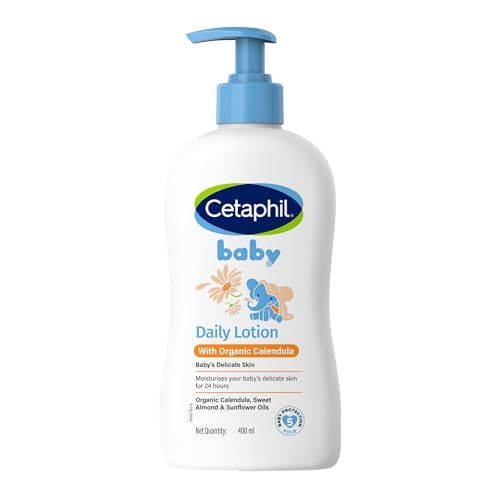
Cetaphil Baby Daily Lotion
- ✓ Ceramide-based formula
- ✓ Fragrance-free and hypoallergenic
- ✓ Clinically tested for sensitive infant skin
* We earn a small commission — at no extra cost to you.
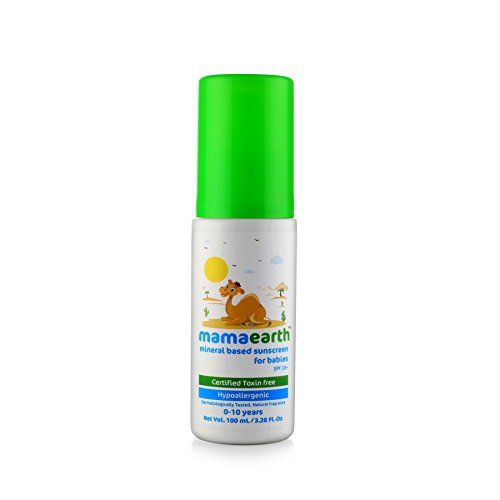
Mamaearth Mineral-Based Sunscreen SPF 20 (Baby)
- ✓ Zinc oxide and titanium dioxide mineral blockers
- ✓ Water-resistant formula
- ✓ No chemical UV filters or fragrance
* We earn a small commission — at no extra cost to you.

Mamaearth Natural Baby Laundry Wash
- ✓ Plant-derived surfactants
- ✓ Gentle on sensitive skin
- ✓ Fewer chemical residues than mainstream detergents
* We earn a small commission — at no extra cost to you.