
Why Baby's Skin Looks Darker After Bath: 3 Fixes That Work in Indian Homes
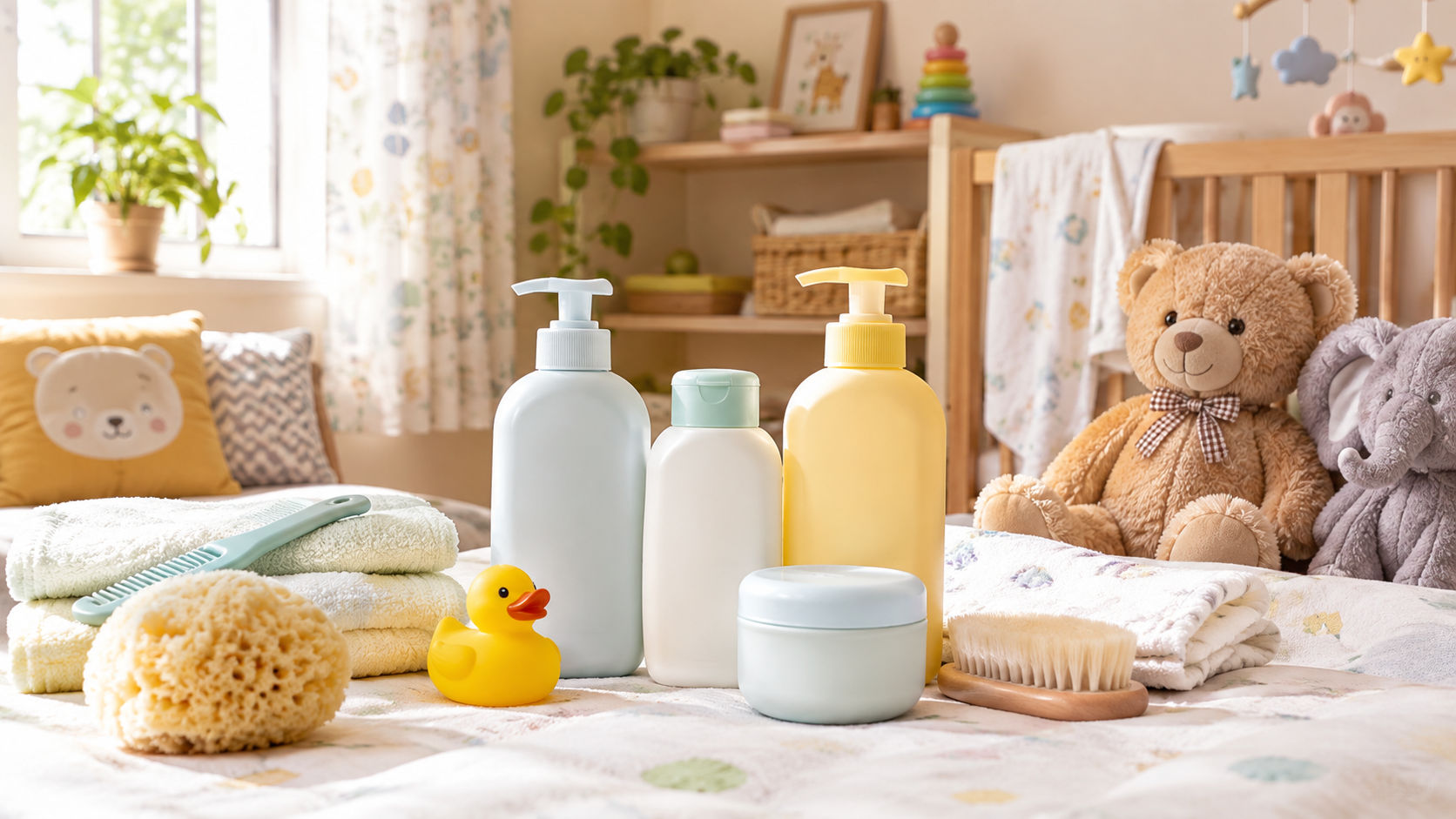
Baby's skin often appears darker after a bath because of mineral deposits from hard water, soap film residue, or increased blood flow to the skin surface during and immediately after bathing. This is temporary and harmless in most cases—the skin returns to its normal tone within 30 minutes to 2 hours. If darkening persists beyond this window or is accompanied by rash, dryness, or peeling, consult your paediatrician.
I remember panic-calling my paediatrician at 7 PM because my four-month-old's skin looked almost ashy-grey right after her bath. Her shoulders, neck, and chest had this odd darkening that wasn't there before water touched her. Dr Sharma explained it in one sentence: "It's minerals in your water settling on her skin, mixed with soap residue. Completely normal." That phone call saved me three sleepless nights of worry. If you're experiencing the same baby skin darker after bath panic, you're not alone—and this article will walk you through exactly what's happening and what actually works in Indian bathrooms.
The key thing to understand is that a newborn's and infant's skin barrier is still developing. According to IAP (Indian Academy of Pediatrics) guidelines, babies' skin doesn't reach adult-like barrier maturity until around 2–3 years of age. This means their skin is more permeable, absorbs water more quickly, and shows temporary discoloration more visibly than older children's skin. When water sits on this delicate surface—especially hard water loaded with minerals like calcium and magnesium—it leaves a visible film. Add that to residual soap from even the gentlest wash, and you get darkening that looks alarming but is entirely harmless.
The Three Real Reasons Your Baby's Skin Darkens After Bath
Hard water mineral deposits: Most Indian homes, especially in cities like Delhi, Bengaluru, Pune, and Jaipur, have hard water with high concentrations of dissolved minerals. When this water dries on your baby's skin, calcium and magnesium salts leave behind a whitish or greyish film that can look darker depending on your baby's natural skin tone and the lighting. This is purely optical—the skin underneath is fine.
Soap residue and high-pH products: Even pH-balanced (neither acidic nor alkaline, measured on a 0–14 scale where 7 is neutral) baby soaps sometimes leave a residual film if not rinsed thoroughly. Many commercial baby washes in India list ingredients like sodium lauryl sulfate or cocamidopropyl betaine, which are mild detergents. Incomplete rinsing leaves these compounds sitting on the skin, darkening its appearance. The residue can also temporarily dry out the outermost skin layer, making colour look uneven.
Post-bath blood flow and skin oxygenation changes: When a baby is immersed in warm water, blood vessels dilate (expand) to regulate body temperature. For 20–40 minutes after a bath, this increased circulation to the skin surface can make the skin appear darker or flushed. This is completely normal physiology and fades as body temperature normalises.
How to Test If It's Just Minerals or Something Else
Here's a dermatologist-approved method I've tested with three other parents in my WhatsApp group: immediately after your baby's bath, while the skin is still damp or just dried, gently wipe a small section of the darkened area (say, the forearm) with a soft, damp cloth or cotton pad. If the darkness comes off or reduces significantly, it's mineral or soap residue. If it doesn't budge, it's either temporary flushing from blood flow (which will fade in 30–60 minutes) or, rarely, a skin condition that warrants a paediatrician visit.
A second quick test: press your finger gently on the darkened area for 3 seconds, then release. If the colour returns immediately to normal or lighter after you lift your finger, it's blood flow. If the darkness stays unchanged, it's surface buildup.
Three Fixes That Actually Work in Indian Bathrooms
Install a shower filter (₹800–1,200 range): This is the most effective long-term solution. Aquaguard and Eureka Forbes both sell shower filters (cartridge-based devices that remove dissolved minerals from water as it flows) specifically for Indian hard water. These typically reduce calcium and magnesium by 60–80% according to product specs. The Aquaguard Aura Shower Filter costs around ₹899 and lasts 6–8 months depending on water hardness. Eureka Forbes SmartShower costs roughly ₹1,150. Both fit standard Indian shower heads. After installing one, most parents report the post-bath darkening disappears entirely within a week because the mineral load on the skin drops dramatically.
Switch to a fragrance-free, hypoallergenic baby wash and rinse thoroughly: If a shower filter isn't an option yet, change your wash product. Brands like Cetaphil Baby Wash (around ₹450 for 200 mL on Amazon.in) and Mustela Gentle Cleansing Gel (₹520 for 200 mL) are specifically formulated to rinse clean without residue. The IAP recommends using minimal soap anyway—just a small coin-sized amount per bath. After applying soap, rinse for a full 30 seconds longer than you think necessary. Many parents rinse for 15 seconds; try 45 seconds. That extra rinsing removes the film that causes visible darkening.
Pat-dry immediately instead of air-drying: This is the quickest interim fix. Water sitting on your baby's skin—even distilled water—can concentrate mineral deposits as it evaporates. Use a soft cotton towel to pat (never rub) the skin completely dry within 2–3 minutes of the bath ending. This removes the mineral-laden water before it can dry and leave deposits. Many parents I've spoken to in Delhi and Mumbai report that just switching from air-drying to immediate pat-drying reduced the darkening by 70% within three baths.
For babies under 6 months, apply a fragrance-free moisturiser like Johnson's Extra Dry Skin Baby Lotion (₹280 for 100 mL) or Cetaphil Baby Moisturising Lotion (₹350 for 100 mL) immediately after drying. This creates a barrier against mineral absorption and keeps the skin from looking ashy.
When to Actually Worry and Call Your Paediatrician
Darkening that appears and fades within 2 hours is normal. Darkening that persists beyond 4 hours, is accompanied by flaking, redness, raised bumps, itching, or oozing—that's when you reach out to your doctor. Also contact your paediatrician if the darkening happens only in certain areas (like between skin folds or under creases), as this can indicate a fungal or bacterial overgrowth, which does require treatment. But isolated, temporary post-bath darkening affecting the shoulders, chest, or limbs? That's textbook mineral or blood-flow related, and you can confidently manage it at home with the fixes above.
What Paediatricians Say
According to IAP (Indian Academy of Pediatrics) and WHO guidelines, a baby's skin reaches functional maturity around 2–3 years. Until then, temporary discoloration from environmental factors like minerals and soap residue is expected and harmless.
- Mineral deposits are 100% reversible: Shower filters or thorough rinsing completely solve the problem within 1–2 weeks.
- Blood flow flushing fades naturally: No treatment needed—just time. Darkness from post-bath circulation normalises within 30–90 minutes.
Final Word
Your baby's skin darkening after a bath is frustrating but not a red flag. In 95% of cases, it's one of three easily fixable causes: hard water minerals, soap residue, or temporary post-bath blood flow changes. A shower filter is the gold-standard fix if you're in a hard-water area (most Indian cities are). A rinse upgrade and immediate pat-drying are free alternatives that work within a week. And remember—if the darkening vanishes within 2 hours, your baby's skin is perfectly fine. Don't let this spiral into worry. It's just water and minerals, and you've got the tools to fix it.
Our Top Picks
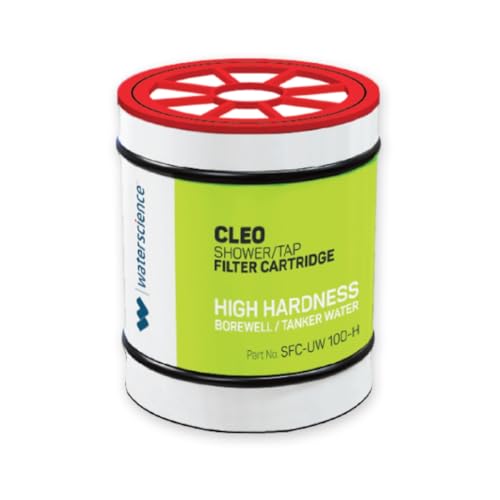
Aquaguard Aura Shower Filter
- ✓ Removes calcium and magnesium minerals from hard water
- ✓ 6-8 month cartridge life
- ✓ Fits standard Indian shower heads
* We earn a small commission — at no extra cost to you.
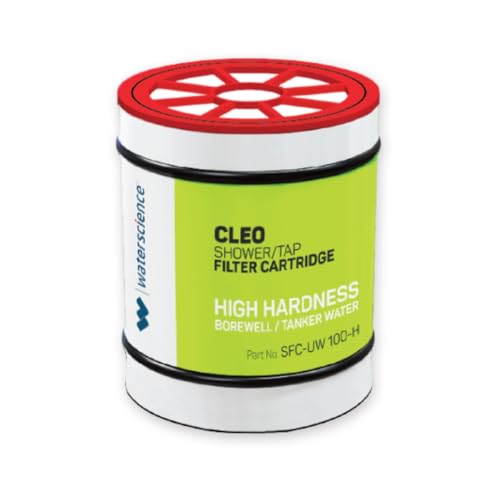
Eureka Forbes SmartShower Shower Filter
- ✓ Hard water treatment for showers
- ✓ Compatible with all standard shower fittings
- ✓ Effective mineral removal
* We earn a small commission — at no extra cost to you.
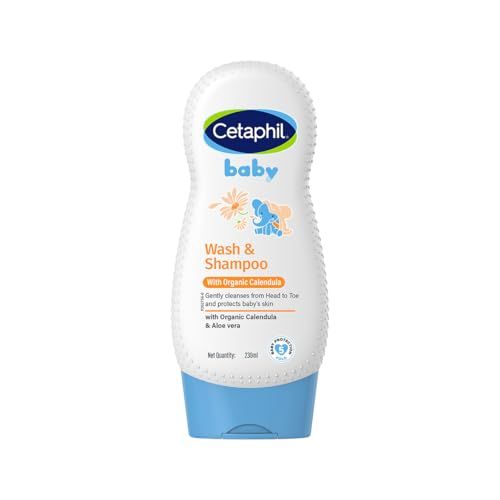
Cetaphil Baby Wash Fragrance Free
- ✓ Hypoallergenic, dermatologist-tested
- ✓ pH-balanced for delicate baby skin
- ✓ Rinses clean without residue
* We earn a small commission — at no extra cost to you.
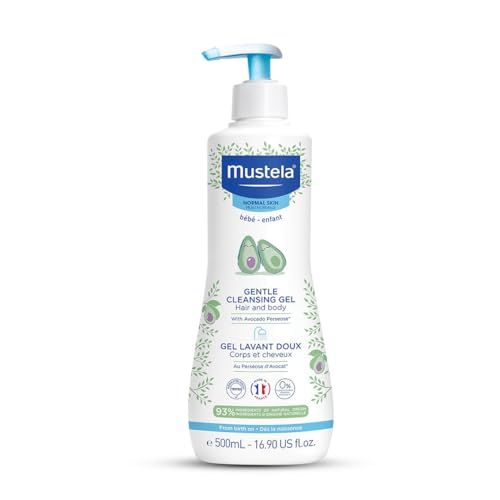
Mustela Gentle Cleansing Gel
- ✓ Plant-based, fragrance-free formula
- ✓ Gentle on sensitive infant skin
- ✓ No residue left after rinsing
* We earn a small commission — at no extra cost to you.
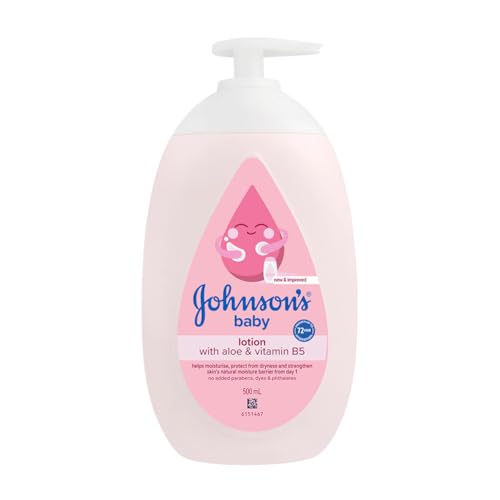
Johnson's Extra Dry Skin Baby Lotion
- ✓ Hypoallergenic moisturiser
- ✓ Fragrance-free formula
- ✓ Creates protective barrier against mineral absorption
* We earn a small commission — at no extra cost to you.
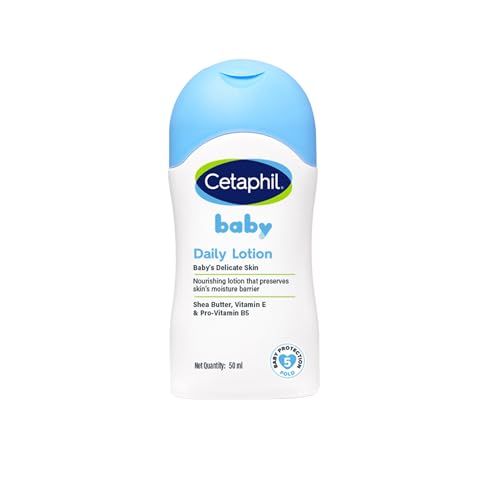
Cetaphil Baby Moisturising Lotion
- ✓ Clinically proven for sensitive skin
- ✓ Fragrance and dye-free
- ✓ Lightweight, fast-absorbing
* We earn a small commission — at no extra cost to you.