
Baby Dove Soap pH Level: What the Label Says vs Newborn Skin
Baby Dove Rich Moisture is labeled at pH 5.5, which the brand positions as close to newborn skin's natural acidity. Neutral pH is 7.0; lower numbers (more acidic) are intended to match the skin barrier of infants under 6 months. However, IAP guidelines focus on gentle cleansing over pH claims alone.
Choosing a baby soap involves more than picking a familiar name. Parents often ask: if the label says pH 5.5, is that actually good for my baby's skin? This matters especially in India, where hard water and mineral content can affect how any soap behaves on delicate skin. Baby Dove soap pH level is one of the most searched concerns among Indian parents, yet the real science behind it—and what the brand actually claims—often gets oversimplified.
Baby Dove Rich Moisture and Baby Dove Sensitive Moisture bars are among India's most accessible gentle soaps, both priced around Rs. 99 on Amazon.in. Understanding what their pH claims mean, how they differ from truly neutral options, and whether pH is the only factor that matters will help you make a choice aligned with your baby's skin type and your water quality at home.
What Does pH 5.5 Actually Mean for Baby Skin?
The term pH refers to how acidic or alkaline a substance is on a scale from 0 (most acidic) to 14 (most alkaline); 7 is neutral. Baby Dove Rich Moisture's labeled pH of 5.5 places it in the acidic range—closer to the natural pH of healthy infant skin, which typically sits between 4.5 and 5.5. The rationale behind targeting this range is that newborn skin has a naturally acidic skin barrier—the outermost layer of cells that protects against water loss and bacterial entry.
The brand's marketing suggests this slight acidity helps maintain that barrier without disrupting it. In contrast, traditional bar soaps and many adult body washes are alkaline (pH 8–10), which can strip away natural oils and temporarily raise skin pH, making the barrier more vulnerable—a concern for babies with sensitive or eczema-prone skin.
However, the presence of a claim on the label does not mean Baby Junctions has independently verified the pH. The claim appears on Baby Dove's official product descriptions and Amazon.in listings. What matters more to IAP guidance is the formulation's gentleness and lack of harsh detergents, not the pH number alone.
How Baby Dove Compares to Neutral pH and Other Soaps
A truly neutral soap has a pH of 7.0. Baby Dove Rich Moisture at 5.5 is moderately acidic; some parents assume this makes it inherently better, but the story is more nuanced. A neutral pH soap (7.0) is not automatically harmful—what matters is the surfactant system. Some soaps at pH 7 are formulated with very mild cleansing agents and added emollients, making them suitable for babies. Others at pH 5.5 may contain irritating ingredients that offset the pH benefit.
Baby Dove's stated ingredient list (as shown on Amazon.in and the brand's official website) includes Sodium Tallowate or Sodium Cocoate (mild soap bases), Glycerin (humectant), and Dove's proprietary Moisture Complex. It does not list parabens, sulphates, or fragrance in its baby range formulations—though always verify the current product page, as formulations can change. Sebamed Baby Soap, another popular option in India, claims pH 5.5 as well and includes similar mild bases.
For comparison: Himalaya Baby Soap (if examined on Amazon.in) does not prominently advertise a pH claim; parents interested in a labeled pH claim have fewer options at this price point. The table below summarizes three commonly available baby soap options:
| Product | Claimed pH | Approx. Price (Rs.) | Fragrance | Key Ingredient Highlight |
|---|---|---|---|---|
| Baby Dove Rich Moisture | 5.5 | 99 | Unscented | Glycerin + Moisture Complex |
| Baby Dove Sensitive Moisture | 5.5 | 99 | Unscented | Glycerin (hypoallergenic formula) |
| Sebamed Baby Cleansing Bar | 5.5 | 120–150 | Mild fragrance | Sebum and lipid-enriched |
Why pH Matters (and Why It's Not Everything)
The newborn skin barrier is still developing, particularly in the first few weeks. It is thinner, more permeable, and less able to regulate water loss than adult skin. An overly alkaline soap can temporarily raise skin pH, reduce the population of beneficial skin bacteria, and lead to dryness or irritation—especially noticeable in babies prone to eczema or with sensitive skin.
That said, pH is one factor among several. A mildly acidic formulation (pH 5.5) matters most if the soap also avoids harsh surfactants, perfumes, and dyes. Baby Dove Rich Moisture's ingredient list—as stated on Amazon.in—does not include these; it relies on mild soap bases and glycerin. This combination is why many Indian parents report their babies have fewer rashes with this product compared to harsher bars.
However, pH alone does not guarantee suitability. A baby with severe eczema or extremely sensitive skin might still react to any soap, regardless of pH, and benefit more from a soap-free cleanser or prescribed emollient. Similarly, in areas with very hard water (common in Delhi, parts of Mumbai, and Bengaluru), even a pH-balanced soap can interact with minerals and leave residue. Rinsing thoroughly and using soft water (or distilled water if available for the final rinse) can mitigate this.
What IAP and WHO Guidance Says
What IAP and WHO Guidance Says
• The Indian Academy of Pediatrics recommends using mild, fragrance-free cleansers for babies under 6 months, with emphasis on the formulation's gentleness over a specific pH number. • WHO guidance for infant skin care emphasizes minimal use of soap; plain water is often sufficient, especially on the face and diaper area. When soap is used, a mild, pH-balanced formula is preferable to avoid disrupting the developing barrier.
Hard Water, pH, and What Works in Indian Homes
Hard water—high in calcium and magnesium minerals—is common across India's urban centers. When a soap at any pH encounters hard water, the minerals can bind with soap molecules, reducing their cleansing power and sometimes leaving a film on the skin. This is a practical concern parents in Tier 1 and 2 cities often overlook.
Baby Dove Rich Moisture's formulation is designed to perform reasonably well in moderately hard water, though this depends on your specific water source. If your baby develops persistent dryness or a chalky residue after bathing despite using a pH-balanced soap, hard water may be the culprit. Solutions include installing a water softener, using a final rinse with boiled and cooled water, or switching to a soap-free gel if dryness becomes severe.
Practical Tips: Using Baby Dove Safely at Home
Use sparingly: A pea-sized amount of Baby Dove is sufficient for a full baby bath. Less soap means less residue and lower risk of dryness. Rinse thoroughly: Hard water requires extra rinsing. Use lukewarm water and repeat the rinse at least twice. Moisturize after: Even with a gentle soap, apply a pediatrician-approved moisturizer (such as a fragrance-free lotion or oil) within 3 minutes of bathing while skin is still slightly damp. Spot-test first: If your baby has a history of eczema or sensitivity, test Baby Dove on a small area (inner arm or behind the ear) for 2–3 days before full-body use. Check the label every purchase: Formulations can change. Always verify the ingredient list on the current pack or Amazon.in product page.
When to See a Doctor
Discontinue use and consult a pediatrician if your baby develops persistent rash, severe dryness, peeling, redness that worsens after bathing, or signs of an allergic reaction (swelling, hives). This is general information, not medical advice.
Our Top Picks
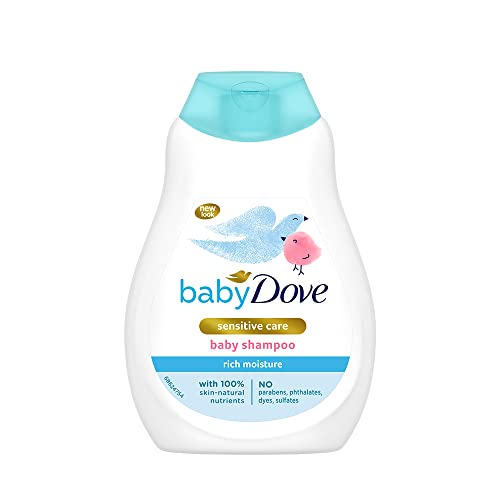
Baby Dove Rich Moisture Soap Bar
- ✓ pH 5.5
- ✓ Unscented, paraben-free
- ✓ 75 g bar
* We earn a small commission — at no extra cost to you.

Baby Dove Sensitive Moisture Soap Bar
- ✓ pH 5.5
- ✓ Hypoallergenic formula
- ✓ 75 g bar
* We earn a small commission — at no extra cost to you.

pH Test Strips 0-14 Range (Pack of 50)
- ✓ 0-14 pH range
- ✓ Pack of 50 strips
- ✓ Reusable indicator strips
* We earn a small commission — at no extra cost to you.