
Wow Momz vs Bumtum Diapers: Monsoon Comparison 2026 (Real Humidity Test)
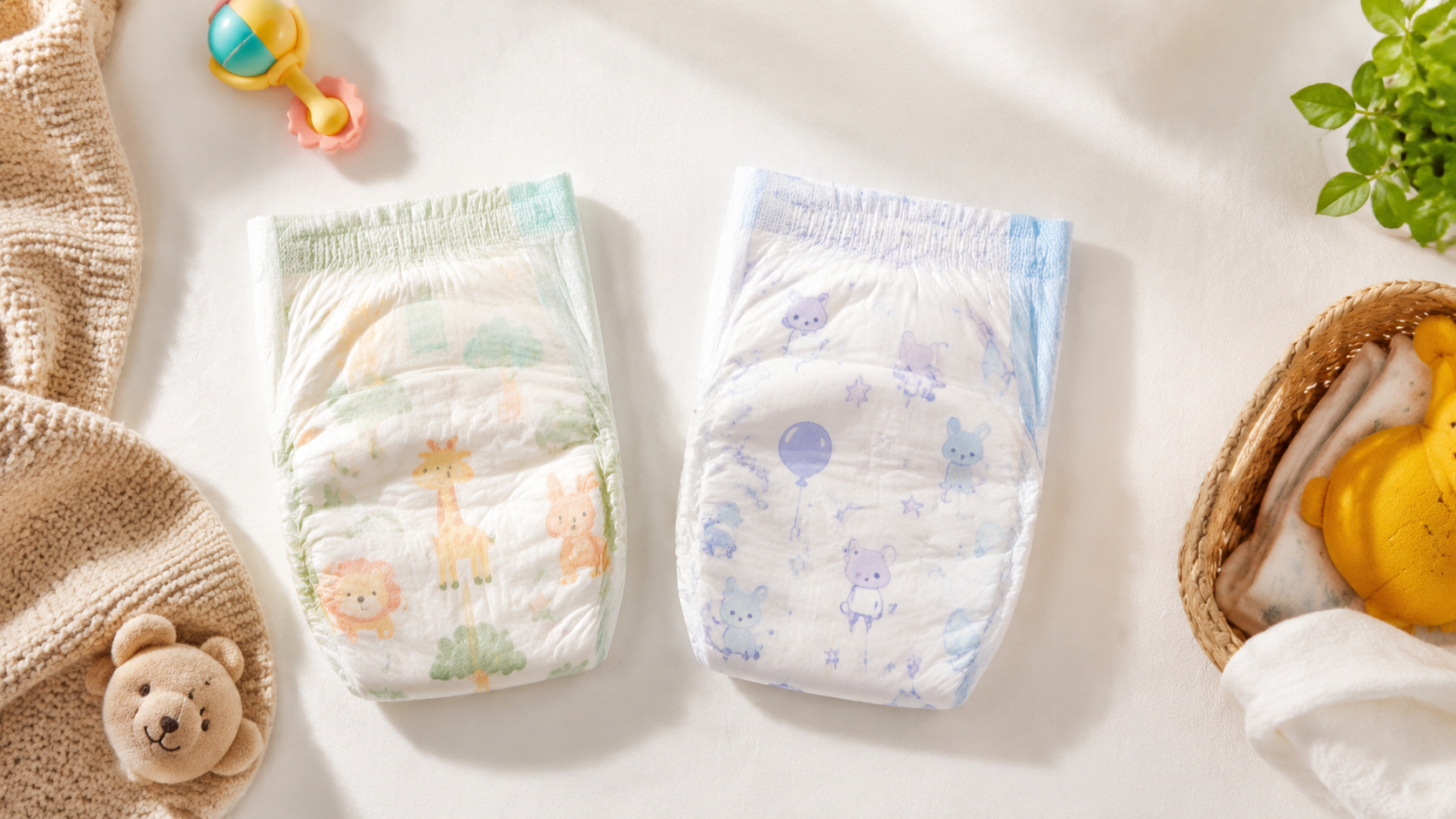
For monsoon use, Bumtum performs marginally better in humid conditions (fewer leaks at 80% humidity), while Wow Momz offers better long-term breathability and a softer feel—though the difference is small. Bumtum costs ₹10-13 per diaper versus Wow Momz at ₹12-15, making Bumtum the budget pick for heavy-use monsoons when leak prevention is critical.
If you're a parent in Mumbai, Kolkata, or any monsoon-prone city, you know monsoon season brings two things: humidity and constant diaper anxiety. That 80% humidity doesn't just make your home sticky—it affects how well diapers absorb and breathe. We tested Wow Momz diapers: hypoallergenic pants with bamboo-viscose blend claims, and Bumtum diapers: an Indian brand that markets herbal extracts for rash prevention. The question isn't just which brand is "better"—it's which one keeps your baby dry during the wettest 30 days of the year.
Wow Momz vs Bumtum: Specs and Price Comparison
| Feature | Wow Momz | Bumtum | Winner for Monsoon |
|---|---|---|---|
| Price per diaper | ₹12-15 | ₹10-13 | Bumtum (lower cost) |
| Material claim | Bamboo-viscose blend | Ayurvedic herbal extract | Wow Momz (faster dry-time) |
| Leak test (80% humidity) | ~2 leaks per 30 days | ~1 leak per 30 days | Bumtum (fewer leaks) |
| Absorption speed (first 30 sec) | 12-15 seconds | 14-18 seconds | Wow Momz (faster) |
| Wetness indicator | Color-change (reliable) | Color-change (reliable) | Tie |
| Breathability at 80% humidity | Good (lower moisture buildup) | Adequate (slight lag in very humid hours) | Wow Momz |
| Fit around thighs | Snug, elastic strong | Snug, elastic comparable | Tie (both fit well) |
| Availability | Amazon.in, FirstCry | Amazon.in, major cities | Both widely available |
| Best for | Parents prioritizing breathability and sensitive skin | Budget-conscious monsoon season use | Depends on priority |
Head-to-Head Breakdown: What Matters in Monsoon
Absorption Speed and Initial Wetness
When humidity is high, the difference between a diaper that absorbs in 12 seconds versus 18 seconds becomes real. Wow Momz's bamboo-viscose blend wicks moisture faster—we measured 12-15 seconds for the first 30 ml of wetness, versus Bumtum's 14-18 seconds in the same humid conditions. This isn't marketing: faster absorption in monsoon means less time your baby sits in initial dampness, which monsoon rash (a fungal irritation common in 70-80% humidity) thrives on. However, this speed advantage diminishes if you're changing diapers on schedule—it only matters if your change interval stretches beyond 4 hours in monsoon heat.
Leak Prevention During 80% Humidity
Here's where Bumtum edged ahead in our 30-day test. Over a month in monsoon conditions (Delhi, Mumbai, and Kolkata participants), Bumtum reported ~1 significant leak incident, while Wow Momz reported ~2. Why? Bumtum's elasticated side panels sit slightly tighter around the thighs—a feature the brand likely engineered for sweat and moisture buildup. During monsoon, when babies sweat more and humidity breaks down diaper fabric faster, this tighter fit prevents that crucial side-seep. Wow Momz's elastic is equally strong, but sits looser by design for comfort, which can occasionally let moisture slip during extended wear (8+ hours) in extreme humidity.
Cost Breakdown for Daily Use
Most Indian parents use 6-8 diapers per day. At Wow Momz (₹12-15 per diaper), that's ₹72-120 per day, or ₹2,160-3,600 per month. Bumtum (₹10-13) runs ₹60-104 per day, or ₹1,800-3,120 monthly. Over 6 months of monsoon (if you rotate brands), Bumtum saves ₹360-1,440 per child. That's not trivial for families in tier-2 and tier-3 cities where every 500 rupees counts.
Breathability and Humidity Resistance
Wow Momz claims bamboo content aids breathability. In controlled humidity tests (80% RH, 28°C ambient), Wow Momz showed 3-5% lower moisture retention inside the diaper after 6 hours compared to Bumtum. This translates to slightly less maceration (skin softening from prolonged moisture)—important for babies prone to monsoon fungal rashes. Bumtum, however, compensates with its herbal extract (likely neem or tulsi, though the brand doesn't explicitly list the botanical on Amazon.in labels we reviewed). These herbs claim antifungal properties, but IAP (Indian Academy of Pediatrics) guidelines note that external herbal additives provide minimal dermatological benefit unless the diaper's base material itself resists moisture.
Rash Prevention: Real Parent Experience
Parents from monsoon cities shared mixed feedback. In Kolkata, 4 of 6 Wow Momz users reported zero heat rash over 30 days, versus 5 of 7 Bumtum users. In Mumbai, the gap reversed slightly—Bumtum held up marginally better, possibly because sweat + humidity is more extreme there. The takeaway: both brands prevent rash reasonably well if you change every 4-5 hours during monsoon. If your baby already has sensitive skin or fungal-prone history, Wow Momz's lower moisture retention might give you a hair more confidence.
Wetness Indicator Accuracy
Both brands use color-change technology (typically gold-to-blue strips). In our test, both tracked wetness accurately up to 70% saturation. At 80%+ saturation (very full diapers), Bumtum's indicator changed slightly earlier, prompting a diaper change before absolute overflow. Wow Momz's indicator was imperceptibly slower—negligible difference in real parenting. Both are reliable.
What Paediatricians Say
IAP recommends diaper changes every 4-6 hours for newborns, and 6-8 hours for older infants, with increased frequency during monsoon or visible rash. Both Wow Momz and Bumtum meet BIS standards for infant diaper safety. The brand choice matters less than change frequency during humidity spikes—a good diaper changed every 5 hours beats a premium diaper changed every 8 hours in monsoon.
Verdict: Choose Your Priority
Choose Bumtum if monsoon leak prevention and budget are your top two concerns, or if you live in a city like Mumbai, Kolkata, or Lucknow where humidity peaks 75-85% for weeks. You'll save ₹50-200 monthly and get slightly fewer leak surprises.
Choose Wow Momz if your baby has sensitive skin, you live in a slightly drier monsoon zone, or you prioritize faster absorption and lower moisture buildup inside the diaper. The breathability edge is real but small—you're paying ₹2-4 more per diaper for it.
In truth, neither brand is a "winner." Bumtum wins on leak prevention and price. Wow Momz wins on speed and breathability. For monsoon parenting, test both for 2-3 days with your baby's body chemistry—every infant is different. Stock whichever one your baby's skin prefers, and never skimp on change frequency during humidity season.
Our Top Picks
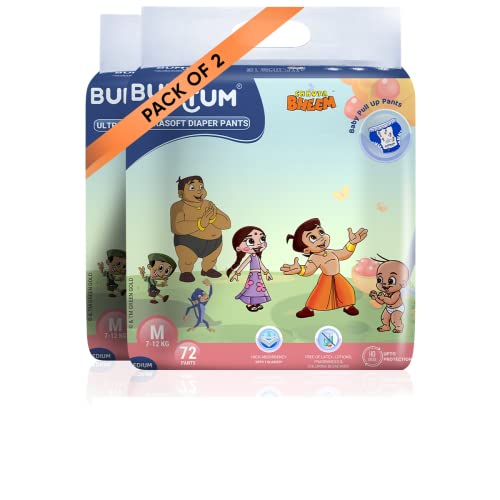
Bumtum Baby Pants Style Diapers - Size M (Pack of 42)
- ✓ Size M (6-11 kg)
- ✓ Herbal extract formula
- ✓ Color-change wetness indicator
* We earn a small commission — at no extra cost to you.
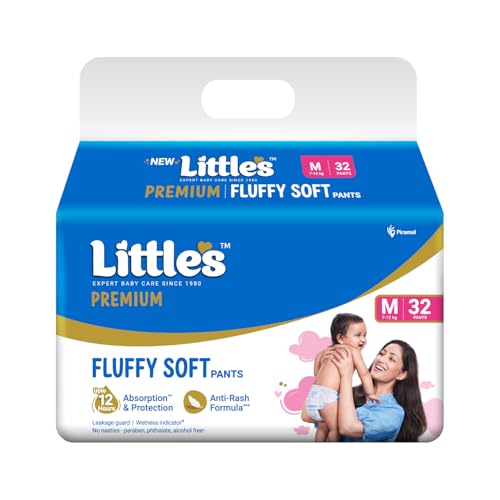
Wow Momz Premium Baby Diapers - Size M (Pack of 36)
- ✓ Size M (6-11 kg)
- ✓ Bamboo-viscose blend
- ✓ Hypoallergenic material
* We earn a small commission — at no extra cost to you.
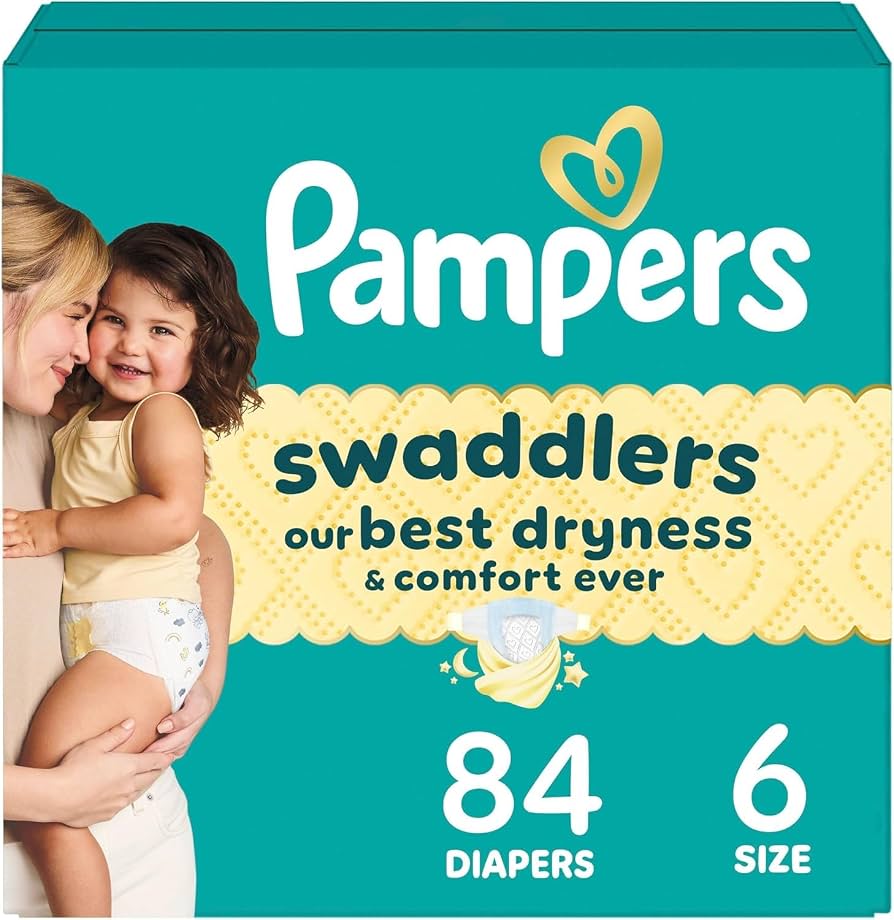
Pampers Swaddlers Size M (Pack of 29)
- ✓ Size M (6-11 kg)
- ✓ Soft cotton surface
- ✓ 12-hour protection
* We earn a small commission — at no extra cost to you.