
Cloth Diapers vs Disposable Diapers India: The Honest 2026 Comparison
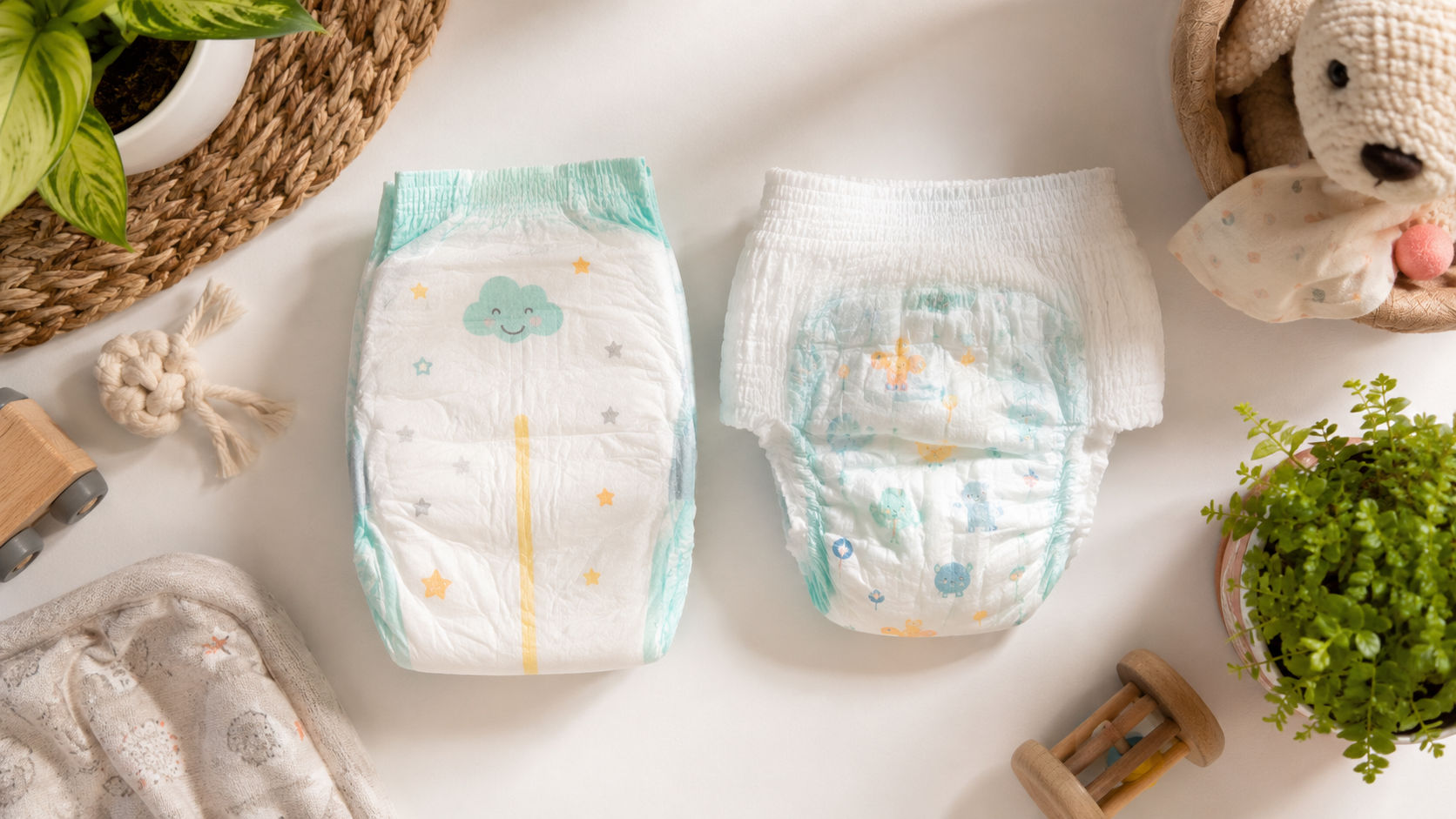
Every Indian parent hits this fork in the road around month two. Cloth diapers - eco-friendly, cheap long-term, but a washing nightmare. Disposable diapers - convenient, expensive, and you feel guilty every time you bin one. After two years of using both with our daughter (and talking to twenty other parents), here's the actual answer for Indian families.
Quick Answer
For night-time, travel, and humid coastal cities, disposable diapers win. For daytime use at home, dry climate cities, and long-term cost savings, cloth diapers win. Most Indian families end up using both - and that's the smartest approach.
Side-by-Side Comparison
| Factor | Cloth Diapers | Disposable Diapers |
|---|---|---|
| Cost per month | ₹0 after initial ₹8000 set | ₹2500-₹4000 every month |
| Environment impact | Low (reusable) | High (landfill, 500 yrs) |
| Ease of use | Medium - washing required | High - change and bin |
| Leak protection | Good with insert | Excellent (12-hour) |
| Baby skin health | Better - breathable | OK - rash risk in heat |
| Travel convenience | Poor - heavy, wet | Excellent |
| Indian climate fit | Tough in monsoon | Tough in 40°C summer |
| Best brand in India | SuperBottoms | Pampers Active Baby |
Real Cost Calculation Over 2 Years
Let's do the actual math. Average baby needs 6 diapers/day for 2 years = ~4400 diapers. At ₹15 per diaper average = ₹66,000 over 2 years.
Cloth route: 20 cloth diapers = ₹16,000 one-time. Detergent + water + electricity = ~₹500/month = ₹12,000 over 2 years. Total: ₹28,000. Cloth saves roughly ₹38,000 over 2 years.
Cloth Diapers - Deep Dive
Pros
- Massive long-term savings
- Better for baby's skin (breathable cotton)
- Eco-friendly
- Modern Indian brands like SuperBottoms are very user-friendly
- Resale value - moms sell used cloth diapers in Facebook groups
Cons
- Heavy washing load - tough without a washing machine
- Drying takes 1-2 days in monsoon (Mumbai, Kerala, Kolkata struggle)
- Not practical for travel or long outings
- Initial investment of ₹8000-₹16000 hurts
SuperBottoms UNO (₹799): India's top cloth diaper brand. Fits 5-17 kg. Works for most Indian babies.
Disposable Diapers - Deep Dive
Pros
- Effortless - change and bin
- 12-hour absorbency at night
- Travel-friendly
- Available everywhere - even Tier 3 cities
Cons
- Expensive - ₹2500-₹4000/month adds up
- Higher rash risk in 40°C summer if not changed every 3-4 hours
- Environmental burden
Pampers Active Baby Pants (₹699 for 46): Best overall. Soft, absorbent, reliable.
Honest Note on Indian Climate
Cloth diapers struggle in Mumbai's monsoon - clothes don't dry, mould happens. They thrive in Rajasthan and Delhi where dry heat dries them in 4 hours. If you live in a humid coastal city without a dryer, expect to need 25+ cloth diapers in rotation.
What Paediatricians Say
- Change frequently regardless of type. Every 3-4 hours daytime, every 6 hours at night.
- Cloth is better for sensitive skin and eczema-prone babies. The breathability genuinely helps.
Verdict - Who Should Choose What
Choose cloth if: you have a washing machine, live in a dry-climate city, are budget-conscious, or care strongly about environment.
Choose disposable if: you're a working mom with limited time, travel often, or live in a humid city.
Choose both (smart hybrid): cloth at home during day, disposable at night and for outings. This is what most working Indian moms actually do.
Our Top Picks
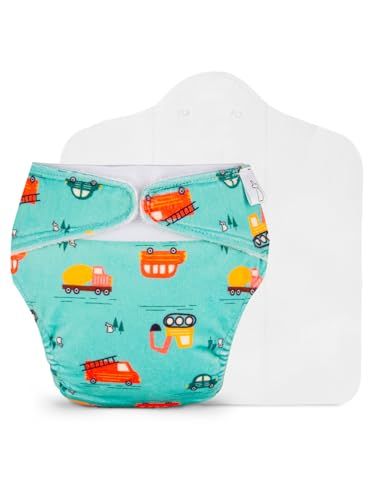
SuperBottoms UNO Reusable Cloth Diaper
- ✓ Fits 5–17 kg
- ✓ Made in India
- ✓ Organic cotton inner
* We earn a small commission — at no extra cost to you.
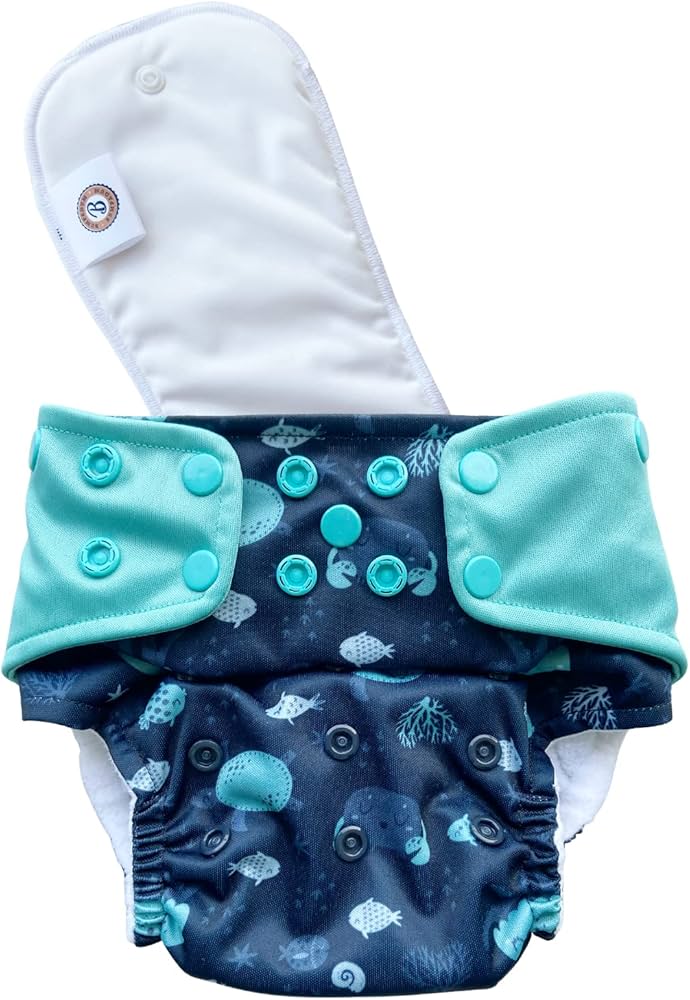
Bumpadum Cotton Cloth Diaper
- ✓ Slim fit
- ✓ High absorbency insert
- ✓ Indian brand
* We earn a small commission — at no extra cost to you.
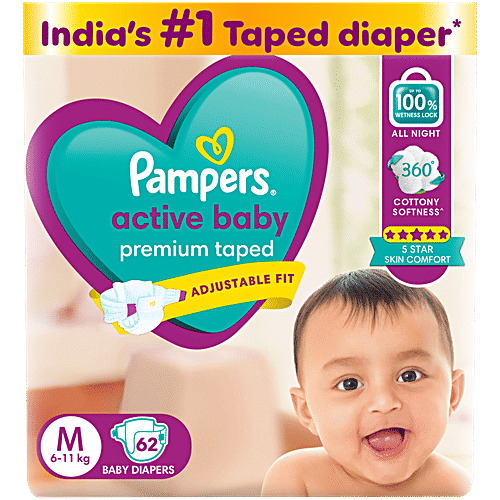
Pampers Active Baby Diaper Pants (Pack of 46)
- ✓ 12-hour absorbency
- ✓ Soft cottony feel
- ✓ Wetness indicator
* We earn a small commission — at no extra cost to you.
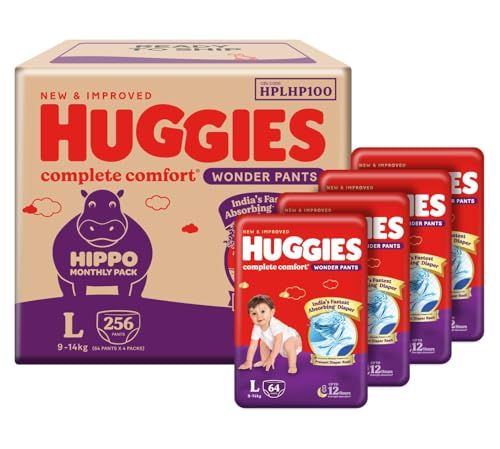
Huggies Wonder Pants Diapers (Pack of 42)
- ✓ Bubble bed technology
- ✓ Breathable
- ✓ Good for summer
* We earn a small commission — at no extra cost to you.