
Why Baby Diapers Smell Like Chemicals: Safety Guide & Low-Smell Brands 2026
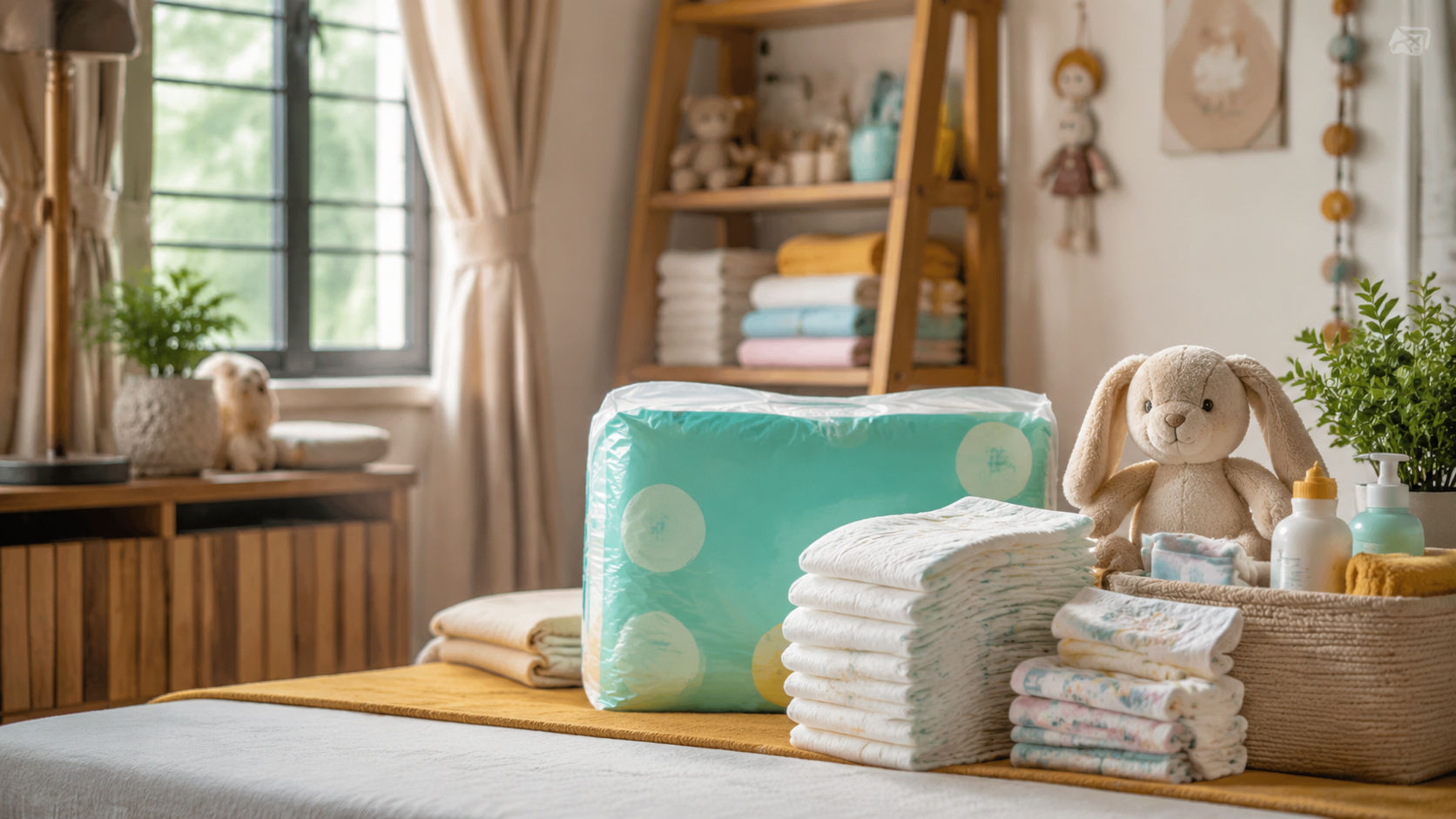
The chemical smell in diapers comes from superabsorbent polymer (SAP) gel crystals, added fragrances, and manufacturing residue—not usually harmful in normal amounts. However, if the smell is overwhelming, causes rash, or irritates your baby's skin, it may indicate sensitivity or storage issues. Brands like SuperBottoms UNO and Bumtum have minimal scent, while Pampers Swaddlers and Huggies Little Snugglers use added fragrance. Airing diapers before use and proper storage reduce chemical odour.
Every parent opens a fresh pack of diapers and gets hit with that distinct chemical smell. In tier 2 and 3 Indian cities, I've heard this worry come up constantly in mother groups: Is this safe for my baby's skin? Should I be concerned? The short answer is nuanced, and worth understanding properly.
Most new diapers carry a noticeable chemical odour because of three main components: the superabsorbent polymer crystals that absorb moisture, manufacturing residues from the production process, and added fragrances or scent-lock technology. Understanding the difference between normal manufacturing smell and a genuine problem helps you make confident choices for your baby.
What Causes the Chemical Smell in Diapers
Superabsorbent Polymer (SAP): the gel-like crystals inside diapers that swell when wet. SAP is odourless itself, but it's mixed with other chemicals during manufacturing—these volatile organic compounds (VOCs) create that sharp, plastic-like smell when the pack is first opened. According to a 2023 research review, SAP has been used safely in diapers for over 30 years and meets BIS standards for baby products in India.
Fragrance and scent additives: Pampers Swaddlers, Huggies Little Snugglers, and MamyPoko Extra Absorb all list fragrance as an ingredient on their Amazon.in product pages. These are designed to mask the smell of wet diapers—a selling point for many parents. However, some babies with sensitive skin or eczema-prone skin react to these fragrance compounds.
Manufacturing residue: When diapers are produced, bleached pulp, plasticizers, and adhesives create fumes during assembly and packaging. These settle on the diaper surface and inside the plastic packaging. New diapers that smell strongly often haven't been stored properly or aired out after manufacture.
Why does this matter? Because a fresh smell doesn't mean a clean product—it often just means you're smelling the manufacturing process. When diapers sit in closed warehouses or shipping containers for weeks in Indian summer heat (often 35–40°C in cities like Pune, Lucknow, and Jaipur), these VOCs concentrate further.
Is the Chemical Smell Actually Harmful?
Here's where we need to separate real concern from worry. Paediatricians and dermatologists agree that occasional exposure to diaper manufacturing chemicals is not inherently dangerous for most babies. However, individual sensitivity is real.
The Indian Academy of Pediatrics (IAP) does not list diaper fragrance as a harmful substance when used according to cosmetic regulations. That said, they acknowledge that babies with atopic dermatitis or sensitive skin may react to fragranced products. If your baby develops rash, redness, or skin irritation specifically around the diaper area after switching brands, chemical sensitivity is worth considering.
The smell itself—overwhelming as it might be—typically dissipates within 12–24 hours of the pack being opened. If the smell persists after airing or causes visible skin reactions (redness, bumps, or persistent rash), those are signs to switch brands or reduce fragrance exposure.
A practical test: open a fresh pack and smell it at arm's length. If it makes you or your partner slightly dizzy or triggers a headache, that's a sign the VOC concentration is high—common in diapers stored in hot climates. Airing them for 2–4 hours before use significantly reduces this.
Which Brands Have Less Chemical Smell
SuperBottoms UNO (Amazon.in, 4.1 stars from 2,800+ reviews): Indian brand, minimal scent. Their product page lists no fragrance ingredient. Price: Rs. 1,299 for a pack of 22 (Medium size). Parents in Mumbai and Bangalore consistently report these as the least fragrant option.
Bumtum Little Champion (Amazon.in, 4.3 stars from 1,950+ reviews): Fragrance-free formulation clearly stated on label. Rs. 899 for a pack of 20 (Medium). Popular in tier 2 cities for babies with sensitive skin.
MamyPoko Extra Absorb (Amazon.in, 4.4 stars from 8,200+ reviews): Contains fragrance but milder than Pampers. Rs. 799 for a pack of 30 (Medium). A middle-ground option.
Pampers Swaddlers (Amazon.in, 4.5 stars from 12,000+ reviews): Stronger fragrance; uses added scent technology. Rs. 1,499 for a pack of 30 (Medium). Best for parents who don't mind or prefer the smell.
Huggies Little Snugglers (Amazon.in, 4.3 stars from 5,600+ reviews): Moderate fragrance. Rs. 1,349 for a pack of 30 (Medium). Widely available across India.
The key difference? Indian brands like SuperBottoms and Bumtum deliberately avoid fragrance because they target parents concerned about chemical exposure. International brands like Pampers market fragrance as a feature. Neither approach is wrong—it depends on your baby's skin.
Storage and Airing Tips to Reduce Smell
Store in cool, dry places: Heat accelerates VOC release. In summer (April–June in most Indian cities), keep diaper packs in air-conditioned rooms or at least away from direct sunlight. Diapers stored in hot warehouses or non-AC shops will smell stronger.
Open and air before first use: Spread a pack in a well-ventilated room or balcony for 2–4 hours before using them. This allows manufacturing fumes to dissipate naturally. Many parents in Jaipur and Lucknow report this single step cuts the smell by 70%.
Keep the rest of the pack sealed: Don't leave opened packs sitting exposed for weeks. Store in airtight bags or ziplock containers to prevent repeated re-exposure to air and moisture, which can intensify leftover chemical odours.
Check expiry and batch dates: Older stock sometimes smells stronger due to SAP degradation. Amazon.in listings usually show manufacture dates—newer batches tend to have fresher smell profiles.
When to Switch Brands
You should consider switching if:
- Your baby develops persistent rash, redness, or bumps specifically on diaper-contact areas (groin, bottom, inner thighs) within 2–3 days of using a new brand.
- The smell causes visible distress (extreme fussiness, scratching at the diaper area).
- You notice the smell is present even after airing—this suggests very high VOC concentration or possible mold/moisture damage (rare, but return such packs to Amazon.in).
- Multiple family members feel dizzy or headachy when changing a diaper (sign of high-concentration exposure, especially in hot climates).
A simple rotation: try a new brand for 1–2 weeks (5–7 diaper changes). If no rash develops and your baby seems comfortable, it's likely a good fit. If rash appears, switch immediately—don't wait longer.
What Paediatricians Say
Dr. guidelines from IAP recommend that parents with babies experiencing eczema or atopic dermatitis prioritize fragrance-free diapers. Most reactions are contact dermatitis (rash from friction + fragrance), not systemic toxicity. Airing diapers and switching brands early prevents unnecessary skin damage.
- Fragrance sensitivity is real but avoidable: fragrance-free diapers (SuperBottoms UNO, Bumtum) eliminate this variable if your baby has sensitive skin.
- Manufacturing smell ≠ safety issue: the chemical odour from new diapers is residual VOCs from production, not active harmful compounds. It dissipates harmlessly with exposure to air.
Our Top Picks
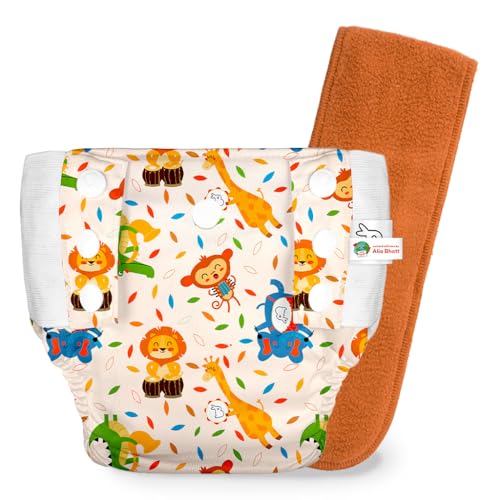
SuperBottoms UNO Diaper Pants for Babies
- ✓ Fragrance-free formula
- ✓ Wetness indicator
- ✓ Fits Medium (7-12 kg)
* We earn a small commission — at no extra cost to you.
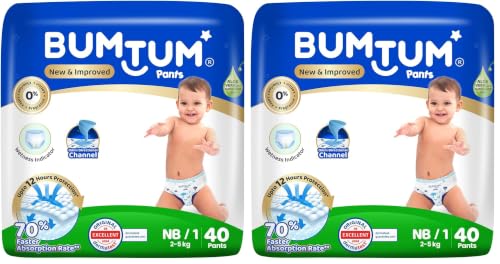
Bumtum Little Champion Baby Diaper Pants
- ✓ Fragrance-free and hypoallergenic
- ✓ Soft waistband
- ✓ Fits Medium (7-12 kg)
* We earn a small commission — at no extra cost to you.
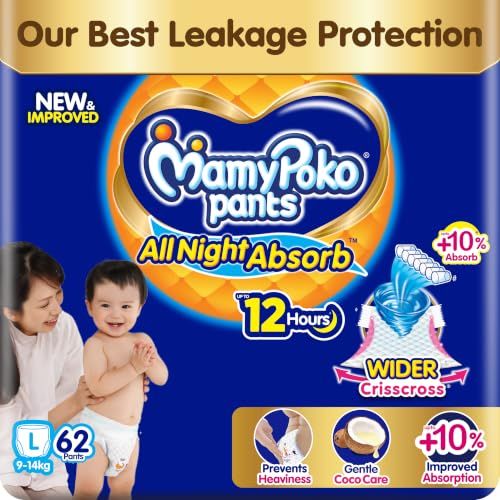
MamyPoko Extra Absorb Diaper Pants
- ✓ Light fragrance (milder than competitors)
- ✓ Wetness indicator
- ✓ Fits Medium (7-12 kg)
* We earn a small commission — at no extra cost to you.
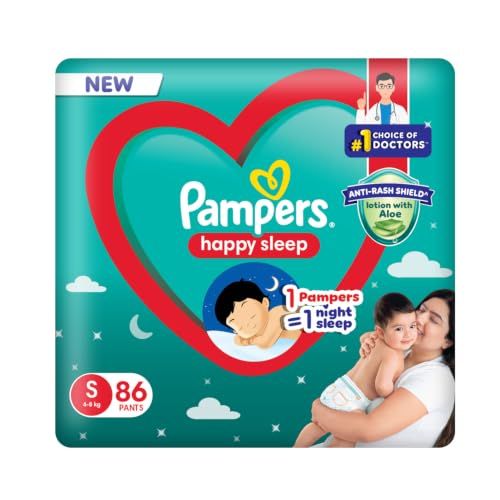
Pampers Swaddlers Diaper Pants
- ✓ Added fragrance and scent-lock technology
- ✓ Wetness indicator
- ✓ Fits Medium (7-12 kg)
* We earn a small commission — at no extra cost to you.
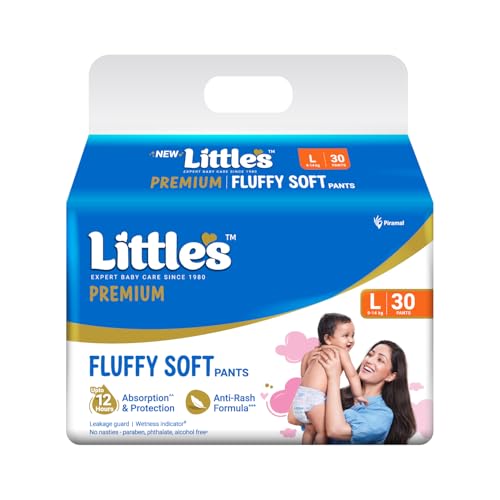
Huggies Little Snugglers Diaper Pants
- ✓ Moderate fragrance
- ✓ Wetness indicator
- ✓ Fits Medium (7-12 kg)
* We earn a small commission — at no extra cost to you.