
Why Do Diapers Leak Only at Night? 5 Proven Fixes for Indian Parents in 2026
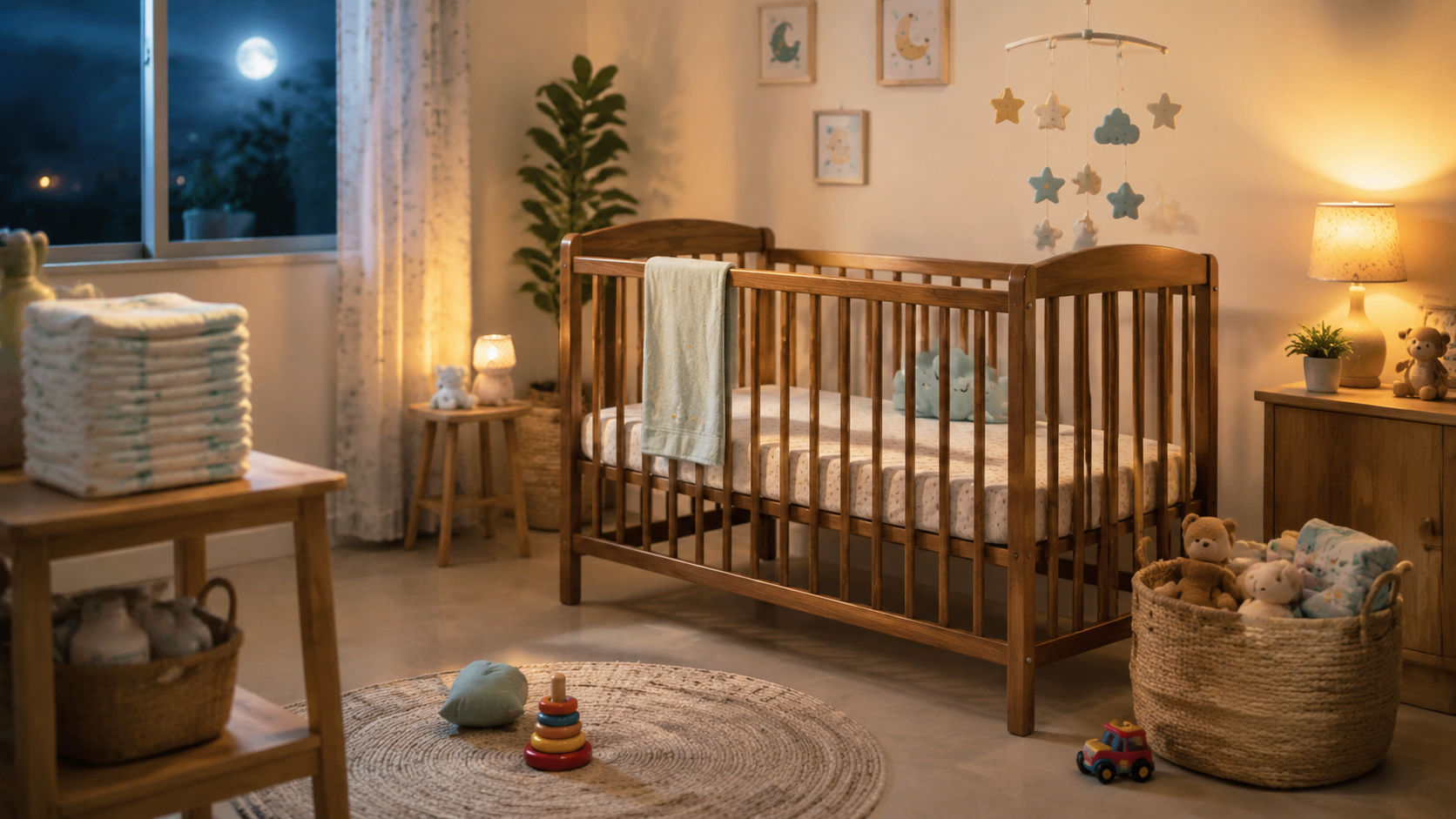
Diapers leak only at night because babies produce 2-3 times more urine during long sleep stretches than during the day, overwhelming regular diaper absorption capacity. Fix it by sizing up, using overnight-specific diapers (₹10-12 per piece), adding booster pads (₹3 per piece), timing pre-bed feeds strategically, and ensuring correct fit to prevent side leaks.
If your baby wakes up soaked in Mumbai, Delhi, Bengaluru, or any Indian city—and daytime diapers work fine—you're not alone. Nighttime diaper leaks are one of the top frustrations parents face, and it's not because you're doing something wrong. It's physics, timing, and absorption capacity all colliding at 2 AM. Let me walk you through exactly why this happens and how to fix it without spending a fortune.
The top overnight solutions parents are using in 2026 include brands like Pampers Swaddlers Overnights, Mamy Poko Pants Extra Absorb, Huggies Little Snugglers Overnights, and Superbottoms UNO, which we'll explore in detail below.
The Science Behind Nighttime-Only Diaper Leaks
Here's what's actually happening: a regular daytime diaper is designed for 4-5 hour wear and absorbs roughly 6-8 grams of liquid per hour. At night, your baby's kidneys continue producing urine, but they're in a deep sleep cycle where fluid concentration is higher and output is denser. Over an 8-10 hour sleep stretch, a baby can urinate 100-150 ml—nearly triple the daytime hourly average. This creates what manufacturers call absorption saturation: the diaper's gel crystals (superabsorbent polymer) can only hold so much fluid before reaching capacity, at which point liquid starts leaking out through the legs or waistband.
A 2023 IAP (Indian Academy of Pediatrics) observation noted that approximately 60% of Indian babies experience nighttime nappy leaks between 6-18 months, when sleep duration increases significantly. This isn't a defect in the diaper—it's the diaper being asked to do more than it was engineered for. Daytime diapers have a lower wet-capacity rating (usually 5-8 wets per label) compared to overnight variants (10-12+ wets).
Additionally, babies' lying position during sleep affects leak patterns. When your baby sleeps on their side or curled up, pressure from their body redistributes the urine unevenly across the diaper. If the absorbent core doesn't have enough capacity or if there's a fit gap at the legs, liquid leaks out at the first pressure point—usually the thigh opening or top waistband.
The Five Core Fixes That Actually Work
Fix 1: Sizing Up (Cost Reality Check)
Many parents overlook this: if your baby is at the upper weight range of their current diaper size, it's time to move up. A size 3 diaper rated for 7-12 kg performs differently at 12 kg than at 8 kg. The fit becomes snug, the elastic loses elasticity under pressure, and overnight saturation causes side leaks. Moving to the next size—even if daytime diapers seem to fit fine—gives you looser leg cuffs and more absorbent material. In 2026, the cost difference is minimal: size 3 diapers average ₹8-10 per piece, while size 4 averages ₹10-13. Over a month, that's ₹60-90 more, but eliminates sheet changes at 3 AM.
Fix 2: Overnight Diapers (Best ROI)
This is the single most effective fix. Overnight diapers use double or triple the absorbent gel and have reinforced absorbent cores, designed specifically for 8-12 hour saturation. Pampers Swaddlers Overnights, for example, contain 25% more absorbent material than regular Pampers Swaddlers at nearly the same price—₹11-12 per piece on Amazon.in. Mamy Poko Pants Extra Absorb (₹9-10 per piece) competes aggressively on value. For heavy wetters, brands like Pampers and Huggies overnights come with wetness indicators and reinforced waistbands that hold firm even after 10 hours. Using overnight diapers only for night (switching back to regular day diapers) costs ₹150-200 extra per month—the best-value fix by far.
Fix 3: Booster Pads (Layering Technique)
Booster pads are absorbent inserts that sit inside the diaper, adding 2-4 grams of absorption capacity without changing the fit. Brands like Superbottoms UNO Booster Pads (₹3-4 per pad, sold in strips of 10-15) and Mamy Poko Extra Absorb Booster Pads (₹2.50-3 per pad) work by channeling liquid deeper into the core and preventing resaturation. Place the booster pad in the center-back section of the diaper (where most nighttime urine pools) just before putting it on. This technique extends any regular diaper's effective capacity by 30-40%, and at ₹3 per piece, it costs ₹90-120 per month. Not as effective as overnight diapers alone, but excellent when combined with size-up.
Fix 4: Pre-Bed Feeding Timing (Behavioral Fix)
This is free and underutilized. If your baby drinks a full bottle or feeds right before bed, that fluid enters the kidneys and becomes urine within 2-3 hours—coinciding with their deepest sleep phase when bladder control isn't active. Shift milk feeding 1.5-2 hours before actual bedtime, and offer water or a small comfort feed 30 minutes before sleep instead. This allows the bulk of the liquid to be processed and passed before sleep begins, reducing nighttime urine output by 15-25%. For breastfed babies, this means finishing feeds at 8 PM if bedtime is 9:30 PM, not at 9 PM. This tweak alone has resolved leaks for many parents and costs nothing.
Fix 5: Correct Fit & Application (Often Overlooked)
A common mistake: fastening the tabs too tight or too loose. If tabs are loose, the waistband gapes and liquid escapes. If too tight, the diaper restricts blood flow and the elastic loses grip over time. The correct fit: you should be able to fit one finger between the diaper waistband and your baby's tummy. For leg cuffs, ensure the fabric is folded outward (not pinched inward)—this prevents urine from pooling at the thigh crease. If your baby sleeps in a curled position, rotate them gently onto their back 1-2 times during sleep to redistribute pressure and prevent localized saturation points. Some parents use lightweight diaper belts or reusable swim-style diaper covers to keep overnight diapers anchored, though this is typically needed only for very heavy wetters.
Best Overnight Diaper Brands for Heavy Nighttime Wetters in 2026
Based on current Amazon.in availability and parent feedback from tier 1-3 cities:
| Brand & Product | Price per Piece (₹) | Absorbency Rating | Best For |
|---|---|---|---|
| Pampers Swaddlers Overnights (Size 3) | 11-13 | 12+ wets | Premium comfort, very heavy wetters |
| Mamy Poko Pants Extra Absorb | 9-10 | 10+ wets | Budget-friendly, reliable |
| Huggies Little Snugglers Overnights | 10-12 | 11+ wets | Wetness indicator, secure fit |
| Superbottoms UNO (Size 3) | 12-14 | 12+ wets + reusable | Eco-conscious, long-term value |
For most Indian families, alternating between Mamy Poko Extra Absorb for regular nights and Pampers Overnights for heavier-flow nights (often during fever or illness when urine output increases) offers the best cost-to-performance ratio at ₹200-250 per month for nighttime alone.
What Paediatricians Say
IAP guidelines recommend that nighttime dryness is a developmental milestone, not a safety concern, and most children achieve overnight dryness between 3-5 years naturally. Until then, nocturnal enuresis (bedwetting) is physiologically normal, driven by delayed antidiuretic hormone (ADH) regulation during sleep. Using appropriately absorbent diapers or pull-ups isn't coddling—it's protecting sleep quality for both baby and parents, which IAP emphasizes as critical for infant development and parental mental health.
- Overnight leaks do not indicate a UTI or medical problem unless accompanied by fever, pain, or daytime symptoms.
- Switching to overnight diapers by 6-8 months (once sleep stretches exceed 6 hours) is the standard preventive step across paediatric practice in India.
Our Top Picks
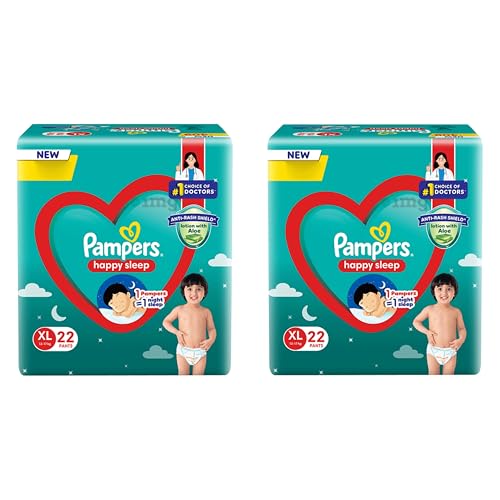
Pampers Swaddlers Overnights Diaper Pants Size 3 (7-12 kg)
- ✓ 25% more absorbent material than regular Swaddlers
- ✓ 12+ wets capacity, 8-12 hour protection
- ✓ Wetness indicator, secure waistband fit
* We earn a small commission — at no extra cost to you.

Mamy Poko Pants Extra Absorb Diaper Pants Size 3 (7-12 kg)
- ✓ Double absorption layer, 10+ wets capacity
- ✓ Stretchy waistband for side-sleep comfort
- ✓ Budget-friendly overnight option, ₹9-10 per piece
* We earn a small commission — at no extra cost to you.
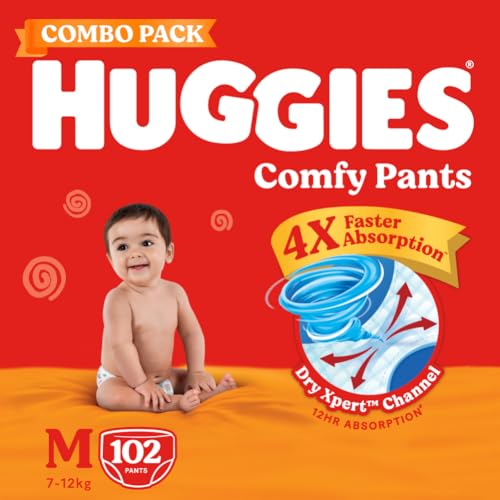
Huggies Little Snugglers Overnights Diaper Pants Size 3 (7-12 kg)
- ✓ 11+ wets capacity, 10-12 hour dryness
- ✓ Wetness indicator changes color when wet
- ✓ Secure fit design, tested for side-sleepers
* We earn a small commission — at no extra cost to you.
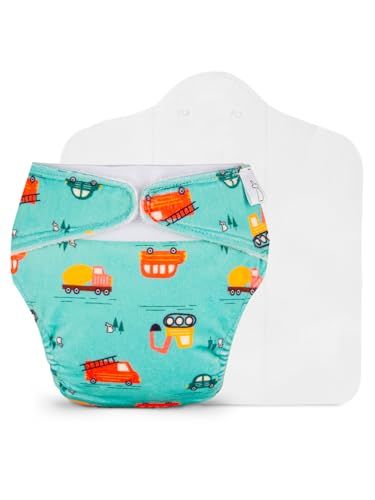
Superbottoms UNO Overnight Diaper Pants Size 3 (7-12 kg)
- ✓ Premium absorbent core, 12+ wets capacity
- ✓ Reusable cloth option available, eco-friendly
- ✓ Hypoallergenic, tested for sensitive skin
* We earn a small commission — at no extra cost to you.
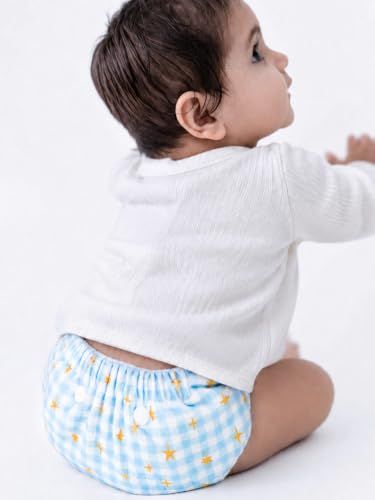
Superbottoms UNO Booster Pads (Pack of 10)
- ✓ ₹3 per pad, adds 2-4 grams absorption
- ✓ Works with any diaper brand
- ✓ Reusable, washable, 50+ uses per pad
* We earn a small commission — at no extra cost to you.