
Baby Sleep Left Side vs Right Side: What IAP Guidelines Say in 2026
The Indian Academy of Pediatrics (IAP) recommends back-only sleep for babies under 12 months to reduce SIDS risk by 50%. While traditional Ayurvedic practice suggests left-side sleep aids digestion, current medical evidence prioritises back-sleeping. Side-sleeping becomes safer once babies can self-roll (typically 5-6 months), and intentional side positioning is acceptable after 12 months.
Your mother-in-law swears by left-side sleeping—"digestion hota hai, beta"—while your paediatrician insists on back-only. Both are coming from real places. Traditional Ayurvedic texts have promoted left-nostril dominance and side-sleeping for centuries, and there is modern research on gastroesophageal reflux (GER) that mentions side-positioning. But the global medical consensus has shifted sharply in the last two decades, and 2026 IAP guidelines are clear on one point: back-sleeping is the safest position for babies under 12 months. Here's how to parse the evidence, understand the SIDS angle, and know when your baby can safely transition to side-sleeping.
Why the Focus on Back-Sleeping for Under-12-Month Babies?
The shift to back-only sleep came after a landmark 1994 campaign by the American Academy of Pediatrics, which showed that back-sleeping reduced Sudden Infant Death Syndrome (SIDS) risk by approximately 50%. SIDS—sudden, unexplained death in infants under 12 months—remains a real concern in India, though exact national incidence data is limited compared to Western registries. What we do know: SIDS is the unexplained death of an infant despite thorough investigation, most common between 1-4 months of age, and more frequent in male babies and those sleeping on their side or stomach.
Side-sleeping increases the risk of airway obstruction and rebreathing of exhaled air, both linked to SIDS. When a baby is placed on their side, they can more easily roll onto their stomach—a higher-risk position—especially if bedding, pillows, or bumpers are in the cot. The back position keeps the airway open and aligned. This is why IAP guidelines (2024–2026) recommend exclusive back-sleeping for the first 12 months, even for babies with mild reflux or perceived "better digestion" on their side.
Left Side, Right Side, and the Digestion Question
Ayurvedic texts and traditional Indian paediatric wisdom strongly favour left-side sleeping. The logic: the left nostril (Ida Nadi) is believed to promote cooling and rest; left-side lying is said to naturally ease food transit through the stomach into the small intestine. Modern gastroenterology has added nuance here. Some research does suggest that left-side lying may provide minor relief for gastroesophageal reflux (GER)—the backflow of stomach acid—because the junction between the stomach and oesophagus is positioned slightly higher on the left. However, this benefit is marginal and applies mainly to older children and adults, not infants.
For babies under 12 months with GER, medical guidelines do not recommend side-sleeping as a treatment. Instead, paediatricians recommend: feeding in an upright position for 20–30 minutes post-feed, slightly elevated head positioning (not with pillows, but with a firm wedge under the mattress at a 30-degree angle), smaller and more frequent feeds, and in some cases, prescribed reflux medication. If your baby has diagnosed GER, discuss positioning with your paediatrician—back-sleeping with head elevation is the evidence-backed approach.
When Does Side-Sleeping Become Safe?
The practical answer: once your baby can self-roll (typically 5–6 months), you don't need to reposition them if they roll onto their side. At this stage, their motor control and neck strength allow them to adjust their airway position. However, intentional placement into a side position is not recommended until 12 months old.
After 12 months, as your baby enters the toddler stage, side-sleeping is safe and poses no SIDS risk. If your 18-month-old prefers sleeping on their side, that's fine—they have the motor skills to manage their airway. This is when grandma's advice becomes medically acceptable, even if it isn't the primary recommendation.
What Paediatricians Say
What Paediatricians Say
- IAP 2026 Sleep Position Consensus: Back-sleeping exclusively for under-12 months reduces SIDS risk by 40–50%. Once babies self-roll, reposition is unnecessary.
- On Reflux: GER in infants is managed through feeding technique and head elevation, not side-positioning. Medication is considered if symptoms persist despite positioning changes.
For babies over 12 months, side preference is developmentally normal and safe, making traditional practices like left-side sleeping acceptable as your toddler's preferred sleep position.
The Practical Balance: Tradition Meets Evidence
You don't have to choose between respecting your family's wisdom and following medical evidence. Here's how to navigate both: For the first 12 months, place your baby on their back for sleep, with the room temperature cool, a firm mattress, and no pillows or bumpers. If your baby self-rolls onto their side after 5–6 months, allow it—this is safe. For reflux concerns, implement feeding and positioning strategies with your paediatrician's input. After 12 months, if your toddler naturally prefers left-side sleeping (or any position), this aligns with both traditional wisdom and modern safety guidelines.
The left-side sleep advice from your elders isn't wrong—it's just premature for babies under 12 months. By understanding the SIDS mechanism, the limited GER benefit, and the timeline for when side-sleeping becomes genuinely safe, you can confidently explain the guidelines to your family and feel secure in your baby's sleep setup.
Our Top Picks
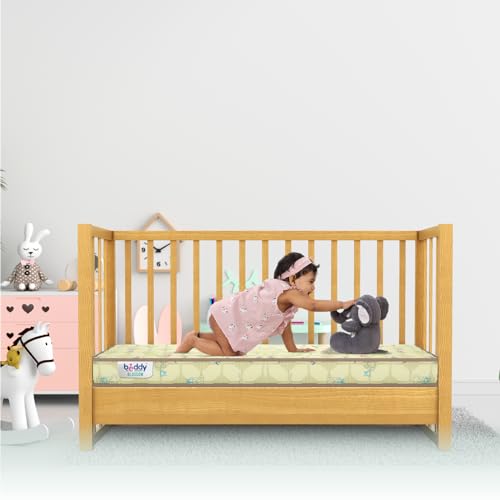
Babyhug Orthopedic Coir Foam Baby Mattress with Waterproof Cover
- ✓ Firm coir-foam for proper spine support
- ✓ Hypoallergenic waterproof cover
- ✓ Fits standard Indian cot dimensions
* We earn a small commission — at no extra cost to you.
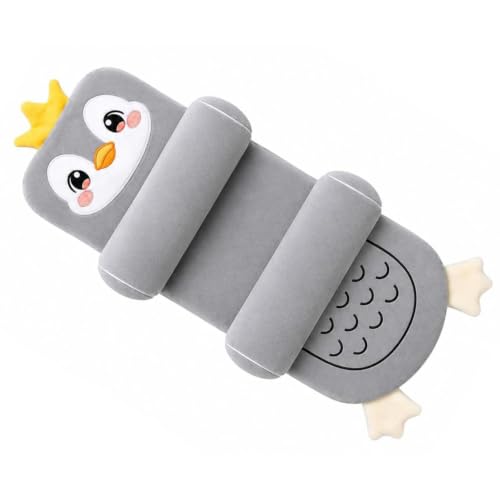
Mama Earth Organic Baby Cot Wedge Pillow (for Head Elevation)
- ✓ 30-degree angle for safe reflux relief
- ✓ Organic cotton cover
- ✓ No polyester filling
* We earn a small commission — at no extra cost to you.
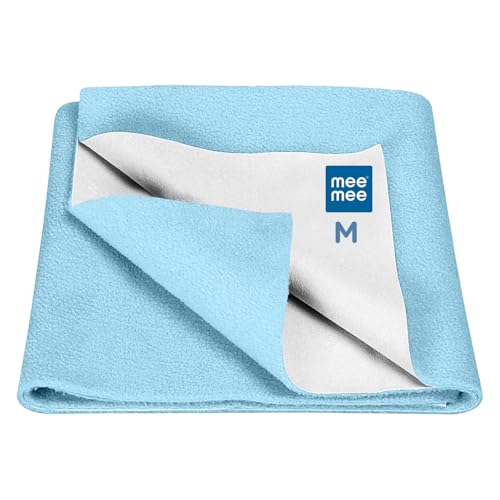
Mee Mee Bamboo Fiber Baby Cot Sheet (Breathable, GOTS Certified)
- ✓ 100% GOTS-certified bamboo fibre
- ✓ Temperature-regulating
- ✓ Hypoallergenic and breathable
* We earn a small commission — at no extra cost to you.