
5 Baby Sleep Myths Every Indian Parent Believes (But Shouldn't)

Every Indian new parent gets advice from ten different aunts, dadis, nanis, and that one cousin who had a baby last year. Some of it is gold. Some of it is dangerous. Here are the five most common Indian baby sleep myths - and what science actually says. We're not dismissing dadi-nani wisdom; we're updating it with what paediatricians know in 2026.
Myth 1: Keeping Baby Awake During Day Means Better Night Sleep
The Myth: If you keep baby awake more in the day, baby will sleep deeper at night.
The Truth: Exactly the opposite. An overtired baby releases cortisol (stress hormone), making sleep harder, not easier.
The Science: Babies under 6 months need 14-17 hours of total sleep including 3-4 daytime naps. Skipping naps creates sleep debt.
What To Do Instead: Follow age-appropriate wake windows. 0-3 months: 60-90 minutes awake. 3-6 months: 1.5-2.5 hours. 6-12 months: 2-3 hours.
Myth 2: Applying Kajal Around Eyes Helps Baby Sleep
The Myth: Traditional kajal makes baby's eyes appear bigger and protects from evil eye.
The Truth: This is genuinely dangerous. Most homemade and many shop-bought kajals contain lead.
The Science: A 2016 study by AIIMS Delhi found 84% of kajal samples contained lead above WHO safe limits. Lead absorbs through eye membranes and can cause anaemia, neurological damage, and developmental delays.
What To Do Instead: Skip kajal entirely until age 5+. If grandma insists, apply a tiny dot behind the ear instead of near the eyes.
Myth 3: Baby Needs Total Silence to Sleep
The Myth: Tip-toe around the house, no TV, no phone calls, baby will wake up.
The Truth: Babies actually sleep better with consistent low-level sound. The womb was loud - around 70-80 decibels.
What To Do Instead: Use a white noise machine like the LectroFan at low volume (50-60 dB). Place it across the room, not next to baby's head. Bonus - you can take phone calls without panic.
Myth 4: Co-Sleeping Is Always Dangerous
The Myth: Western experts say never co-sleep. Indian families say always co-sleep. Confusing.
The Truth: Co-sleeping CAN be safe with the right setup. The danger isn't co-sleeping - it's unsafe co-sleeping.
The Science: Bed-sharing increases SIDS risk only when combined with: soft mattresses, loose blankets near baby, parent who smokes/drinks/takes sedatives, or premature babies under 4 months.
What To Do Instead: Use a co-sleeper bassinet attached to your bed or a safe Indian crib like R for Rabbit Flexi Cot beside your bed. Firm mattress, no pillows or loose blankets near baby, sober parents - these are the rules.
Myth 5: Baby Will Sleep Through the Night by 3 Months
The Myth: Books say 3 months. Aunts say 4 months. You feel like a failure at 8 months.
The Truth: Most Indian babies don't sleep through the night until 6-9 months. Some not until 12+ months. This is normal.
The Science: "Sleeping through the night" technically means 5+ hour stretches, not 12 hours. Night feedings are biologically appropriate for the first 6 months.
Toh sach ye hai - you'll be tired. It does get better. Eventually.
What Paediatricians Say
- Safe sleep is on the back, on a firm flat surface, with no soft objects. This is non-negotiable for SIDS prevention.
- Room temperature should be 20-22°C. Too hot is more dangerous than too cold for babies.
- Drowsy but awake works better than rocked to sleep. Helps baby learn to self-soothe over time.
Our Top Picks
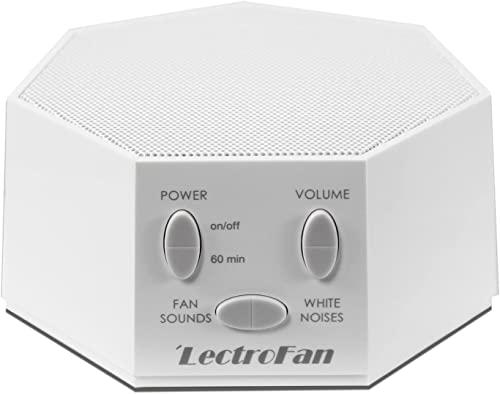
LectroFan White Noise Machine
- ✓ 20 sound options
- ✓ Sleep timer
- ✓ Adjustable volume
* We earn a small commission — at no extra cost to you.
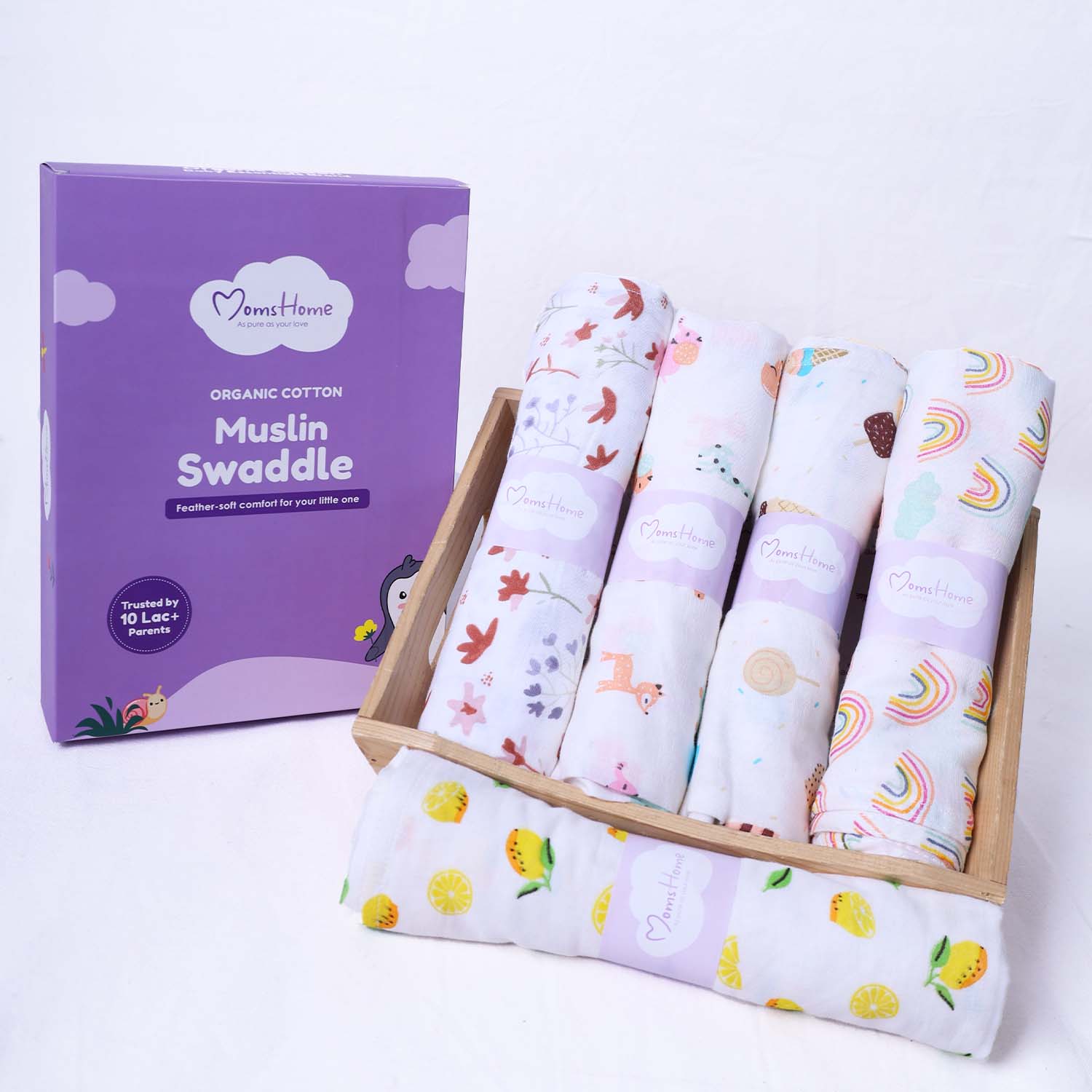
Moms Home Organic Cotton Baby Swaddle Wrap
- ✓ GOTS certified
- ✓ Set of 3
- ✓ 0–4 months
* We earn a small commission — at no extra cost to you.
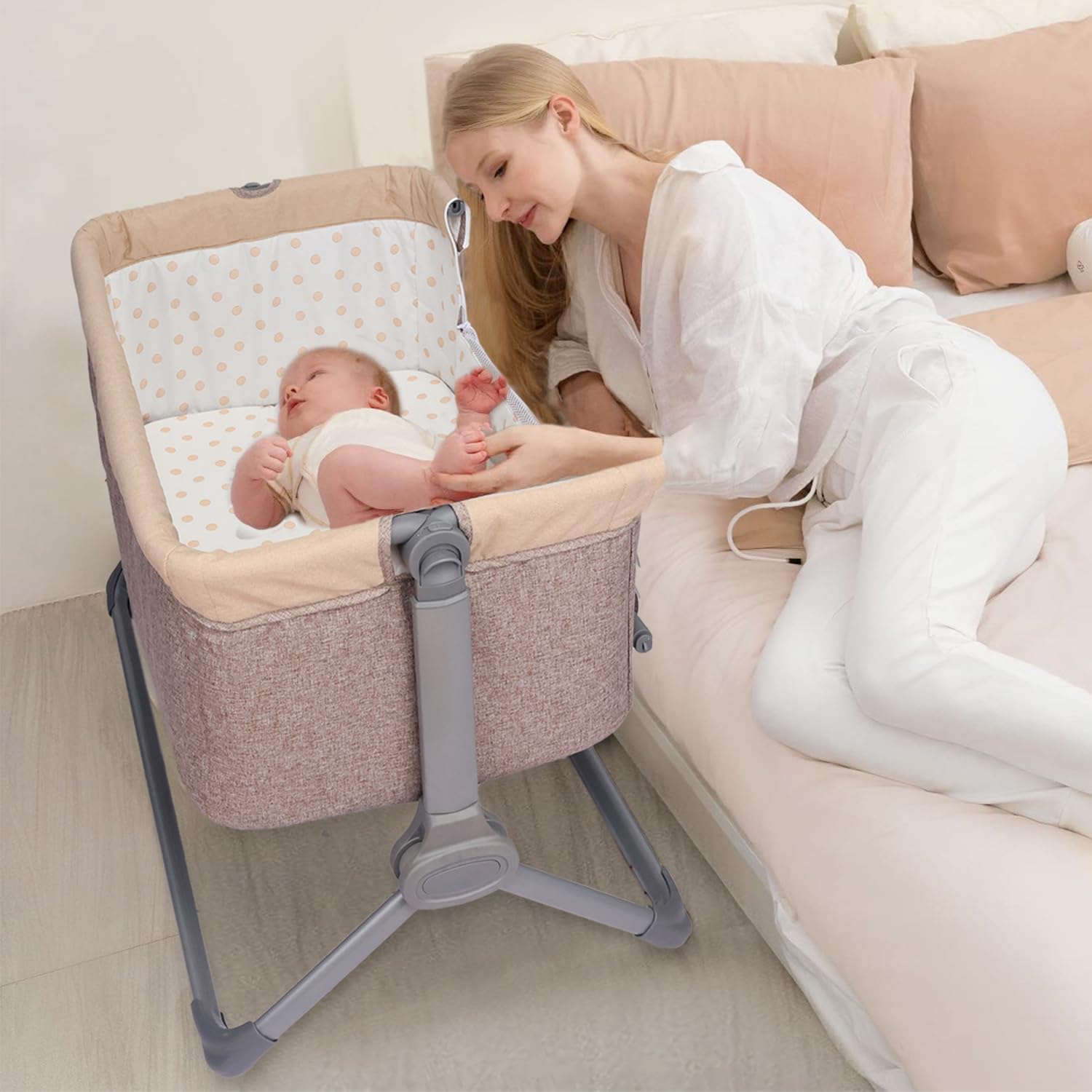
R for Rabbit Flexi Cot Baby Cot
- ✓ Side-of-bed setup
- ✓ Breathable mesh sides
- ✓ Adjustable height
* We earn a small commission — at no extra cost to you.
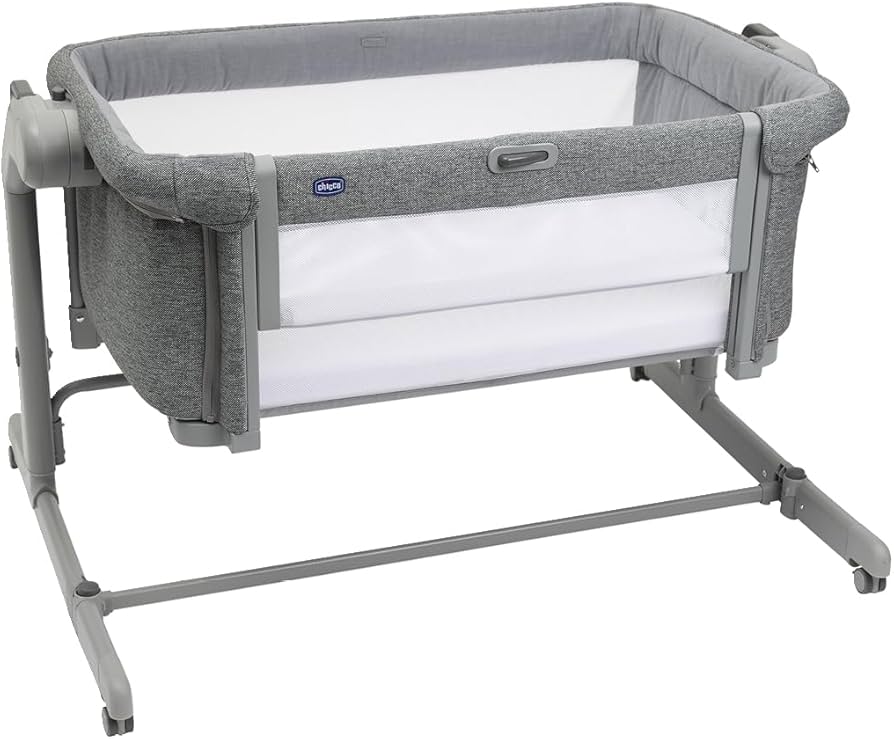
Chicco Next2Me Bedside Co-Sleeper
- ✓ Attaches to parent bed
- ✓ 11 height settings
- ✓ Tilt function
* We earn a small commission — at no extra cost to you.