
Baby Sleep on Train Journey India: 9-Month Guide with Berth Setup & Temperature Control
Book the middle berth (safest for co-sleeping), layer your baby in a Chicco sleep suit and cotton blanket to manage AC temperature swings (typically 18–22°C overnight), use offline white noise apps to mask rail noise, and time feeds 30–45 minutes before expected sleep windows to work with the train's gentle rocking motion. Recovery takes 2–3 nights after the journey.
Overnight train travel with a 9-month-old feels like stepping into unknown territory—and it is, but not in a scary way. I took my daughter on the Delhi-Mumbai Rajdhani at exactly 9 months, terrified she'd cry for 15 hours straight. She didn't. What made the difference wasn't luck; it was understanding how the train environment itself affects infant sleep, then working with it instead of against it.
This guide covers what Indian Railways coaches actually do to baby sleep patterns, which berth position keeps your little one safest during co-sleeping, how to layer clothing for temperature swings that can drop 5–6°C between 2 a.m. and dawn, and why portable white noise matters more than the travel guides admit.
The Middle Berth: Why It's Your Sleep Safety Foundation
If you've booked Indian Railways with a baby, your first instinct is probably to request a lower berth for easy access. Resist it. The middle berth is actually the superior choice for infant sleep on overnight trains, and here's why.
On a lower berth, you sit exposed to the aisle. Passengers shuffle past all night, cabin crew moves luggage, and the constant micro-disturbances keep your baby in light sleep cycles. The middle berth sits recessed, creating a natural alcove. When you're co-sleeping there with your 9-month-old, you have three walls of privacy and far fewer foot-traffic disturbances.
More importantly: the middle berth is structurally more stable for co-sleeping. Your baby won't roll toward an edge—the curved berth wall naturally contains movement. Position yourself against the outer wall, baby between you and the inner wall. Use rolled cotton blankets as gentle barriers (not tight), and you've created a contained sleeping pocket that mimics a bassinet-style setup.
The upper berth is a no-go: climbing with a sleepy baby, limited ladder safety, and zero emergency access if your child wakes distressed. Skip it entirely.
Portable White Noise: The Overlooked Sleep Hack for Train Travel
White noise: ambient sound (typically 50–60 decibels) that masks sudden environmental noises and helps infants maintain sleep continuity. On Indian Railways, this is critical.
Most parents assume the train's constant rhythm will lull their baby to sleep. It won't—not reliably. Train noise is irregular: sudden station announcements at 3 a.m., unexpected brake applications, platform conversations, vendors boarding at stops. These irregular sounds wake light sleepers far more effectively than steady background noise.
Download a white noise app (offline mode—your train Wi-Fi will be spotty) like Noisli or White Noise Lite to your phone before departure. Play gentle train or rainfall sounds at low volume (around 40–45 decibels, not loud) through a small phone speaker. Test it at home first so you're confident with volume. This single tool reduced my daughter's micro-wake-ups from 5–6 per night to 1–2.
Temperature Layering: Controlling AC Coach Fluctuations
AC coaches on Indian Railways maintain nominal temperatures of 20–22°C, but overnight temperatures often dip to 16–18°C, and early morning can swing back to 24°C. Your 9-month-old cannot regulate this; you must do it through layering.
Start with a lightweight sleep suit—the Chicco Winter Fleece Newborn Sleepsuit (around Rs. 650 on Amazon.in) is designed for temperature-sensitive infants and fits well at 9 months in the regular fit. Add a thin cotton blanket (your own woven blanket from home is fine—no need to buy travel-specific ones). These two layers together handle 18–22°C ranges comfortably.
Critical: do not overdress. Overheating during sleep increases restlessness. Watch for cues—if your baby's neck or back feels warm to touch, remove the sleep suit and keep only the blanket. Underdressing is obvious (shivering, seeking warmth into your chest), but overdressing is subtle and often missed.
Keep a third layer (a light shawl or wrap) within arm's reach for the 4–6 a.m. window when temperatures typically drop furthest. Drape it over the blanket without rewrapping your baby—minimum disruption to sleep.
Timing Feeds Around Train Motion and Sleep Windows
Train motion acts as a natural sleep trigger for some babies—the gentle rocking mimics in-utero sensations. But it also increases stomach acid reflux, which can disturb sleep if your baby is fed immediately before rest periods.
Time breast or formula feeds about 30–45 minutes before your planned sleep windows. This gives digestion a head start, reduces reflux-triggered arousals, and allows the calming post-feed drowsiness to coincide with actual sleep time. For a 9-month-old eating 3–4 meals during a 15-hour journey, this typically means: early evening feed before 8 p.m. sleep, night feed around midnight or 2 a.m. (if your baby normally wakes), and another feed around 5–6 a.m. before dawn wakefulness.
According to IAP (Indian Academy of Pediatrics) guidelines, babies at 9 months should be on 2–3 meals plus 2–3 nursing or formula sessions daily. Don't deviate from this rhythm just because you're on a train; consistency actually helps sleep regulation.
Expect nap disruption mid-journey (7–10 a.m. window, when station stops and crew activity peak). Plan a compensatory afternoon nap around 2–3 p.m. when coaches quiet down. This isn't ideal, but it prevents over-tiredness by evening.
Your Compact Diaper Bag Packing Checklist
Space is tight on a berth. Pack ruthlessly:
- 6–8 diapers + 2 diaper disposal bags — Indian Railways toilets have bins, but seat them safely away from your sleeping setup
- Travel-size wet wipes — lasts longer than you'd think, and you can rinse them
- Change of pajamas (2 sets) — one for sleep, one backup if an accident happens post-feed
- Lightweight sleep suit (the Chicco suit mentioned) — use it, don't store it unnecessarily
- Cotton blanket — your own, familiar textile; your baby recognizes it
- Phone + white noise app downloaded and tested
- Formula or expressed milk in a thermos if bottle-feeding — Indian Railways provides hot water via attendants, but travel with backup
- 3–4 finger foods or weaning snacks (soft roti, paneer bits, mashed fruit in a container) — occupies your baby during alert windows when sleep won't come
- One comfort object (soft toy or cloth) — critical for mid-journey soothing
That's it. Everything fits in a medium soft-sided diaper bag that slides under the middle berth.
Recovery: What Happens After the Journey
Your baby's sleep will be disrupted for 2–3 nights post-journey. This is normal. The train's rhythm temporarily overrides circadian rhythm; home's silence feels strange initially. Resume your normal bedtime routine immediately—same room, same wind-down, no exceptions. By night 4, most babies reset.
What Paediatricians Say
IAP recommends that babies under 12 months maintain consistent sleep-wake cycles even during travel. Mid-journey nap disruption is inevitable, but feeding times should stay anchored to your home schedule to prevent digestive and sleep regressions. Temperature management during AC travel is often overlooked—overheating during sleep increases arousal frequency.
Our Top Picks

Chicco Winter Fleece Newborn Sleepsuit
- ✓ Fleece-lined cotton for AC coach temperature swings
- ✓ Fits 9-month-olds in regular fit without bulk
- ✓ No external buttons or rough seams
* We earn a small commission — at no extra cost to you.
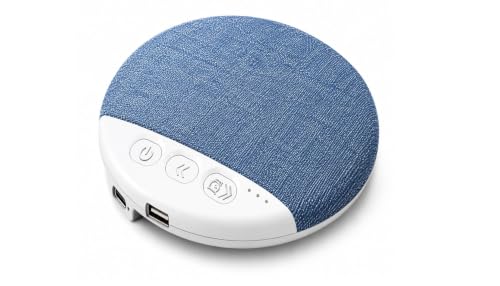
Noisli - White Noise & Ambient Sounds App
- ✓ Free version includes train and rainfall sounds
- ✓ Offline mode: download sounds before train journey
- ✓ Volume control allows exact decibel tuning for infant sleep
* We earn a small commission — at no extra cost to you.

Mama Earth Organic Hand Sanitizer (Travel Pack)
- ✓ Alcohol-free, skin-gentle for frequent hand washing on trains
- ✓ 50 ml pocket-sized pack fits diaper bag
- ✓ No harsh chemicals listed on label
* We earn a small commission — at no extra cost to you.