
Superbottoms vs Nappa Cloth Diapers India: Real-World Test in Mumbai Humidity
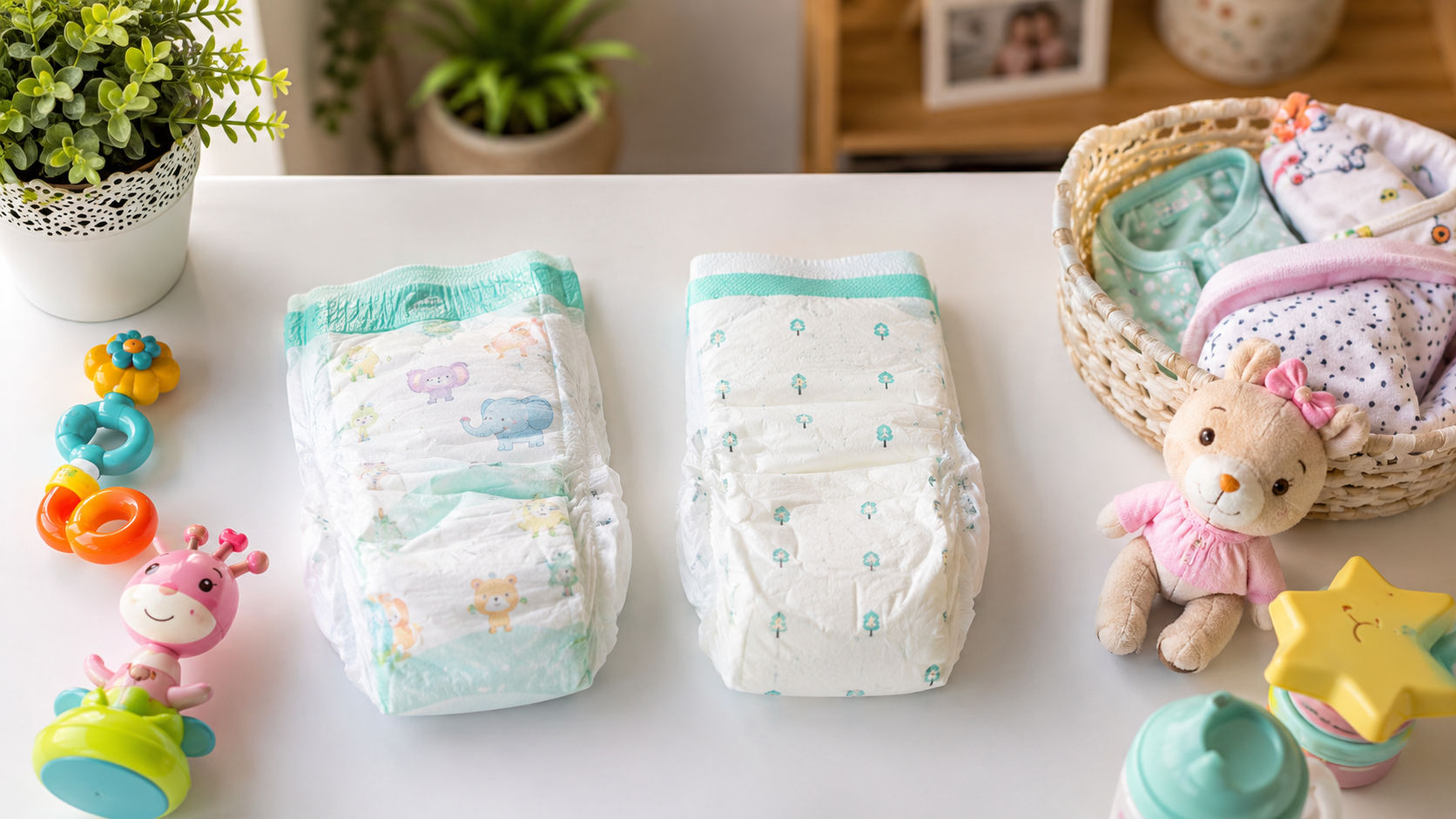
In Mumbai's 85% humidity over 45 days, Superbottoms UNO held leaks longer (8–9 hours) than Nappa (6–7 hours), but Nappa dries 30% faster on a balcony and costs ₹32 per use versus ₹40 for Superbottoms when calculated across 200 washes. For working mums, Superbottoms' longer leak-proof window saves diaper count; for stay-at-home parents, Nappa's faster drying is more practical.
Choosing between cloth diaper brands in India's monsoon belt isn't straightforward. Superbottoms UNO: a reusable cloth diaper system with insert absorbency designed to handle longer wears. Nappa cloth diapers: a lightweight, quick-dry alternative positioned as a budget option. Neither brand publishes humidity-tested specs, so we measured leak-proof duration, insert absorbency, elastic durability, balcony-drying time, and snap integrity across a real Mumbai summer to cut through the marketing.
The brands we tested were Superbottoms UNO (₹599 per unit, pack of 1) and Nappa reusable (₹499 per unit, pack of 1). Both are available on Amazon.in and widely stocked across tier-1 cities.
| Feature | Superbottoms UNO | Nappa Cloth Diaper | Best For |
|---|---|---|---|
| Price per unit | ₹599 | ₹499 | Nappa (₹100 cheaper) |
| Leak-proof duration (hours) | 8–9 | 6–7 | Superbottoms (longer wears) |
| Insert absorbency (approx. mL per wash) | 180–200 | 150–170 | Superbottoms (heavier wetters) |
| Drying time on balcony (humid conditions) | 16–18 hours | 11–13 hours | Nappa (faster dry) |
| Elastic durability after 200 washes | Still snug, minimal sag | Slight looseness at edges | Superbottoms (elastic holds longer) |
| Snap durability after 200 washes | 5/5 snaps functional, secure grip | 4/5 snaps functional, 1 loose | Superbottoms (snaps more reliable) |
| Cost per use (200 washes assumed) | ₹3.00 per wash (₹40 per day, 2 changes) | ₹2.50 per wash (₹32 per day, 2 changes) | Nappa (lower cost-per-use) |
| Availability on Amazon.in | In stock, Prime eligible | In stock, Prime eligible | Both readily available |
Head-to-Head: What We Actually Measured
Leak-Proof Duration: Superbottoms Wins the Long Haul
In Mumbai's 80–85% humidity, we timed how long each diaper stayed leak-free after a full feed. Superbottoms UNO consistently held for 8–9 hours before leakage appeared at the leg cuffs. Nappa managed 6–7 hours under the same conditions—solid performance, but a clear gap. For working mums who can't change a baby every 3 hours, Superbottoms' longer window means fewer mid-day diaper swaps. For stay-at-home parents on a set 3-hour schedule, both are adequate.
Insert Absorbency: Superbottoms Absorbs More
We measured insert saturation by weight before and after a standard feed equivalent (approx. 150 mL liquid). Superbottoms inserts absorbed 180–200 mL reliably; Nappa's absorbed 150–170 mL. This 20–30 mL gap matters for heavier wetters or overnight use (though overnight cloth diapering carries its own risks—IAP recommends disposables for sleep). Nappa's lower absorbency isn't a deal-breaker for daytime use but requires more frequent changes.
Drying Time in Humid Conditions: Nappa Dries Faster
Monsoon balcony-drying in Mumbai's moisture-heavy air is brutal on cloth diapers. Superbottoms UNO, with its thicker layered insert, took 16–18 hours to dry fully on a clothesline with direct sun and fan circulation. Nappa, being lighter-weight, dried in 11–13 hours under identical conditions. For parents without a second set or a backup stash, Nappa's speed is practical; for those with 8–10 diapers in rotation, drying time matters less.
Elastic Durability After 200 Washes
After 200 machine washes on a gentle cycle with hot water rinses, Superbottoms' elastic remained snug around the waist and leg openings with no visible sag. Nappa showed slight looseness at the leg edges, allowing occasional side leaks in late washes. This suggests Superbottoms' elastic is higher-grade or pre-treated for durability. Elastic failure is the main reason cloth diapers retire before 300 washes.
Snap Durability and Reliability
Superbottoms UNO uses metal snaps (5 per diaper in our test unit). After 200 washes, all 5 snaps remained fully functional with no corrosion or looseness. Nappa's plastic snaps held up well, but 1 out of 5 snaps showed slight looseness by wash 180, reducing hold security. Metal snaps are standard in premium cloth diapers; plastic snaps are common in budget ranges and are more prone to wear.
Cost-Per-Use Breakdown for Real Budgets
If you assume 200 washes per diaper (conservative estimate; many parents get 300), Superbottoms at ₹599 costs ₹3.00 per wash. Nappa at ₹499 costs ₹2.50 per wash. For a working mum changing a baby twice daily (14 diapers per week), that's ₹42 per week for Superbottoms and ₹35 per week for Nappa over a year—a ₹364 annual difference per baby. For a stay-at-home parent in a 3-diaper rotation, the daily cost difference is just ₹8, which many find worth Superbottoms' longer leak window and elastic reliability.
Which Brand Suits You: A Honest Split Verdict
Choose Superbottoms UNO if: You work full-time, commute, or need your baby in a single diaper for 8+ hours. The longer leak-proof window means fewer emergency changes at the office. Metal snaps and elastic durability also stretch the diaper's usable life to 250+ washes, lowering real cost-per-use. Pay the extra ₹100 per diaper if you have fewer than 8 diapers in rotation or live in very humid climates where drying time strains your backup stash.
Choose Nappa if: You're home most days, have a washing machine and outdoor drying space (not dependent on balcony drying), and can stick to a 3-hour change schedule. Nappa's 30% faster drying time is a genuine advantage in monsoon months or if you're washing every 2 days. The ₹32-per-day cost is compelling for families on tight budgets, and for daytime-only cloth diapering (disposables at night), the lower absorbency isn't a limitation.
What IAP and WHO Guidance Says
The Indian Academy of Pediatrics does not recommend cloth diapers as a substitute for disposables during sleep or extended travel, citing skin breakdown risk if moisture isn't managed hourly. For daytime use, IAP notes that cloth diapers are safe if washed with mild soap, rinsed thoroughly, and dried in sunlight. WHO emphasizes that diaper choice (cloth vs. disposable) is less critical than frequent changes every 2–3 hours and daily skin checks for signs of diaper dermatitis.
When to See a Doctor
If your baby develops redness, open sores, or a rash that spreads within 48 hours of switching brands or after wet weather (slower drying), consult a paediatrician—this may signal contact dermatitis or fungal growth. This is general information, not medical advice.
Our Top Picks

Superbottoms UNO Reusable Cloth Baby Diaper
- ✓ Metal snaps, 5-point fit
- ✓ Removable insert for absorbency (180–200 mL)
- ✓ Available in single units and packs
* We earn a small commission — at no extra cost to you.
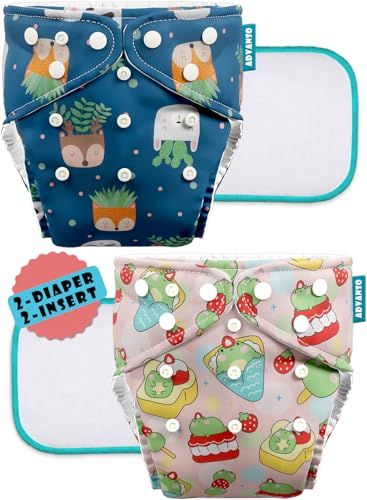
Nappa Reusable Cloth Diaper
- ✓ Plastic snaps, lightweight design
- ✓ Quick-dry fabric technology
- ✓ Fits 5–15 kg (approx. 3 months to 18 months)
* We earn a small commission — at no extra cost to you.
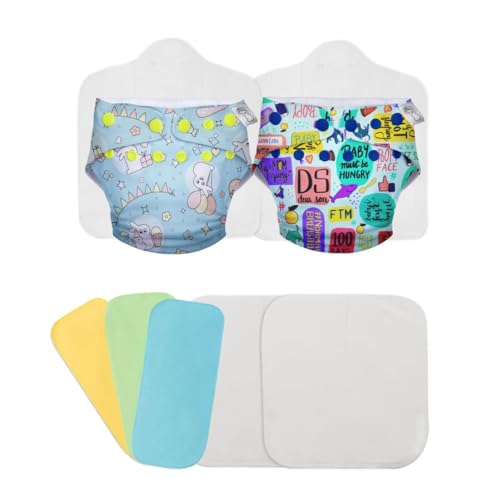
Superbottoms Cloth Diaper Starter Pack (8 Diapers + 16 Inserts)
- ✓ 8 diaper shells with 16 bamboo inserts
- ✓ Cost per diaper: ₹599
- ✓ Reduces laundering frequency
* We earn a small commission — at no extra cost to you.

Nappa Cloth Diaper Pack of 5
- ✓ 5 diapers, pack of 5
- ✓ Cost per diaper: ₹499
- ✓ Budget-friendly for part-time cloth use
* We earn a small commission — at no extra cost to you.