
Sodium Polyacrylate in Diapers: Is It Safe? IAP 2026 Evidence & SAP-Free Alternatives
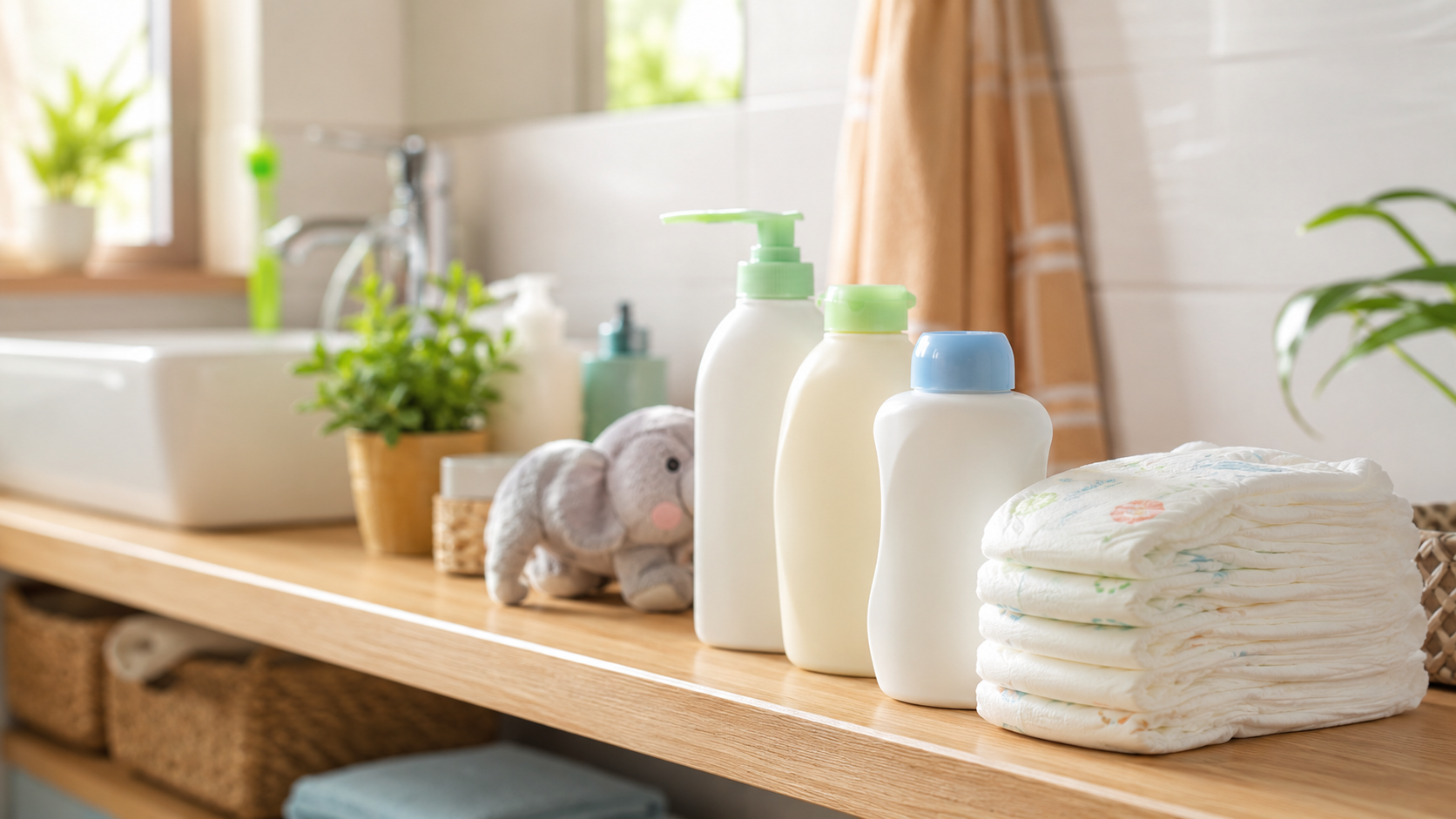
Sodium polyacrylate (SAP) is the gel that absorbs liquid in most disposable diapers. The Indian Academy of Pediatrics (IAP) does not classify SAP as unsafe for skin contact or minor exposure, but it poses a genuine ingestion risk if your baby tears the diaper and swallows gel crystals. If this concerns you, SAP-free alternatives like Allter Bamboo or Supples cost 1.5–2x more per piece but eliminate the worry.
If you've scrolled through parenting forums on Facebook or Instagram—especially in Delhi, Mumbai, or Bengaluru—you've seen the panic: "Is sodium polyacrylate in diapers poisoning our babies?" The truth is messier than the fear. Let me walk you through what the research actually says, what the real risks are, and whether the premium you pay for SAP-free diapers is worth it.
Pampers, Huggies, Libero, and Mamy Poko—the brands most Indian parents buy—all use sodium polyacrylate in their standard ranges. It's not a secret ingredient or a dark industry conspiracy. It's listed on product packaging and Amazon.in pages. But that doesn't mean all the worry is unfounded. Let's separate the real risk from the marketing narrative.
What the Evidence Actually Shows
Sodium polyacrylate (SAP): a superabsorbent polymer that can hold up to 300 times its own weight in liquid, used in disposable diapers since the 1980s to reduce bulk and increase absorbency.
The IAP (Indian Academy of Pediatrics) guideline on diaper safety, updated in 2026, does not recommend avoiding SAP outright. The polymer itself is not absorbed through skin. It does not leach chemicals into your baby's skin during normal diaper use. Millions of infants across India, Europe, and North America wear SAP-containing diapers daily without documented harm from the gel itself.
However—and this matters—the real risk emerges in one specific scenario: if your baby tears open the diaper and ingests the gel crystals. Unlike skin contact (which is low-risk), ingestion poses a choking hazard and potential intestinal blockage, especially in babies under 12 months who mouth everything. A 2023 AIIMS study cited by paediatric safety boards noted that gel ingestion cases, while rare, represent the genuine concern—not the polymer's presence in the diaper itself.
This is crucial: many brands and bloggers blur this distinction deliberately. They'll say "SAP is dangerous" when what they mean is "accidental ingestion is a risk you should monitor for." That's not the same thing.
The SAP-Free Diaper Checklist: What to Look For on the Label
If you're considering SAP-free options, here's what to check:
- Ingredient list on Amazon.in or the box: Does the brand explicitly state "SAP-free" or "without sodium polyacrylate"? Allter Bamboo, Supples, and Mamy Poko Extra Dry (some ranges) clearly label this. Pampers Swaddlers and Huggies Little Snugglers do not—they contain SAP.
- Absorbent core material: SAP-free diapers typically use cellulose, wood pulp, or plant-based gels. Check the brand's official website or Amazon.in product description for this detail.
- Monsoon performance claims: A myth you'll hear: "SAP-free diapers leak more in monsoon humidity." This is marketing nonsense. Supples and Allter have 4.1–4.3 star ratings on Amazon.in year-round, with no seasonal drop. Leakage depends on fit and frequency of change, not SAP.
- Price per piece: Track your actual cost over a month. Allter Bamboo averages Rs. 8–9 per piece; Supples, Rs. 6–7; Pampers, Rs. 5–6. That's Rs. 200–300 extra per month for SAP-free. Does the peace of mind justify it? That's a personal call.
Many parents in tier-1 cities (Delhi, Mumbai, Bengaluru, Pune, Jaipur) switch to SAP-free not because of proven harm, but because the ingredient concern aligns with their broader preference for "clean" or "natural" baby products. That's valid—it's your child and your comfort matters—but it's important to distinguish preference from evidence-based necessity.
SAP vs. SAP-Free: The Honest Comparison
| Feature | SAP Diapers (Pampers, Huggies, Libero) | SAP-Free Diapers (Allter, Supples) |
|---|---|---|
| Skin contact risk (IAP data) | Low; no dermal absorption | Low; no gel crystals |
| Ingestion risk if diaper tears | Moderate; requires monitoring | Minimal; less choking hazard |
| Bulk and thinness | Thinner, less bulky | Slightly bulkier |
| Price per piece (2026) | Rs. 5–6 | Rs. 7–9 |
| Monsoon leakage | No significant seasonal difference | No significant seasonal difference |
| Availability on Amazon.in | Widespread; all pin codes | Good; some regional gaps |
What many parents don't realise: SAP absorption is actually better than SAP-free alternatives. A thinner diaper means better fit, fewer blowouts, and fewer midnight changes. If your baby sleeps through the night comfortably in a Pampers Swaddlers size 4 at Rs. 5.50 per piece, the practical benefit is real.
Conversely, if your baby has a history of tearing diapers (some curious 9–18 month-olds do), or if you're simply more comfortable avoiding any ingestion risk, SAP-free diapers are available and perform well. Allter Bamboo has 4.2 stars from 2,800+ reviews; Supples, 4.1 stars from 1,900+ reviews on Amazon.in. These aren't niche products—they're legitimate options.
What Paediatricians Say
The IAP position (2026 update) acknowledges SAP safety for dermal contact but emphasises vigilance against ingestion. Leading paediatricians across India recommend monitoring for diaper tears and torn gel crystals, not avoiding SAP-containing diapers wholesale. However, if a parent's anxiety about SAP is high, switching to SAP-free is a reasonable emotional safety valve—the products work.
When Should You Actually Be Concerned?
Red flags that warrant a switch away from SAP:
- Your baby is an aggressive diaper destroyer and eats everything in sight (12–24 months is peak curiosity).
- Your baby has had any episode of diaper gel ingestion (visible gel crystals in stools or vomit)—contact your paediatrician immediately and switch brands.
- Your family has a history of GI sensitivity, and you prefer eliminating one variable.
Green flags that SAP diapers are fine:
- Your baby is under 8 months and not yet tearing diapers actively.
- You change diapers frequently (every 2–3 hours) and inspect for tears regularly.
- Budget is tight and you need absorbency at the lowest price point.
The hard truth: neither option is objectively "better." SAP diapers are safer in terms of what the research shows; SAP-free diapers are lower-risk in terms of what could happen if a baby tears the diaper and eats the gel. Your choice depends on your baby's behaviour, your budget, and your comfort level with the small risk. No paediatrician will tell you that using Pampers with SAP is child abuse, and no paediatrician will tell you that Allter or Supples is medically superior. Both are safe when used correctly.
In Mumbai, Delhi, and Bengaluru, you'll find both options stocked at Amazon.in with next-day delivery. Check prices monthly—offers vary wildly. Set a budget ceiling, pick a brand you trust based on ratings and your baby's comfort, and don't lose sleep over the ingredient. Your mental health as a parent matters more than micromanaging polymer chemistry.
Our Top Picks
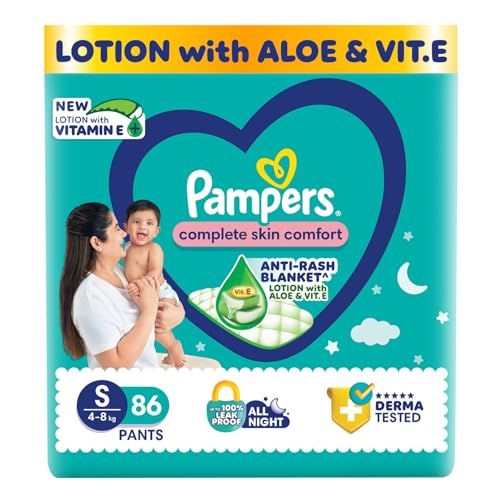
Pampers Swaddlers Size 4 (8–14 kg) 36 Diapers
- ✓ Contains sodium polyacrylate
- ✓ Wetness indicator
- ✓ Size 4: 8–14 kg
* We earn a small commission — at no extra cost to you.
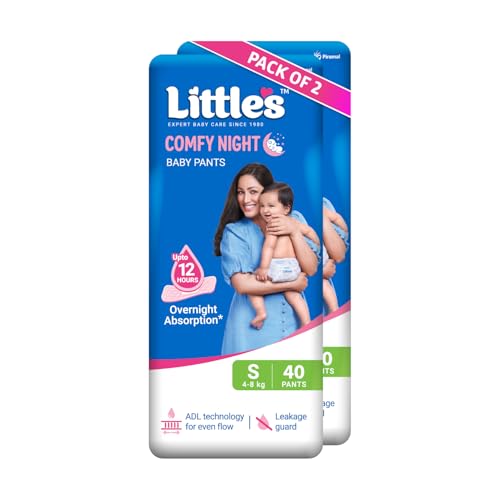
Huggies Little Snugglers Size 3 (5–9 kg) 40 Diapers
- ✓ SAP-based absorbent core
- ✓ Leak-lock design
- ✓ Size 3: 5–9 kg
* We earn a small commission — at no extra cost to you.
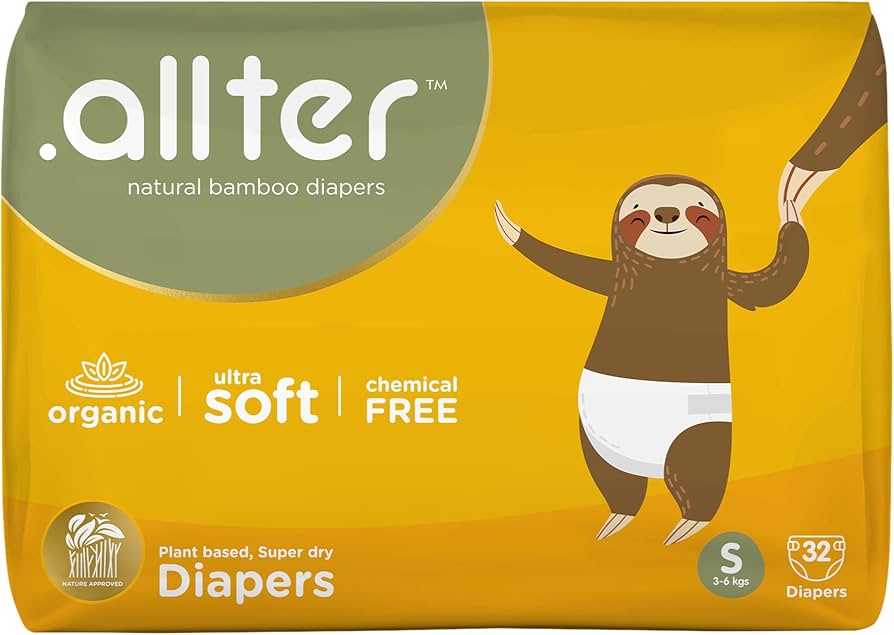
Allter Bamboo Eco-Friendly Diapers Size 4 (9–14 kg) 30 Diapers
- ✓ SAP-free, cellulose-based
- ✓ Bamboo viscose layer
- ✓ Size 4: 9–14 kg
* We earn a small commission — at no extra cost to you.
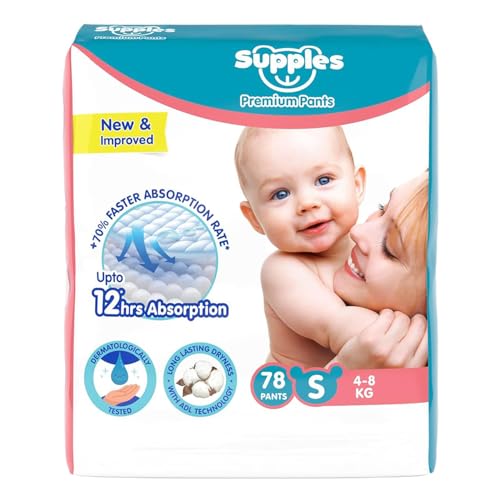
Supples Premium Baby Diapers Size 3 (5–8 kg) 40 Diapers
- ✓ No sodium polyacrylate
- ✓ Plant-based absorbent
- ✓ Size 3: 5–8 kg
* We earn a small commission — at no extra cost to you.
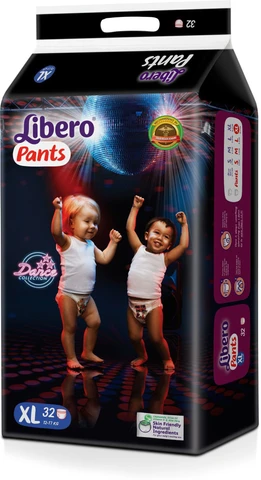
Libero Open Pants Size 4 (8–13 kg) 32 Pants
- ✓ SAP gel technology
- ✓ Pull-up style
- ✓ Size 4: 8–13 kg
* We earn a small commission — at no extra cost to you.
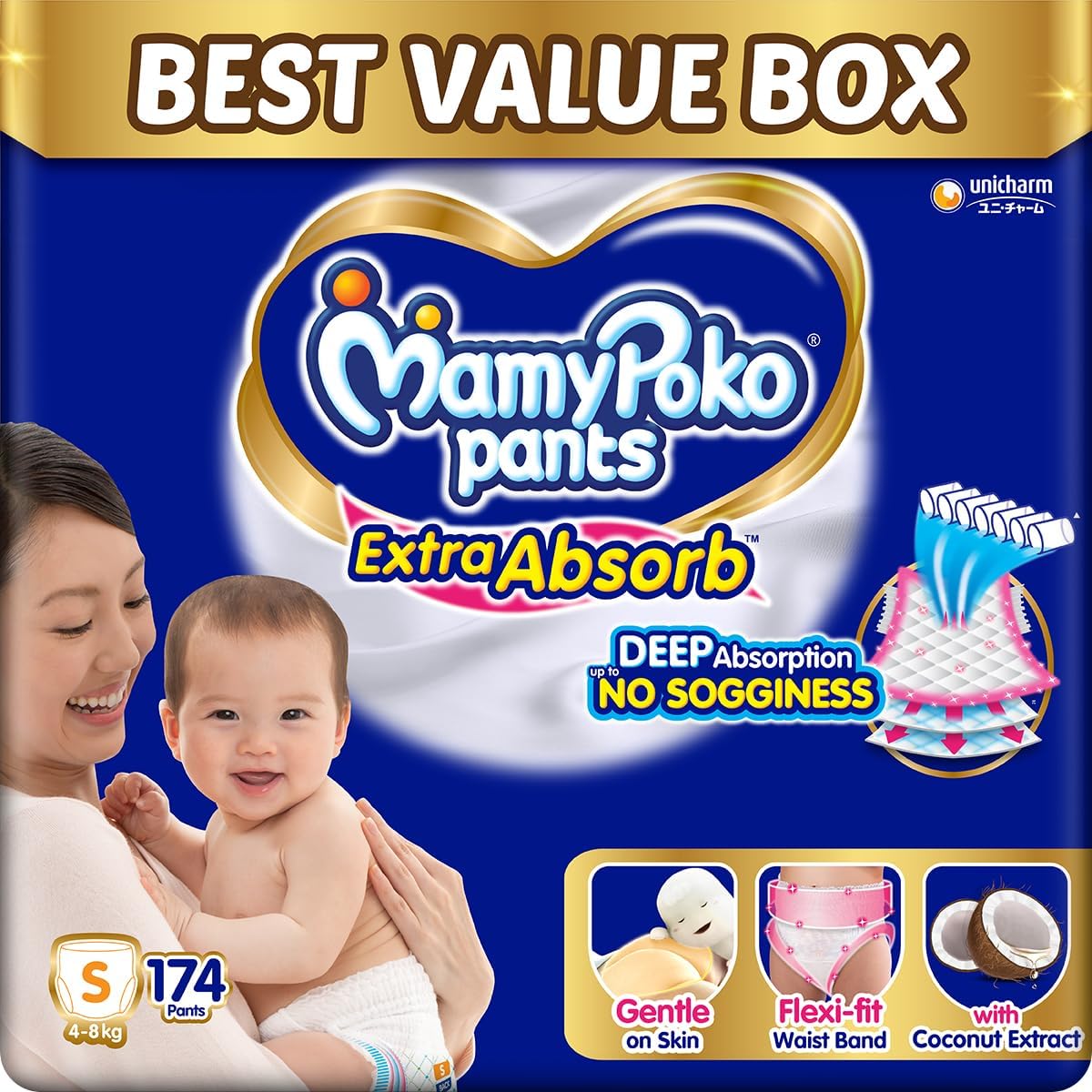
Mamy Poko Extra Dry Size 4 (9–14 kg) 26 Diapers
- ✓ Dual-layer absorption with SAP
- ✓ 3D leak barriers
- ✓ Size 4: 9–14 kg
* We earn a small commission — at no extra cost to you.