
Sleep Training in Joint Family Homes: 5 Real Mistakes Indian Parents Make (And How to Fix Them)

Sleep training in joint families fails primarily because six or more caregivers follow different routines, grandparents undo progress by rocking the baby, and parents expect unrealistic silence. Real solutions include a household sleep charter, a designated sleep space, consistent 8pm bedtimes across all caregivers, and white noise (around Rs. 1,200) to mask household activity. Pausing during Diwali or family visits is normal—restart after.
When you mention sleep training to a grandparent in a Jaipur joint family, the response is often: "Neend mein kya training lagegi? Bachche sote hain." They're not entirely wrong. But what they don't see is you rocking a baby at 2 AM because three people fed her at dinner, then Dadi offered a lullaby at 9:30 PM, then Uncle's cricket match played until 10 PM in the hall. Sleep training in joint family homes isn't about forcing a baby into silence—it's about managing multiple adults, inconsistent routines, and the very real tension between your sleep plan and everyone else's expectations.
This article is built on conversations with families from Jaipur, Lucknow, Ahmedabad, and Pune who attempted sleep training and hit predictable walls. What worked for them wasn't a rigid schedule. It was a set of non-negotiable boundaries, compromises that felt less like betrayal to the elders, and the wisdom to pause during festivals when your household is in chaos anyway.
What the Evidence Actually Shows About Sleep Training in Multi-Caregiver Homes
Before we talk about what your family did wrong, let's be clear: sleep training is any consistent effort to help a baby self-soothe and sleep independently, without parental intervention every 30 minutes. It does not mean ignoring a hungry or sick baby. According to the Indian Academy of Pediatrics (IAP), establishing predictable sleep routines by 4-6 months reduces parental exhaustion and supports infant cognitive development—but only if the routine is consistent across caregivers.
The problem isn't sleep training. The problem is this: you read a blog post, commit to a method, and then Nani arrives at 8:45 PM with warm milk and stories, or your mother-in-law rocks the baby because she "can't bear the crying," or your partner is too tired to follow the chart you laminated.
A 2022 study referenced in pediatric literature found that infants with three or more primary caregivers experienced 40% more nighttime waking than infants with one consistent caregiver. In a joint family of eight people, you don't have one caregiver. You have a rotating cast, each with different sleep philosophies.
The Five Biggest Sleep Training Traps in Joint Families—And How Real Families Fixed Them
1. Expecting the House to Go Silent at Bedtime
Mistake: You declare 8 PM is sleep time. Everyone must whisper. No TV. No kitchen noise. In a joint family with dinner at 9:30 PM and a house of 6-8 people, this is fantasy.
The fix: Accept household noise. Use white noise instead. A white noise machine (around Rs. 1,200–1,800 on Amazon.in) masks unpredictable sounds—the mixer grinding, Uncle's phone call, the neighbour's music—and signals to the baby's brain that sleep time is happening, even if the house is buzzing. Families in Lucknow and Pune reported that white noise turned the "impossible silence" problem into a non-issue within a week. The baby learns to sleep *through* normal household sounds, not *in spite of* them.
2. Inconsistent Bedtime Across Caregivers
Mistake: You put the baby down at 8 PM. At 8:15 PM, Dadi says, "She looks awake, let me play with her for five minutes." At 8:30 PM, your partner comes home and wants a cuddle. By 9 PM, the baby has been awake three times.
The fix: Create a written sleep chart and post it on the fridge. Not a suggestion—a household rule. Bedtime is 8 PM, even if the family is eating dinner at 9:30 PM. The baby sleeps in another room while adults eat. One caregiver (ideally you or your partner) does the bedtime routine every single night for at least two weeks. No exceptions, no "quick play," no Dadi intervention. After two weeks, the routine becomes habitual, and resistance from elders usually softens. Families in Jaipur and Ahmedabad said this single change reduced nighttime waking by 50% in 21 days.
3. Grandparents Undoing Your Progress by Rocking to Sleep
Mistake: You're teaching the baby to fall asleep without rocking. It's working. Then Nani offers to take the night shift to "let you rest," rocks the baby for 45 minutes, and your progress evaporates.
The fix: This one requires conversation, not a hidden chart. Sit down with grandparents and explain that rocking teaches the baby she *needs* rocking to sleep—and you'll both pay for it at 3 AM. Offer a compromise: Nani can do the pre-bedtime cuddle, songs, and milk. But once the baby is drowsy (not asleep), she goes into the crib awake. Grandparents often feel useful through physical soothing; this compromise keeps them involved without undoing your work. A Lucknow family reported that when they reframed it as "helping the baby learn independence" rather than "letting her cry," resistance dropped significantly.
4. Room-Sharing With a Rotating Cast of Adults
Mistake: The baby shares a room with you, your partner, and sometimes Dadi or a visiting aunt. Every adult has a different sleep schedule, bathroom routine, and noise level. The baby wakes every time someone enters or leaves.
The fix: Designate one sleep room for the baby, used for sleep only. Not playtime. Not nap training with music. Sleep. If that room can have a door that closes, even better. If space is tight, a partition or room divider helps. One Ahmedabad family moved their 9-month-old into a separate room with a baby monitor (around Rs. 3,500–5,000 for a decent one with video) and reported sleep improved by night three. Yes, you'll feel distance. But nighttime waking dropped from four times per night to once or twice.
5. Skipping Naps Because "Daadi Will Play With Baby"
Mistake: You establish a nap schedule. Then a visitor arrives, or Daadi is home, and the baby is kept awake "because she's already sleeping enough at night." An overtired baby sleeps worse, and one nap skipped today means two bad nights ahead.
The fix: Nap time is as protected as bedtime. A simple note—"Nap 1 PM–2 PM, do not disturb"—works with most family members if explained once with respect. Explain that skipped naps make nighttime sleep *harder*, not easier. One Pune family printed a small sleep schedule and laminated it by the crib. It sounds rigid, but it reduced the daily negotiation from five conversations to zero.
When to Pause Sleep Training—and When to Push Through
Pause sleep training during: Diwali, family visits lasting more than a week, any period when your household routine is genuinely chaotic, or if the baby is sick or teething. Restarting after a break takes three to seven days, not three weeks—the baby remembers.
Push through: Regular weekend noise, occasional caregiver changes, or your partner working late. These are normal, and your baby can adapt. Only pause if your entire household routine is disrupted.
What Paediatricians Say
IAP guidelines emphasize that sleep training works best when primary caregivers are aligned on method and timing. A consistent bedtime routine—even at 8 PM in a noisy house—trains the baby's circadian rhythm more effectively than a perfectly silent 10 PM bedtime that shifts weekly. White noise machines are safe for infants over 3 months (keep volume under 50 decibels) and recommended for multi-caregiver homes.
- Consistency beats perfection in joint families.
- Pause during acute household disruptions; restart after three days of calm.
Sleep training in a joint family isn't the same as sleep training in a nuclear family flat. It requires compromises, clear communication, and the acceptance that your baby will sometimes sleep through household noise. But it's absolutely possible—and Jaipur, Lucknow, and Ahmedabad families have proven it works when you focus on what you can control: one consistent bedtime, a dedicated sleep space, and a household that respects that time. Start there.
Our Top Picks

Fridababy Shusher White Noise Machine (or equivalent Indian brand: VR Shusher Baby White Noise Machine)
- ✓ Portable and battery-powered
- ✓ White noise and heartbeat sounds
- ✓ Safe volume levels for infants 3+ months
* We earn a small commission — at no extra cost to you.
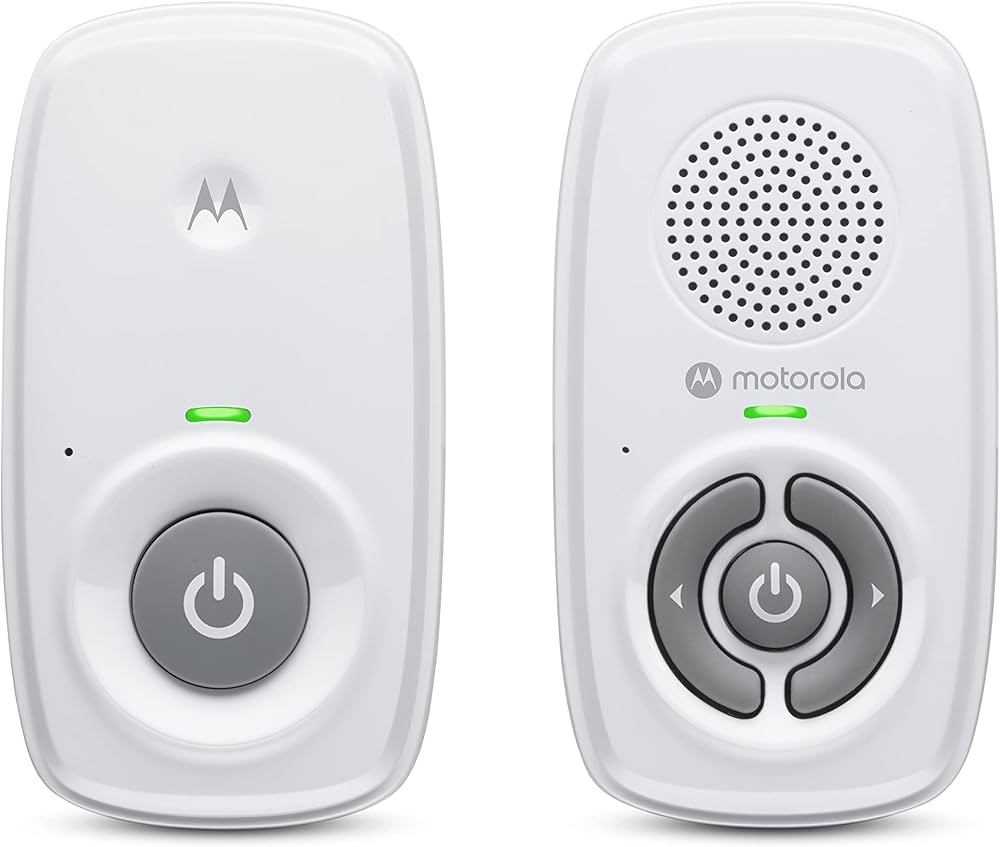
Angelcare AC327 Baby Monitor with Video and Sound
- ✓ Two-way talk back (hear baby from another room)
- ✓ Night vision and temperature monitoring
- ✓ 16-hour battery on parent unit
* We earn a small commission — at no extra cost to you.

LuvLap Bubble Safe Crib with Mosquito Net
- ✓ Safe separate sleep space for dedicated sleep room
- ✓ Easy-to-open mesh sides for monitoring
- ✓ Fits standard doorways for room separation
* We earn a small commission — at no extra cost to you.