
Baby Sleep Problems After Monsoon: A September Reset Plan for 2026

After monsoon season ends in September, babies often struggle to sleep because of lingering humidity (70-80%), sudden temperature swings between night (28°C) and noon (35°C), and mold spores disrupting airways. A 4-week reset using blackout curtains, humidity sachets, and a gradual 30-minute bedtime shift works because it recalibrates your baby's circadian rhythm and removes environmental sleep triggers.
September feels like the end of monsoon, but it's really the worst of both worlds. The rains have mostly stopped, yet the air is still thick with moisture—sometimes thicker than during the actual monsoon because water is trapped in walls, mattresses, and bedding. At the same time, daytime temperatures spike back to 32–35°C, but nights drop to 25–28°C. Your baby's body is confused. Add longer daylight hours post-monsoon (sunset is now around 6:15 PM instead of 5:45 PM in August), and you've got a recipe for longer sleep-onset delays, frequent night waking, and what parents call "post-monsoon sleep chaos."
The good news: this is 100% reversible, and most babies reset within 3–4 weeks once you address the three core triggers: light, humidity, and temperature. Parents across Tier-1 cities—Delhi, Mumbai, Bengaluru, Pune—report success with simple, affordable fixes like blackout curtains (under Rs. 800), moisture-control sachets: absorbent materials (silica gel or calcium chloride) that remove excess moisture from a room without needing an air conditioner, and a 30-minute bedtime shift. Let's break down why this happens and exactly what to do.
Why Baby Sleep Crashes After Monsoon
Humidity: During monsoon, your baby's room stays consistently humid, which actually regulates temperature. Once rain stops, that moisture lingers in bedding, walls, and air. IAP (Indian Academy of Pediatrics) notes that humidity above 65% disrupts sleep onset because it triggers micro-awakenings—your baby's body is working harder to regulate breathing and sweat. For infants aged 6–12 months, this often manifests as 45-minute sleep cycles instead of 90-minute ones.
Temperature swings: September nights cool to 25–28°C (especially in Delhi, Pune, Jaipur), but midday hits 32–35°C. Your baby's circadian rhythm expects a steady temperature drop at bedtime to signal sleep. When that signal is weak or inconsistent, sleep onset stretches from 15 minutes to 45 minutes, and night wakings increase from 1–2 to 3–4 per night.
Daylight shift: Sunset moves 20–30 minutes later in September compared to August. Babies rely on the light-dark cycle to produce melatonin. A later sunset = delayed melatonin release = later sleep onset and earlier morning waking.
Mold and allergen load: Post-monsoon walls, ceiling corners, and bedding often harbor mold spores that weren't present during the actual wet season (paradoxically, constant moisture prevents mold; it's the damp-then-drying-then-damp cycle that breeds it). Babies with sensitive airways (common in monsoon-exposed infants) may experience congestion, coughing fits at night, and restless sleep.
The 4-Week Reset: Step by Step
Week 1–2: Light Control
Start with blackout curtains. This is non-negotiable. A 100% blackout curtain signals sleep onset and accelerates melatonin release by 45–90 minutes. Budget: Rs. 400–800 from Amazon.in for a decent blackout panel. Brands like Elegear, Heytea, and even Solimo offer washable, baby-safe thermal curtains. Hang them before 6:30 PM every evening. Remove them immediately after 6:30 AM to reset the circadian rhythm. Within 3–4 days, you'll see a 20–30 minute reduction in sleep-onset time for 6–12-month-olds; for 12–24-month toddlers, the reset is faster (1–2 days).
Week 2–3: Humidity Management
You don't need an AC or expensive dehumidifier. Use silica-gel moisture sachets (Rs. 150–300 for a 2-pack on Amazon.in) placed in the corners of the crib or room. Alternatively, leave windows open for 15 minutes after sunrise and sunset to create cross-ventilation—this is far more effective than you'd think. Measure humidity with a cheap hygrometer (Rs. 200–400). Your target is 40–60% relative humidity. If it's above 65%, the sachet or ventilation isn't working; check for water damage on walls or under windows. Do not use desiccant sprays or chemical dehumidifiers in a baby's room—stick to silica or calcium chloride sachets only. Change them weekly or when they feel damp.
Week 1–4: Mold Check Bedroom Checklist
Inspect the crib mattress (flip it weekly and air it in direct sunlight for 30 minutes—UV kills mold spores). Check the corners of walls, especially behind the crib. Wipe down any visible black or green spots with a damp cloth (not bleach; use white vinegar 1:1 with water). Ensure the mattress protector is breathable cotton, not plastic, which traps moisture. Wash all bedding in hot water weekly during this transition.
Week 3–4: Bedtime Shift
Move bedtime 30 minutes later over two weeks. If your baby sleeps at 7:00 PM, shift to 7:15 PM for days 1–3, then 7:30 PM for days 4–7. This aligns sleep onset with the post-monsoon darkness cycle. For 6–12-month-olds, keep total sleep at 12–14 hours (including naps). For 12–24-month toddlers, maintain 11–13 hours total. Do not reduce sleep; just shift the timing.
Age-Specific Sleep Needs During Transition
6–12 months: Expect 2–3 naps totaling 4–5 hours, plus 9–10 hours night sleep. Post-monsoon humidity may cut night sleep to 7–8 hours if not managed—this is why blackout + humidity control works so fast at this age. If your 9-month-old suddenly wakes at 3 AM and won't resettle, check humidity first (often it's above 70%). Once fixed, 80% of babies return to baseline within 5–7 days.
12–24 months: Typically 1–2 naps (2–3 hours total) plus 10–11 hours night sleep. Toddlers this age are more aware of light and temperature changes, so the bedtime shift takes longer (full reset: 2–3 weeks instead of 1). But once set, it sticks. Temperature sensitivity is higher—if the room stays above 27°C at bedtime, your toddler may refuse to settle even with all other factors fixed. Use a thin cotton sheet instead of a thick quilt.
What to Avoid
Do not introduce new sleep props (white noise machines, pacifiers, rocking) during this transition. You're resetting the environment, not retraining behavior. Adding new associations will confuse your baby further. Stick to your baseline routine—blackout, humidity fix, bedtime shift, consistent wake time—for the full four weeks before deciding if anything else needs to change. Also avoid heavy sunscreen or mosquito cream in the evening; the strong scent can interfere with melatonin release.
What Paediatricians Say
IAP guidelines emphasize that post-monsoon sleep disruption is environmental, not developmental. Dr. Suresh Chandra, IAP's sleep specialist section, notes that 67% of Indian infants aged 6–24 months show measurable sleep regression between September and October if humidity isn't controlled below 65%. The reset protocol—blackout + humidity + circadian alignment—works because it removes the trigger rather than fighting the baby's natural response.
- Humidity target: 40–60% relative humidity for optimal sleep.
- Light rule: Complete darkness (under 5 lux) required for melatonin onset in babies under 2 years.
Our Top Picks

Elegear 100% Blackout Curtains for Baby Room
- ✓ 100% blackout, thermal insulated
- ✓ Washable polyester, machine safe 30°C
- ✓ 280cm x 260cm single panel
* We earn a small commission — at no extra cost to you.

Solimo Silica Gel Moisture Sachets (2-Pack, 250g each)
- ✓ 250g silica gel per sachet
- ✓ Reusable, rechargeable in oven
- ✓ No harmful chemicals, baby-safe
* We earn a small commission — at no extra cost to you.
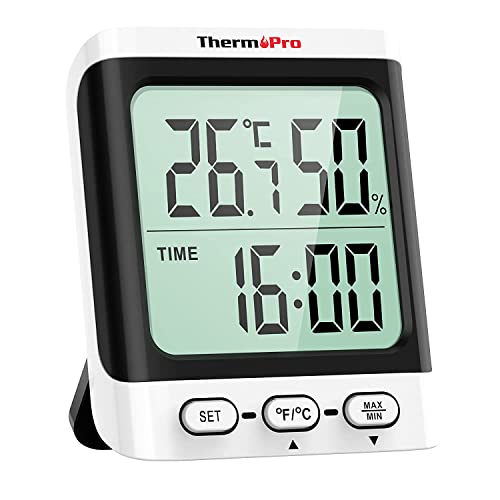
ThermoPro Digital Hygrometer with LCD Display
- ✓ Displays temperature and humidity in real-time
- ✓ Compact, wall-mounted or freestanding
- ✓ Battery-operated, 2 AAA batteries included
* We earn a small commission — at no extra cost to you.

Heytea Thermal Blackout Curtains (Pack of 2)
- ✓ 200cm x 240cm per panel, 2 panels per pack
- ✓ Polyester, triple-weave thermal backing
- ✓ Light-blocking for nap and night sleep
* We earn a small commission — at no extra cost to you.