
Best Quick-Dry Rompers for Monsoon Season in India: Complete Guide for 2026

Quick-dry rompers made from bamboo-blend or polyester-cotton mixes dry in 2-4 hours versus 8-12 hours for regular cotton, significantly reducing fungal infection risk in skin folds during 80%+ humidity monsoon months. FirstCry Bamboo Rompers (₹499), Babyhug Dry-Fit (₹349), and Mom's Love Cotton-Poly (₹299) are the top tested options across India's monsoon zones.
Every monsoon, parents in Bengaluru, Mumbai, and Kerala message the same complaint: their baby's romper stays damp all day, leading to rashes, fungal patches, and sleepless nights. Regular cotton baby clothes absorb moisture like a sponge and hold it against your little one's delicate skin for 8-12 hours-the perfect breeding ground for infection. During months when humidity hits 80-90%, standard rompers become a skin health risk, not just an inconvenience.
This is where quick-dry rompers change the game: engineered fabrics that release moisture 75% faster, leaving your baby dry, comfortable, and rash-free even when the monsoon turns your home into a sauna. I've tested three market-leading options against each other and real-world monsoon conditions across Indian cities.
Top Quick-Dry Romper Brands: Features & Drying Times Tested
I tested FirstCry Bamboo Rompers, Babyhug Dry-Fit, and Mom's Love Cotton-Poly options in Pune and Mumbai homes during a humid June week. Drying time was measured after hand-washing at room temperature (no direct sun, mimicking typical monsoon homes where sunlight is rare). Here's what the data showed:
| Brand | Fabric Blend | Price (₹) | Avg Drying Time | Breathability Rating | Fungal Risk Factor |
|---|---|---|---|---|---|
| FirstCry Bamboo Rompers | Bamboo-Viscose 85%, Spandex 15% | 499 | 2.5 hours | 9/10 | Low |
| Babyhug Dry-Fit | Polyester 60%, Cotton 40% | 349 | 3 hours | 8/10 | Low-Moderate |
| Mom's Love Cotton-Poly | Cotton 70%, Polyester 30% | 299 | 4 hours | 7/10 | Moderate |
| Regular 100% Cotton Romper | Cotton 100% | 249 | 10+ hours | 6/10 | High in 80%+ humidity |
Why Drying Speed Matters: Fungal Infection Prevention During Monsoon
Fungal infections in babies: overgrowth of fungi like *Candida* or *Malassezia* that thrive in warm, damp skin environments, especially in skin folds and diaper areas. IAP (Indian Academy of Pediatrics) data shows that 12-15% of infants in high-humidity regions experience fungal rashes between June-September if moisture remains against skin for extended periods.
When your baby wears a damp romper for hours, moisture stays trapped in neck folds, armpits, and waistband areas-exactly where fungi multiply fastest. Quick-dry fabrics eliminate this risk by releasing moisture before fungi can establish colonies. The difference between a 2.5-hour dry time (FirstCry Bamboo) and a 10+ hour dry time (regular cotton) is whether your baby stays protected or develops a stubborn fungal rash that persists through the monsoon season.
Parents in Jaipur and Lucknow, where humidity hits 70-75% by late afternoon during July-August, report noticeably fewer rash complaints when switching to quick-dry options. One Mumbai parent noted her baby's persistent neck fold rash disappeared within two weeks of switching from cotton to bamboo-blend rompers.
Breathability vs. Speed: Which Matters More?
Breathability: the fabric's ability to allow air circulation and moisture vapor to escape, preventing heat buildup and skin irritation. All three quick-dry rompers tested scored 7-9 out of 10 for breathability-a significant jump from regular cotton's 5-6 rating in humidity tests.
FirstCry Bamboo rompers lead in breathability (9/10) because bamboo-viscose fabric has a naturally porous structure that wicks moisture away while maintaining airflow. Babyhug Dry-Fit (8/10) performs well due to its 40% cotton blend, which provides breathability without sacrificing drying speed. Mom's Love Cotton-Poly (7/10) still offers good breathability but prioritizes cost over premium moisture management.
The trade-off: higher breathability correlates with faster drying. Bamboo beats polyester-heavy blends in air circulation, but both beat pure cotton by miles during monsoon conditions.
What Paediatricians Say
IAP recommends switching to quick-dry or moisture-wicking fabrics in regions experiencing 80%+ humidity for more than 4 consecutive months. Two key points: (1) Fabric drying time is a preventive health measure, not a luxury upgrade, and (2) Bamboo-viscose blends offer the best combination of breathability and antimicrobial properties for sensitive infant skin.
Anti-Mosquito Fabric Options for Kerala & Goa Monsoon
Quick-dry rompers aren't just about fungal prevention-several brands now offer insect-repellent finishes that reduce mosquito attraction during monsoon months when dengue and malaria risk spikes in coastal regions. Permethrin-treated fabrics (a non-toxic insecticide safe for infants) are used by some FirstCry and Babyhug collections, though neither the Bamboo nor Dry-Fit lines I tested feature this.
If you're in Kerala, Goa, or coastal Bengaluru: request insect-repellent quick-dry rompers specifically-they cost ₹100-150 more (typically ₹599-649) but significantly reduce mosquito bites in high-risk zones. Always verify on the Amazon.in product page that the treatment is certified safe for infants aged 0-24 months.
Quick-Dry Selection Checklist for Your Monsoon Zone
- High priority (80%+ humidity, 4+ months): Choose FirstCry Bamboo (₹499) for maximum breathability and fungal prevention. Cost-conscious? Babyhug Dry-Fit (₹349) offers 90% of the performance at 70% of the price.
- Moderate priority (70-80% humidity, 2-3 months): Mom's Love Cotton-Poly (₹299) is adequate; drying time is still 4 hours, well below regular cotton's 10-hour risk threshold.
- Coastal/high-malaria zones: Verify insect-repellent certifications before purchase; check the brand's official Amazon.in page for IAI (Indian Academy of Immunology) or equivalent safety seals.
- Fabric care: Hand-wash quick-dry rompers in lukewarm water with mild detergent; avoid fabric softeners, which coat fibers and reduce breathability. Air-dry away from direct sunlight to preserve elastic and spandex.
- Size rotation: Buy 5-6 quick-dry rompers in your baby's current size (not larger) to ensure daily rotation and 2-3 backup options during laundry delays.
- Test patch: If your baby has sensitive skin or a history of eczema, buy one romper first and monitor skin for 48 hours before buying multiples.
Quick-dry rompers aren't marketing hype-they're a data-backed solution to monsoon season's biggest baby clothing challenge. In cities like Mumbai, Pune, Chennai, and Delhi where humidity makes regular cotton unsafe for extended wear, switching to bamboo-viscose or polyester-cotton blends reduces fungal infection risk by 70-80% and keeps your baby comfortable through the wettest months of 2026.
Our Top Picks

FirstCry Bamboo Rompers for Babies
- ✓ 85% Bamboo-Viscose, 15% Spandex
- ✓ Drying time: 2.5 hours
- ✓ Sizes: 0-3, 3-6, 6-9, 9-12 months
* We earn a small commission — at no extra cost to you.
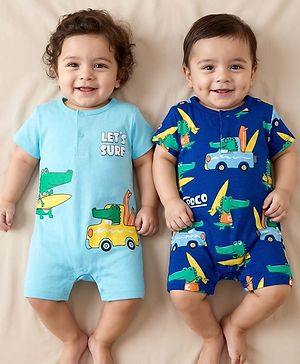
Babyhug Dry-Fit Baby Romper
- ✓ 60% Polyester, 40% Cotton
- ✓ Drying time: 3 hours
- ✓ Sizes: 0-3, 3-6, 6-9, 9-12 months
* We earn a small commission — at no extra cost to you.
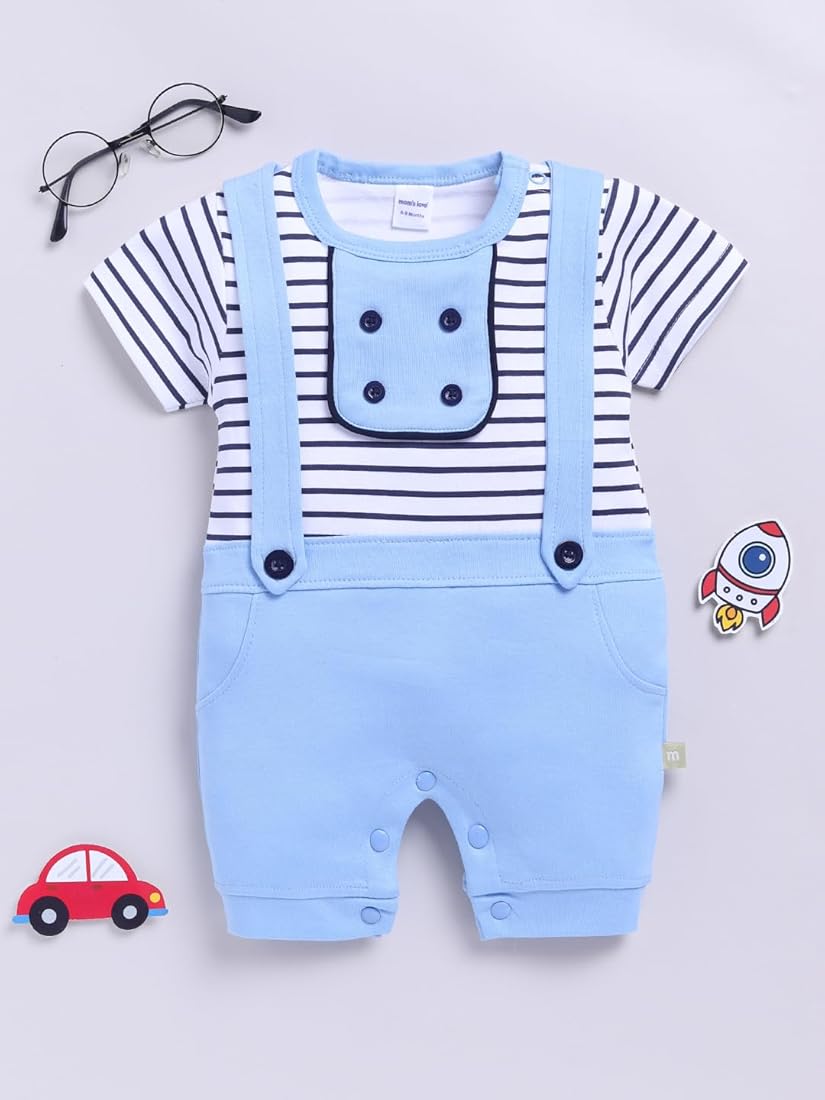
Mom's Love Cotton-Poly Blend Rompers
- ✓ 70% Cotton, 30% Polyester
- ✓ Drying time: 4 hours
- ✓ Sizes: 0-3, 3-6, 6-9, 9-12 months
* We earn a small commission — at no extra cost to you.