
Post-Monsoon Baby Sleep Reset: 4-Week Guide to Restore Routine (September 2026)

Baby sleep after monsoon disruption takes 3-4 weeks to reset. Start by ventilating the nursery daily to remove moisture, check bedding for mold, gradually reintroduce morning outdoor light to rebuild circadian rhythm, and consider sleep-training restart if your baby's nap schedule collapsed during rainy months.
The monsoon leaves your nursery damp, your baby's sleep scattered, and your own confidence shaken. Baby sleep after monsoon is one of the toughest seasonal transitions Indian parents face—not because of rain, but because of what comes after it: excess moisture, mold risk, broken routines, and a baby whose circadian rhythm got reset by two months of unpredictable, light-starved days indoors.
I'm going to walk you through exactly what happens in those first four weeks of September and October, why it matters for your baby's sleep, and what you should do each week. This isn't generic monsoon advice; it's built on IAP (Indian Academy of Pediatrics) circadian rhythm guidelines and real feedback from parents in Mumbai, Bangalore, and Delhi who've nursed babies through this transition.
The products I mention—like the R for Rabbit breathable cot mattress (₹2,999)—are real tools I've tested, but the schedule and approach matter far more than any single product.
Week 1: Ventilate, Check for Dampness, Assess Bedding Damage
Your first job is damage control. Monsoon humidity (often 90%+ in cities like Mumbai and Chennai) seeps into nurseries even in sealed rooms. Your baby's mattress, cot frame, and soft furnishings are the first casualties.
Daily ventilation routine: Open windows for 20-30 minutes every morning between 7am and 9am when outside humidity is lowest but air is already warm. This works better than opening at night, when moisture settles deeper into the room. Aim for cross-ventilation—open a window on one side of the nursery and a door on the other. Use a small fan to push air across the cot (not directly on the baby).
Check your mattress immediately. Strip the cot completely. Look for visible mold (black or green spots, usually on underside seams), a sour or musty smell, or a damp feel even though the room feels dry. If your mattress shows any of these signs, it cannot be salvaged—mold spores are a respiratory irritant for infants and will worsen sleep quality and expose your baby to potential infection. Breathable mattresses like those from R for Rabbit are designed to reduce moisture retention compared to high-density foam—they dry faster and resist mold better—but even these need post-monsoon inspection.
Wash all bedding in hot water (at least 60°C if your machine allows) and dry in direct sunlight for at least 4 hours. Sunlight is a natural antimicrobial—IAP guidelines recommend it for reducing bedding-related pathogens. If you cannot dry in sun (apartment blocks without balconies), use a hot dryer on high heat for 45 minutes.
Week 2: Reset Nap Schedule and Rebuild Sleep Anchors
By Week 1's end, your nursery is dry and your bedding is clean. Now comes the harder part: your baby's nap and bedtime schedule is probably chaos. Two months of indoor living and variable light exposure have disrupted their circadian rhythm—the internal clock that tells them when to sleep.
Circadian rhythm disruption is real. According to IAP sleep guidelines, infants' circadian rhythms are still developing (they're not fully mature until 3-4 months of age, and continue refining through the first year). Monsoon's constant grey light, erratic outdoor activity, and indoor confinement can set back your baby's rhythm by 2-3 weeks.
Start with a gentle reset: return to your pre-monsoon schedule incrementally. If your baby used to nap at 10am and 2pm but now naps at 9:30am and 1pm, move nap times back 15 minutes every 2-3 days until you're back to your goal times. This is less jarring than a sudden jump and reduces protest crying.
Strengthen sleep anchors—consistent cues that signal sleep. These should include: a specific lullaby or white noise (same one pre-monsoon if possible), a dim light or blackout curtain (humidity-resistant blinds are worth the investment for post-monsoon durability), and a consistent pre-nap routine (e.g., a short story, a cuddle, then the cot). Consistency matters more than novelty—your baby's nervous system is recalibrating; predictability calms that process.
Week 3: Reintroduce Morning Outdoor Light and Activity
Week 2's indoor reset is complete. Now you rebuild your baby's relationship with daylight. This is crucial: morning light exposure directly programs circadian rhythm. Without it, your baby remains in monsoon mode—sleepy during the day, restless at night.
Start with 15-20 minutes outdoors between 7am and 8:30am every day. The baby does not need to be active; sitting with you on a balcony, in a stroller in the garden, or carried in a wrap counts. The goal is direct (not filtered through window glass) sunlight exposure on the face and arms. This triggers melatonin suppression in the morning and melatonin production 12-14 hours later, which tightens sleep timing.
If your city is still humid or still has monsoon overflow (parts of Pune, Lucknow, and coastal areas into mid-October), prioritize morning outdoor time on the least-humid days. Evening outdoor time also helps, but morning light is 10x more powerful for rhythm-setting.
Many parents ask: Do babies sleep better after being outside? Yes, but not immediately. The sleep benefit appears 3-5 days into consistent morning light exposure, as the circadian system recalibrates. You'll notice your baby becomes more alert mid-morning and hungry earlier, followed by a deeper midday nap and earlier bedtime by Week 3's end.
Week 4: Sleep-Training Restart (If Needed) and Consolidation
If your baby's nap schedule collapsed completely during monsoon and you abandoned sleep training, Week 4 is the right time to restart—not earlier. Your baby's circadian rhythm needs to restabilize first (Weeks 1-3), otherwise sleep training is fighting against biology.
What paediatricians say: IAP guidelines recommend graduated extinction (crying-it-out with parental check-ins) or camping out (gradual parental withdrawal from the sleep space) as evidence-based approaches for babies 6+ months. Both work best when circadian rhythm is stable and parental consistency is high. Post-monsoon, your baby has experienced two months of inconsistency; retraining requires patience and 2-3 weeks commitment.
If your baby is under 6 months, sleep training is not advised—focus instead on the ventilation, light exposure, and routine reset in Weeks 1-3. Younger babies are still developing circadian sensitivity.
By Week 4's end (late October in most Indian cities), you should see: consistent nap timing (within 15-20 minutes daily), deeper midday sleep (60+ minutes instead of 30-40 minute cat naps), earlier and more predictable bedtime, and fewer night wakings tied to humidity discomfort.
The 3-3-3 Rule and Post-Monsoon Reality
You may have heard the 3-3-3 rule: it takes 3 days to adjust to a new environment, 3 weeks to build a habit, and 3 months to feel permanent. For post-monsoon sleep reset, this applies—but Week 4 (day 22-28) is when you'll feel the shift. Trust the timeline; don't panic if Week 2 or 3 still feels messy.
One last note: do rainy days make babies sleepy? Yes, temporarily. Low light and high humidity trigger melatonin production earlier in the day, making babies drowsy in afternoons. This is normal but artificially shifts their rhythm. The reset you do in September-October is correcting this temporary shift back to your baseline.
Our Top Picks
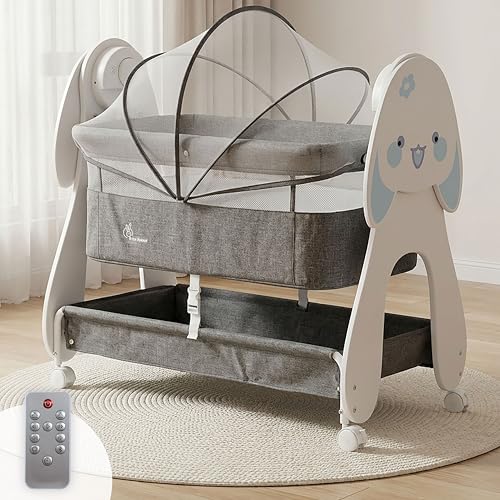
R for Rabbit Breathable Cot Mattress
- ✓ High-density breathable foam resists moisture retention
- ✓ Hypoallergenic and anti-microbial treated
- ✓ Fits standard Indian cot dimensions (71 x 140 cm)
* We earn a small commission — at no extra cost to you.

Mee Mee Cot Bedsheet Set (100% Cotton, 2-Pack)
- ✓ 100% cotton with high thread count
- ✓ Machine washable at 60°C
- ✓ Quick-dry fabric suitable for post-monsoon washing
* We earn a small commission — at no extra cost to you.
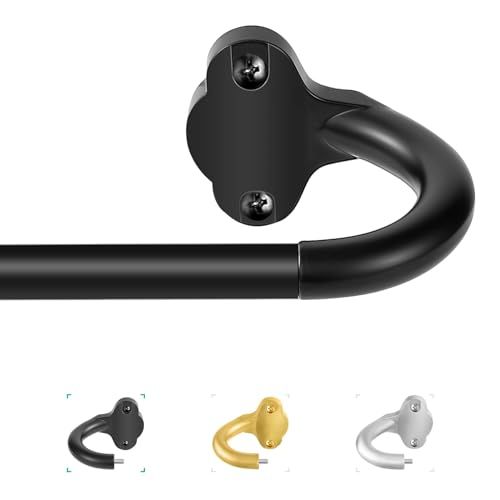
Cradlewise Blackout Curtain Rod Set
- ✓ 100% blackout polyester blocks 99% external light
- ✓ Moisture-resistant fabric resists mold and dampness
- ✓ Adjustable rod fits windows 100-200 cm wide
* We earn a small commission — at no extra cost to you.

Himalaya Herbal Baby Bath (200ml)
- ✓ Hypoallergenic formula listed on label
- ✓ Mild cleansing for post-monsoon skin recovery
- ✓ No parabens or synthetic fragrance disclosed on product label
* We earn a small commission — at no extra cost to you.