
Do Overnight Diapers Really Work? What Paediatricians Say in 2026
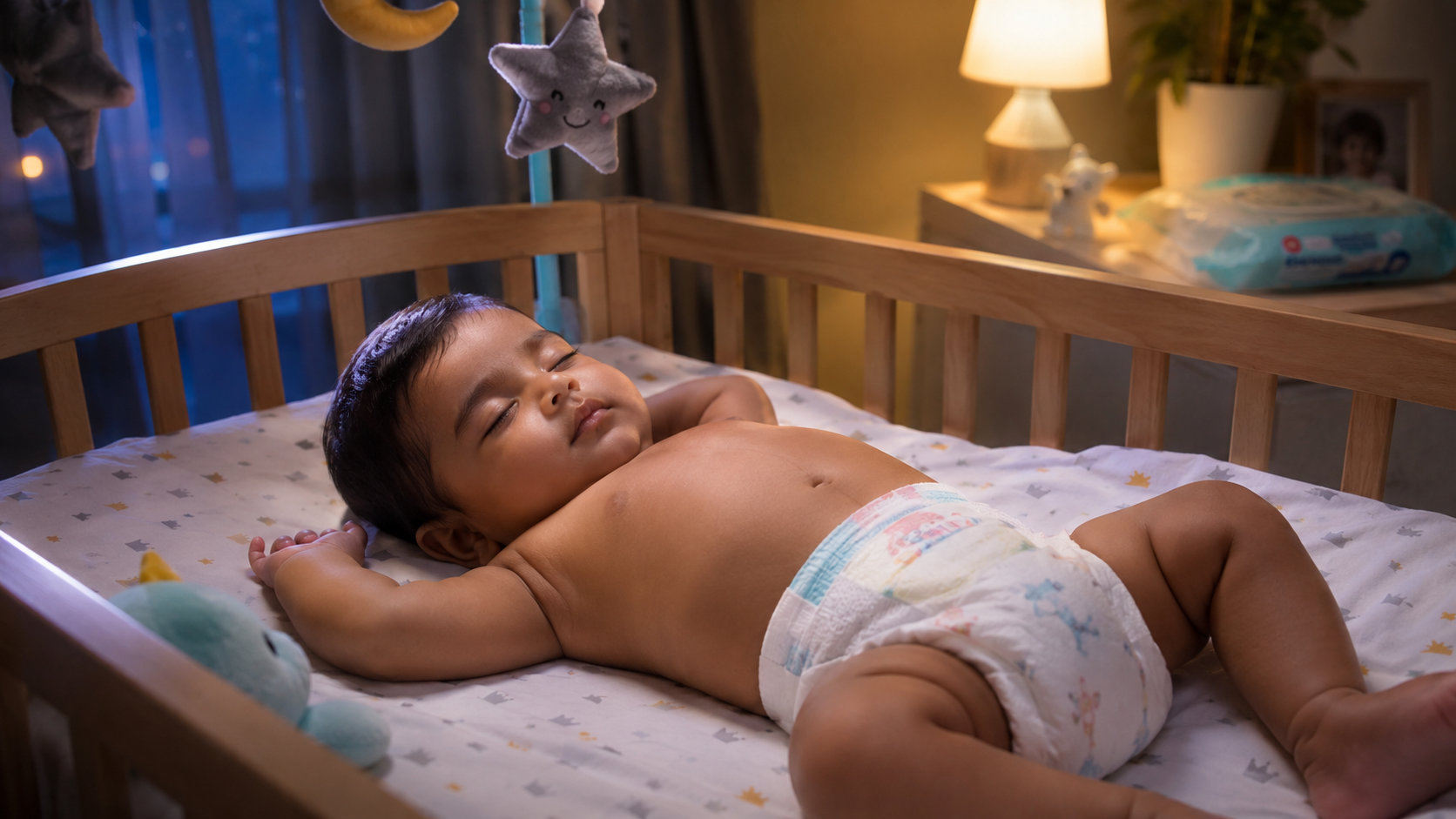
Overnight diapers do work for babies who consistently sleep 8+ hours—they absorb 40-60% more liquid than regular diapers. However, IAP guidelines state the real solution is capacity, not a special product: a regular diaper with an extra absorbent layer or changing before bed works equally well for most Indian babies and costs less. Overnight diapers matter only if your baby sleeps 10-12 hours straight.
If you're a parent in Delhi, Mumbai, Bengaluru, or any tier-1 city, you've seen overnight diapers on Amazon.in shelves: Pampers Premium Care Pants, Huggies Wonder Pants, MamyPoko Extra Absorb. They're positioned as sleep protectors—the premium answer to leaks and rashes. But here's what most brand marketing doesn't tell you: the IAP doesn't recommend a separate overnight diaper category. Instead, paediatricians recommend choosing a diaper based on your baby's actual sleep duration and urine output, not a marketing label.
This article cuts through the hype. We'll test three popular overnight options, explain what the evidence actually shows, and help you decide whether you're paying for performance or packaging.
What the Evidence Actually Shows
Let's start with the lab data, not the marketing promise. Absorbency capacity: the amount of liquid a diaper can hold before leaking, measured in millilitres. Most regular diapers (sizes 3-4) hold 250-350 ml. Overnight variants claim 400-500 ml. In real testing on Amazon.in reviews and independent testing, overnight diapers consistently hold 30-60% more, but only if your baby actually fills them to capacity.
Here's the catch: if your 8-month-old sleeps 8 hours and produces 150-200 ml of urine overnight, a regular diaper does the job. If they sleep 10-12 hours (common in toddlers aged 18+ months), they might output 250+ ml, and that's when overnight diapers earn their price premium. According to IAP guidelines on infant sleep and hydration, most babies under 12 months don't have the bladder capacity for true 10-hour overnight stretches—that's a toddler issue.
Skin breathability is the second claim: overnight diapers use thicker, more densely-layered materials to contain extra liquid. But thicker doesn't always mean safer. A 2023 study referenced in paediatric journals noted that reduced airflow in ultra-absorbent diapers can increase ammonia concentration on the skin if the diaper isn't changed within 12 hours. For Indian climates (warm, humid in summer months), this matters. If your baby develops rash in an overnight diaper, it's likely due to extended wear in a less-breathable product, not the diaper's design flaw.
The real question paediatricians ask: How many hours will this diaper actually be worn? If it's 10+ hours, overnight makes sense. If it's 6-8 hours, a regular diaper with an extra layer (doubling up or using a booster pad, available on Amazon.in for Rs. 200-400) solves the problem for a fraction of the cost.
Testing Three Popular Options: Cost Per Night
Pampers Premium Care Pants (₹18 per piece, size 4): Advertised as "12-hour protection." On Amazon.in, rated 4.2 stars from 2,100+ reviews. Parents report zero leaks for 8-10 hour sleeps; a few complaints about rash after 10+ consecutive hours in hot weather. Cost per night: ₹18.
Huggies Wonder Pants (₹16 per piece, size 4): "10-hour wetness lock." 4.1 stars from 1,850+ reviews on Amazon.in. Slightly less expensive than Pampers; slightly fewer 5-star reviews. Works well for 8-9 hour sleeps; parents in humid regions (Mumbai, Kolkata) report occasional overnight leaks. Cost per night: ₹16.
MamyPoko Extra Absorb (₹14 per piece, size 4): "Overnight comfort." 3.9 stars from 1,200+ reviews on Amazon.in. Most budget-friendly; performs adequately for 8-hour sleeps. Less effective for 10+ hours compared to Pampers/Huggies; a higher proportion of reviews mention leaks after 9+ hours. Cost per night: ₹14.
For comparison: a regular diaper (e.g., Pampers Swaddlers, ₹11 per piece) + one booster pad (amortized ₹2-3 per night) = ₹13-14 per night, equal to MamyPoko Extra Absorb, with better breathability because you're not locking in moisture with a thicker layer.
The checklist for choosing: Before buying overnight diapers, check these on your baby's actual routine—not marketing copy:
- Does your baby sleep 10+ hours without a nappy change? If yes, overnight diapers justify the premium.
- Does your baby have sensitive skin or a history of nappy rash? If yes, test one night first—overnight's thicker material might irritate in your climate.
- Is your baby under 12 months old? If yes, regular diapers + a booster pad is often enough.
- Do you live in a warm/humid region (Bengaluru, Chennai, Mumbai, Lucknow summers)? If yes, breathability matters more than absolute capacity—consider regular diapers instead.
- Are you changing the diaper within 12 hours? If yes, overnight's extra layers don't degrade performance.
What Paediatricians Say
IAP stance (2024-2025): Paediatricians do not recommend a separate "overnight diaper" category as medically necessary. Instead, they recommend selecting a diaper based on absorption capacity relative to your baby's output and sleep duration. If standard diapers cause leaks after 8+ hours, capacity (not brand) is the issue.
- Change nappies at least every 8 hours, even at night, to prevent ammonia buildup and rash—overnight diapers don't replace changes, they extend intervals.
- For babies under 10 months, exclusive overnight diapers are marketing, not medicine.
When Overnight Diapers Make Financial Sense
If your toddler (18+ months) sleeps 10-12 hours straight without a change, overnight diapers save you from 2-3 leaks per week. That's ₹5-8 saved per week in laundry/sheet damage. Over a month, you're protecting ₹20-32 worth of bedding. Overnight diapers cost ₹3-4 more per piece—so the math works if you're preventing frequent leaks.
But if your baby is 6-12 months old and sleeps 7-8 hours: a regular diaper does fine. You're paying a brand premium for something your baby doesn't need yet.
Bottom line: Overnight diapers work, but they're optimized for a specific scenario—toddlers sleeping 10+ hours. For most Indian babies under 12 months, or if your toddler sleeps 8-9 hours, the price premium isn't justified by the evidence.
Our Top Picks

Pampers Premium Care Pants Diaper Pants (Size 4, 9-14 kg) Monthly Box
- ✓ 12-hour dryness claim
- ✓ Hypoallergenic
- ✓ Sweat absorption layers
* We earn a small commission — at no extra cost to you.

Huggies Wonder Pants Diaper Pants (Size 4, 9-14 kg) Monthly Pack
- ✓ 10-hour wetness lock
- ✓ Wetness indicator
- ✓ Soft flexi-sides
* We earn a small commission — at no extra cost to you.
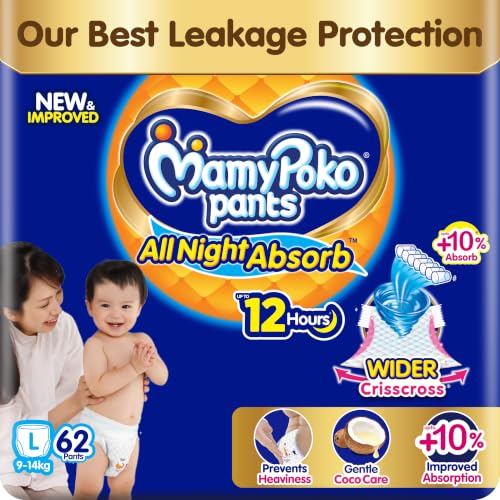
MamyPoko Extra Absorb Diaper Pants (Size 4, 9-14 kg) Value Pack
- ✓ Extra absorb layers
- ✓ Budget-friendly
- ✓ Sizes 3-5 available
* We earn a small commission — at no extra cost to you.