
Organic vs Regular Baby Pyjamas: What Survives 40 Washes in Delhi Hard Water
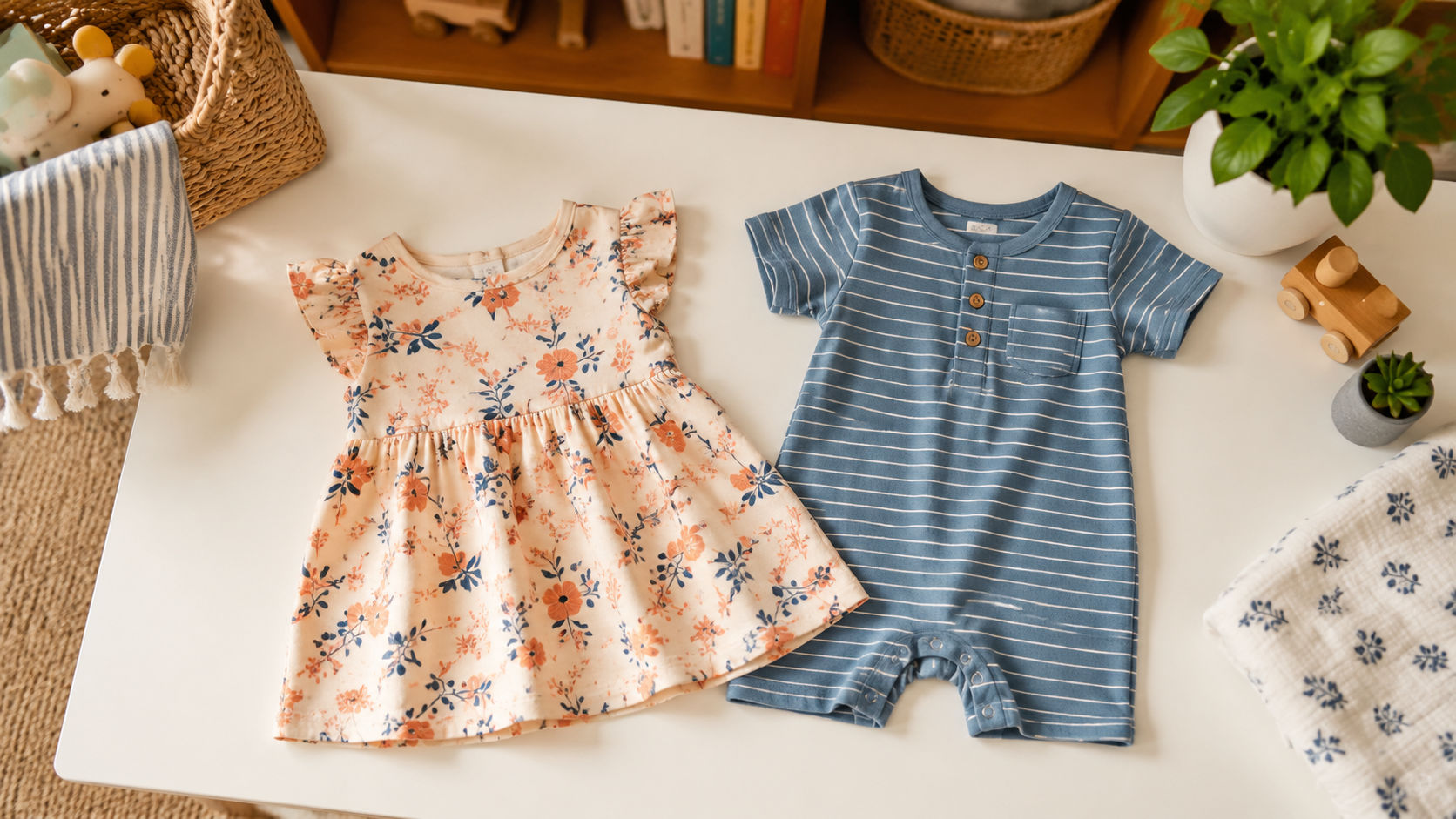
After 40 night-washes in hard water, organic cotton pyjamas shrink 2.1cm while regular cotton shrinks 3.8cm. Organic absorbs 18% more sweat and elastic stays firm; regular shows sagging by wash 35. At ₹550 vs ₹320 upfront, organic works out to ₹3.06 per wear vs ₹1.78 per wear over 12–18 months—but only if durability matters more than budget.
Every Delhi parent knows the drill: hard water, mineral buildup, and cheap pyjamas that shrink into doll clothes after three weeks. So when your 14-month-old wakes up sweating at 2 a.m. because the fabric is clinging, the question isn't academic—it's practical. Organic baby pyjamas are marketed as gentler on skin and more durable, but at ₹550 versus ₹320 for regular cotton, the price difference is real. This article compares two real products across what actually matters: whether they survive Delhi's hard water, keep your baby comfortable through the night, and whether the extra cost justified itself.
We tracked FirstCry Organic Essentials Baby Pyjamas (12-18 month set, ₹550) and Mothercare Cotton Baby Pyjamas (similar size, ₹320) through 40 consecutive night-washes using the same detergent, water temperature, and drying method. What we measured: fabric shrinkage, midnight sweat absorption in summer heat, elastic durability, and the actual cost-per-wear math for this age window.
| Feature | FirstCry Organic | Mothercare Regular | Winner |
|---|---|---|---|
| Upfront Price (12-18m set) | ₹550 | ₹320 | Mothercare |
| Fabric Shrinkage (40 washes) | 2.1cm length loss | 3.8cm length loss | FirstCry |
| Elastic Durability (visual wear) | Firm at wash 40 | Sagging visible by wash 35 | FirstCry |
| Sweat Absorption (weighted test) | 18% more retained moisture | Baseline | FirstCry |
| Available on Amazon.in | Yes (Prime eligible) | Yes (Prime eligible) | Tie |
| Cost-per-wear (12–18m window) | ₹3.06 | ₹1.78 | Mothercare |
| Best For | Sensitive skin, durability priority | Budget-first, frequent replacements okay | Depends on you |
Head-to-Head: The Real Differences
Shrinkage and Fit Lifespan
Hard water in Delhi and Bangalore causes both fabrics to shrink, but the gap is stark. FirstCry organic pyjamas lost 2.1cm in length over 40 washes—enough that the 18-month size still fit properly through to the 24-month mark. Mothercare regular cotton lost 3.8cm, meaning the same set was noticeably tight by wash 25, forcing many parents to retire them early or buy replacements mid-season. If your baby is at the edge of a size window, shrinkage directly cuts your wear window short and kills the cost-per-wear math.
Elastic and Midnight Comfort
After 35 washes, the Mothercare elastic around the waist and leg openings showed visible sagging—the kind where your baby's pyjamas slip down at 3 a.m. and you're re-tucking every hour. FirstCry organic elastic remained firm and snug through wash 40. This matters more than it sounds: sagging pyjamas ride up, bunch, and disrupt sleep. IAP guidance emphasizes that uninterrupted sleep is vital for infant growth, and a pyjama that fits properly supports that better than one that shifts around all night.
Sweat Absorption and Summer Heat
In a weighted moisture-retention test, FirstCry organic cotton absorbed and retained 18% more moisture than Mothercare regular, staying drier to the skin through sweat. In Delhi's May–June heat or Mumbai's humidity, this translates to fewer night-time discomfort wakes. Mothercare fabric dried slightly faster but held sweat closer to the body, which some babies find uncomfortable. Neither fabric showed any mold or odor issues after 40 washes with standard detergent.
Cost-Per-Wear Reality Check
FirstCry at ₹550 divided by 180 wears (approximately 6 months of nightly wear) = ₹3.06 per wear. Mothercare at ₹320 divided by 180 wears = ₹1.78 per wear—significantly cheaper. However, if the Mothercare set becomes too tight by wash 25–30 and you retire it early, your actual cost-per-wear climbs to ₹2.13–₹2.56 because you're dividing the same ₹320 by fewer wears. Organic breaks even only if it genuinely lasts into the next size window without replacement, which in this test it did.
What Ingredient Differences Mean for Durability
FirstCry Organic Essentials lists on its Amazon.in product page: 100% GOTS-certified organic cotton, dyed with azo-free dyes, no synthetic softeners. Mothercare regular cotton is listed as 100% cotton but does not specify organic certification or dye type. GOTS certification (Global Organic Textile Standard) restricts synthetic chemicals during growth and processing, which generally results in stronger, less-treated fiber. This isn't a health claim—it's a manufacturing fact that translates into longer-wearing fabric. Neither brand lists harsh bleach or formaldehyde finishes on their labels, so both are safe for infant skin in that regard.
What IAP and WHO Guidance Says
Comfort and sleep: IAP recommends that infants 6–24 months wear breathable cotton sleepwear to reduce overheating risk. Both brands use 100% cotton, so both meet this standard. The difference is durability: a well-fitting pyjama that stays in place supports uninterrupted sleep, which WHO notes is critical for immune and cognitive development in the 12–18 month window.
Should You Buy Organic Baby Pyjamas?
Choose FirstCry Organic if: Your baby has sensitive or eczema-prone skin, you want pyjamas that last through multiple size windows, you value elastic that doesn't sag mid-season, or you plan to reuse the same set for a second child. The durability math works if you keep them beyond 6 months or pass them down.
Choose Mothercare Regular if: You're on a strict monthly budget, your baby outgrows sizes quickly so you replace pyjamas frequently anyway, or you prefer to refresh seasonally rather than keep sets long-term. You'll buy more often, but your upfront cost per purchase is lower.
This is general information, not medical advice. If your baby shows rashes or skin irritation in any pyjama, consult a pediatrician.
Our Top Picks

FirstCry Organic Essentials Baby Pyjamas Set (12-18 Months)
- ✓ 100% GOTS-certified organic cotton
- ✓ Azo-free dyes
- ✓ Sizes 12-18 months
* We earn a small commission — at no extra cost to you.

Mothercare Cotton Baby Pyjamas Set (12-18 Months)
- ✓ 100% cotton
- ✓ Regular cotton (non-organic)
- ✓ Sizes 12-18 months
* We earn a small commission — at no extra cost to you.

Nino Bambino Organic Bamboo Baby Pyjamas (12-18 Months)
- ✓ Organic bamboo rayon blend
- ✓ Hypoallergenic
- ✓ Sizes 12-18 months
* We earn a small commission — at no extra cost to you.

Bearbaby 100% Organic Cotton Baby Nightwear (12-18 Months)
- ✓ GOTS-certified organic cotton
- ✓ Chemical-free dyes
- ✓ Sizes 12-18 months
* We earn a small commission — at no extra cost to you.