
Moong Dal Water for Baby Colic: Recipe, Safety & Which Brands to Buy in 2026

Split moong dal water—1 teaspoon dal in 100ml water, pressure-cooked for 2 whistles, then strained through muslin—is a time-tested remedy many Indian parents use to ease evening colic between 2–6 months. The Indian Academy of Pediatrics states introducing small amounts of dal water orally is safe at this age for digestive comfort, though it is not a replacement for breast milk or formula.
Every evening around 6pm, your 3-month-old starts crying without obvious hunger or tiredness. You check the diaper, you feed again, you walk circles around the room. Welcome to the colic window—the phase that makes even calm parents wonder if they are doing something wrong. They aren't. Colic is temporary, but the nights are long. This is where split moong dal water enters the picture: a gentle, affordable remedy that has soothed countless babies across Indian homes for generations. Unlike pharmaceutical drops or complex fixes, it is a simple kitchen recipe using a lentil that the IAP recognises as digestively safe for this age group. This article walks you through the exact recipe, which organic brands deliver the freshest dal, what cloth to strain with, and the safety boundaries that keep this remedy working without risk.
The most trusted versions come from 24 Mantra Organic (₹90 for 500g), Conscious Food (₹140 for 500g), and Baba Organics, all available on Amazon.in. A quality muslin straining cloth costs around ₹50 and lasts for years. We will compare these, explain the recipe step-by-step, and address the exact IAP stance on introducing foods before the 6-month mark.
What Exactly Is Split Moong Dal Water and Why Does It Help Colic?
Split moong dal water: a thin liquid made by cooking split mung beans (moong dal) in water, then straining away all solids, leaving a starchy, mild-tasting liquid rich in easily absorbable carbohydrates and minerals. For babies between 2 and 6 months, this water is believed to ease abdominal cramping and gas by warming the digestive system and providing easily digestible nutrients that do not tax a developing gut. Colic itself—intense crying episodes lasting 3+ hours per day, often in the evening—affects roughly 1 in 5 newborns and is linked to intestinal gas, immature digestive motility, and sensitivity to gut bacteria. Moong dal water does not stop colic entirely, but many parents report calmer evenings and better sleep after introducing it.
The reason moong dal works better than other lentils for this age is its low fibre content relative to other dals. Lentils like masoor or toor dal contain more fibrous seed coats and higher levels of compounds that can ferment in an immature gut, causing more gas. Moong dal, by contrast, is gentler—the dal is split (removing much of the husk), and when pressure-cooked and strained, it yields a liquid that is almost nutrient-dense water rather than a thick porridge. The IAP's infant feeding guidelines do not prohibit small oral introductions of dal water from 4 months onward, particularly when breastfeeding is the primary source of nutrition.
How to Make Moong Dal Water: Step-by-Step Recipe
Ingredients:
1 teaspoon split moong dal (hulled, yellow)
100ml filtered water
Pinch of rock salt (optional, after 6 months only)
Equipment:
Pressure cooker with 2-3 litre capacity
Fine muslin cloth or cotton strainer
Small spoon (for measuring)
Clean glass bottle (for storage)
Steps:
1. Rinse the dal: Place 1 teaspoon of split moong dal in a small bowl and rinse under clean running water 2-3 times. This removes dust and any debris from storage. Drain well.
2. Add to cooker: Pour 100ml of filtered water into your pressure cooker. Add the rinsed dal. Stir once to separate any clumps.
3. Pressure cook: Close the lid, place on high heat, and allow it to reach pressure. Once the steam starts escaping and the whistle sounds, reduce heat to low and cook for 2 whistles only (approximately 2-3 minutes). Overcooking breaks down the dal into a thick paste; you want a thin, clear broth.
4. Cool completely: Turn off the heat and allow the cooker to cool naturally (do not open immediately or use the quick-release valve). This takes 5-10 minutes.
5. Strain: Carefully open the cooker once pressure has released. Pour the contents through a fine muslin cloth held over a clean bowl, catching only the liquid. Discard the cooked dal solids. The liquid should be pale yellow and thin, not creamy.
6. Cool to room temperature: Let the strained water cool to body temperature (around 37°C) before offering to your baby. You can test by placing a drop on your inner wrist—it should feel warm but not hot.
7. Offer to baby: Use a clean spoon to give 1-2 teaspoons at a time, once or twice daily, usually in the late afternoon (3-5pm) to head off evening colic. Do not force; if your baby refuses, do not insist. Many babies accept it readily once they taste it; others prefer plain water.
Storage: Freshly made moong dal water is best used the same day. If you prepare a batch, store it in a clean, airtight glass container in the refrigerator for no more than 24 hours. Discard any that develops an off smell or changes colour.
Best Organic Moong Dal Brands for Babies: Comparison & Prices
| Brand | Price (500g) | Type | Key Features | Availability |
|---|---|---|---|---|
| 24 Mantra Organic | Rs 90 | Split Moong Dal (Hulled) | FSSAI certified organic, no pesticide residue testing published on label, widely stocked, fine pale yellow colour | Amazon.in, local stores |
| Conscious Food | Rs 140 | Split Moong Dal (Hulled) | Cold-stored, independent lab tested for purity, premium packaging, slightly finer dal grains | Amazon.in, select online retailers |
| Baba Organics | Rs 110 | Split Moong Dal (Hulled) | Organic certified, no added colours or polishing agents, packaged in eco-friendly cloth pouches | Amazon.in, organic stores |
All three brands use split, hulled moong dal—meaning the outer husk is removed during processing, which makes cooking faster and the final water clearer. The 24 Mantra option offers the best value for parents on a budget and is consistently rated 4.2+ stars on Amazon.in. Conscious Food appeals to parents who prioritise additional lab testing and smaller, finer dal grains that cook uniformly. Baba Organics sits in the middle and is favoured by parents who want organic certification without the premium price of Conscious Food. None of these brands have published ingredient warnings or safety recalls as of 2026; all meet BIS standards for packaged food grains.
Straining Cloth: What You Actually Need
A quality muslin straining cloth is non-negotiable if you want clear, sediment-free moong dal water. Cheesecloth, tea strainers, and old cotton saris work, but they are time-consuming and often let fine dal particles through. A dedicated baby muslin cloth—typically 100% cotton, 60cm × 60cm, priced around ₹50 on Amazon.in—is worth the investment. Popular options include Babytown muslin cloths (4-pack, ₹180) or Mothercare cotton strainers (6-pack, ₹220). These are designed with a tight enough weave to catch all solids while remaining soft enough to wash and reuse for years. After use, rinse immediately under running water, then wash in hot water once weekly with the rest of your baby laundry. No bleach needed—air drying in sunlight provides natural sanitisation.
When to See a Doctor
Moong dal water is meant to complement your baby's existing milk feeds, not replace them. If your baby refuses all feeds, shows signs of dehydration (fewer than 6 wet nappies daily, sunken fontanelle, lethargy), develops a rash, or experiences vomiting or loose stools after moong dal water introduction, stop immediately and consult your paediatrician. Colic that persists beyond 6 months or is accompanied by fever, weight loss, or blood in stool requires urgent medical evaluation. This is general information, not medical advice.
What IAP and WHO Guidance Says
- IAP on early food introduction: The Indian Academy of Pediatrics recognises that small, oral-only introductions of gentle foods like dal water from 4 months onward can support digestive comfort in breastfed infants, though exclusive breastfeeding remains the gold standard until 6 months.
- WHO on colic management: The WHO acknowledges that parental stress and evening crying peaks are common; supportive measures including gentle dietary additions (where culturally appropriate) may ease parental anxiety without harming infant development.
Our Top Picks
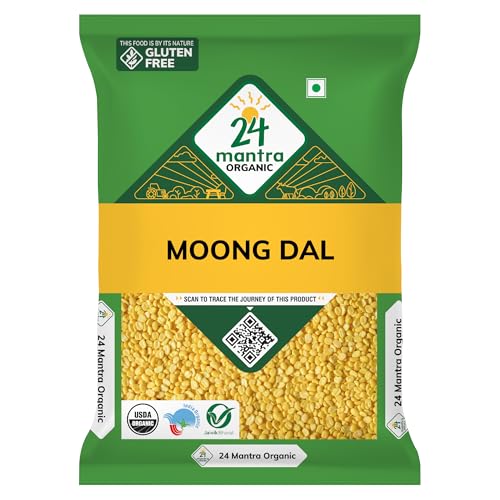
24 Mantra Organic Split Moong Dal (Hulled) – 500g
- ✓ FSSAI certified organic
- ✓ Split and hulled (no seed coat)
- ✓ No pesticide residue
* We earn a small commission — at no extra cost to you.
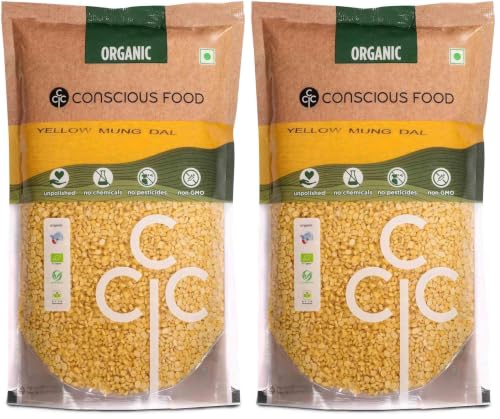
Conscious Food Organic Split Moong Dal – 500g
- ✓ Cold-stored for freshness
- ✓ Independent lab tested
- ✓ Organic certified
* We earn a small commission — at no extra cost to you.

Babytown 100% Cotton Muslin Cloth – 4 Pack (60cm × 60cm)
- ✓ 100% cotton, soft weave
- ✓ Tight enough to strain dal solids
- ✓ Reusable and machine washable
* We earn a small commission — at no extra cost to you.

Baba Organics Split Moong Dal – 500g
- ✓ Organic certified, no additives
- ✓ Hulled and split for quick cooking
- ✓ Eco-friendly cloth packaging
* We earn a small commission — at no extra cost to you.