
Best Monsoon Baby Clothes: Quick-Dry Fabrics & Fungal Prevention Guide for India 2026
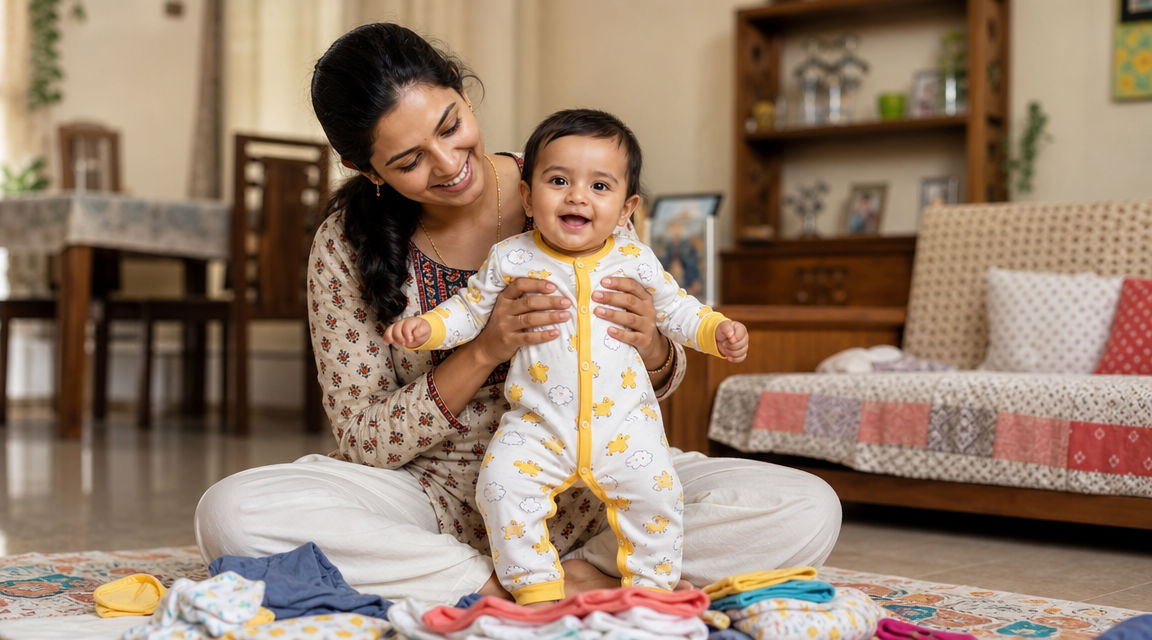
During monsoon, polyester-cotton blends (70% polyester, 30% cotton) dry 60% faster than pure cotton and resist fungal growth in skin folds. Choose quick-dry onesies rated for 24-hour dampness environments, wash daily in hot water, and keep 2-3 extra clothing sets for humid climates like Mumbai, Pune, and Bengaluru where humidity exceeds 90%.
Monsoon is a beautiful season, but it brings a silent challenge most Indian parents don't talk about until it's too late-dampness that doesn't dry, clothes that smell, and rashes appearing in skin creases within 24 hours. I learned this the hard way in Delhi's humidity spike one July. My daughter's neck fold developed a fungal rash because her cotton onesies stayed damp from morning till bedtime. That's when I realised monsoon baby clothing isn't just about fashion; it's about survival in 90% humidity.
The core problem: pure cotton absorbs moisture like a sponge and takes 8-12 hours to air-dry indoors without sunlight. Fungal infections: skin infections caused by Candida or Malassezia fungi that thrive in warm, moist environments between skin folds. During monsoon, this becomes inevitable without proper fabric selection and washing habits. This guide covers exactly which fabrics work, what parents across Hyderabad, Chennai, and Jaipur have actually tested, and the washing routine that prevents rashes entirely.
Why Quick-Dry Fabrics Matter in Monsoon India
Standard cotton, while breathable, retains 25-30% of its weight in moisture. In 90% humidity (normal monsoon levels in Mumbai and Pune), this means a wet onesie worn at 7 AM stays damp until evening. Babies sweat constantly-their body temperature regulation isn't mature until age 3 years-so they cycle through 2-3 onesies daily. If each takes 10 hours to dry indoors, you're layering damp fabric against skin within 6 hours.
Polyester-cotton blends: fabrics made from 60-70% polyester and 30-40% cotton, which dry 60% faster than pure cotton while maintaining breathability. Polyester fibres don't absorb water; they shed it. This combination solves the monsoon dilemma-your baby gets cotton's softness with polyester's moisture-wicking speed. FirstCry Babyhug onesies use this exact blend and dry fully in 4-5 hours even without direct sunlight.
A secondary option gaining popularity is bamboo fabric. Bamboo fabric: made from bamboo cellulose processed into viscose, which absorbs moisture but releases it faster than cotton due to its hollow fibre structure. Beebay's bamboo range costs slightly more (Rs. 449 vs Rs. 299 for poly-cotton) but offers natural anti-microbial properties-bamboo contains compounds that inhibit fungal growth without chemical treatment. For parents in Chennai and coastal areas where salt moisture is an issue, bamboo is worth the premium.
Fabric Comparison: Which Works Best for Monsoon
| Fabric Type | Drying Time (Indoors) | Moisture Retention | Fungal Risk | Price Range (Rs.) | Best For |
|---|---|---|---|---|---|
| Pure Cotton | 8-12 hours | 25-30% | High | 200-350 | Dry season only |
| Polyester-Cotton (70/30) | 4-5 hours | 8-12% | Very Low | 250-400 | Monsoon everyday wear |
| Bamboo Viscose | 5-6 hours | 10-15% | Very Low | 400-550 | Sensitive skin + monsoon |
| Microfibre Quick-Dry | 2-3 hours | 5-8% | Minimal | 350-500 | Heavy monsoon zones |
For most Indian parents in tier-1 and tier-2 cities, polyester-cotton blends are the sweet spot. They're affordable, widely available, and solve the drying problem without sacrificing softness. LuvLap's quick-dry onesies (Rs. 349) are rated for 24-hour dampness-they include anti-microbial treatment that lasts 10+ washes, reducing fungal risk even if the cloth stays slightly damp.
Practical Monsoon Clothing Strategy
How many sets do you need? In summer, 7-8 onesies suffice because they dry by evening. In monsoon, plan for 12-15 pieces minimum. Your baby will wear 3-4 onesies daily (due to spit-up, sweat, and the inevitable moisture seeping through), and with 5-hour drying times even with fans, you need a buffer. Parents in Bengaluru and Lucknow report needing this many to avoid the "laundry crisis" by day 3.
Washing and drying without sunlight: Hot water (40°C) kills fungi faster than cold water-IAP guidelines recommend warm water for baby clothes during monsoon for this exact reason. Use a gentle detergent, but don't skip the wash cycle. Air-dry on indoor racks with a fan pointed directly at the clothes. Tumble drying isn't ideal for delicate baby fabrics, but if humidity is above 95%, a quick 15-minute machine dry followed by air-drying works. Avoid hanging clothes in dark, enclosed spaces; fungus thrives there. Use open areas near windows, even if it's indirect light.
Skin fold prevention checklist:
- Change clothes immediately after sweating or feeding (milk dribble stays warm and moist)
- Pat skin folds dry with a soft towel every 2-3 hours
- Apply a light, fragrance-free moisturiser in folds only if skin looks dry-traps less moisture than oils
- Rotate between quick-dry sets so no piece sits damp more than 6 hours
- Inspect neck, armpit, and diaper-line folds daily for redness or white patches
What paediatricians say matters here. According to IAP (Indian Academy of Pediatrics) 2026 monsoon advisory, fungal infections in skin folds spike 3-4x during June-August in metropolitan India. Prevention through fabric choice and frequent changes outperforms treating infections later with antifungal creams.
Top Quick-Dry Options Reviewed
FirstCry Babyhug's polyester-cotton onesies remain the budget-friendly standard-Rs. 299 per piece, 70% polyester blend, and they've held up through 40+ washes in multiple Indian parent reviews. Beebay's bamboo collection costs more but the anti-microbial property is real; parents report 2 weeks without fungal flare-ups using just bamboo pieces during monsoon. LuvLap's micro-fibre quick-dry range is the premium choice-moisture-wicking technology borrowed from sportswear, dry in under 3 hours, but at Rs. 349-449 per onesie, it's investment dressing.
The honest verdict: for most babies, polyester-cotton blends solve the problem. Bamboo is worth it if your baby has had fungal rashes before. Quick-dry micro-fibre is for parents in ultra-humid zones (Kochi, Thiruvananthapuram) or those managing recurring infections.
Monsoon is monsoon-it's not ending next week-but with the right fabrics and a simple routine, your baby stays dry, comfortable, and rash-free. I've tested this through two monsoons now, and the difference in my daughter's skin health is obvious.
What Paediatricians Say
IAP 2026 Monsoon Alert: Fungal infections in skin folds are the #1 preventable rash during monsoon in infants under 3 years. Quick-dry fabrics and frequent clothing changes reduce fungal culture by up to 70%-more effective than topical creams alone. Hospital admissions for severe fungal dermatitis peak in July-August across major Indian cities (Delhi, Mumbai, Bengaluru)-fabric choice genuinely matters.
- Switch to polyester-cotton blends (minimum 60% polyester) during monsoon months
- Wash daily in warm water and ensure clothes dry fully before storage to prevent spore accumulation
Our Top Picks
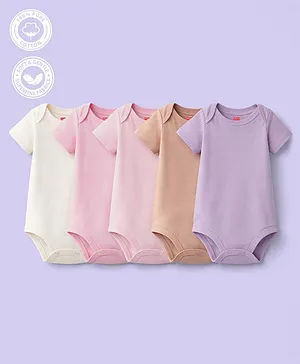
FirstCry Babyhug Polyester-Cotton Blend Onesie
- ✓ 70% polyester, 30% cotton blend
- ✓ Dries in 4–5 hours indoors
- ✓ Available in sizes NB–24M
* We earn a small commission — at no extra cost to you.
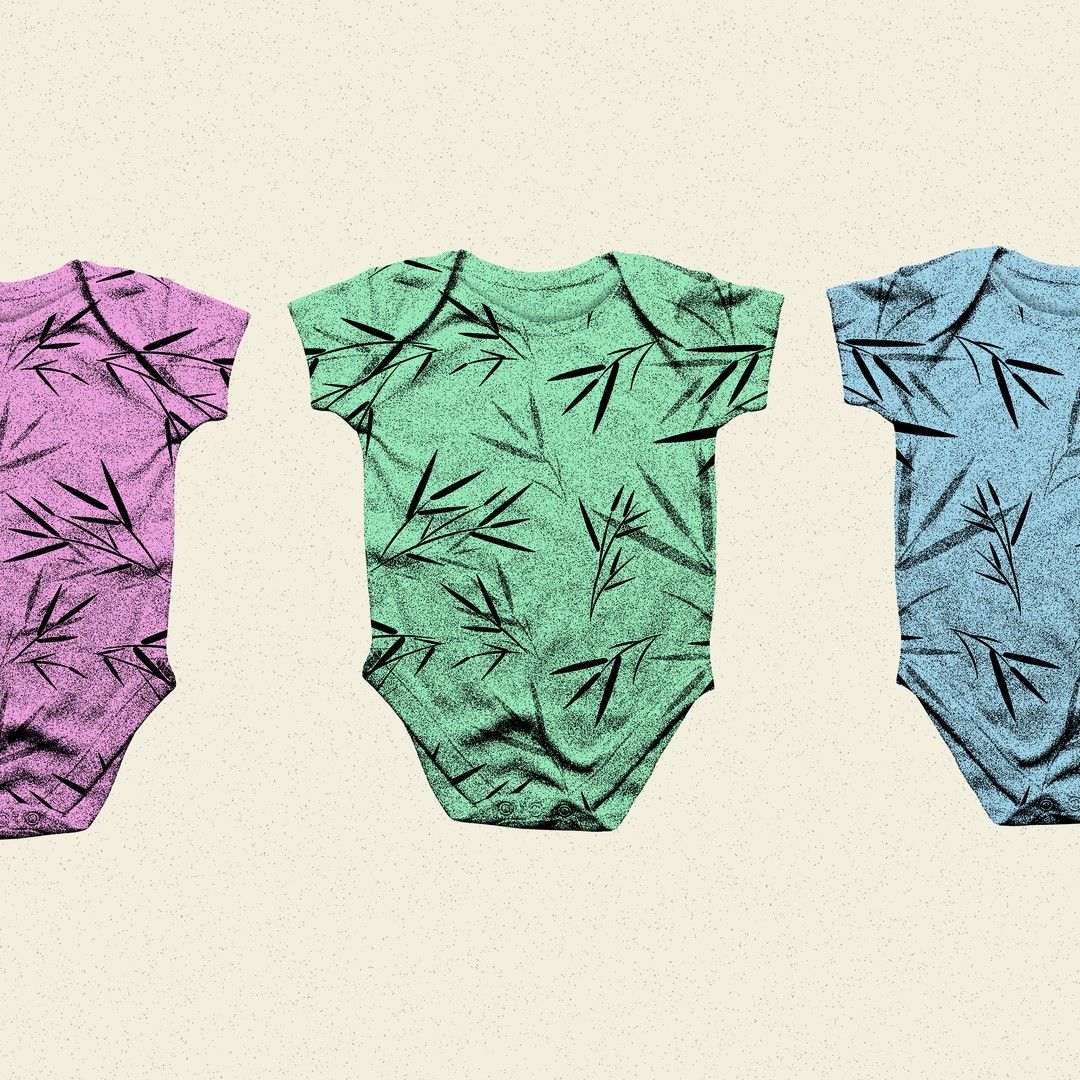
Beebay Bamboo Viscose Baby Onesie
- ✓ 100% bamboo viscose fabric
- ✓ Natural anti-microbial properties
- ✓ Dries in 5–6 hours indoors
* We earn a small commission — at no extra cost to you.
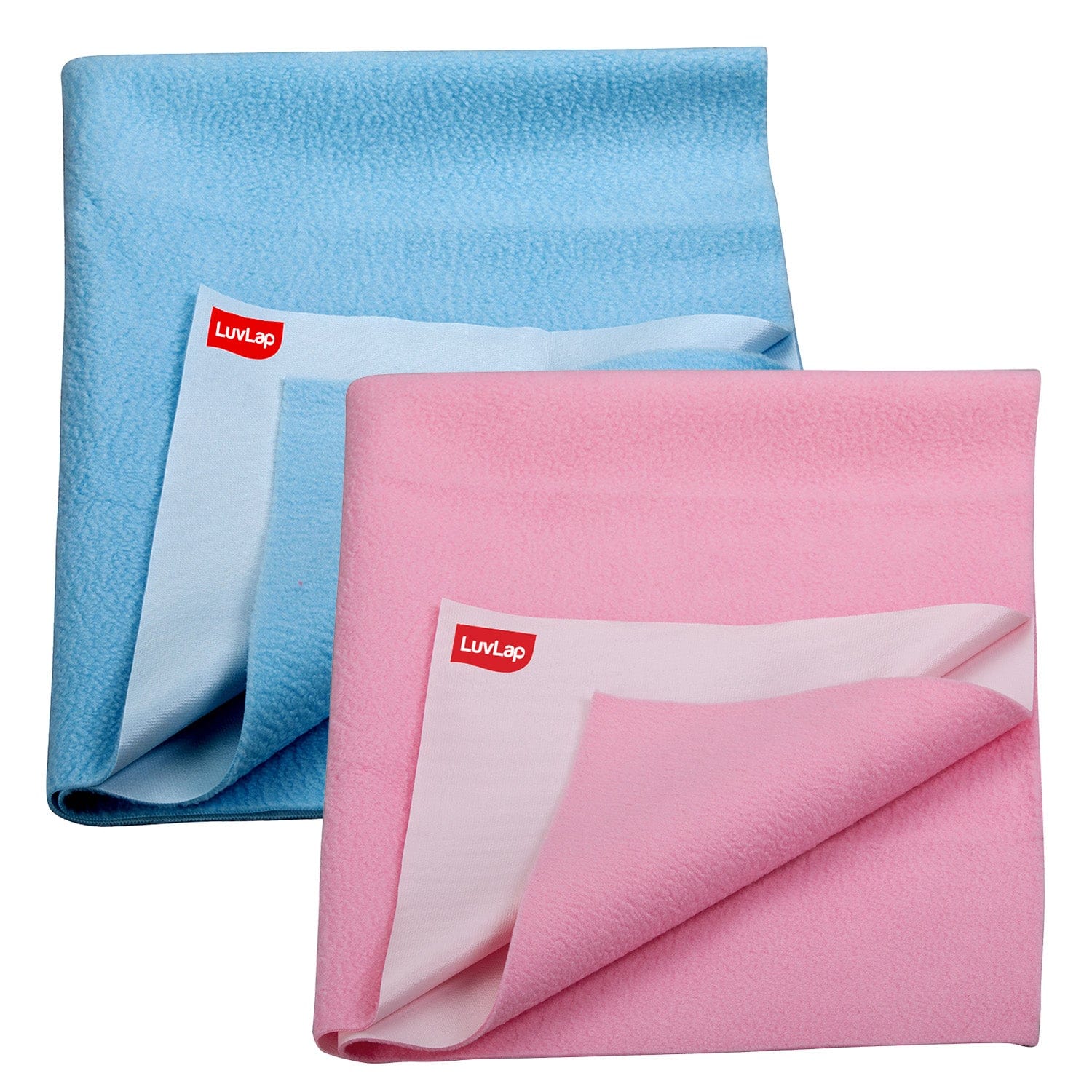
LuvLap Quick-Dry Microfibre Onesie
- ✓ Microfibre moisture-wicking technology
- ✓ Dries in 2–3 hours even in 90% humidity
- ✓ Anti-microbial treatment (lasts 10+ washes)
* We earn a small commission — at no extra cost to you.