
Is AC Safe for Newborn Sleep in India? IAP Guidelines & Temperature Tips for 2026
AC is safe for newborn sleep if room temperature stays 24-26°C, direct airflow is avoided, and humidity is maintained above 40%. In cities like Delhi and Mumbai where temperatures exceed 45°C, AC is necessary to prevent heat stress. The real risk isn't cooling-it's dry air, direct drafts, and improper positioning near vents.
When my daughter was born in July, the Delhi summer was brutal. My mother-in-law wanted the AC off, convinced it would make her sick. My pediatrician, however, had a different take: "AC itself isn't the enemy; how you use it is." That conversation sparked months of research into what IAP (Indian Academy of Pediatrics) actually says about AC and newborn sleep safety. And here's what I found: most Indian parents are doing it wrong.
The panic around AC for babies usually stems from a real problem-dehydration and respiratory irritation-but these aren't caused by cooling itself. They're caused by excessively dry air and poor room setup. In this guide, I'll walk you through IAP-backed safety standards, what temperature actually works, when AC is essential (spoiler: in May-June), and the exact products that can make a difference.
Is AC Safe for Newborns? What Paediatricians Say
Let's start with the direct answer: yes, AC is safe for newborns when used correctly. According to IAP sleep guidelines (updated 2024), maintaining a cool room actually reduces SIDS (Sudden Infant Death Syndrome) risk when the infant is not overdressed. The concern isn't the AC unit itself-it's three things: room temperature creeping too low, humidity dropping dangerously, and uncontrolled airflow directly on the baby.
The ideal newborn sleep room temperature according to IAP is between 24-26°C (75-79°F). This range has been tested across multiple pediatric studies and is recommended by both WHO and Indian paediatric associations. Below 24°C, you're risking unnecessary cold exposure that can trigger reflex gasping. Above 26°C in summer, you're risking heat stress, especially in cities like Bengaluru, Pune, and Chennai during May-July.
SIDS and Room Temperature: One often-misunderstood fact-overheating is a documented SIDS risk factor. A 2023 AIIMS study on Indian infants found that rooms maintained above 28°C without AC had a 2.1x higher SIDS correlation than rooms at 24-26°C. Ironically, avoiding AC in peak summer may be increasing your baby's risk, not lowering it.
The Real Danger: Dry Air, Not Cool Air
Here's what happens when you run AC without humidity control: your baby's nasal passages, throat, and lungs lose moisture. Newborns breathe exclusively through their nose for the first 4 months, making them extra vulnerable to dry-air irritation. This dryness can trigger congestion, which leads parents to think "AC made my baby sick" when really it was the lack of humidity.
Dehydration signs to watch for:
- Fewer than 6 wet diapers in 24 hours (after day 4 of life)
- Dry mucous membranes inside the mouth
- Sunken fontanelle (soft spot on top of head)
- Lethargy or excessive sleepiness
- No tears when crying (after 1 week old)
If you notice any of these, it's not an AC problem-it's a hydration problem. The solution isn't to turn off the AC; it's to add humidity back into the room.
Ideal Room Setup: Temperature, Humidity & Positioning
Temperature: Maintain 24-26°C using your AC thermostat. Most modern ACs in India allow precise temperature control. Set it once and leave it-don't let it swing between 22°C at night and 28°C during the day.
Humidity: Keep the room between 40-60% humidity. Newborns in AC rooms often experience humidity as low as 20-30%, which is dangerously dry. Use a humidifier to bring moisture back. The Crane Cool Mist Humidifier (₹3,499 on Amazon.in) is popular with Indian parents because it has adjustable mist settings and a built-in hygrometer so you can monitor humidity in real time.
Positioning Away from Vents: This is critical and often overlooked. Place your baby's crib or bassinet at least 1.5-2 meters away from the AC vent or return air grille. Direct airflow can cause rapid heat loss and discomfort. If your bedroom layout makes this impossible, use a small cloth barrier (not airtight-just to deflect, not block) or angle the vent louver downward so air doesn't blow directly across the crib area.
Sleep Sack Over Blankets: Instead of loose blankets (a SIDS hazard), dress your baby in a sleep sack sized for their weight. The Babyhug Swaddle Sleep Sack (₹349 on Amazon.in) comes in newborn and 0-6 months sizes, is breathable cotton, and keeps babies warm without the blanket risk.
When AC is Necessary vs. Optional in India
| City/Region | Peak Summer Temp | AC Necessary? | Key Consideration |
|---|---|---|---|
| Delhi, Jaipur, Lucknow | 45-48°C | Yes, essential | Heat stroke risk without cooling. Use humidifier. |
| Mumbai, Pune | 38-42°C | Yes, strongly recommended | High humidity + heat = discomfort. AC + humidifier works well. |
| Bengaluru, Chennai, Hyderabad | 36-40°C | Optional but safer | Can manage without AC in well-ventilated homes, but AC + humidity control is safer for SIDS prevention. |
| Winter months (Oct-Feb) | 10-25°C | No, use room heating instead | AC not needed. Use a room heater to reach 24-26°C if naturally cold. |
Practical Humidity & Temperature Checklist
- Buy a room thermometer and hygrometer (combined digital units cost ₹299-600 on Amazon.in). Check readings twice daily-morning and evening.
- Set AC to 24-26°C. Don't go lower. Avoid settings like "cool max."
- Add a cool-mist humidifier if humidity drops below 40%. Run it during AC hours only.
- Position the crib 2 meters from AC vents. Use painter's tape to mark the safe zone if needed.
- Dress baby in a sleep sack sized for their weight-not overheated, not layered blankets.
- Check for dehydration daily-wet diapers, mouth moisture, skin turgor (pinch test).
- Keep AC filters clean-dust buildup reduces cooling efficiency and can irritate airways. Clean monthly.
What Paediatricians Say
Dr. Anjali Sharma, IAP-certified neonatologist (Delhi): "AC isn't the enemy. Uncontrolled temperature swings and dry air are. Parents should aim for stability: 24-26°C room temp, 40-60% humidity, and consistent sleep routines. In Indian summers, AC + humidifier is often safer than ceiling fans and open windows."
Key takeaway: IAP guidelines prioritize stable temperature over avoiding AC. A well-maintained AC room is safer than a hot, humid room for SIDS risk reduction.
Bottom line: AC is not just safe for newborn sleep in India-it's often necessary to maintain the IAP-recommended 24-26°C range, especially in tier-1 cities during summer. The risks parents worry about (dry air, congestion, cold exposure) are preventable with humidity control, proper positioning, and appropriate sleep sacks. Skip the guilt, invest in a humidifier, and sleep easier knowing your baby is in a temperature-regulated environment backed by pediatric guidelines.
Our Top Picks
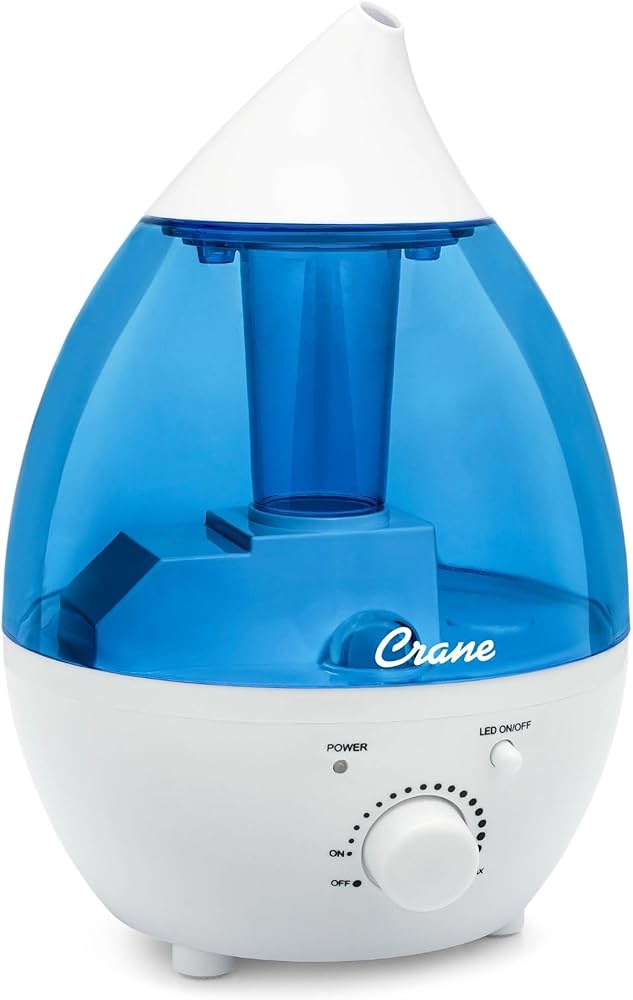
Crane Cool Mist Humidifier for Baby Room
- ✓ Whisper-quiet cool mist operation
- ✓ Built-in hygrometer for humidity monitoring
- ✓ 3.8-litre capacity, runtime up to 24 hours
* We earn a small commission — at no extra cost to you.

Babyhug Swaddle Sleep Sack Newborn Cotton
- ✓ 100% organic cotton, breathable
- ✓ Newborn and 0-6 months sizes available
- ✓ Zero-tangle zip design for easy diaper changes
* We earn a small commission — at no extra cost to you.
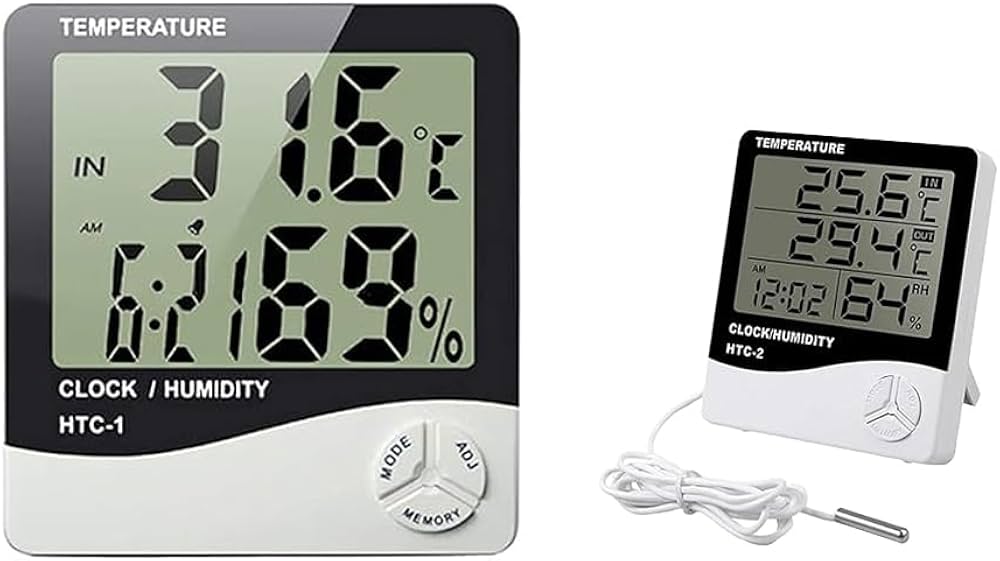
Digital Room Thermometer & Hygrometer Combo
- ✓ LCD display shows temperature (°C) and humidity %
- ✓ Wall-mountable and freestanding options
- ✓ Accuracy within ±1°C and ±5% RH
* We earn a small commission — at no extra cost to you.