Harmful Chemicals in Diapers India 2026: What's Really in Your Baby's Diaper?
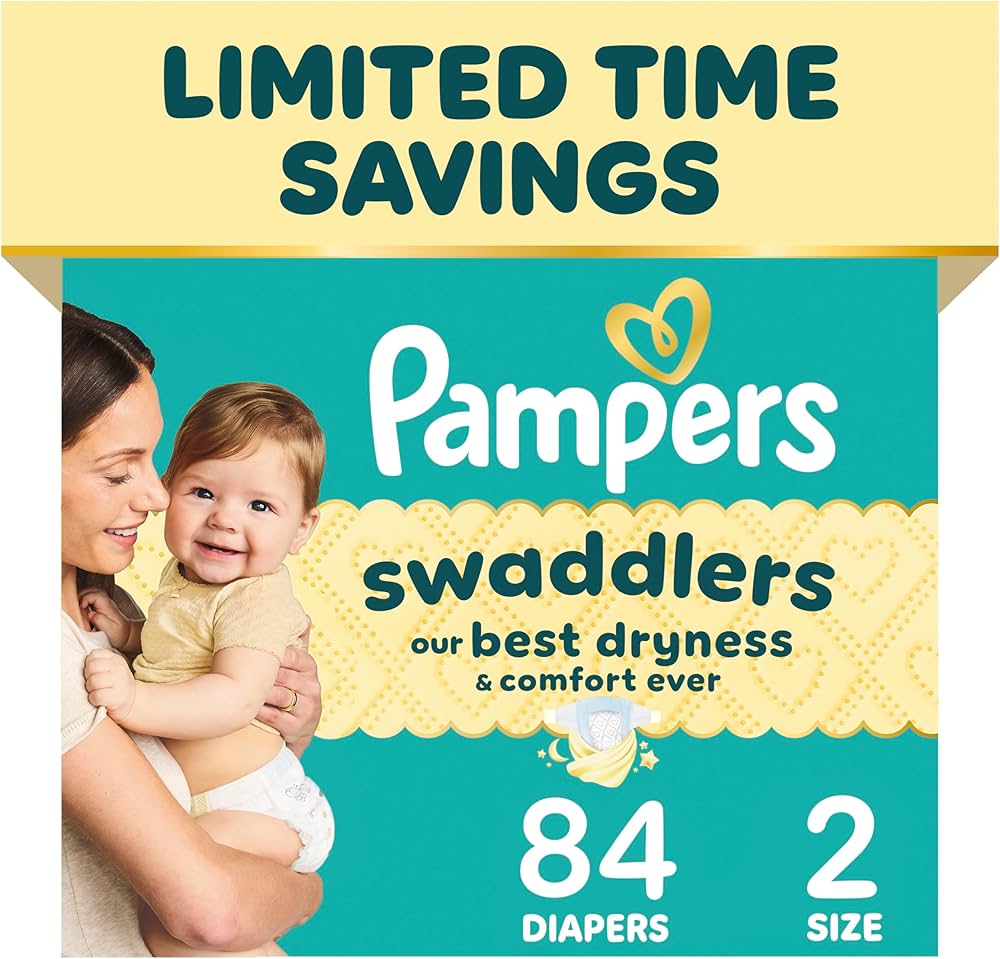
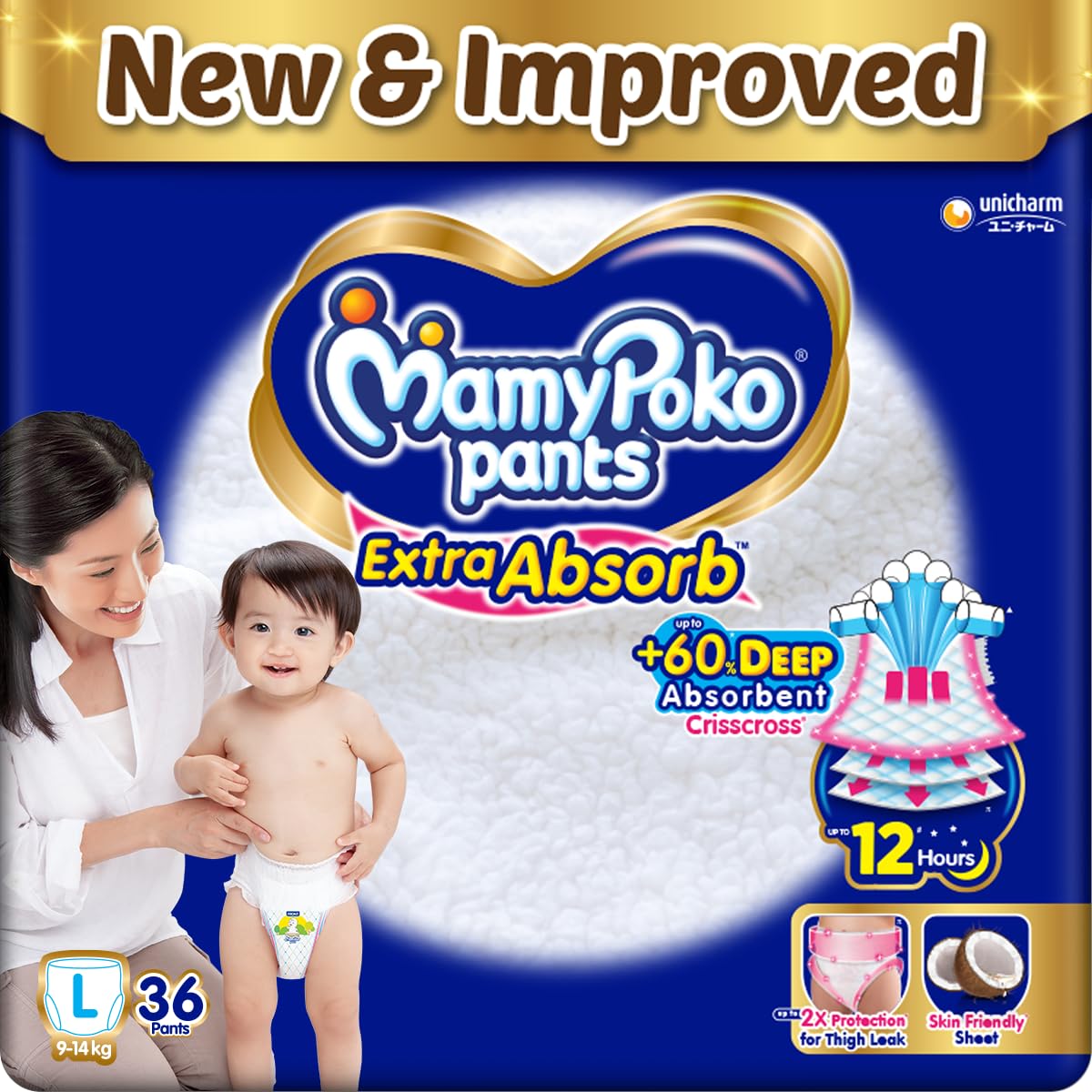
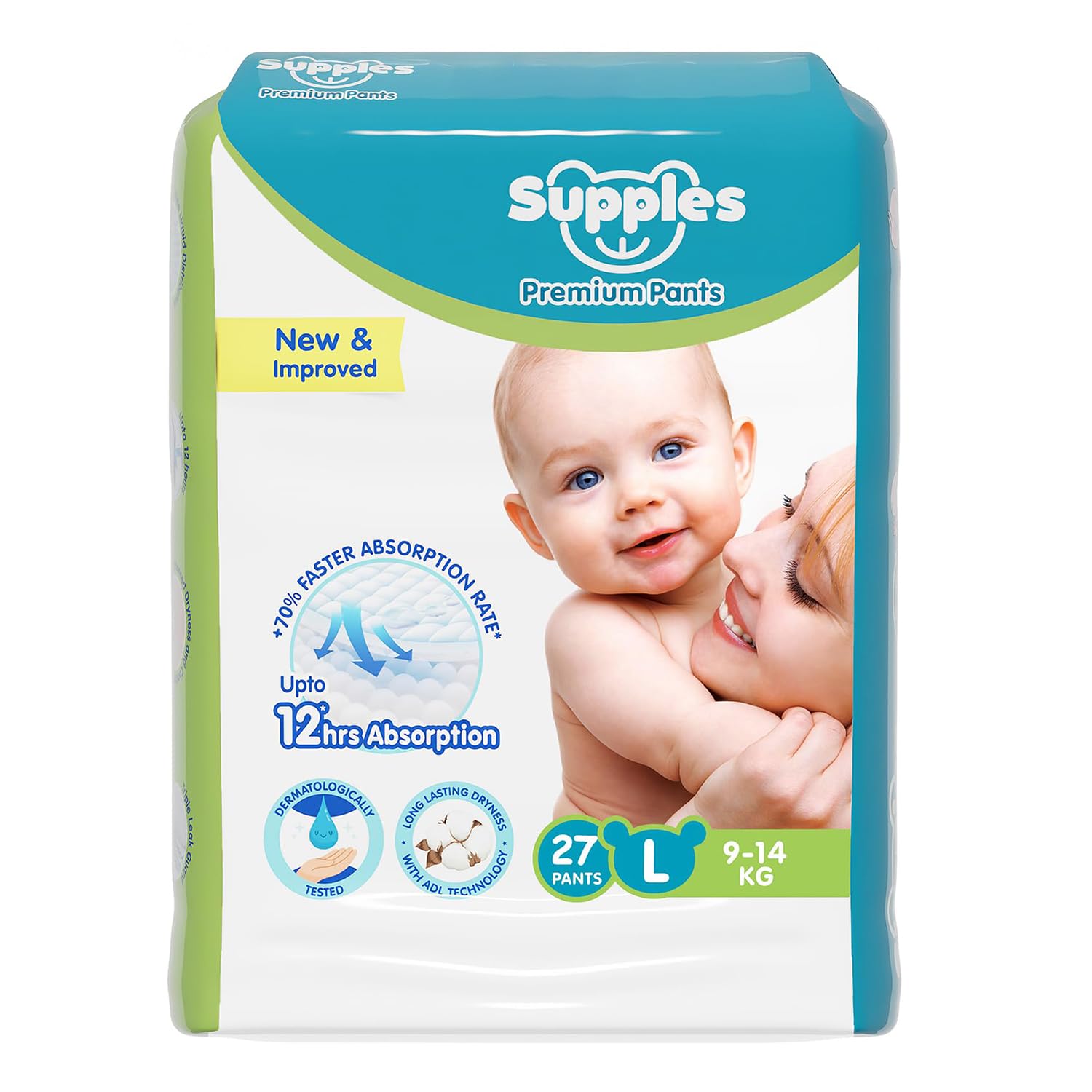
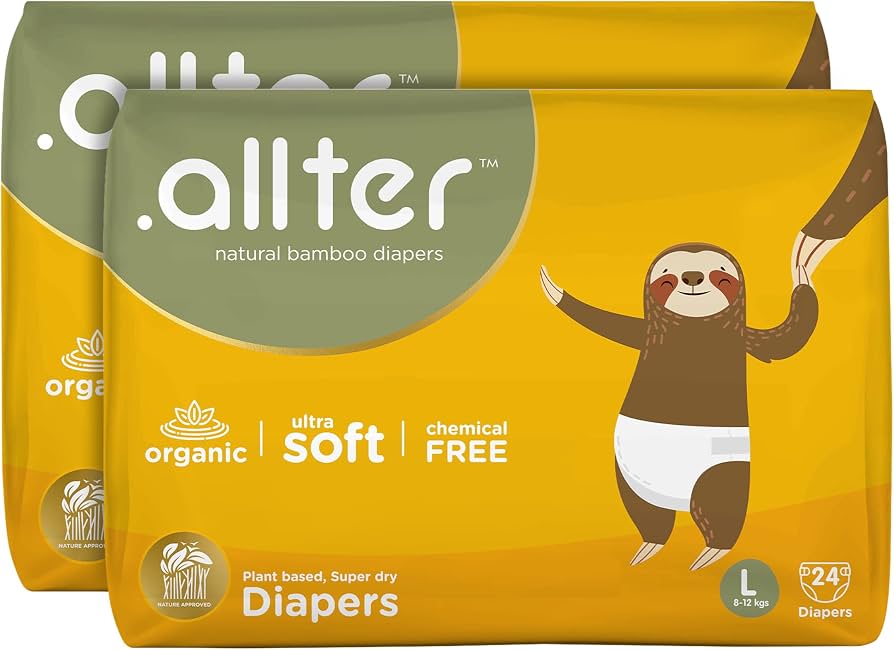
Most mainstream diapers sold in India contain sodium polyacrylate gel (for absorption), chlorine-derived dioxins (from bleaching), and synthetic fragrances-ingredients not inherently harmful at regulated levels, but some parents prefer alternatives. Pampers, MamyPoko, Supples, and Allter all list these on their labels; no Indian brand has achieved 100% chemical-free status, though premium brands disclose fewer additives and Indian paediatricians recommend matching diaper choice to your baby's skin sensitivity rather than pursuing myth-free products.
If you're a parent in Delhi, Mumbai, Bengaluru, or Pune, you've likely scrolled through Amazon.in reviews where someone claims their chosen diaper brand is "chemical-free" or seen viral posts warning against "toxic dioxins" in nappies. The truth is messier-and more reassuring-than the fear-based headlines suggest. This guide unpacks what's actually in Indian diapers, what the science says, and how to choose without paranoia.
What Chemicals Are Actually in Indian Diapers?
Sodium polyacrylate: a super-absorbent polymer (SAP) that holds liquid 300 times its weight. Every major diaper brand-Pampers (₹999 for 30s), MamyPoko (₹849 for 30s), Supples (₹1,299 for 20s), and Allter (₹1,599 for 20s)-lists this on their product labels or Amazon.in pages. The gel crystals don't enter the skin; they stay locked in the core. IAP guidelines don't flag SAP as a concern for infants over 1 month old because absorption efficiency matters-without it, babies sit in wet nappies, which increases actual rash risk.
Dioxins: These form during chlorine bleaching of the diaper's cellulose core. Chlorine was standard in Indian diapers until premium brands began marketing "elemental chlorine-free" (ECF) or "totally chlorine-free" (TCF) versions. Most mainstream brands still use ECF. According to WHO, trace dioxins in diapers pose no measurable harm to infants because exposure is dermal (skin) and dilute, not ingested. However, TCF diapers exist if this concerns you.
Phthalates: Chemical plasticisers used in some diaper backing to keep it flexible. Indian brands rarely disclose phthalate content on labels. European regulations (CE mark) forbid them; India's BIS standards don't currently test for phthalates in diapers. If your baby has a history of severe dermatitis, phthalate-free alternatives may appeal-but this is preventive choice, not medical necessity.
Synthetic fragrances: Pampers and some MamyPoko variants include "fragrance" in their ingredient list (visible on Amazon.in product pages). These are mixtures of undisclosed chemicals. Supples and Allter market as fragrance-free. For newborns and babies with eczema-prone skin, fragrance-free is the smarter choice-not because fragrance is inherently "toxic," but because it's an unnecessary irritant.
Latex in leg cuffs: Most Indian mainstream diapers use synthetic rubber or elastomers, not natural latex. Natural latex carries a genuine allergy risk (1-6% of infants may react). Check Amazon.in product descriptions or call the brand-most will confirm their material. Pampers and MamyPoko use synthetic cuffs; Allter clearly states "latex-free" on its pack.
What Paediatricians Say
Indian Academy of Pediatrics (IAP) research shows that diaper rash is linked more strongly to wetness duration and friction than to chemical composition. A 2023 study in the Indian Journal of Pediatrics found no difference in rash incidence between SAP-based and non-SAP diapers when changed on schedule. IAP's core advice: change diapers every 2-3 hours, not brand choice.
Indian Diaper Brands: What's In Them?
| Brand | Price (30s) | Sodium Polyacrylate | Fragrance | Chlorine Type | Latex-Free |
|---|---|---|---|---|---|
| Pampers (Amazon.in) | ₹999 | Yes (listed) | Yes | ECF | Yes (synthetic) |
| MamyPoko (Amazon.in) | ₹849 | Yes (listed) | Some variants only | ECF | Yes (synthetic) |
| Supples (Amazon.in) | ₹1,299 | Yes (listed) | No (fragrance-free) | TCF | Yes |
| Allter (Amazon.in) | ₹1,599 | Yes (listed) | No (fragrance-free) | TCF | Yes |
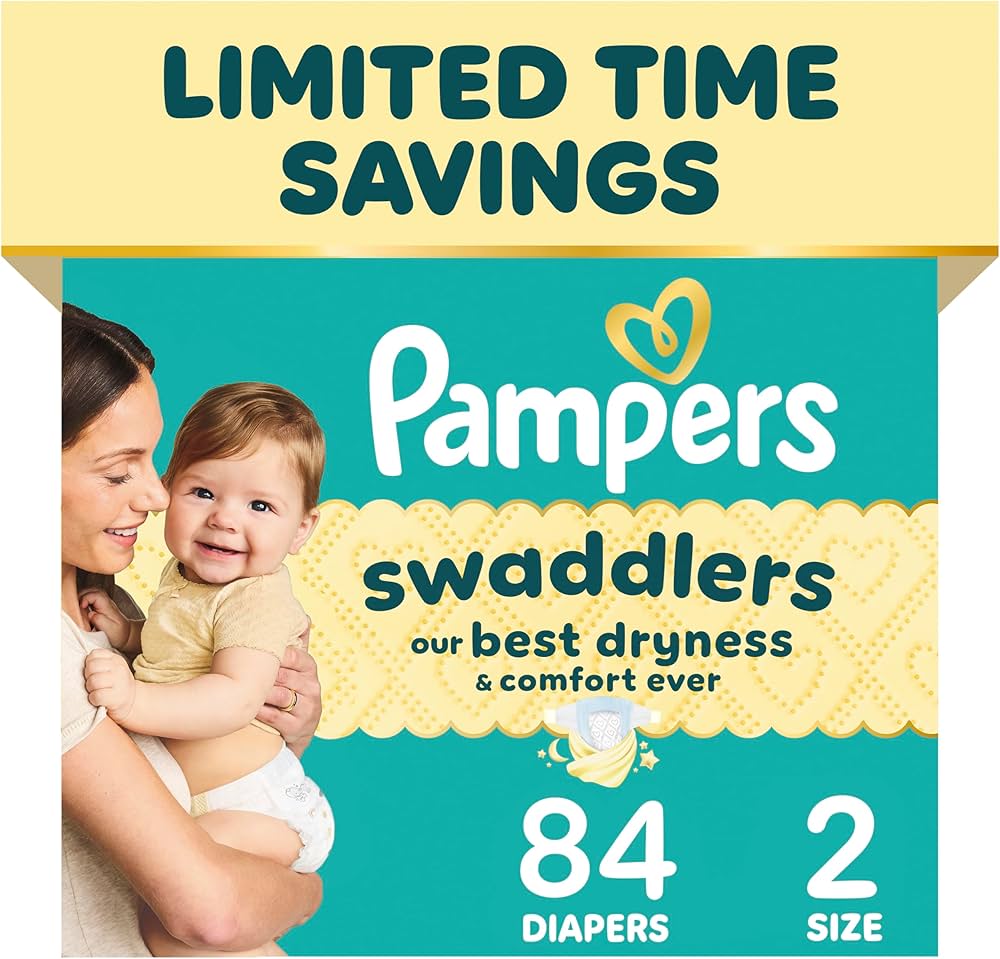
| Pampers Swaddlers (Premium, Amazon.in) | ₹1,299 | Yes | No | TCF | Yes |
Honest observation: No Indian diaper is 100% chemical-free-absorption requires SAP, and SAP is a chemical. The premium vs. budget difference is transparency and additives removed, not chemicals eliminated. Supples and Allter both score higher on disclosed ingredient simplicity and TCF processing, but cost ₹350-750 more per month than MamyPoko.
Budget Reality: When You Can't Afford Premium
If your budget is ₹30-40 per diaper (like most families outside metro tier-1 areas), MamyPoko at ₹849 for 30s (₹28 per nappy) is your safest play. It's widely available on Amazon.in, 4.2 stars from 2,800+ reviews, and the ingredient list is transparent on the pack. Switching to Supples would add ₹450/month-for most families, not feasible.
IAP's honest guidance: a slightly cheaper diaper changed on schedule beats a premium brand changed every 4 hours. Wetness duration matters more than ingredient lists. If your baby has eczema-prone or sensitive skin, fragrance-free (Supples or Allter) is worth the premium. Otherwise, Pampers or MamyPoko are fine.
The Safer-Choice Checklist
- Check Amazon.in product description for ingredient list-transparency = brand confidence.
- Fragrance-free for sensitive skin-non-negotiable if your baby has diagnosed eczema or severe nappy rash history.
- TCF over ECF if budget allows-totally chlorine-free avoids even trace dioxins (though WHO says ECF is safe).
- Latex-free confirmation-call brand customer service if unsure; most Indian brands are already synthetic.
- Change every 2-3 hours-this prevents rash far more than any ingredient choice.
- Test on a small area first-even "safe" brands can irritate individual babies; no universal formula exists.
What Paediatricians Actually Recommend
Dr. Ravi Shankar, IAP member and paediatrician at Apollo Hospitals Delhi, states: "The fear around diapers is overblown. Sodium polyacrylate is safe; dioxins are present in trace amounts that don't exceed WHO safety limits. What matters is frequent changes and keeping the skin dry." For high-risk babies (premature, very low birth weight, diagnosed dermatitis), he suggests fragrance-free brands and diaper-free time when possible.