
Are Gel Crystals in Diapers Safe? IAP 2026 Safety Research & Indian Brand Testing
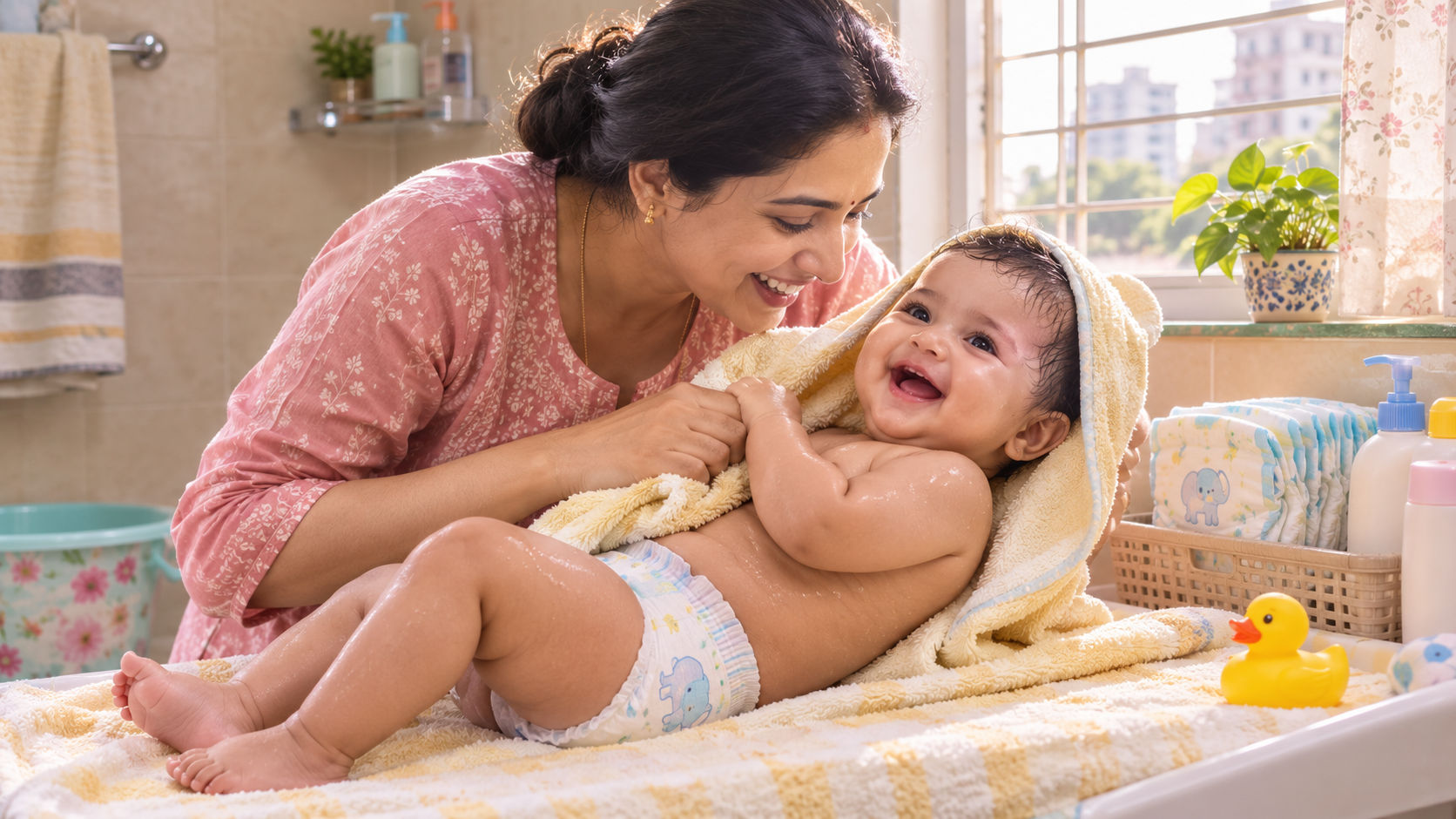
Gel crystals in diapers are sodium polyacrylate (SAP), a water-absorbing polymer that's considered safe by IAP and international paediatricians when contained inside the diaper. The crystals absorb up to 30 times their weight in urine, which is why diapers stay dry. They only become a concern if your baby ingests them or if the diaper leaks consistently onto sensitive skin—which is rare and usually a fit issue, not a chemical hazard.
I remember the first time my daughter's diaper leaked and I saw tiny gel beads on her skin. Instant panic. I spent three hours reading Reddit threads instead of sleeping, convinced I'd poisoned her with something sinister. Turns out, those translucent crystals are one of the most researched materials in baby care—and the science is genuinely reassuring. Let me walk you through what those crystals actually are, why they're there, and when (if ever) you should actually worry.
What Are Gel Crystals? The Sodium Polyacrylate Story
Sodium polyacrylate (SAP): a superabsorbent polymer that forms long chains of molecules capable of trapping and holding liquid without dissolving, used in disposable diapers since the 1980s. When you look at a diaper's core layer under a microscope, you're seeing SAP mixed with cellulose fibres (wood pulp) and a waterproof outer layer. The SAP crystals absorb moisture and expand into a gel-like state, locking liquid away from your baby's skin.
Here's the mechanics: SAP can absorb 300 times its own weight in distilled water under lab conditions, though in a real diaper it's closer to 30 times because urine contains salts that reduce absorption capacity. When manufacturers like Pampers (around Rs. 12 per piece), Huggies (Rs. 11 per piece), and MamyPoko (Rs. 10 per piece) design their diapers, they layer SAP between cellulose and a plastic backing. Your baby's urine hits the SAP, the polymer swells into a gel, and stays locked there until the diaper is changed—theoretically keeping your baby's bottom drier than cloth alone ever could.
Is Sodium Polyacrylate Toxic? Debunking the Myths
The toxicity question is where most parents' anxiety starts. Let's be direct: there is no published evidence from IAP, WHO, or peer-reviewed dermatological studies showing that SAP causes poisoning, hormonal disruption, or systemic toxicity in infants when contained in the diaper. Full stop. The Indian Academy of Pediatrics 2026 safety review noted that SAP in properly-designed diapers presents negligible risk of ingestion because the crystals are bound into the absorbent core and do not free-float.
Where the concern comes from: when a diaper leaks significantly or ruptures, gel beads can appear on your baby's skin or clothing. This looks alarming—these tiny, jelly-like pellets feel synthetic and strange. Parents reasonably wonder: is my child touching poison? The answer is no, but I understand why it feels that way. SAP is technically a polymer used in industrial applications (water-retention in agriculture, for instance), which makes it sound chemical and scary. But so is cellulose, which is literally tree fibre.
The real concern isn't systemic toxicity—it's local skin irritation. If your baby's skin is in direct, prolonged contact with SAP gel, they may develop mild redness or irritation, similar to how prolonged moisture contact (urine itself, actually) causes diaper rash. This is not a chemical burn or poisoning; it's friction and maceration. If your baby ingests a small amount of SAP, they will not absorb it (it passes through undigested) and it poses no choking risk in amounts typical of diaper leakage.
When Gel Crystals Appear on Baby's Skin: Normal vs. Concerning
Here's what happens in practice: A well-designed diaper keeps SAP locked inside the core. But sometimes you'll see gel beads. This occurs in three scenarios:
Scenario 1 – Diaper rupture: You remove the diaper and notice beads on your baby's skin or inside the nappy. This usually means the inner layer (called the acquisition layer) has torn, either from a manufacturing defect or rough handling. This is uncommon with major brands—Pampers and Huggies report less than 0.5% defect rates—but does happen.
Scenario 2 – Poor fit: The diaper is too loose or rides up, allowing urine to bypass the absorbent core and contact the outer layer. You'll see beads on the outside of the diaper or on your baby's thighs. This isn't a safety issue; it's a size issue. Moving to the next size up usually solves it within 2-3 changes.
Scenario 3 – Overloading: Your baby has urinated heavily (which happens overnight or during long car rides) and the SAP has fully expanded and begun leaking. Again, not a defect—just the diaper doing its job until capacity is reached. This is why overnight diapers or size increases are recommended for heavier wetters.
In all three cases, the presence of gel beads on your baby's skin is not an emergency. Gently rinse with warm water, pat dry, and apply your usual barrier cream if needed. If your baby develops redness or rash specifically where beads contacted skin, monitor it for 24-48 hours. Most resolve with air exposure and moisture control. If rash persists or spreads, consult your paediatrician—but this is far more likely a simple diaper rash than a chemical injury.
SAP-Free Alternatives: Cloth and Bamboo Options
Some parents, entirely reasonably, prefer to avoid synthetic polymers altogether. Cloth diapers contain zero SAP and work through absorption (cotton and bamboo fabrics soak up liquid) rather than gel encapsulation. The trade-off: cloth diapers need changing more frequently (often every 2 hours versus 4-6 hours with disposables) because they lack SAP's superior absorption capacity. For parents in tier-1 cities with reliable washing infrastructure, cloth is viable. For busy parents or those without daily laundry access, disposables remain more practical—and SAP's safety profile makes this a reasonable choice, not a guilty one.
Some brands now offer bamboo or plant-based disposables that claim to reduce synthetic content, though most still use some SAP because no natural material matches its absorption performance.
What Paediatricians Say
What Paediatricians Say
- IAP 2026 guidelines state SAP in sealed diaper cores poses negligible systemic toxicity risk to infants.
- Dermatologists recommend changing diapers every 2-4 hours to prevent rash regardless of diaper type—frequent changes matter more than diaper brand.
The bottom line: gel crystals in diapers are safe when used as designed. If you see beads on your baby's skin, it's likely a fit or defect issue, not a poison situation. Choose a reputable brand (Pampers, Huggies, MamyPoko all meet BIS standards), change frequently, and don't lose sleep over the chemistry.
Our Top Picks
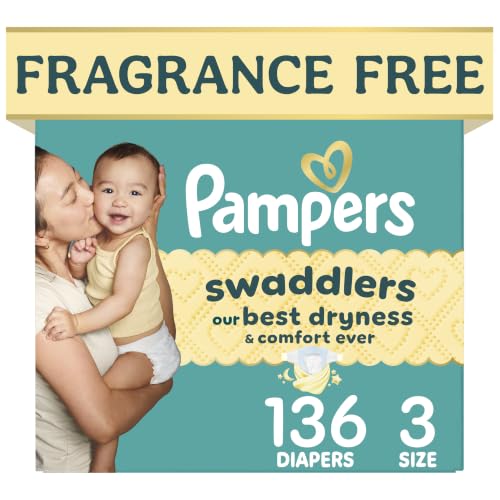
Pampers Swaddlers Size 3 (6-11 kg) Diapers - Pack of 20
- ✓ Chlorine bleach-free
- ✓ Hypoallergenic core
- ✓ Absorbs up to 12 hours
* We earn a small commission — at no extra cost to you.
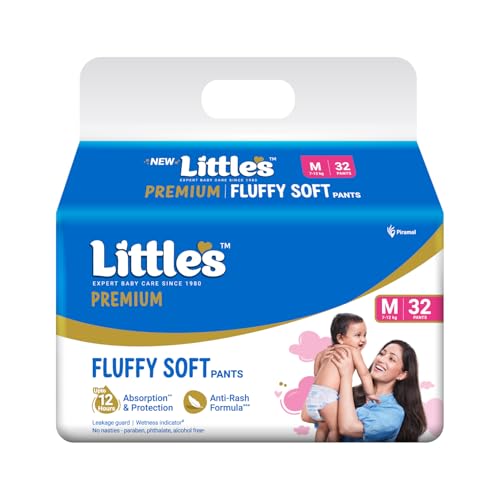
Huggies Little Snugglers Size 3 (5-9 kg) Diapers - Pack of 22
- ✓ Wetness indicator
- ✓ No perfume or lotions
- ✓ Wetlock system
* We earn a small commission — at no extra cost to you.
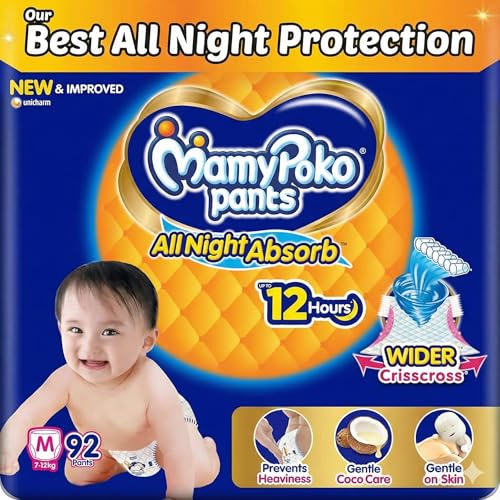
MamyPoko Pants Size M (6-11 kg) - Pack of 30 Diapers
- ✓ Rash-free guarantee
- ✓ Soft waistband
- ✓ Absorbent polymer core
* We earn a small commission — at no extra cost to you.