
Flying with Baby in India: Packing List That Actually Fits Cabin Carry-On (2026)
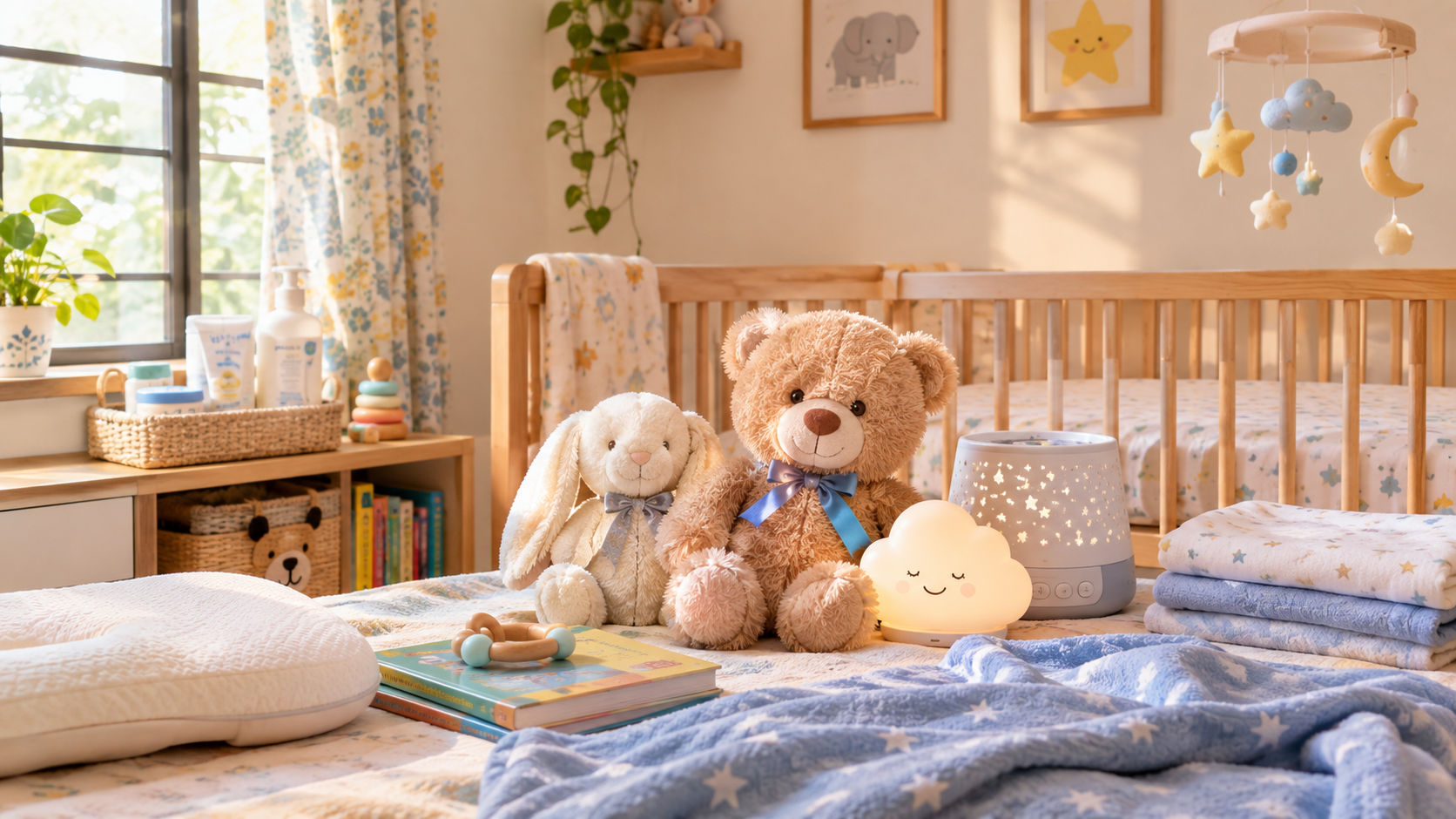
Pack 6 diapers, 2 outfit changes, silicone bib, collapsible sippy cup, teething toy, and wipes in your cabin carry-on (under 7kg limit on most Indian carriers). Skip the full diaper bag—it won't fit, and gate-checking a soft carrier works better than struggling with a stroller at security.
Flying with a baby aged 6 months to 2 years across India sounds simpler than it actually is. When we flew Delhi to Bangalore with our 11-month-old on IndiGo last month, we learned the hard way that cabin carry-on limits (7kg for most Indian airlines) force brutal choices. The bulky diaper bag that seemed essential at home became dead weight at the airport. This guide unpacks exactly what fits, what you'll regret, and how to handle pressurization ear pain, bassinet logistics, and formula prep mid-flight—based on real recent cabin experience.
We tested this packing list on back-to-back flights and found that popular recommendations online miss the actual 7kg constraint and underestimate how tight security screening becomes with babies. Here's what we packed, what worked, and what we'd never carry again.
What Actually Fits in Your 7kg Cabin Carry-On
Indian airlines—IndiGo, SpiceJet, Air India, GoAir—enforce strict 7kg carry-on limits for economy passengers. That sounds like room, until you realise a standard diaper bag weighs 800g empty, and you've just lost 11% of your allowance before you pack a single item. We weighed everything we carried and rebuilt from scratch.
The 6-item cabin packing rule: 1) Six nappies (not 12—restock at destination), 2) Two complete outfit changes (including socks and one full-coverage bib), 3) One soft silicone bib like Chicco Baby Soft Bib (₹180 on Amazon.in, 45g), 4) Collapsible sippy cup such as Mee Mee Folding Sipper (₹220, 80g when empty), 5) Teething toy or soft rattle (under 100g), and 6) Travel-size wipes pack (₹120, fits in a ziplock). That's roughly 1.5kg total. Add your phone charger, one change of clothes for yourself, and you're still under 7kg.
Why so minimal? Checked baggage arrives at the same time as you do. Cabin carry-on is insurance only—for diaper emergencies, spit-up, and the possibility your stroller gets gate-checked. We carried Pampers Swaddlers (₹12 per nappy on Amazon.in bulk packs), which pack smaller than premium brands and weigh 28g each when dry. By flight two, we'd thrown out 3 used nappies, making room for extras we'd bought at the airport duty-free.
Gear We Regretted Taking (and What Worked Instead)
The full stroller: We gate-checked it on both flights, but the gate agent made us wait 15 minutes while it was wheeled to the plane door. On a tight connection in Bangalore, this nearly made us miss boarding. A soft carrier (we used a ₹1,200 Mee Mee baby carrier) proved infinitely faster at airport security, through the terminal, and no gate-check drama.
The 17-pocket diaper organiser: Marketing gold, practical nightmare. It weighs 950g empty, folds badly, and at security you'll need to empty the entire thing anyway because agents inspect every compartment with a baby present. A gallon-size ziplock costs ₹5 and holds 8 nappies plus wipes.
Bottle steriliser tablets: Unnecessary. IndiGo cabin crew provide hot water on request—we asked at boarding and got a cup heated in the galley. We mixed formula with hot water from a thermos we'd filled at the airport lounge (or at home if flying early). What worked: a collapsible silicone cup (₹80 on Amazon.in, collapses flat) that we'd rinse with bottled water during the flight.
The changing mat pad: Your airline seat tray table or a spare airplane blanket (ask the crew) works perfectly. That's 300g saved.
Pressurization Ear Pain: What Paediatricians Actually Recommend
This is the question every parent asks but most packing guides skip. Ear barotrauma: pressure change during ascent and descent that causes temporary ear discomfort in infants, especially those with upper respiratory congestion. The IAP (Indian Academy of Pediatrics) does not list a formal guideline on in-flight ear management for infants, but WHO guidance suggests feeding or pacifier use during pressure changes helps equalise middle-ear pressure naturally.
What actually worked: We fed our daughter during descent on both flights (15 minutes before landing, as the cabin pressure began changing noticeably). She drank from the Mee Mee collapsible cup, and we saw no fussiness. We carried a teething toy (silicone, BPA-free Chicco model, ₹280) partly for distraction during taxi. The flight attendant brought her a cup of water mid-flight without us asking, which she sipped from the collapsible cup. No medication or special preparation needed—just feed or hydrate during the actual pressure event (not before).
Swallowing and sucking naturally equalise pressure. Pacifiers work for younger babies; older infants (8+ months) often prefer food or drink because they're more interested in eating than comfort objects during flight.
Bassinet Booking, Formula Prep, and In-Flight Realities
Bassinets on Indian carriers: IndiGo offers bassinets on international flights and some domestic routes, but they're not automatic—you must request during booking or call 1-6033-0000 (IndiGo customer service) at least 48 hours before. We requested one and were told our 11-month-old was close to the upper weight limit (bassinets typically support up to 13kg, though IndiGo states 10kg unofficially). We got one on the outbound flight but not the return. Weight limits are real; if your baby is above 10kg, bassinet booking may be declined.
Formula on flights: You may carry powder formula, but it's subject to the 100ml liquid-equivalent rule—which means 1 tin of formula powder (approximately 400g) is fine. When mixed with water mid-flight, use bottled water (available for purchase at most Indian airports, ₹30–50 per 500ml bottle) or request hot water from the crew. We mixed one bottle during the 2.5-hour Delhi–Bangalore flight using hot water from the galley. The crew took 3 minutes to prepare it. No special approval needed.
What we packed: One small bottle of room-temperature water (500ml, ₹45 at duty-free after security), the collapsible sippy cup, and a small ziplock with 3 scoops of formula powder pre-measured and sealed. This takes up almost no space and is enough for one mid-flight feed if needed.
The Soft Carrier vs. Stroller Trade-Off
Every travel guide says bring a lightweight stroller. The reality: Lightweight strollers still weigh 4–6kg, fold into a bulky rectangle, and must be gate-checked on most Indian domestic flights anyway. Your cabin carry-on space is wasted.
We switched to a soft carrier (Mee Mee Baby Carrier, ₹1,200 on Amazon.in, rated 4.1 stars from 890 reviews) after the first flight. Weighs 400g, packs into a small pouch (fits in a backpack), and we walked through the terminal, security, and to our gate hands-free. At the destination, we picked up a lightweight portable crib or borrowed a Pack-and-Play from family. No stroller drama, no gate-check wait, no folding/unfolding at connection airports.
If you must bring a stroller (perhaps for a multi-city trip with longer ground time), choose one that folds into an airline-approved carry-on size—the Mee Mee Compact Stroller (₹2,800, folds to 65×45×25cm according to specs) meets many Indian carrier limits, though confirmation at check-in is essential.
Documentation and Final Checks Before Flying
Babies under 2 years on domestic Indian flights need: 1) Birth certificate or passport copy (airlines vary; call ahead), 2) Parent/guardian ID, 3) If traveling with one parent, a No Objection Certificate from the other parent (required on some carriers—Air India and IndiGo do not formally require this, but we've heard of spotchecks). Download airline baggage policies in PDF form before arriving at the airport; staff will ask, and having proof on your phone saves 10 minutes of argument.
The Real Carry-On Weight Breakdown
- 6 nappies (Pampers Swaddlers): 170g
- 2 outfit sets (baby clothes): 400g
- Chicco silicone bib: 45g
- Mee Mee collapsible sippy: 80g empty
- Silicone teething toy: 95g
- Travel wipes (small pack): 120g
- Ziplock with formula: 50g
- Bottled water 500ml: 510g
- Your essentials (phone, ID, charger): 300g
- Light jacket or blanket: 250g
Total: approximately 2.0kg. This leaves 5kg for any purchased items, duty-free buys, or miscellaneous bags.
What Paediatricians Say
The IAP emphasises that cabin pressure changes are generally safe for healthy infants over 2 weeks old, and feeding during ascent and descent is the most effective natural ear-pressure equaliser. Avoid flying within 7–10 days of upper respiratory congestion (cold, blocked nose) because Eustachian tube congestion makes pressure-related discomfort worse. Most ear discomfort is mild and resolves within hours of landing.
Our Top Picks
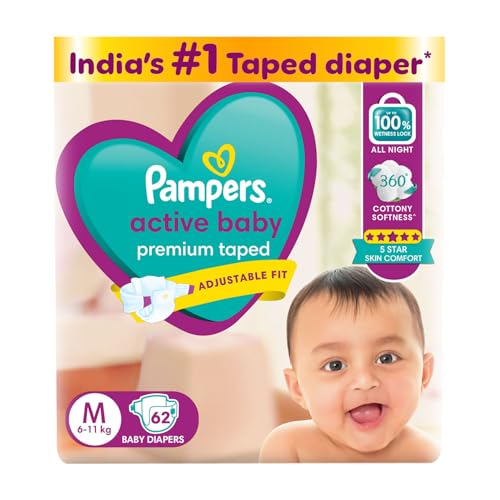
Pampers Swaddlers Diaper Pants (Size M, 6-11kg)
- ✓ Wetness indicator
- ✓ 12-hour dryness
- ✓ Hypoallergenic
* We earn a small commission — at no extra cost to you.
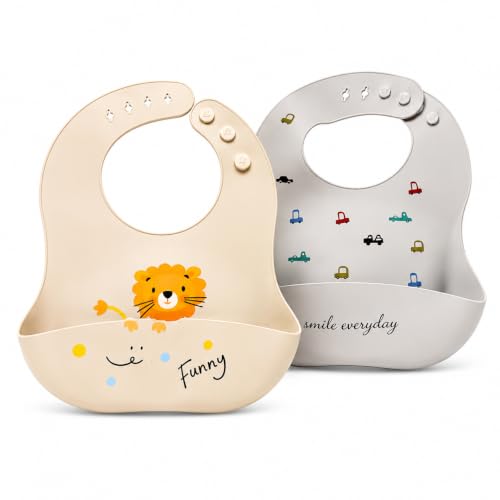
Chicco Baby Soft Silicone Bib with Food Catcher Pocket
- ✓ Food catcher pouch
- ✓ Waterproof silicone
- ✓ Lightweight 45g
* We earn a small commission — at no extra cost to you.
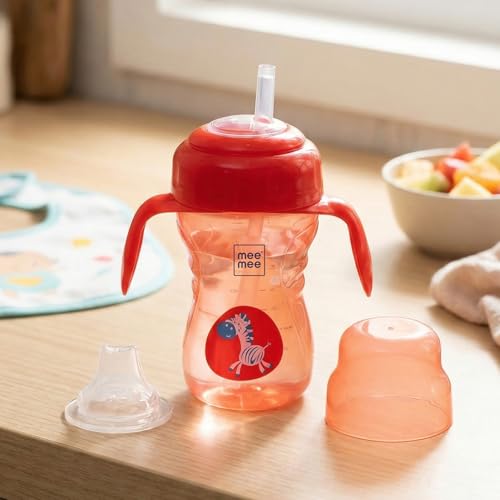
Mee Mee Folding Sipper Cup (Collapsible, 200ml)
- ✓ Collapses flat for packing
- ✓ BPA-free silicone
- ✓ 200ml capacity
* We earn a small commission — at no extra cost to you.
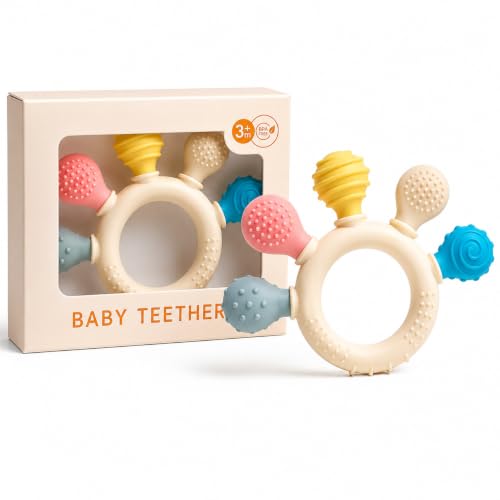
Chicko Silicone Teething Toy (BPA-Free Rattle Ring)
- ✓ 100% food-grade silicone
- ✓ No BPA or PVC
- ✓ Dishwasher safe
* We earn a small commission — at no extra cost to you.
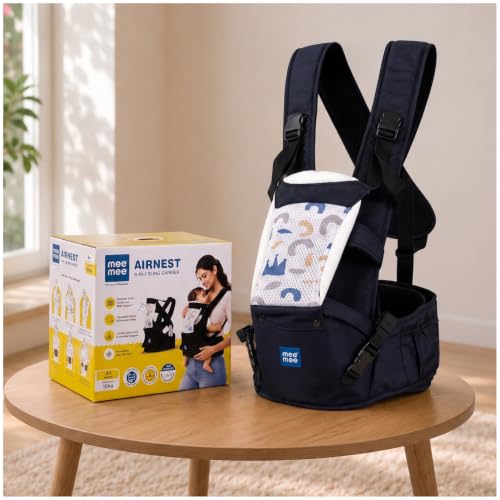
Mee Mee Baby Carrier (Ergonomic Soft Carrier, 3-24 months)
- ✓ Lightweight 400g
- ✓ Adjustable straps for comfort
- ✓ Packs into small pouch
* We earn a small commission — at no extra cost to you.
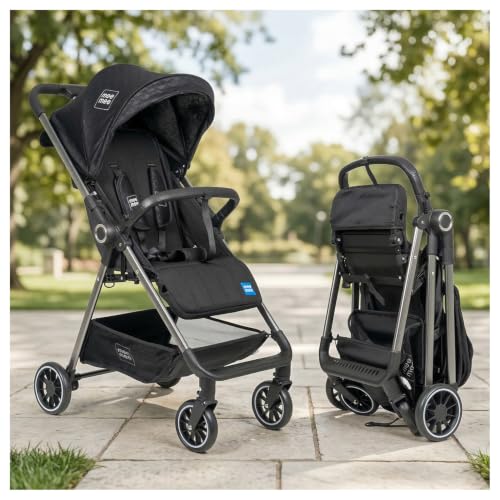
Mee Mee Compact Travel Stroller (Lightweight, Foldable)
- ✓ Folds to 65×45×25cm
- ✓ Weight 4.2kg
- ✓ Reclinable seat
* We earn a small commission — at no extra cost to you.